
UV printers represent a significant leap forward in printing technology, moving beyond traditional methods to offer unparalleled versatility and quality across a vast array of materials. At its core, a UV printer utilizes ultraviolet (UV) light to instantly cure or dry ink as it is applied to a substrate. This fundamental difference from conventional inkjet printers, which rely on heat or air to dry ink, unlocks a world of new possibilities in printing applications.
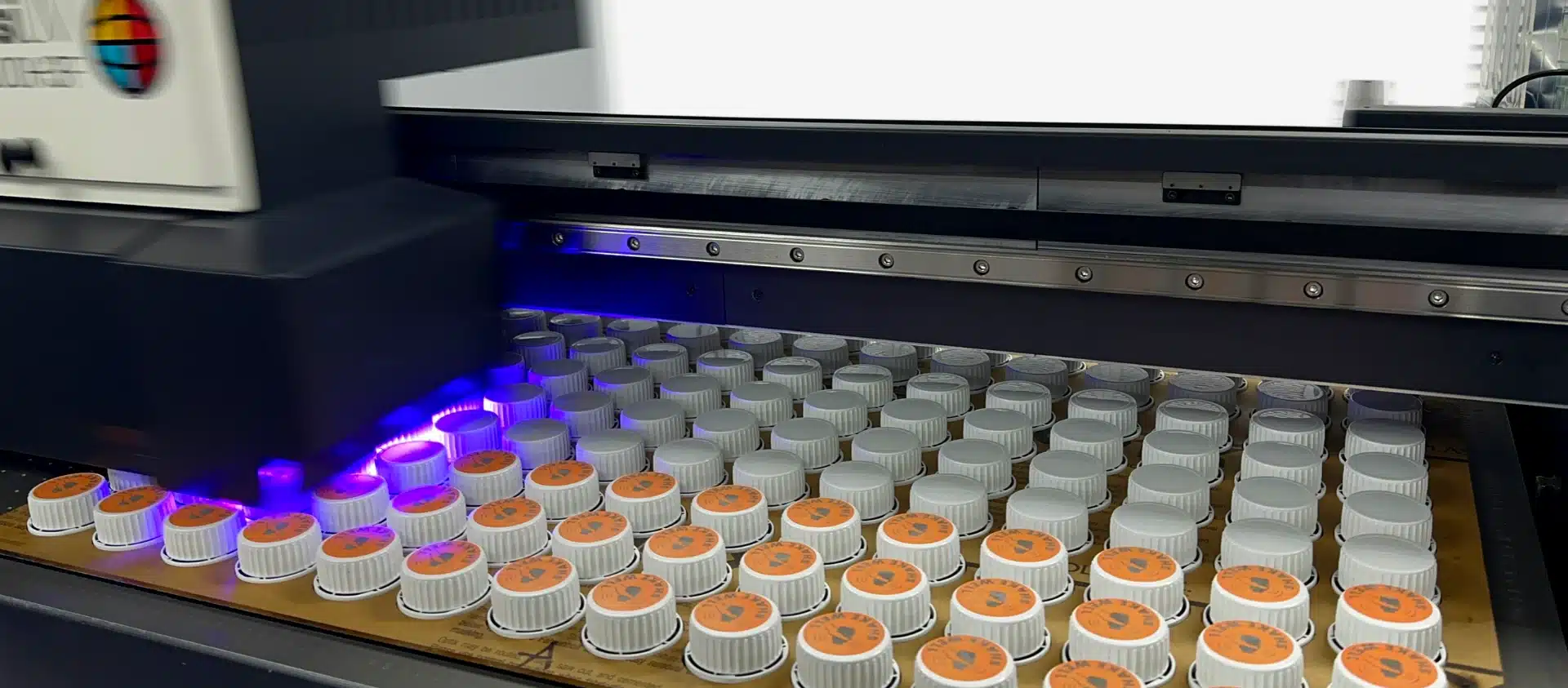
The “UV” in UV printer refers to ultraviolet radiation. In this printing process, specialized UV-curable inks are applied to the surface of a material. Immediately after application, the ink is exposed to UV light, which triggers a photochemical reaction. This reaction causes the liquid ink to harden and bond with the surface in a matter of seconds. This rapid curing process is what differentiates UV printing and underpins its numerous advantages.
The Underlying Technology: How UV Printing Works
Understanding the mechanics of a UV printer reveals why it’s a transformative technology. The process, while seemingly simple, involves sophisticated engineering and specialized components.
UV-Curable Inks: The Foundation of the Technology
The ink itself is the most crucial differentiator. Unlike solvent-based or water-based inks that evaporate to dry, UV-curable inks contain photoinitiators. These are light-sensitive molecules that, when exposed to UV radiation, initiate a polymerization process. This means the ink molecules link together to form a solid, durable film.
- Composition: UV inks are typically comprised of monomers, oligomers, pigments, and photoinitiators. Monomers and oligomers form the bulk of the ink, providing viscosity and binding properties. Pigments provide the color. The photoinitiators are the magic ingredient that reacts to UV light.
- Curing Process: When UV light hits the ink, the photoinitiators absorb the energy and break down into reactive species. These species then initiate a rapid chain reaction, linking the monomers and oligomers together. This process, known as curing or polymerization, transforms the liquid ink into a solid, plastic-like layer.
- Types of UV Inks: There are various formulations of UV inks designed for specific applications and substrates. Some are more flexible, while others are harder and more scratch-resistant. Some are formulated for outdoor use with enhanced UV resistance, while others are designed for food-grade packaging. White UV inks are particularly important, as they can be used as a base coat for printing on dark or transparent materials, allowing colors to pop.
The UV Lamp System: The Curing Engine
The UV lamp is the powerhouse of the UV printer, responsible for delivering the specific spectrum and intensity of UV light needed for rapid curing.
- Types of UV Lamps: Historically, mercury vapor lamps were the most common. These are powerful but can generate significant heat and have a limited lifespan. More recently, LED UV curing systems have gained prominence. LED lamps offer several advantages, including lower heat output, longer lifespan, energy efficiency, and precise control over the UV spectrum emitted.
- Wavelength Specificity: The effectiveness of UV curing is dependent on the wavelength of the UV light. Different photoinitiators respond to different wavelengths. UV printers are designed to emit UV light within the optimal range for their specific ink formulations, typically in the UVA spectrum (320-400 nm).
- Positioning and Intensity: The UV lamp is typically positioned directly behind the printhead. This ensures that as soon as the ink is laid down, it is immediately exposed to the UV light. The intensity of the UV light is also critical; too little and the ink won’t cure properly, too much and it can degrade the substrate or the printhead.
Printhead Technology: Precision Ink Application
While the curing mechanism is unique, the printhead technology in a UV printer is often similar to that found in high-quality inkjet printers, employing Piezoelectric or Thermal Inkjet technologies.
- Piezoelectric Printheads: These heads use a piezoelectric crystal that changes shape when an electric current is applied. This physical deformation creates pressure waves that eject ink droplets from the nozzles. Piezoelectric heads are known for their durability and ability to handle a wide range of ink viscosities, including the thicker formulations often used in UV printing.
- Thermal Inkjet Printheads: These heads use a resistor to rapidly heat a small volume of ink, creating a vapor bubble. The expansion of this bubble forces a droplet of ink out of the nozzle. While common in desktop printers, they are less frequently used in industrial UV printers due to potential issues with the heat affecting UV ink curing and the ink’s viscosity.
- Nozzle Technology and Droplet Control: The precision of the printhead, including the number and size of nozzles and the ability to control droplet size, directly impacts the print resolution, color accuracy, and detail achievable by a UV printer.
Key Advantages and Capabilities of UV Printing
The unique combination of UV-curable inks and rapid UV curing translates into a host of distinct advantages that make UV printers a preferred choice for many professional applications.
Unmatched Substrate Versatility
Perhaps the most significant advantage of UV printing is its ability to print on an incredibly wide range of materials, many of which are incompatible with traditional printing methods.
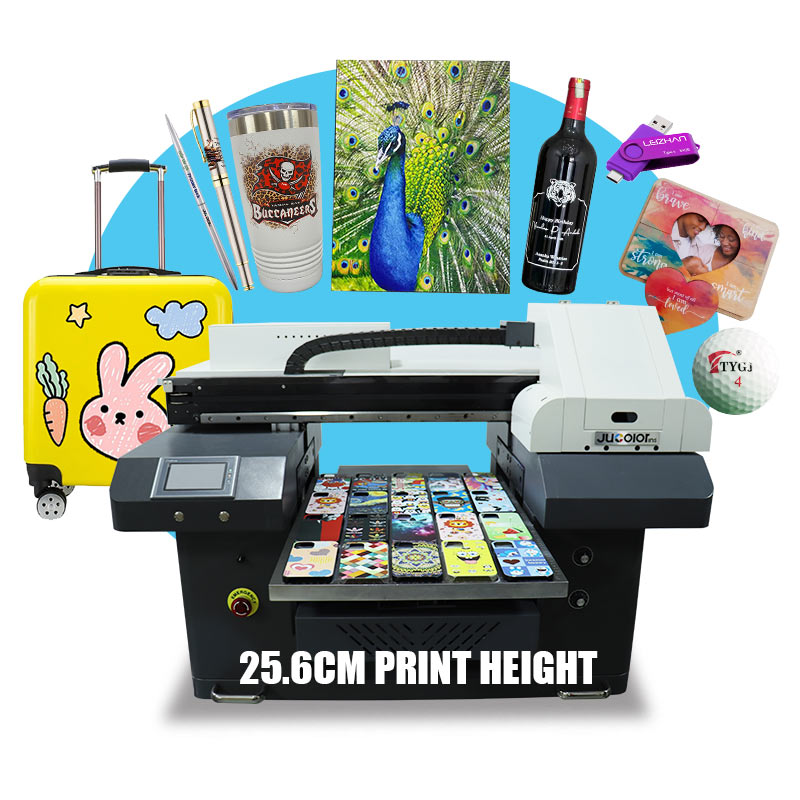
- Non-Porous Materials: Unlike conventional inks that require porous surfaces to absorb and dry, UV inks cure on contact, making them ideal for non-porous materials like glass, metal, acrylic, ceramic, and plastics. This opens up possibilities for printing directly onto items like phone cases, promotional products, architectural panels, and decorative tiles.
- Heat-Sensitive Materials: Traditional printing methods that involve heat can warp or damage delicate materials. UV printing, with its low-heat curing process, is safe for printing on heat-sensitive substrates such as certain plastics, thin films, and even some types of paper that might otherwise wrinkle or discolor.
- Textiles and Soft Goods: While not all UV inks are suitable for textiles, advancements have led to UV inks that can be printed on fabrics, leather, and other soft materials. These inks offer good flexibility and washability, expanding the decorative and industrial applications in the textile sector.
- 3D Objects: Flatbed UV printers are designed to accommodate objects of varying thickness and shape, allowing for direct printing onto three-dimensional items. This capability is invaluable for customization of products, signage, and industrial components.
Superior Print Quality and Durability
UV printing consistently delivers exceptional print quality with remarkable longevity, making it suitable for demanding environments and applications where aesthetics and performance are paramount.
- Vibrant Colors and High Resolution: UV inks often produce exceptionally vibrant and saturated colors. The precise droplet control of modern printheads, combined with the opaque nature of some UV inks (like white), allows for high-resolution prints with sharp details, smooth gradients, and excellent contrast, even on dark or transparent media.
- Scratch and Chemical Resistance: Once cured, UV inks form a robust, plastic-like layer that is highly resistant to abrasion, scratching, and chemicals. This makes them ideal for applications exposed to wear and tear, such as signage, vehicle wraps, and industrial labels.
- UV and Weather Resistance: Many UV inks are formulated to withstand prolonged exposure to sunlight and adverse weather conditions without significant fading or degradation. This makes them a preferred choice for outdoor signage, banners, and architectural graphics.
- Gloss and Matte Finishes: UV printing offers a range of finishing options. The cured ink can naturally produce a glossy or matte effect depending on the ink formulation. Furthermore, overprint varnishes can be applied using UV technology to enhance the sheen or add texture.
Environmental and Operational Benefits
Beyond the print quality and versatility, UV printing offers several operational and environmental advantages.
- Reduced VOC Emissions: UV-curable inks are largely solvent-free, meaning they contain minimal Volatile Organic Compounds (VOCs). This contributes to a healthier working environment and reduced environmental impact compared to traditional solvent-based printing.
- Instant Drying: The immediate curing process eliminates the need for extensive drying times or post-curing processes. This dramatically speeds up production workflows, allowing for immediate handling and finishing of printed items, thus increasing throughput and efficiency.
- Lower Energy Consumption (with LEDs): While older UV lamp technologies could be energy-intensive, modern LED UV systems are significantly more energy-efficient. They also have a longer lifespan, reducing the need for frequent replacements and associated waste.
- Reduced Ink Waste: The precise application and instant curing minimize ink waste. There’s no drying evaporation, and the inks are formulated to be highly effective, leading to more efficient use of consumables.
Applications Across Industries
The transformative capabilities of UV printers have led to their widespread adoption across a diverse range of industries, revolutionizing how products are decorated, branded, and manufactured.
Signage and Display Graphics
UV printing is a cornerstone of the modern signage industry.
- Indoor and Outdoor Signage: From large-format billboards and banners to point-of-purchase displays and directional signs, UV printing delivers vibrant, durable graphics that can withstand the elements and maintain their visual appeal.
- Dimensional Signage: Flatbed UV printers allow for printing on rigid materials like wood, metal, and acrylic, enabling the creation of eye-catching dimensional signs with textured or raised effects.
- Exhibition Graphics: The ability to print on a variety of substrates, including fabric, rigid panels, and roll-up materials, makes UV printing ideal for creating custom graphics for trade shows and exhibitions.
Promotional Products and Personalization
The demand for customized and personalized items has been significantly boosted by UV printing technology.
- Corporate Gifts and Swag: UV printers can directly print logos, designs, and personalized messages onto a vast array of promotional items, including pens, USB drives, water bottles, phone cases, and more, offering a high-quality and durable branding solution.
- Awards and Trophies: Direct printing onto glass, metal, and acrylic trophies and awards provides a professional and lasting way to commemorate achievements.
- Personalized Consumer Goods: Businesses can leverage UV printing for mass customization of products like phone cases, laptops, notebooks, and even furniture.
Industrial and Manufacturing Applications
Beyond aesthetics, UV printing plays a crucial role in various industrial processes.
- Product Labeling and Marking: Durable, scratch-resistant UV inks are perfect for industrial labels, serial number marking, and compliance information on machinery, electronics, and automotive parts.
- Component Decoration: Manufacturers can print directly onto plastic casings, control panels, and other components, eliminating the need for separate labeling or decal application processes.
- Specialty Coatings: UV-curable coatings can be applied to enhance surface properties like scratch resistance, chemical resistance, or to create specific tactile effects on products.
Architectural and Interior Design
UV printing is transforming interior and exterior spaces with custom graphics and finishes.
- Wall Murals and Backsplashes: Printing high-resolution images and designs directly onto ceramic tiles, glass panels, or rigid substrates allows for unique and personalized wall art and kitchen backsplashes.
- Decorative Glass and Acrylic: UV printing can add intricate patterns, textures, or images to glass and acrylic panels used in windows, doors, and partitions, offering both aesthetic appeal and privacy.
- Custom Furniture and Surfaces: Imagine printing intricate designs directly onto tabletops, cabinet doors, or even entire furniture pieces, offering unparalleled design flexibility.
Considerations for Adopting UV Printing
While the benefits are substantial, choosing and implementing a UV printing solution requires careful consideration to ensure it aligns with business needs and operational capabilities.
Investment and Scalability
UV printers represent a significant capital investment, particularly industrial-grade flatbed or roll-to-roll models.
- Initial Cost: The price of UV printers varies widely based on size, speed, print quality, and features. It’s crucial to assess the upfront investment against projected ROI and production volume.
- Scalability: Consider whether the chosen UV printer can scale with your business growth. Some systems are modular and can be upgraded or expanded, while others are fixed in their capabilities.
- Total Cost of Ownership (TCO): Beyond the purchase price, factor in ongoing costs such as ink, maintenance, parts replacement, power consumption, and potential software updates.
Workflow Integration and Training
Successfully integrating UV printing into existing production workflows requires planning and skilled personnel.
- Pre-press and File Preparation: Understanding the specific requirements of UV inks and printheads is essential for preparing artwork. This includes color management, setting up white ink layers, and ensuring file resolution is adequate.
- Material Handling: Different substrates may require specific handling procedures, such as proper cleaning, priming (in some cases), and alignment on the printer bed.
- Operator Training: While modern UV printers are becoming more user-friendly, proper training for operators is crucial for maximizing efficiency, ensuring print quality, and maintaining the equipment.

Maintenance and Consumables
Like any sophisticated piece of technology, UV printers require regular maintenance and a reliable supply of consumables.
- Routine Maintenance: Adhering to the manufacturer’s recommended maintenance schedule, including cleaning printheads, capping stations, and UV lamps, is vital for longevity and optimal performance.
- Ink Management: Ensuring a consistent and reliable supply of high-quality UV inks is paramount. Running out of specific ink colors can halt production. Understanding ink shelf life and storage conditions is also important.
- Technical Support: Access to prompt and knowledgeable technical support from the printer manufacturer or a reputable service provider can be invaluable for troubleshooting issues and minimizing downtime.
In conclusion, UV printers are a revolutionary technology that has redefined the possibilities of printing. By leveraging the power of UV light to instantly cure specialized inks, they offer unparalleled versatility in substrate application, exceptional print quality, and remarkable durability. From vibrant signage and personalized promotional items to critical industrial markings and stunning architectural designs, the impact of UV printing is far-reaching and continues to expand. As the technology evolves, with advancements in LED curing and ink formulations, UV printing is poised to become even more integral to a wide array of creative and manufacturing endeavors, cementing its place as a leading force in the modern printing landscape.
aViewFromTheCave is a participant in the Amazon Services LLC Associates Program, an affiliate advertising program designed to provide a means for sites to earn advertising fees by advertising and linking to Amazon.com. Amazon, the Amazon logo, AmazonSupply, and the AmazonSupply logo are trademarks of Amazon.com, Inc. or its affiliates. As an Amazon Associate we earn affiliate commissions from qualifying purchases.