
The world of American football is a complex ecosystem of strategies, player roles, and highly specialized techniques. For those unfamiliar with the nuances of the sport, the terminology can often sound like a foreign language. Among the most fundamental and frequently discussed defensive line positions is the “three technique.” While seemingly a simple designation, understanding the three technique is crucial to grasping the intricacies of defensive schemes and the athletic prowess required to execute this vital role. This article delves into the essence of the three technique in football, exploring its positional definition, its strategic importance, the skills it demands, and how it integrates within broader defensive game plans.
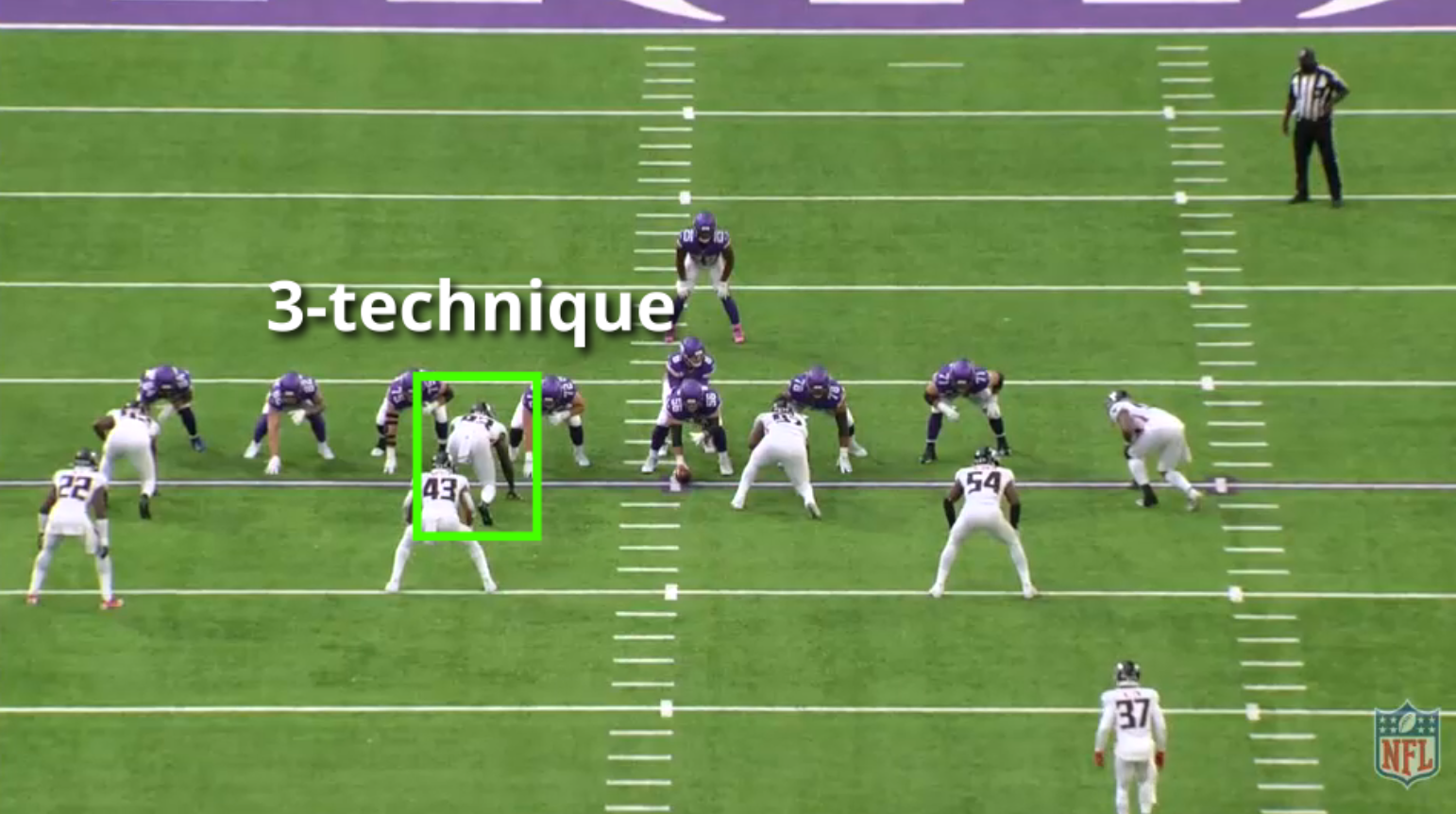
The Three Technique: A Defensive Lineman’s Domain
At its core, the three technique defines a specific alignment and responsibility for a defensive lineman. This isn’t just about where a player stands; it’s about their critical function in disrupting offensive plays before they can gain traction.
Positional Alignment and Responsibilities
The “three technique” refers to a defensive lineman, typically a defensive tackle, who is positioned directly outside the offensive tackle, specifically aligning in the gap between the offensive tackle and the offensive guard. This is often denoted as the “B gap” or “C gap” depending on the numbering convention used by a team, but the key is that they are aiming to split the gap between the offensive tackle and guard. In some systems, it’s labeled as a “3-technique” alignment. The lineman in this position is therefore tasked with attacking this specific gap.
Their primary responsibilities are multifaceted:
- Penetration: The three technique lineman is expected to be a disruptive force. Their goal is to penetrate the offensive line quickly, getting into the backfield to disrupt the quarterback’s timing or stop the run at or behind the line of scrimmage.
- Pass Rush: In passing situations, the three technique is a primary pass rusher. Their alignment gives them a direct path to the quarterback, and they are expected to generate pressure from the interior of the defensive line.
- Run Defense: Against the run, the three technique is crucial for maintaining gap integrity and preventing inside runs. They must be stout enough to hold their ground against double teams and agile enough to pursue the ball carrier if the play breaks contain.
- Disruption of Blocking Schemes: The presence of a strong three technique can force offensive coordinators to adjust their blocking schemes. Offensive linemen will have to dedicate more attention to this gap, potentially leaving other areas of the line vulnerable.
Differentiating from Other Defensive Line Techniques
To truly understand the three technique, it’s helpful to contrast it with other common defensive line alignments:
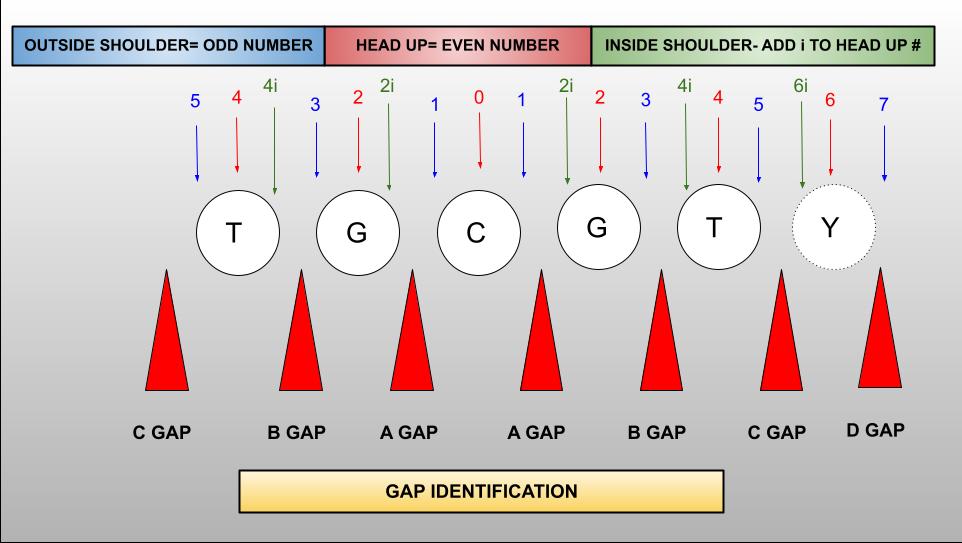
- Zero Technique (0-technique): This defensive lineman aligns directly over the center, aiming to occupy him and disrupt the snap.
- One Technique (1-technique): This lineman aligns directly over the nose of the offensive guard.
- Two Technique (2-technique): This lineman aligns in the gap directly outside the offensive guard, between the guard and the offensive tackle. This is often referred to as the “A gap” or “B gap” depending on the offensive formation and the numbering system.
- Four Technique (4-technique): This defensive lineman aligns directly outside the offensive tackle, in the “C gap” or “D gap.”
The three technique, therefore, occupies a specific space that bridges the gap between the interior and the edge of the offensive line’s immediate threat zone. This positioning makes them uniquely positioned to exploit weaknesses in the offensive line’s structure.
Strategic Imperatives of the Three Technique
The three technique is not merely a static position; it’s a dynamic role that underpins many successful defensive strategies. Its effectiveness can dictate the flow of a game.
The Role in Run Defense
In run defense, the three technique is a linchpin. Their ability to shed blocks, maintain gap integrity, and pursue the ball carrier is paramount.
- Spreading the Offensive Line: A dominant three technique can force offensive linemen to widen their stance and their focus, making it harder for them to effectively block interior defenders and tight ends. This creates opportunities for other defensive players to make plays.
- Stopping Inside Runs: The most common goal for a three technique in run defense is to prevent the ball carrier from gaining positive yardage between the tackles. They are the first line of defense against power running schemes that aim to pound the ball up the middle.
- Pursuit Angles: While their primary responsibility is their gap, a good three technique must also understand pursuit angles. If the ball carrier breaks outside their gap, they need to be able to transition into a pursuit role to make a tackle. This requires exceptional athleticism and football IQ.
The Importance in Pass Rush
When it comes to pass rushing, the three technique is often a direct threat to the quarterback. Their alignment offers a relatively clear path to the pocket.
- Interior Pressure: Interior pass rushers are often more effective at creating “hurries” and sacks because they are closer to the quarterback. The three technique is in a prime position to exploit a slower offensive lineman or a quarterback holding the ball too long.
- Disrupting the Pocket: Even if the three technique doesn’t record a sack, their pressure can force the quarterback to step up into the pocket, where they might encounter other defensive linemen or linebackers. This “dirtying up the pocket” is a critical component of effective pass rush schemes.
- One-on-One Matchups: A highly skilled three technique lineman can often win one-on-one matchups against their offensive guard. This frees up blitzers from other levels of the defense and puts immense pressure on the offensive line’s ability to protect the passer.
Impact on Offensive Game Planning
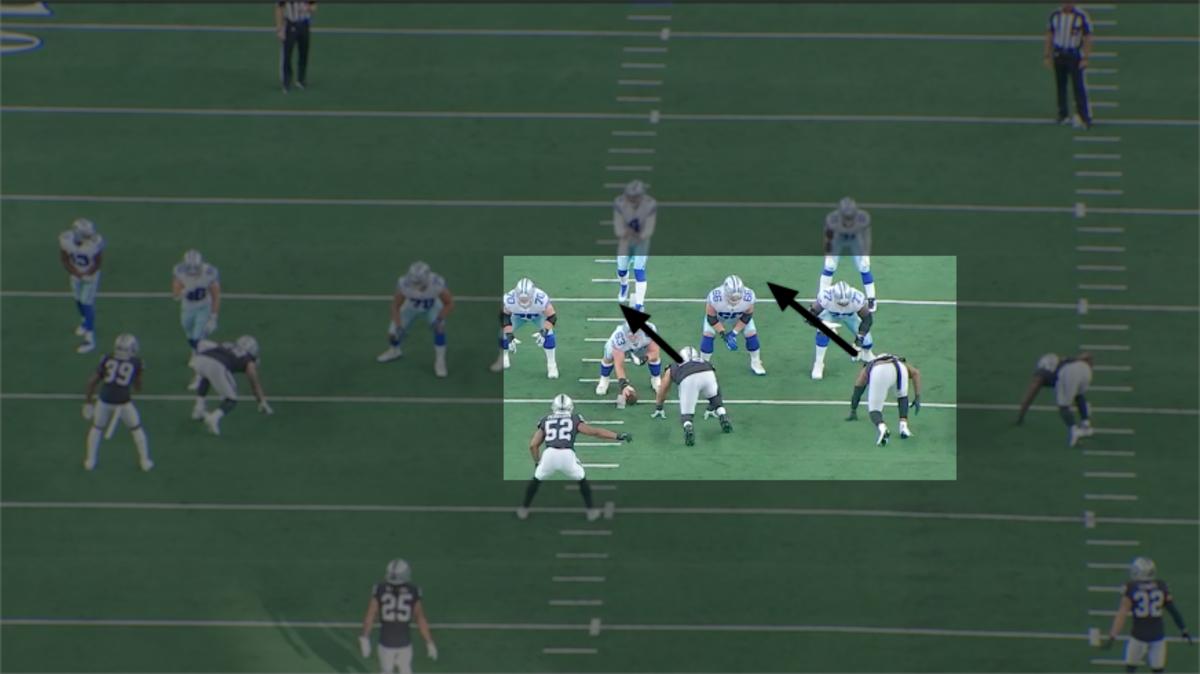
The presence of a fearsome three technique forces offensive coordinators to significantly alter their game plans.
- Double Teams: Offensive linemen will often be instructed to “double team” a dominant three technique, meaning both the guard and the tackle will attempt to block him simultaneously. This can free up a linebacker to blitz or pursue.
- “Slide Protection”: Teams will often “slide protection” towards the three technique, sending their tight end or running back to help block that side of the line. This is a clear indication of the threat this single player poses.
- Limiting Play-Calling: If a team struggles to handle the three technique, the offensive coordinator may be forced to abandon certain run plays or pass concepts that rely on strong interior protection.
Skills and Attributes of a Dominant Three Technique
The three technique is one of the most physically and mentally demanding positions on the defensive line. It requires a unique blend of size, strength, speed, and intelligence.
Physical Requirements
- Size and Strength: Three technique defensive tackles are typically built for power. They need to be stout enough to anchor against the run and strong enough to shed blocks, often from larger offensive linemen. A typical weight range might be between 280 and 320 pounds, though this can vary.
- Explosiveness and Agility: Despite their size, three technique players must be explosive off the snap and possess excellent agility. This allows them to quickly penetrate gaps, change direction, and evade blockers. Quick feet and good hip flexibility are essential for shedding blocks and pursuing the ball.
- Hand Strength and Technique: Powerful and precise hand strikes are crucial for a three technique. They use their hands to disengage from blockers, create space, and shed blocks effectively. Mastering various hand techniques, such as chops, swipes, and presses, is vital.
Mental Acumen and Football IQ
Beyond raw physical talent, the three technique player must be a student of the game.
- Reading Offensive Lines: The ability to diagnose offensive line schemes and recognize blocking tendencies is paramount. A smart three technique can anticipate plays and react accordingly, rather than simply being a reactive force.
- Understanding Formations and Tendencies: Knowing how different offensive formations typically run the ball or pass the ball, and understanding the tendencies of specific offensive linemen, gives the three technique a significant advantage.
- Situational Awareness: The three technique needs to understand down and distance, game situation, and the opponent’s offensive strengths and weaknesses. This informs their approach on any given snap.
- Discipline: Maintaining gap discipline is non-negotiable. Wandering from their assigned gap can lead to significant gains for the offense.
Evolution and Adaptations of the Three Technique in Modern Football
The game of football is constantly evolving, and so too are the roles and expectations of players within it. The three technique position has seen its own adaptations in response to changing offensive and defensive strategies.
The Rise of the “Pass Rush Specialist” Three Technique
In today’s pass-heavy NFL, there’s an increasing emphasis on generating pressure from the interior. This has led to the emergence of more athletic and pass-rush-oriented three technique defensive tackles.
- Quickness and Speed: These players prioritize explosiveness and agility over sheer brute strength, aiming to beat offensive linemen with speed and technique rather than overpowering them.
- Variety of Pass Rush Moves: They often possess a wider array of pass-rush moves, including spins, swims, and bull rushes, to keep offensive linemen off balance.
- Focus on Disruption: While sacks are the ultimate goal, these players are also highly valued for their ability to create consistent pressure and hurries, even if they don’t always finish the play with a sack.
Adapting to Spread Offenses and Zone Schemes
Modern offenses often employ spread formations and zone blocking schemes that present different challenges for interior defensive linemen.
- Lateral Movement: Against zone schemes, the three technique needs to be adept at moving laterally, flowing with the blockers, and pursuing the ball carrier to the perimeter.
- Gap Discipline in Open Space: Maintaining gap integrity becomes more challenging when the offensive line is spreading out. The three technique must be able to diagnose the ball’s location and react quickly, often in more open space.
- Versatility: The ideal three technique in today’s game is often versatile enough to play both run and pass downs effectively, without being a liability in either situation.
The “Hybrid” Defensive Lineman
Many defensive schemes now utilize “hybrid” defensive linemen who can play multiple techniques and positions depending on the formation and down.
- Flexibility: A player who can effectively play the three technique, the four technique, or even an inside-outside rush role offers a coach invaluable flexibility.
- Exploiting Matchups: This versatility allows defensive coordinators to move players around to exploit favorable matchups against the offensive line.
- Adapting to Scheme: The three technique is no longer a siloed position. Its success is often intertwined with the effectiveness of the defensive scheme as a whole, requiring constant communication and adjustment.
In conclusion, the three technique in football is a cornerstone of defensive strategy. It demands a unique combination of physical gifts, mental acuity, and technical skill. Understanding this position is key to appreciating the intricate chess match that unfolds on the gridiron, where the disruption and dominance of the three technique can significantly shape the outcome of a game. As football continues to evolve, so too will the role of the three technique, demanding even greater athleticism, intelligence, and adaptability from those who inhabit this critical position.
aViewFromTheCave is a participant in the Amazon Services LLC Associates Program, an affiliate advertising program designed to provide a means for sites to earn advertising fees by advertising and linking to Amazon.com. Amazon, the Amazon logo, AmazonSupply, and the AmazonSupply logo are trademarks of Amazon.com, Inc. or its affiliates. As an Amazon Associate we earn affiliate commissions from qualifying purchases.