
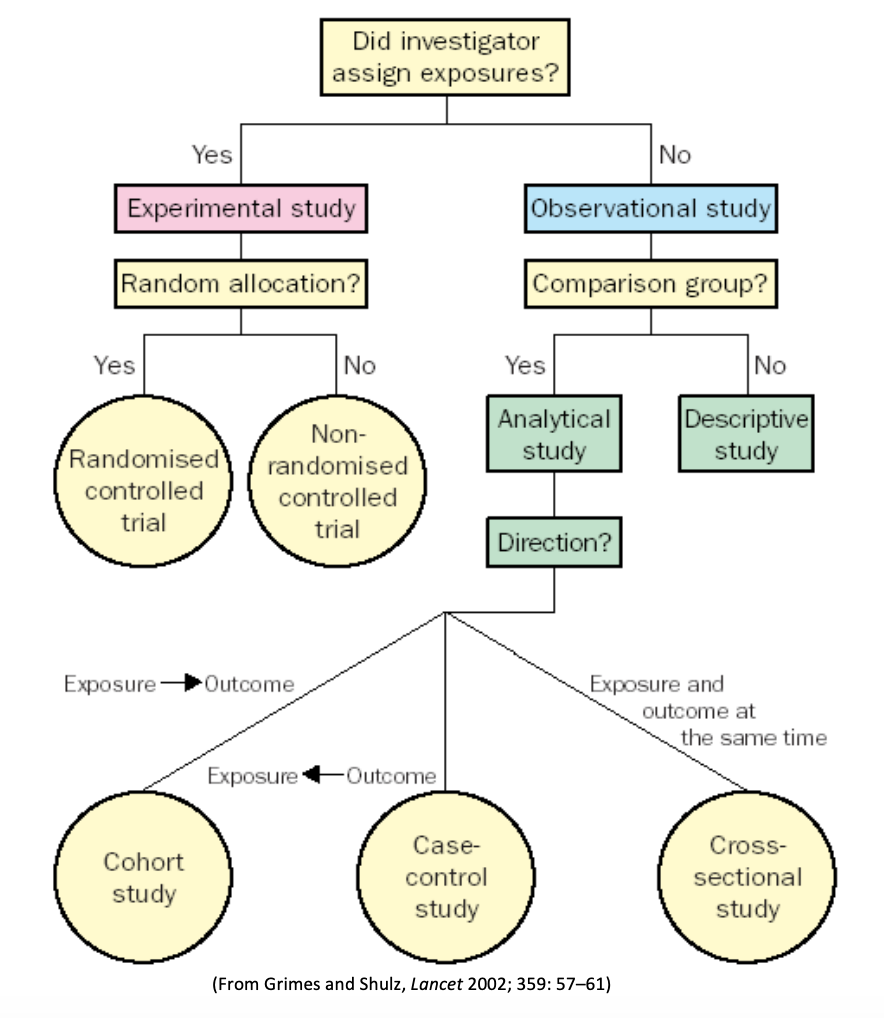
In the rapidly evolving landscape of technology, the difference between a revolutionary software product and a failed application often lies in the quality of the research behind it. At the heart of this research is a concept known as “study design.” While the term originated in the scientific and medical communities, it has become a cornerstone of modern tech development, User Experience (UX) research, and data science. In a tech context, a study design is the comprehensive framework or “blueprint” used to collect, measure, and analyze data to solve a specific problem or validate a new feature.

Without a robust study design, tech companies risk building products based on assumptions rather than evidence. Whether a startup is testing a new AI algorithm or a multinational corporation is optimizing its cloud interface, the study design ensures that the data gathered is reliable, valid, and actionable. It dictates how users are selected, how variables are controlled, and how results are interpreted, ultimately guiding the technological roadmap toward success.
Foundations of Digital Study Design: Navigating the Tech Research Landscape
To understand study design within the tech niche, one must first recognize that it serves as the bridge between a theoretical idea and a functional digital solution. In software development and digital product design, a study design acts as a structured plan to answer a specific question, such as “Does this new UI layout increase user retention?” or “How does our AI handle edge cases in natural language processing?”
Qualitative vs. Quantitative Research Frameworks
The first step in any tech-focused study design is choosing between qualitative and quantitative approaches—or, more commonly, a hybrid of both.
Quantitative study designs are the backbone of data-driven tech environments. They focus on numerical data and metrics: click-through rates, latency times, bounce rates, and active user counts. These designs are highly structured and are used to identify patterns and averages across large user bases. For example, a quantitative study might measure how a software update affects the processing speed of a mobile app across 10,000 devices.
Qualitative study designs, on the other hand, delve into the “why” behind the numbers. In UX and software design, this involves observing how users interact with a prototype or conducting deep-dive interviews to understand their pain points. This approach is less about statistics and more about empathy and behavioral insights. A well-rounded tech study design often uses qualitative research to identify a problem and quantitative research to measure the scale of that problem.
The Role of Hypothesis in Tech Iteration
A core component of any study design is the formulation of a hypothesis. In the tech sector, this is usually a predictive statement regarding a software change or a new tool. For instance, a tech lead might hypothesize that “implementing a biometric login feature will reduce the average login time by 40%.” The study design is then built specifically to test this hypothesis, ensuring that the variables—such as device types, network speeds, and user demographics—are accounted for to prevent skewed results.
Core Methodologies in Modern Tech Research
Once the foundation is set, the specific methodology of the study design must be chosen. In the tech industry, certain frameworks have become industry standards due to their efficiency in fast-paced, agile environments.
A/B Testing and Multivariate Frameworks
A/B testing is perhaps the most ubiquitous form of study design in the software world. It is a comparative study where two versions of a digital product (A and B) are shown to different groups of users simultaneously. The goal is to determine which version performs better based on specific KPIs (Key Performance Indicators).
Multivariate testing takes this a step further by testing multiple variables in various combinations to see which specific elements contribute most to the desired outcome. For a SaaS (Software as a Service) platform, a multivariate study design might test different headlines, button colors, and pricing tiers all at once to find the optimal conversion path.
Longitudinal Studies for Software Lifecycle Management
While A/B testing provides immediate snapshots of performance, longitudinal study designs track the same group of users or system performance metrics over an extended period. This is critical in tech for understanding “churn” (user loss) and long-term engagement.
For example, when a company releases a new AI-powered productivity tool, a longitudinal study design helps researchers see how user habits evolve over six months. Do they continue to use the AI features, or do they revert to old manual habits? This type of study design is essential for product managers who need to ensure the longevity and sustainability of their software in a crowded market.
Usability Testing and Heuristic Evaluations
In the realm of UX and interface design, the “Usability Study Design” focuses on the interaction between the human and the machine. This involves task-based scenarios where users are asked to complete specific actions within an app or website. Researchers observe where users stumble, where the navigation is unintuitive, and where the digital experience breaks down. By designing these studies with rigorous controls, tech teams can refine their software’s “flow” before a single line of final production code is written.
Leveraging AI and Big Data to Optimize Research Architecture
The integration of Artificial Intelligence and Big Data has revolutionized how tech companies approach study design. We are no longer limited to manual data collection; we can now design studies that leverage real-time analytics and predictive modeling.
Automating the Feedback Loop with AI Tools
Modern study designs often incorporate AI tools that can analyze user sentiment and behavior automatically. For instance, Natural Language Processing (NLP) tools can be integrated into a study design to scan thousands of customer support tickets or app store reviews, categorizing “bugs” and “feature requests” without human intervention. This allows tech researchers to scale their studies to a degree that was previously impossible.
Machine Learning for Pattern Recognition in Data Sets
In complex tech environments—such as cloud architecture or cybersecurity—study designs often deal with datasets too large for human analysis. Machine learning (ML) algorithms can be trained to recognize anomalies or trends within these datasets. When designing a study for a new security protocol, an ML-based design can simulate millions of cyber-attack scenarios, providing a high-fidelity assessment of the protocol’s robustness. This “simulation-based study design” is a growing trend in high-stakes technology development.
Navigating Digital Ethics and Security in Design Frameworks
As technology becomes more integrated into our daily lives, the ethics of study design have moved to the forefront. A professional study design in the tech niche must prioritize data privacy and ethical considerations to maintain user trust and comply with global regulations.
Privacy by Design and GDPR Compliance
In any study design involving user data, the concept of “Privacy by Design” is non-negotiable. This means that data protection is integrated into the research framework from the very beginning. Whether it’s anonymizing IP addresses in a website traffic study or ensuring end-to-end encryption in a beta-testing group for a messaging app, the study design must account for legal frameworks like GDPR (General Data Protection Regulation) and CCPA (California Consumer Privacy Act).
Mitigating Algorithmic Bias
One of the most significant challenges in modern tech study design is preventing bias, particularly in AI and machine learning. If a study design for a facial recognition tool only uses data from a specific demographic, the resulting technology will be flawed and biased. Professional tech researchers now include “bias audits” within their study designs, ensuring that the data samples used to train and test software are diverse and representative. This commitment to inclusive study design is not just an ethical choice; it is a business necessity for creating globally viable tech products.

Conclusion: The Future of Iterative Design
A study design is far more than a academic exercise; in the world of technology, it is the fundamental architecture of innovation. By meticulously planning how software is tested, how users are observed, and how data is analyzed, tech companies can move beyond guesswork and build products that truly solve problems.
As we look toward the future, study designs will become increasingly dynamic, utilizing real-time AI feedback and virtual simulations to refine digital experiences in milliseconds. For the developers, designers, and tech leaders of today, mastering the art and science of study design is the key to creating the next generation of transformative technology. Whether you are launching a simple app or a complex neural network, remember: the strength of your tech is only as good as the design of the study that validated it.
aViewFromTheCave is a participant in the Amazon Services LLC Associates Program, an affiliate advertising program designed to provide a means for sites to earn advertising fees by advertising and linking to Amazon.com. Amazon, the Amazon logo, AmazonSupply, and the AmazonSupply logo are trademarks of Amazon.com, Inc. or its affiliates. As an Amazon Associate we earn affiliate commissions from qualifying purchases.