
In the realm of audio technology, the term “stereo” is ubiquitous, conjuring images of immersive soundscapes and a richer listening experience. But what exactly defines stereo sound, and how has it evolved from its nascent stages to the sophisticated systems we enjoy today? This article delves into the technical underpinnings of stereo audio, exploring its fundamental principles, the hardware that enables it, and its profound impact on how we consume and appreciate sound.
The Genesis of Stereo: Beyond Mono
The concept of stereo, short for stereophonic sound, emerged as a direct response to the limitations of monaural (mono) sound. Mono audio, by its very nature, presents sound as if it were emanating from a single point. While functional, it lacks the spatial depth and realism that our natural hearing possesses. Our ears are naturally designed to perceive sound from multiple directions, allowing us to pinpoint the source of a noise, differentiate between instruments in an orchestra, and appreciate the subtle nuances of a live performance.

The Illusion of Space
Stereo sound aims to replicate this natural auditory perception by introducing the illusion of space and directionality. This is achieved by capturing, processing, and reproducing audio using at least two independent audio channels. Each channel carries a slightly different audio signal, which, when played back through two separate speakers (or headphones), stimulates our auditory system in a way that creates a sense of width, depth, and position for each sound element. The listener’s brain then interprets these differences, constructing a three-dimensional soundstage.
The Psychoacoustic Effect
The effectiveness of stereo lies in a phenomenon known as the psychoacoustic effect. Our brains are adept at interpreting subtle differences in the timing and intensity of sound waves reaching each ear. When slightly different signals are presented to the left and right ears, the brain perceives these variations as the sound originating from distinct locations. This is often referred to as the “phantom image” effect, where a sound can appear to originate from a point precisely between the two speakers, even though no actual speaker is located there. The brain “fills in the gaps,” creating a more believable and engaging auditory experience.
Key Principles of Stereo Reproduction
At its core, stereo reproduction relies on a few fundamental principles:
- Spatial Separation: The use of at least two audio channels is paramount. These channels are typically designated as “left” and “right,” corresponding to the respective speakers.
- Interchannel Differences: The critical element that creates the stereo effect is the intentional difference between the audio signals fed to the left and right channels. These differences can manifest in several ways:
- Intensity Differences (Level Differences): A sound source positioned closer to one speaker will naturally be louder in that speaker than in the other.
- Timing Differences (Phase Differences/Arrival Time Differences): Sound waves from a source off-center will reach one ear (and thus one speaker) slightly before the other. These minuscule timing discrepancies are crucial for directional cues.
- Frequency Content Differences: In some cases, the spectral balance of a sound can be subtly altered between channels, contributing to perceived spatial cues.
These interchannel differences, whether intentionally introduced during recording or arising from the physical placement of microphones, are the building blocks of the stereo soundstage.
The Evolution of Stereo Hardware: From Records to Digital
The journey of stereo technology is intrinsically linked to the evolution of audio playback hardware. From the early days of vinyl records to the sophisticated digital audio players of today, the methods of capturing, storing, and reproducing stereo sound have undergone significant transformations.
Early Stereo Recording and Playback
The first practical stereo recording techniques emerged in the late 1930s, but it wasn’t until the 1950s that stereo LPs (Long Playing records) became widely available to consumers. This was a monumental shift from the mono records that had dominated the market.
- Vinyl and the Stereo Groove: Stereo vinyl records utilize a single groove, but this groove is cut in a “V” shape, with each wall of the “V” carrying a separate audio channel. The stylus within the turntable cartridge then picks up these independent vibrations from each wall, converting them into electrical signals for the left and right channels. This ingenious mechanical solution allowed for true stereo playback from a single physical medium.
- The Two-Channel Amplifier and Speakers: To experience stereo from vinyl, a compatible stereo amplifier and two speakers were necessary. The amplifier takes the separate signals from the cartridge and amplifies them independently for each channel, sending them to their respective speakers. The placement of these speakers, typically equidistant from the listener and at ear level, is crucial for creating the intended stereo image.
The Rise of Magnetic Tape and Broadcasting
Magnetic tape also played a pivotal role in the development of stereo. Multi-track recording techniques on tape allowed for more precise control over individual instruments and vocal performances, making it easier to create complex stereo mixes. Stereo broadcasting, particularly in FM radio, further democratized stereo sound, bringing it into millions of homes.
Digital Audio and the Stereo Standard
The advent of digital audio, beginning with the Compact Disc (CD) in the early 1980s, solidified stereo as the de facto standard for high-fidelity audio. Digital technology offered significant advantages in terms of clarity, dynamic range, and the ability to precisely control and manipulate audio signals.
- Digital Audio Workstations (DAWs): Modern music production relies heavily on Digital Audio Workstations (DAWs), software applications that allow engineers to record, edit, mix, and master audio in stereo with incredible precision. These tools offer a vast array of effects and processing capabilities that can be applied independently to the left and right channels to enhance the stereo image.
- Stereo Codecs and File Formats: Digital audio files, such as WAV, FLAC, and MP3, all support stereo configurations. They store two separate streams of digital audio data that are decoded by playback devices to reproduce the stereo soundstage.
- Home Theater Systems and Surround Sound: While the focus here is on traditional stereo, it’s worth noting that stereo serves as the foundational element for more complex multi-channel audio formats like surround sound. These systems build upon the stereo principle by adding even more channels to create a truly immersive, 360-degree audio experience.

The Technical Components of a Stereo System
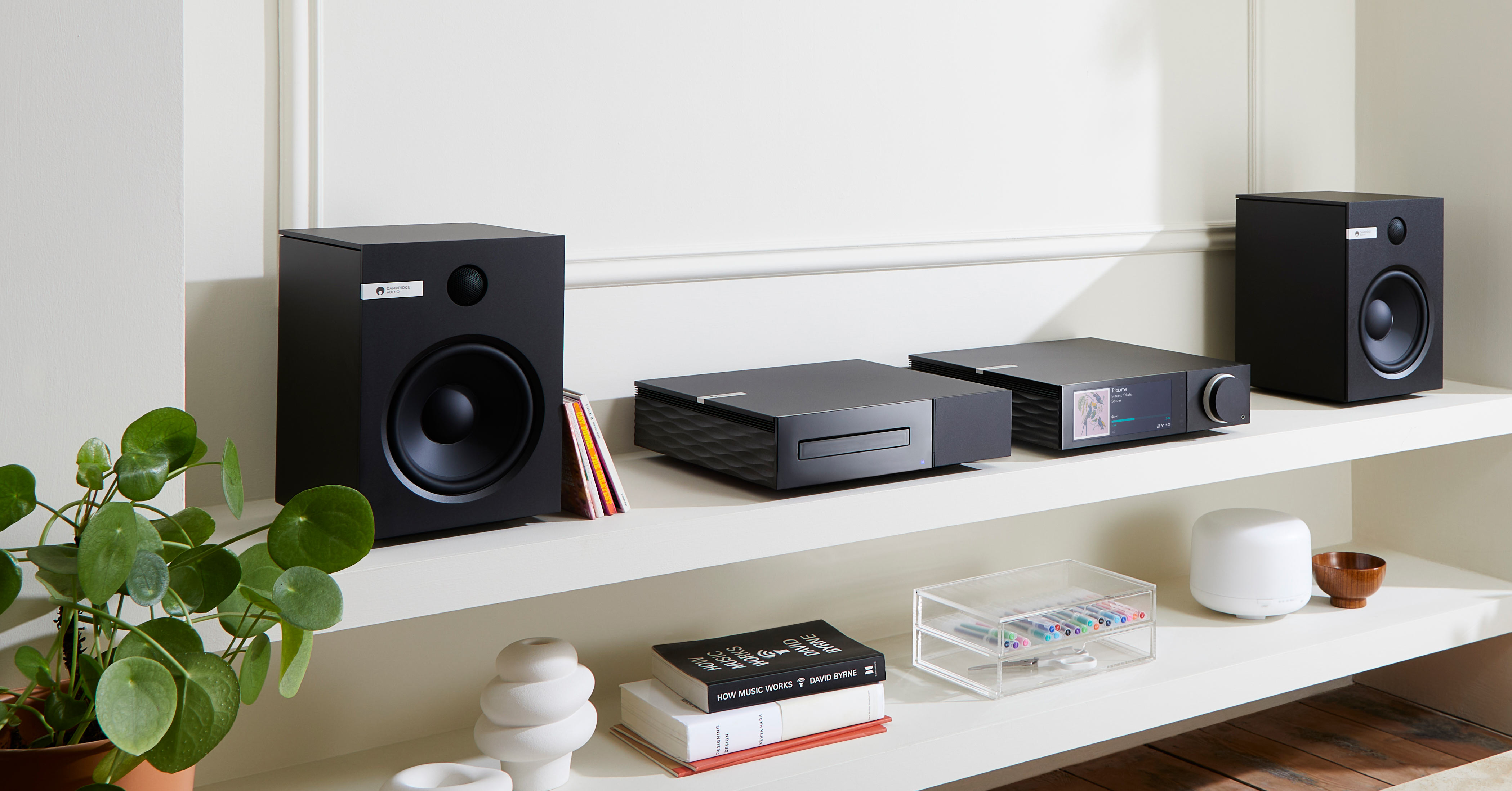
Understanding the core components of a stereo system is key to appreciating how stereo sound is realized. While the specific implementations can vary widely, the fundamental elements remain consistent.
The Source Component
This is where the audio signal originates. In a traditional stereo system, this could be:
- Turntable: For vinyl records.
- CD Player: For Compact Discs.
- Streamer/Digital Audio Player (DAP): For digital music files or streaming services.
- Computer/Smartphone: Acting as a source via audio output.
The source component’s primary role is to convert the stored or streamed audio data into an analog electrical signal that can be processed by the amplifier.
The Amplifier
The amplifier is the heart of the stereo system. It takes the relatively weak electrical signal from the source component and boosts it to a level powerful enough to drive loudspeakers.
- Pre-Amplifier Stage: This section of the amplifier handles initial signal conditioning, volume control, and tone adjustments (bass, treble).
- Power Amplifier Stage: This is where the signal is significantly amplified to provide the power needed to move the speaker cones and produce audible sound.
- Stereo Amplifiers: Crucially, a stereo amplifier has two distinct channels, ensuring that the independent left and right signals are processed and amplified separately.
The Speakers
Speakers are the transducers that convert the amplified electrical signals back into acoustic sound waves that we can hear.
- Driver Units: Within each speaker cabinet are one or more driver units (e.g., woofers for low frequencies, mid-range drivers, tweeters for high frequencies). Each driver is responsible for reproducing a specific range of frequencies.
- Cabinet Design: The enclosure (cabinet) in which the drivers are housed plays a vital role in the overall sound quality, influencing bass response and acoustic performance.
- Stereo Speaker Placement: As mentioned earlier, the correct placement of stereo speakers is critical. They should ideally form an equilateral triangle with the listener, with the speakers angled slightly inward towards the listening position. This configuration optimizes the stereo image and ensures the best spatial separation.
The Impact and Significance of Stereo Audio
The introduction and widespread adoption of stereo audio have had a profound and lasting impact on how we experience music, film, and virtually all forms of audio content.
Enhancing Musical Immersion
For music lovers, stereo sound transformed passive listening into an active and engaging experience.
- Instrument Separation and Clarity: Stereo allows individual instruments and vocalists to be placed distinctly within the soundstage, creating a sense of realism and clarity that was impossible with mono. Listeners can more easily discern the interplay between different instruments in an ensemble or choir.
- Sense of Presence and Depth: The ability to perceive sounds from left to right, and to some extent from front to back, imbues music with a sense of presence and depth, making it feel more lifelike and captivating.
- Artistic Intent: Stereo recording and mixing techniques have become an integral part of artistic expression. Producers and engineers use the stereo field as a canvas, creatively positioning sounds to evoke specific emotions and sonic landscapes.
Revolutionizing Film and Television Sound
The cinematic experience has been dramatically enhanced by stereo sound.
- Dialogue Clarity and Localization: In films, dialogue is typically placed centrally, but ambient sounds, sound effects, and music can be strategically panned left and right to create a more dynamic and believable soundscape. This helps to draw the viewer into the on-screen action.
- Immersive Soundtracks: Stereo soundtracks, and subsequently surround sound, allow for the creation of rich and detailed auditory environments that complement the visual storytelling. The roar of an engine, the rustle of leaves, or the distant echo of footsteps can all contribute significantly to the mood and atmosphere of a scene.
The Future of Stereo and Beyond
While surround sound and object-based audio formats continue to push the boundaries of immersive audio, stereo remains the foundational technology and the most widely used standard for audio reproduction. Its enduring appeal lies in its ability to deliver a rich and spatially convincing sound experience with relatively simple hardware. As audio technology continues to evolve, the principles of stereo will undoubtedly continue to inform and shape the way we interact with sound, ensuring that the illusion of space and depth remains a cornerstone of our auditory world. Whether enjoying a favorite album, watching a blockbuster film, or engaging with interactive media, stereo audio continues to enrich our lives by bringing sound to life with remarkable realism and depth.
aViewFromTheCave is a participant in the Amazon Services LLC Associates Program, an affiliate advertising program designed to provide a means for sites to earn advertising fees by advertising and linking to Amazon.com. Amazon, the Amazon logo, AmazonSupply, and the AmazonSupply logo are trademarks of Amazon.com, Inc. or its affiliates. As an Amazon Associate we earn affiliate commissions from qualifying purchases.