
Understanding the Role and Responsibilities of the Sergeant First Class
The United States Army is a vast and complex organization, comprised of individuals who dedicate their careers to serving their country. Within this intricate structure, various ranks and specialties exist, each with its own set of responsibilities and significance. One such rank, often encountered and respected for its experience and leadership, is that of the Sergeant First Class (SFC). While the title itself might be straightforward, understanding the multifaceted role, the progression to achieve it, and the impact an SFC has within the Army requires a deeper dive. This article aims to demystify the SFC rank, exploring their journey, duties, and the crucial contributions they make to the Army’s operational effectiveness and personnel development.

The Path to Sergeant First Class: A Journey of Experience and Dedication
Achieving the rank of Sergeant First Class is not a matter of chance; it is the culmination of years of dedicated service, demonstrated leadership, and continuous professional development. Unlike junior enlisted ranks that are often attained through basic training and initial schooling, the SFC rank signifies a seasoned professional who has proven their mettle in various operational environments and leadership positions.
Enlisted Ranks Progression
The journey to SFC typically begins with enlisting in the Army and progressing through the junior enlisted ranks. This initial phase involves mastering fundamental soldiering skills, adapting to military life, and demonstrating potential for growth. Soldiers start as Privates (E-1), and through a combination of time in service, successful completion of training, and performance evaluations, they move through ranks like Private First Class (E-3), Specialist (E-4), Sergeant (E-5), and Staff Sergeant (E-6). Each promotion requires meeting specific criteria, including possessing the necessary skills, demonstrating leadership capabilities, and passing promotion boards.
The NCO Corps: A Foundation of Leadership
The ranks of Sergeant (E-5) and above constitute the Non-Commissioned Officer (NCO) Corps. This corps forms the backbone of the Army’s leadership structure. NCOs are responsible for the training, welfare, discipline, and morale of their Soldiers. They are the link between the commissioned officers, who plan and direct operations, and the enlisted personnel who execute them. As Soldiers ascend through the NCO ranks, their leadership responsibilities become more pronounced and their technical expertise more refined. The Sergeant First Class is a senior NCO, occupying a position of significant influence and authority within this critical corps.
Time in Service and Merit-Based Advancement
While time in service is a factor in promotion, advancement to SFC is heavily reliant on merit. Soldiers are evaluated on their performance, leadership potential, technical proficiency in their Military Occupational Specialty (MOS), and their ability to mentor and develop junior Soldiers. Formal schooling, such as the Basic Leader Course (BLC), Advanced Leader Course (ALC), and the Sergeants Major Academy (SGM-A) – though not directly for SFC, the foundational training for leadership development starts early – play a vital role in preparing Soldiers for the complexities of leadership at higher ranks. SFCs are expected to have a deep understanding of their MOS and the ability to apply that knowledge in diverse and challenging scenarios.
The Multifaceted Role of a Sergeant First Class
A Sergeant First Class is a highly experienced and technically proficient leader who operates at a crucial intersection of tactical execution and strategic guidance. Their responsibilities extend far beyond managing a small team; they are instrumental in training, mentoring, planning, and ensuring the readiness of units. The SFC acts as a vital link within the chain of command, translating the commander’s intent into actionable plans and overseeing their successful implementation.
Technical Expertise and MOS Mastery
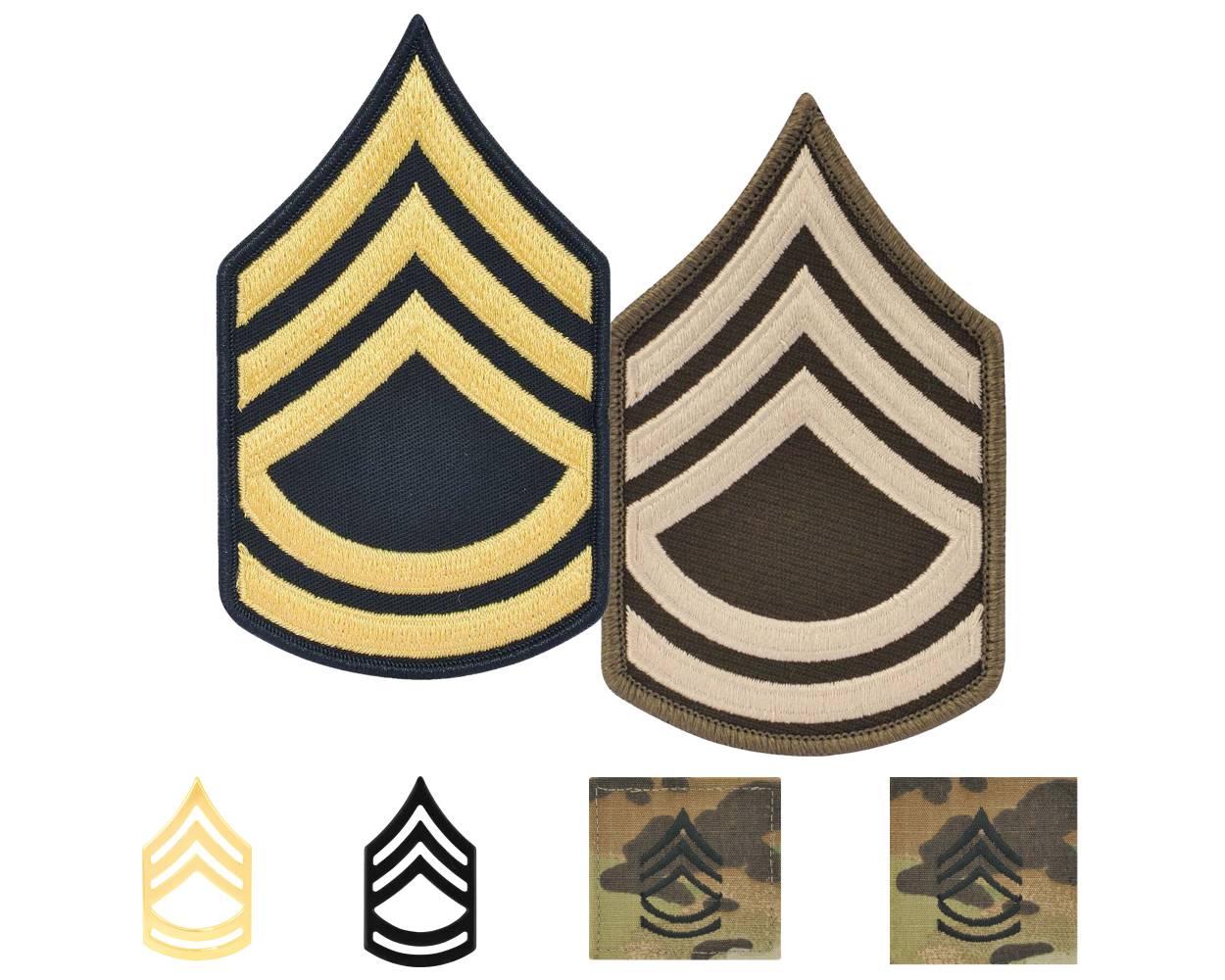
One of the defining characteristics of an SFC is their profound mastery of their Military Occupational Specialty (MOS). Whether they are infantrymen, mechanics, signal specialists, or intelligence analysts, SFCs are recognized as subject matter experts within their fields. They have likely served in multiple duty assignments, gained extensive practical experience, and undergone advanced training specific to their MOS. This deep technical knowledge allows them to not only perform their duties with exceptional skill but also to train and mentor junior Soldiers, ensuring that the unit possesses the necessary technical capabilities to accomplish its mission. They are often sought out for their advice and guidance on complex technical issues.
Leadership and Personnel Development
As senior NCOs, SFCs bear a significant responsibility for the leadership development of junior Soldiers and NCOs. They are tasked with identifying high-potential individuals, providing them with opportunities for growth, and mentoring them to become future leaders. This includes conducting formal training, providing on-the-job coaching, and fostering an environment that encourages learning and professional development. SFCs are often responsible for conducting performance evaluations, counseling Soldiers on their strengths and weaknesses, and guiding them through their career paths. Their ability to inspire, motivate, and develop their subordinates is paramount to maintaining a highly effective and cohesive fighting force.
Operational Planning and Execution
While commissioned officers are primarily responsible for strategic planning and directing operations, SFCs play a critical role in the detailed planning and successful execution of those operations. They contribute their tactical expertise, practical understanding of unit capabilities, and experience from previous missions to inform the planning process. SFCs are often the ones who translate the commander’s intent into specific tasks for their teams, develop detailed timelines, and ensure that all logistical and operational requirements are met. During operations, they are on the ground, supervising, problem-solving, and ensuring that the mission is carried out effectively and safely. Their presence provides crucial oversight and tactical acumen.
Beyond the Rank: Impact and Significance of an SFC
The Sergeant First Class is more than just a rank; it represents a level of experience, dedication, and leadership that has a profound impact on the Army. Their contributions extend across multiple facets of military life, influencing unit effectiveness, soldier welfare, and the overall institutional knowledge of the Army.
Mentorship and Institutional Knowledge
SFCs are the custodians of the Army’s institutional knowledge and the primary conduits for mentorship. They have seen the Army evolve, experienced different operational environments, and learned from both successes and failures. This wealth of experience allows them to provide invaluable guidance to junior Soldiers and NCOs, helping them navigate the challenges of military service, understand Army traditions and values, and develop into well-rounded professionals. Their mentorship fosters a sense of continuity and ensures that lessons learned are passed down, strengthening the Army’s long-term capabilities. They are the individuals who can explain the “why” behind certain procedures and policies, providing context that a newer Soldier might not possess.
Unit Readiness and Operational Effectiveness
The readiness of any Army unit is directly correlated with the effectiveness of its leadership, and SFCs are central to this equation. Their technical expertise ensures that equipment is maintained and Soldiers are proficient in their MOS, their leadership ensures that personnel are well-trained and motivated, and their involvement in planning ensures that operations are well-conceived and executable. An experienced SFC can identify potential issues before they become critical, troubleshoot complex problems in real-time, and adapt to changing battlefield conditions. Their consistent presence and proactive approach significantly contribute to a unit’s ability to deploy and achieve its objectives successfully.
A Bridge Between Command and Soldier
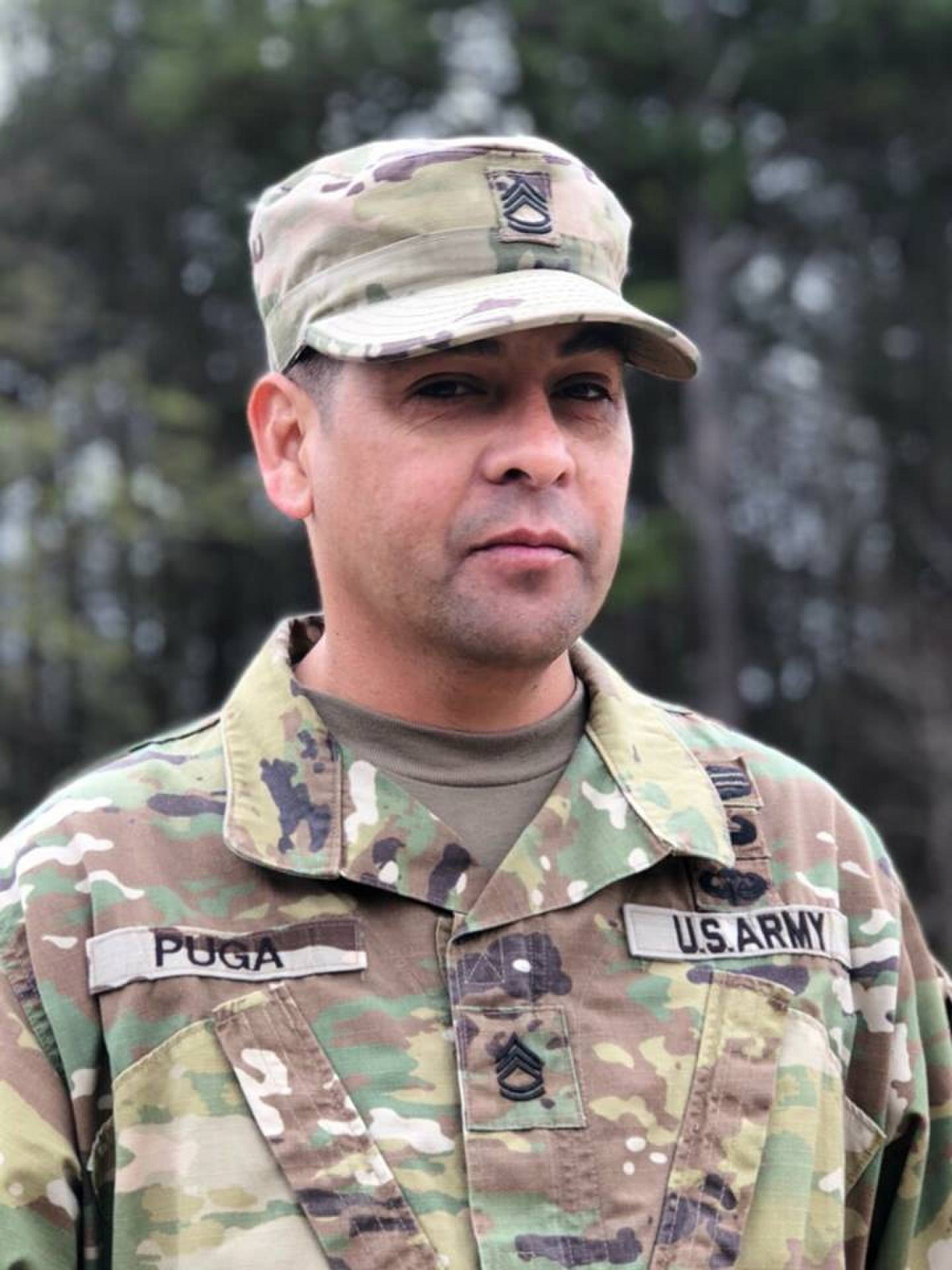
The SFC serves as a vital bridge between the commissioned officer leadership and the enlisted personnel. They are able to interpret and communicate the commander’s vision to the Soldiers in a clear and understandable manner, ensuring that everyone is aligned with the mission. Conversely, they are also responsible for conveying the concerns, needs, and feedback of the Soldiers to the command, advocating for their welfare and ensuring that the leadership is aware of the ground realities. This crucial communication function helps to foster trust, maintain morale, and ensure that the Army operates as a cohesive and effective team. Their ability to understand both perspectives is essential for a healthy and functional unit.
In conclusion, the Sergeant First Class is a rank that embodies decades of dedication, skill, and leadership within the United States Army. They are the seasoned professionals who ensure technical proficiency, foster the next generation of leaders, and drive operational success. Understanding the role of an SFC provides valuable insight into the intricate workings of the Army and highlights the indispensable contributions of its senior enlisted ranks.
aViewFromTheCave is a participant in the Amazon Services LLC Associates Program, an affiliate advertising program designed to provide a means for sites to earn advertising fees by advertising and linking to Amazon.com. Amazon, the Amazon logo, AmazonSupply, and the AmazonSupply logo are trademarks of Amazon.com, Inc. or its affiliates. As an Amazon Associate we earn affiliate commissions from qualifying purchases.