
In the realm of real estate transactions, transparency is paramount. Whether you’re a buyer eagerly anticipating the keys to your new home or a seller aiming for a smooth and ethical transaction, understanding the intricacies of the selling process is crucial. One of the most fundamental and legally significant documents you’ll encounter is the seller’s disclosure. This document serves as a cornerstone of informed decision-making for buyers and a critical component of responsible selling practices.
The Foundation of Transparency: Understanding the Seller’s Disclosure
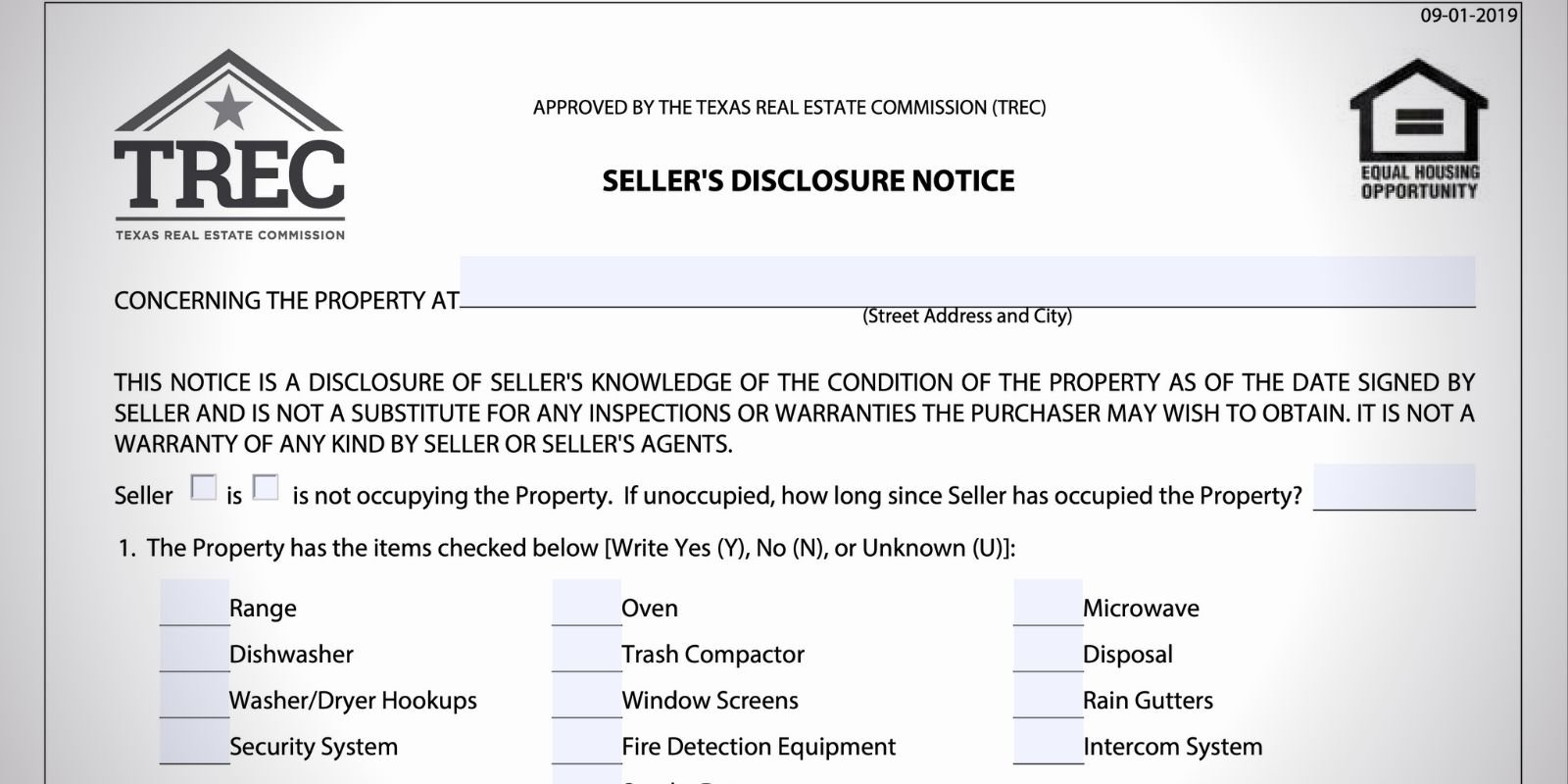
At its core, a seller’s disclosure is a legally mandated document in most jurisdictions that requires sellers to reveal known material defects or issues with their property to potential buyers. It’s not a warranty or a guarantee that the property is in perfect condition, but rather an honest account of what the seller knows to be true about the property’s physical state and any significant circumstances surrounding it. The intent behind this requirement is to empower buyers with sufficient information to make an educated decision about whether to proceed with the purchase, and at what price.
What Constitutes a “Material Defect”?
The term “material defect” is central to the seller’s disclosure. Generally, a material defect is any problem with the property that could significantly impact its value, desirability, or the safety of its occupants. This can encompass a wide range of issues, from obvious structural problems to less apparent but equally important concerns.
Common Categories of Disclosed Issues
While the specifics can vary by state and local regulations, common categories of issues typically covered in a seller’s disclosure include:
- Structural Integrity: This encompasses issues like foundation problems, cracked walls, settling of the house, or roof leaks. Any signs of damage that could compromise the structural soundness of the building fall under this umbrella.
- Plumbing and Electrical Systems: Leaky pipes, recurring clogs, outdated or faulty wiring, electrical panel issues, or problems with water heaters are all significant concerns that must be disclosed. Buyers need to know if they’re inheriting a property with potential for costly repairs in these essential systems.
- HVAC Systems: Malfunctioning heating or cooling systems, frequent breakdowns, or the need for imminent replacement of furnaces or air conditioners are typically reportable items.
- Water Intrusion and Drainage: Evidence of past water damage, persistent dampness in basements or crawl spaces, or drainage issues that could lead to water pooling around the foundation are critical disclosures. This includes problems with sump pumps or grading that directs water away from the house.
- Pest Infestations: Past or present infestations of termites, rodents, or other pests that have caused or could cause structural damage or health concerns need to be reported.
- Environmental Hazards: This can include the presence of lead-based paint, asbestos, mold, radon gas, or underground storage tanks. These pose potential health risks and often require remediation.
- Appliance Functionality: While minor cosmetic issues with appliances might not be material, significant malfunctions or known defects with major appliances like refrigerators, ovens, or dishwashers that are included in the sale should be disclosed.
- Boundary Disputes or Easements: Any known disputes with neighbors regarding property lines or any easements that grant rights of way across the property to others must be disclosed.
- Previous Repairs or Renovations: If significant repairs or renovations have been undertaken, sellers may need to disclose details about them, especially if they were done to address a known issue or if permits were required.
- Permit Violations or Unpermitted Work: Any work done on the property without the necessary permits or that violates building codes is a material disclosure.
It’s important to remember that sellers are generally only obligated to disclose what they know or reasonably should have known. This means they aren’t expected to be licensed inspectors and uncover hidden defects. However, if a problem is apparent or has been previously communicated to them, failing to disclose it can have serious legal repercussions.
Why Is the Seller’s Disclosure So Important?
The seller’s disclosure serves multiple vital purposes for both parties involved in a real estate transaction.
For Buyers: Empowering Informed Decision-Making
For buyers, the seller’s disclosure is an indispensable tool. It provides a foundational understanding of the property’s condition before they commit to a purchase. This allows buyers to:
- Assess Risks and Costs: By understanding potential issues, buyers can estimate future repair and maintenance costs. This helps them determine if the property is a sound financial investment and if they have the budget to address any disclosed problems.
- Negotiate Effectively: If the disclosure reveals issues, buyers can use this information as leverage during negotiations. They might request a lower purchase price, ask the seller to make repairs before closing, or negotiate for credits towards future work.
- Conduct Thorough Inspections: The disclosure acts as a roadmap for home inspectors. Buyers can instruct their inspectors to pay particular attention to areas highlighted in the disclosure, ensuring a more comprehensive assessment.
- Avoid Buyer’s Remorse: A well-informed buyer is less likely to experience regret after the purchase. Knowing the potential challenges upfront allows them to enter the transaction with realistic expectations.
For Sellers: Fostering Trust and Avoiding Liability
For sellers, completing the disclosure accurately and honestly is not just a legal obligation; it’s a pathway to a more ethical and less problematic sale.
- Building Trust: Transparency builds trust with potential buyers. A seller who is upfront about property issues demonstrates integrity, which can make buyers feel more comfortable and confident in their decision.
- Reducing Future Disputes: By disclosing known defects, sellers significantly reduce the likelihood of future lawsuits or disputes after the sale is complete. Buyers generally cannot sue for defects that were already disclosed, even if they were aware of them.
- Facilitating a Smoother Transaction: A disclosure that clearly outlines the property’s condition can streamline the closing process. Buyers who have this information may be less likely to back out of the deal due to unexpected discoveries during their inspections.
- Protecting Against Legal Action: Failing to disclose known material defects can expose sellers to significant legal liability. Buyers may sue for damages, seeking to recover the cost of repairs or even rescinding the sale.
Navigating the Seller’s Disclosure Process
The process of creating and utilizing a seller’s disclosure involves several key steps, from initial completion to its review and integration into the overall transaction.
The Seller’s Responsibility: Completing the Disclosure Accurately
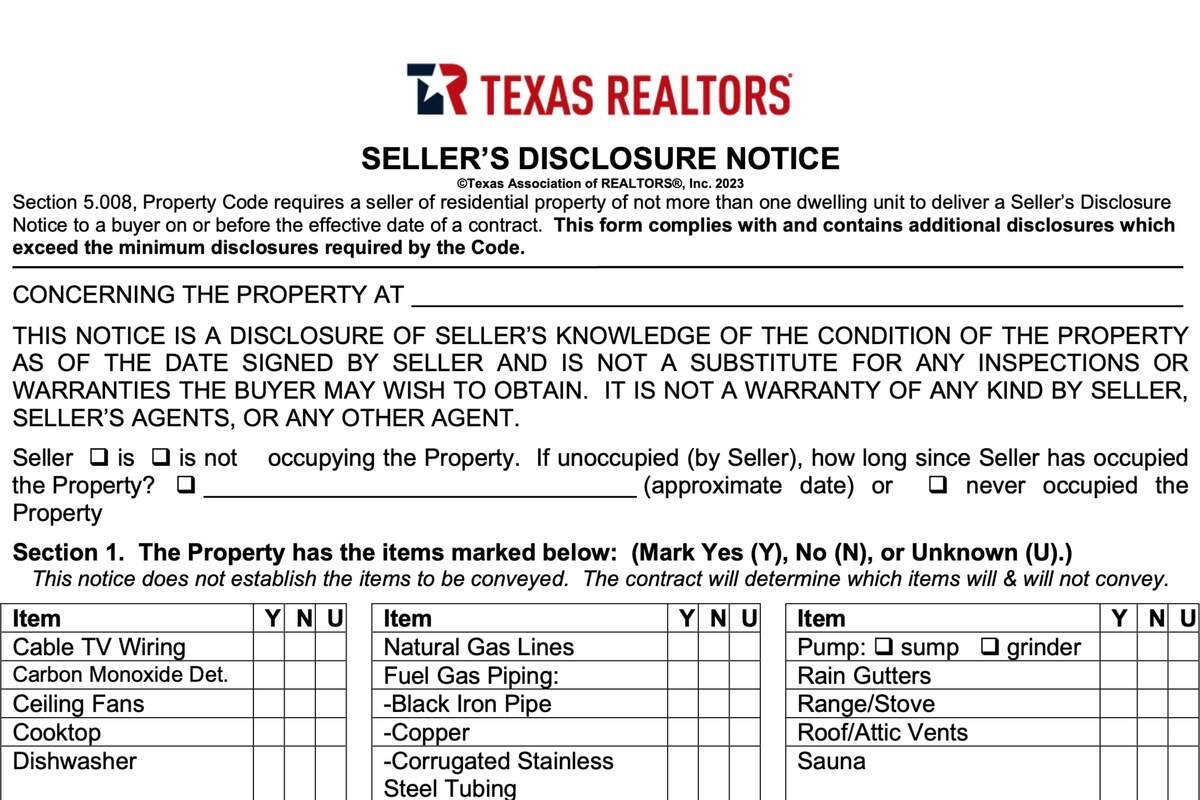
The primary responsibility for completing the seller’s disclosure lies with the seller. This document is typically a standardized form provided by state or local real estate boards or required by law. Sellers must meticulously answer each question to the best of their knowledge.
Best Practices for Sellers
- Be Honest and Thorough: The most crucial advice for sellers is to be completely honest and disclose everything they know, even if it seems minor. It’s better to over-disclose than under-disclose.
- Review Past Records: Sellers should review old repair bills, inspection reports, and any correspondence related to the property’s condition. This can help jog their memory about past issues.
- Consult with Your Real Estate Agent: Experienced real estate agents are invaluable resources. They can guide sellers through the disclosure process, explain the nuances of what needs to be disclosed, and ensure the document is completed correctly.
- Don’t Guess: If a seller is genuinely unsure about an issue, they should consult with a qualified professional (e.g., a plumber, electrician, or structural engineer) or indicate that they are “unknown” on the disclosure form, rather than guessing.
- Disclose Even After Repairs: If a seller has previously disclosed an issue and subsequently repaired it, they should still note the original issue and indicate that it has been repaired. This provides a complete history.
The Buyer’s Role: Reviewing and Verifying Information
Once the seller provides the disclosure, the buyer’s role is to carefully review and verify the information presented. This is where the buyer’s due diligence truly begins.
Key Steps for Buyers
- Read Carefully: Buyers should read every section of the disclosure document thoroughly. Don’t skim or assume you understand.
- Ask Questions: If anything on the disclosure is unclear, ambiguous, or concerning, buyers should ask their real estate agent and the seller for clarification.
- Cross-Reference with Inspections: As mentioned, the disclosure should guide the buyer’s professional home inspection. Compare the inspector’s findings with the information provided by the seller. If there are discrepancies, it warrants further investigation and potentially renegotiation.
- Conduct Independent Research: Buyers can also conduct their own research. This might include checking local building permit records, researching the history of the neighborhood, or even speaking with neighbors if appropriate and permitted.
- Seek Professional Advice: Buyers should not hesitate to consult with their real estate agent, an attorney, or a qualified inspector if they have significant concerns about the disclosure or the property’s condition.
Legal Implications and Consequences
The seller’s disclosure is more than just a paperwork requirement; it carries significant legal weight. Both sellers and buyers need to understand the potential consequences of improperly handled disclosures.
When Disclosure is Lacking or Inaccurate
The most serious legal ramifications arise when a seller fails to disclose a known material defect, or when the disclosure contains false or misleading information.
Common Legal Scenarios
- Misrepresentation: If a seller knowingly makes a false statement or omits crucial information on the disclosure, it can be considered misrepresentation. This can give the buyer grounds to sue for damages.
- Fraudulent Concealment: This occurs when a seller actively conceals a defect to prevent a buyer from discovering it. This is a more serious offense than simple misrepresentation and can lead to punitive damages.
- Breach of Contract: In some cases, a flawed disclosure can be viewed as a breach of the purchase agreement, especially if the agreement explicitly relies on the accuracy of the disclosure.
- Rescission of the Sale: In egregious cases, a buyer may be able to sue to rescind the sale, meaning the contract is voided, and the property is returned to the seller, with the buyer receiving their money back.
- Post-Closing Lawsuits: Many lawsuits related to seller’s disclosures occur after the closing, when a buyer discovers a defect that they believe should have been disclosed. This can lead to costly legal battles for both parties.
The “As-Is” Clause and Its Limitations
Sellers sometimes attempt to bypass the disclosure requirements by selling a property “as-is.” However, an “as-is” clause does not absolve sellers of their legal obligation to disclose known material defects.
Understanding the “As-Is” Caveat
- “As-Is” Means What It Is: Selling a property “as-is” generally means the buyer accepts the property in its current condition, with all its existing faults. However, this does not grant sellers permission to lie or actively conceal problems.
- Disclosure Still Required: Even in an “as-is” sale, sellers are still typically required by law to complete a seller’s disclosure form and reveal any known material defects. The “as-is” clause simply reinforces that the buyer acknowledges and accepts the property in its present state, including any disclosed issues.
- Active Concealment is Never Permitted: If a seller actively hides a defect (e.g., painting over a significant water stain, covering up a structural crack) and then sells the property “as-is,” they can still be held liable.
The Disclosure in the Broader Context of Homeownership and Finance
While the seller’s disclosure is primarily a real estate transaction document, its implications extend into the financial and long-term aspects of homeownership.
Financial Planning and Future Investment
The information contained within a seller’s disclosure has direct financial consequences for the buyer.
Budgeting for Repairs and Maintenance
- Realistic Budgeting: A detailed disclosure allows buyers to create a more realistic budget for immediate repairs and ongoing maintenance. Instead of being caught off guard by unexpected expenses, they can plan and save accordingly.
- Mortgage Approval: Lenders may also consider the disclosed issues. In some cases, significant disclosed defects might require the buyer to secure additional financing or for the seller to address them before a mortgage can be approved.
- Property Value Assessment: The disclosed condition of a property can influence its long-term value. Understanding potential future issues allows buyers to make informed decisions about their investment.
The Evolving Landscape of Disclosure Laws
Real estate disclosure laws are not static. They evolve over time to address new concerns and to ensure greater fairness and transparency in the market.

Trends and Considerations
- Increased Scrutiny: As the real estate market becomes more complex, there is increasing scrutiny on seller disclosure requirements. Many states are expanding the types of issues that must be disclosed.
- Technological Advancements: With the rise of smart home technology and advanced inspection tools, there are ongoing discussions about how to best incorporate these into disclosure processes and what new types of information might become relevant.
- Importance of Professional Guidance: Given the legal and financial stakes involved, relying on experienced real estate professionals and legal counsel is more important than ever. They can help navigate the complexities of disclosure laws and ensure a transaction is conducted ethically and legally.
In conclusion, the seller’s disclosure is a critical document that underpins honesty and informed decision-making in real estate. For buyers, it’s a shield against hidden problems and a tool for smart negotiation. For sellers, it’s a pathway to ethical selling and legal protection. By understanding its purpose, meticulously completing it, and carefully reviewing its contents, both parties can contribute to a smoother, more transparent, and ultimately more successful real estate transaction.
aViewFromTheCave is a participant in the Amazon Services LLC Associates Program, an affiliate advertising program designed to provide a means for sites to earn advertising fees by advertising and linking to Amazon.com. Amazon, the Amazon logo, AmazonSupply, and the AmazonSupply logo are trademarks of Amazon.com, Inc. or its affiliates. As an Amazon Associate we earn affiliate commissions from qualifying purchases.