
A safe deposit box at a bank, while perhaps a more traditional financial service, remains a cornerstone of personal financial security and asset protection in the modern era. It offers a highly secure, off-site location for storing valuables that are too important or irreplaceable to keep at home, yet not so liquid as to require immediate access in a typical banking environment. Understanding the function, benefits, and limitations of a safe deposit box is crucial for anyone looking to safeguard their most precious possessions and important documents.
The Fundamentals of a Safe Deposit Box
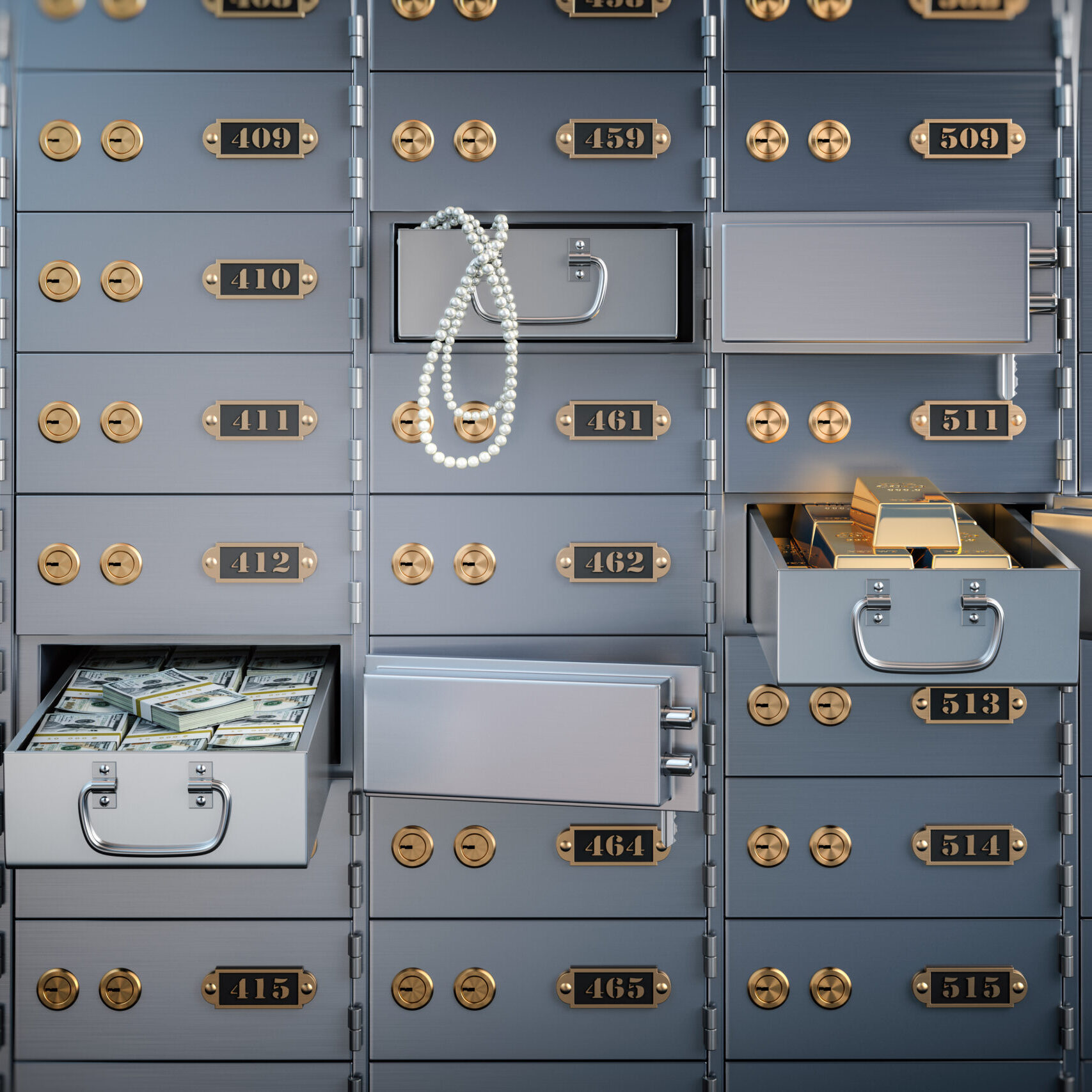
At its core, a safe deposit box is a secure, individual container housed within a bank’s vault. These boxes are typically constructed from robust steel and are offered in various sizes to accommodate different storage needs. The bank provides the physical box and the vault security, while the renter (the customer) receives a key to access their specific box.
How Safe Deposit Boxes Work
The process of renting and using a safe deposit box is designed for both security and convenience.
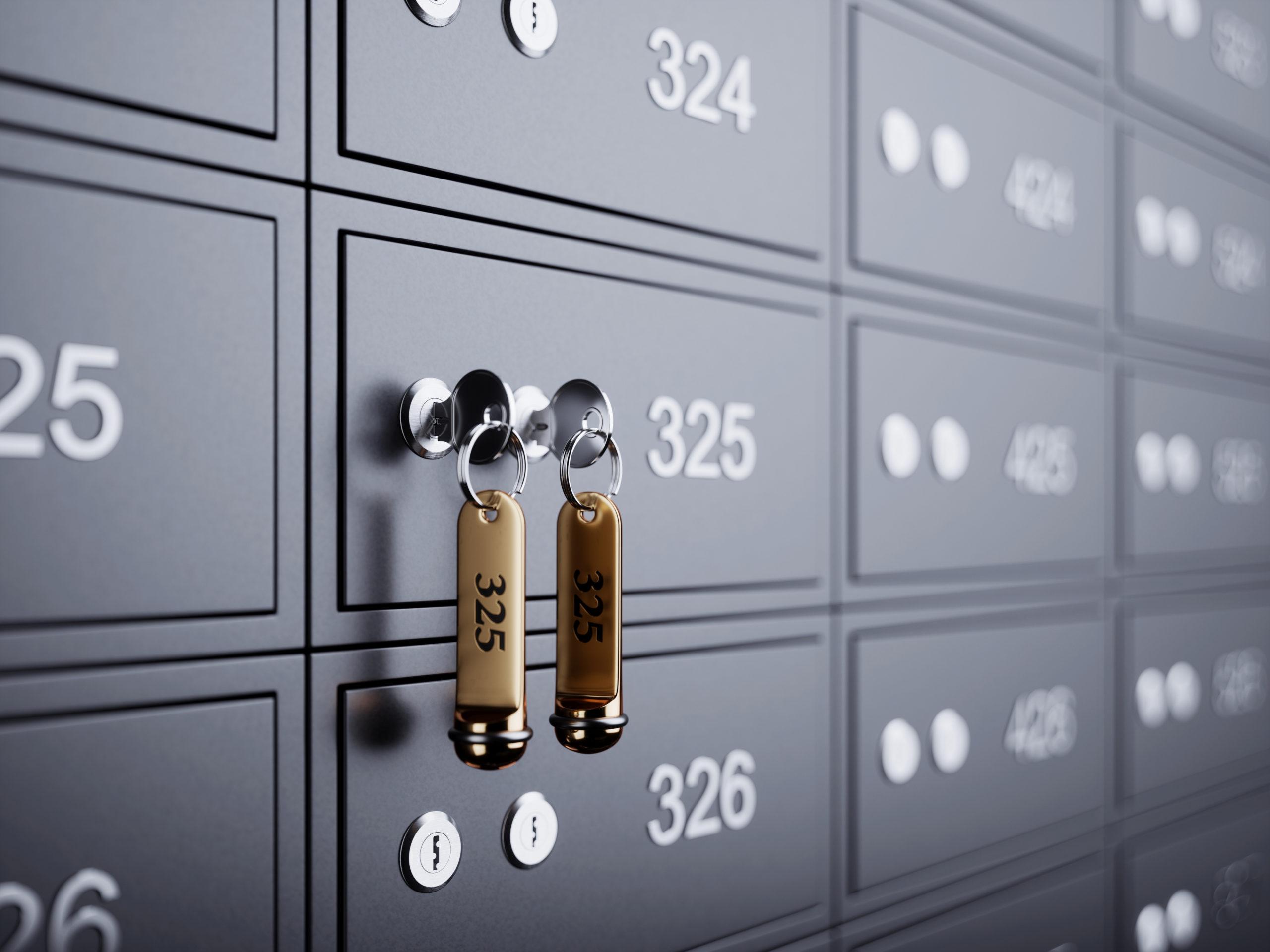
Renting a Box: To rent a safe deposit box, an individual typically needs to be an existing bank customer. The process involves completing an application form, agreeing to the bank’s terms and conditions, and paying a rental fee, which is usually levied annually. The size of the box chosen will influence the rental cost. Upon signing the agreement, the customer is issued one or two keys to their designated box. The bank retains a master key that, in conjunction with the customer’s key, is required to open the box.
Accessing Your Box: Access to the bank’s vault area is strictly controlled. Customers are usually required to present identification and sign a logbook before being escorted to the vault by a bank employee. Once in front of their specific box, the customer inserts their key, and the bank employee uses the master key to complete the opening process. For added security, some banks have implemented dual-control systems where both the customer’s key and the bank’s master key are simultaneously required to open the box. This ensures that no single individual, not even a bank employee, can access the box without the renter’s presence and authorization.
What Can You Store? The contents of a safe deposit box are diverse and depend entirely on the renter’s needs. Common items include:
- Important Documents: Birth certificates, marriage licenses, social security cards, passports, property deeds, wills, trusts, powers of attorney, divorce decrees, and adoption papers.
- Financial Assets: Stock certificates, bond certificates, precious metals (gold, silver, platinum), rare coins, and other negotiable instruments.
- Valuable Items: Jewelry, watches, family heirlooms, and other high-value personal possessions.
- Digital Media: External hard drives, USB drives, or other storage devices containing critical data, backups, or sentimental digital files.
- Unique or Irreplaceable Items: Photographs, letters, or other mementos that have significant sentimental value.
It’s crucial to note that banks have a list of prohibited items, which typically include cash, firearms, explosives, and any perishable or hazardous materials.
Security Measures Employed by Banks
The primary allure of a safe deposit box is its superior security compared to keeping valuables at home. Banks invest heavily in robust security infrastructure to protect their vaults and their contents.
Vault Construction: Bank vaults are built to withstand significant physical threats, including fire, flood, and attempted break-ins. They are typically constructed with thick reinforced concrete and steel, often featuring complex locking mechanisms and reinforced doors.
Surveillance and Monitoring: Vault areas are equipped with comprehensive surveillance systems, including CCTV cameras that record activity 24/7. These systems are monitored by security personnel who can respond to any suspicious activity.
Access Control: As mentioned earlier, access to the vault is strictly controlled. Only authorized personnel have access to the master keys, and customer access is meticulously logged and verified.
Environmental Controls: Many vaults are climate-controlled to protect sensitive documents and valuables from damage due to humidity or extreme temperatures. Some may also have fire suppression systems.
Benefits of Using a Safe Deposit Box
The decision to rent a safe deposit box is driven by a clear set of advantages that address concerns about security, preservation, and peace of mind.
Enhanced Security and Protection
The most compelling benefit is the unparalleled security offered by a bank vault.
Protection Against Theft: Home burglaries are a significant concern for many. Items stored in a safe deposit box are protected by multiple layers of physical and electronic security that are far more sophisticated than what most individuals can implement at home.
Protection Against Natural Disasters: While not completely impervious, a bank vault offers significantly better protection against fires, floods, and other natural disasters that could destroy valuables stored in a home. The robust construction and environmental controls minimize the risk of damage from such events.
Privacy: The contents of your safe deposit box are private. No one, not even bank employees, can look inside your box without your key and their master key being used simultaneously in your presence. This privacy is a critical factor for individuals storing sensitive documents or valuable assets.
Organization and Preservation
Beyond security, safe deposit boxes aid in the organized storage and long-term preservation of important items.
Centralized Storage for Important Documents: Having all your vital documents in one secure, off-site location simplifies retrieval in emergencies and ensures you know where to find them when needed. This can be particularly beneficial for estate planning and ensuring your heirs can access necessary paperwork.
Preservation of Delicate Items: Items like antique jewelry, rare stamps, or historical documents can degrade over time if not stored properly. The climate-controlled environments in many bank vaults can help preserve these items from damage caused by humidity, light, and temperature fluctuations.
Peace of Mind: Knowing that your most valuable possessions and crucial documents are securely stored away can provide immense peace of mind. This is especially true for individuals who travel frequently or have experienced property loss in the past.
Limitations and Considerations
Despite their benefits, safe deposit boxes are not a perfect solution for everyone, and renters should be aware of their limitations and associated responsibilities.
Accessibility and Convenience
The very security measures that protect your belongings can also impact accessibility.
Limited Access Hours: Unlike items kept at home, safe deposit boxes can only be accessed during the bank’s operating hours and often require an appointment. This means you cannot access your valuables in an emergency outside of these times. If you need immediate access to something, a safe deposit box is not the ideal solution.
Inconvenience for Frequent Access: If you need to access your stored items regularly, the process of going to the bank, verifying your identity, and being escorted to the vault can be time-consuming and inconvenient.
What a Safe Deposit Box Doesn’t Offer
It’s essential to understand what a safe deposit box doesn’t provide to manage expectations correctly.
No Insurance: Bank deposits are insured by the FDIC (in the US) or similar government agencies, but the contents of safe deposit boxes are generally not insured by the bank or these agencies. If the contents are lost or damaged due to fire, flood, or theft (a rare occurrence but not impossible), the bank is typically not liable for the value of the items. Renters are responsible for obtaining their own insurance for the valuables stored in the box, which might be an endorsement on a homeowner’s or renter’s insurance policy.
No Access for Heirs Without Legal Process: Upon the renter’s death, access to the safe deposit box is typically frozen until the executor of the estate provides legal documentation, such as a death certificate and letters testamentary or a court order. This can sometimes lead to delays in heirs accessing important documents or assets. Some banks allow a surviving joint renter to access the box, but this varies by agreement and jurisdiction.
Not for All Valuables: As mentioned earlier, cash, firearms, and other specific items are prohibited. Furthermore, for items that need to be accessed frequently or quickly, such as emergency cash or important medications, a safe deposit box is not suitable.
Choosing and Using a Safe Deposit Box Effectively
Making an informed decision about renting a safe deposit box involves careful consideration of your needs and understanding the process.
Selecting the Right Bank and Box Size
When choosing a bank and box size, several factors come into play.
Bank Reputation and Security: While most banks offer secure vaults, it’s wise to consider the bank’s overall reputation for security and customer service. Inquire about their specific security protocols and access procedures.
Box Size: Boxes come in various dimensions, from small drawer-sized ones to larger cabinets. Assess what you intend to store to determine the appropriate size. It’s often better to rent a slightly larger box than you think you might need to avoid running out of space later.
Cost and Contract Terms: Compare rental fees, which are typically annual. Understand the contract terms, including what happens if you lose your key, the bank’s liability (or lack thereof), and the procedures for ending the rental agreement.

Best Practices for Renters
To maximize the benefits and mitigate the risks associated with safe deposit boxes, follow these best practices.
Maintain an Inventory: Keep a detailed, up-to-date inventory of everything you place in your safe deposit box, including serial numbers for valuable items and descriptions of important documents. Store a copy of this inventory outside the box, perhaps with a trusted family member or in a secure digital location.
Inform Your Executor: Ensure your executor or a trusted family member knows that you have a safe deposit box, which bank it’s at, and where to find the key and any relevant documentation. This will significantly speed up the process of accessing the box after your passing.
Insure Contents: As the bank does not insure the contents, obtain adequate insurance coverage for your valuables. Check if your homeowner’s or renter’s insurance policy can be extended to cover items stored in a safe deposit box, or consider specialized insurance.
Avoid Prohibited Items: Strictly adhere to the bank’s list of prohibited items to avoid potential penalties or confiscation.
By understanding the intricacies of safe deposit boxes – their security features, advantages, and limitations – individuals can make informed decisions about safeguarding their most important assets and documents, ensuring both their present security and the smooth transfer of their legacy to future generations.
aViewFromTheCave is a participant in the Amazon Services LLC Associates Program, an affiliate advertising program designed to provide a means for sites to earn advertising fees by advertising and linking to Amazon.com. Amazon, the Amazon logo, AmazonSupply, and the AmazonSupply logo are trademarks of Amazon.com, Inc. or its affiliates. As an Amazon Associate we earn affiliate commissions from qualifying purchases.