
Navigating the complex landscape of health insurance can feel like deciphering a foreign language. Among the myriad of acronyms and plan structures, the Preferred Provider Organization (PPO) stands out as a popular and often misunderstood option. Understanding what a PPO medical insurance plan entails is crucial for making informed decisions about your healthcare and managing your finances effectively. This guide will break down the core components of a PPO plan, its benefits, drawbacks, and how it fits into the broader spectrum of health insurance options, all within the domain of personal finance.
Understanding the Core Mechanics of a PPO Plan
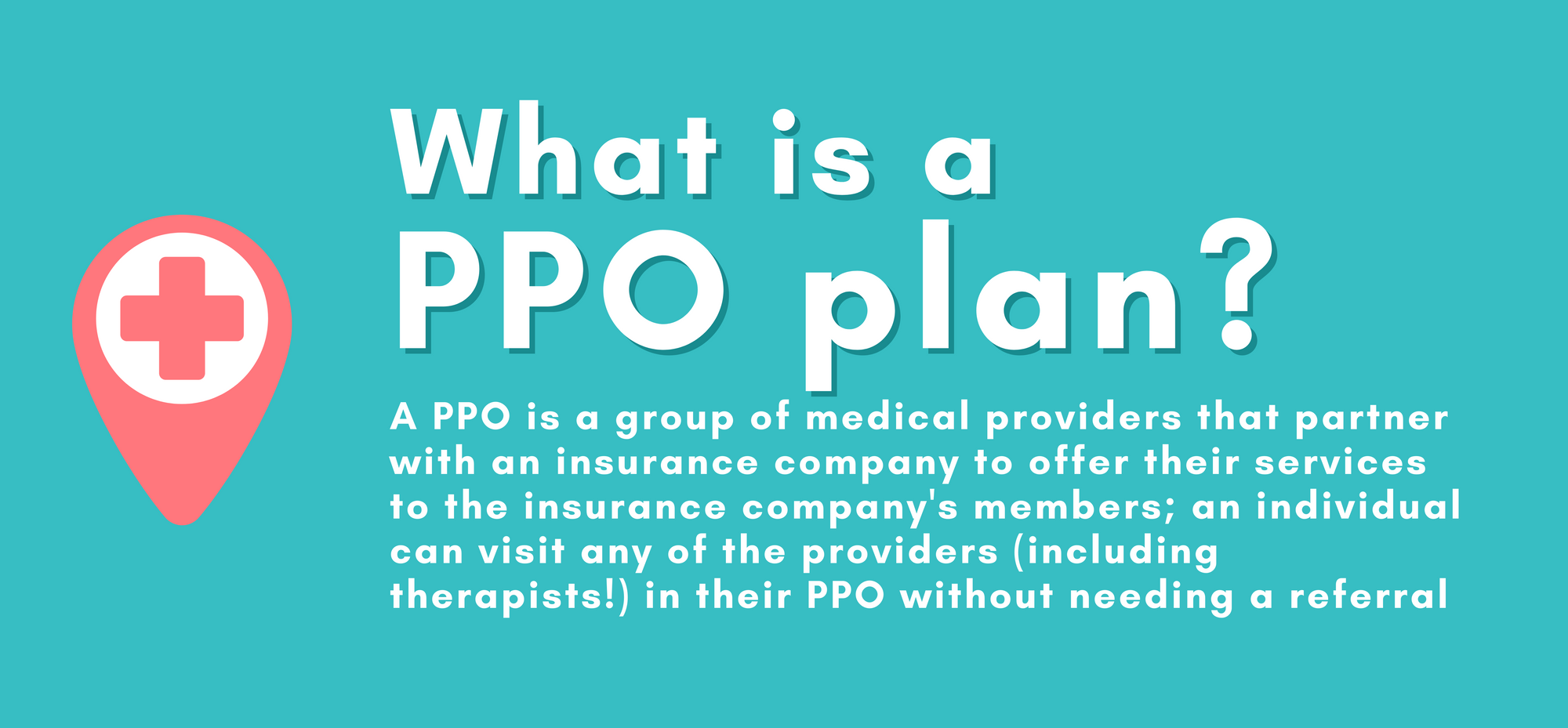
At its heart, a PPO plan is a type of managed care health insurance that offers a balance between flexibility and cost control. It achieves this by contracting with a network of healthcare providers—doctors, hospitals, and specialists—who agree to offer their services at a negotiated, often discounted, rate to plan members. This network is the defining characteristic of a PPO.
The Preferred Provider Network: Your Gateway to Savings
The “Preferred Provider” in PPO refers to the healthcare professionals and facilities that have a contractual agreement with the insurance company. When you seek care from a provider within this network, you generally benefit from lower out-of-pocket costs. This is because the insurance company has already negotiated rates with these providers, effectively passing those savings on to you in the form of lower deductibles, copayments, and coinsurance.
- In-Network Benefits: Utilizing in-network providers is the most financially advantageous way to use a PPO plan. For services received from these providers, your insurance will cover a larger portion of the cost, and your out-of-pocket expenses will be significantly lower. You’ll typically pay a set copayment for doctor visits or a percentage of the cost (coinsurance) after meeting your deductible.
- Out-of-Network Coverage: One of the key distinctions of a PPO is that it does offer coverage for services received from providers outside of its network. However, this coverage comes at a higher cost to you. When you go out-of-network, you will likely face a higher deductible, a larger coinsurance percentage, and potentially a separate, higher out-of-pocket maximum for out-of-network care. In some cases, the insurance company may only reimburse you a specific percentage of what they deem a “usual and customary” charge, leaving you responsible for the difference. This flexibility, while valuable, necessitates a keen awareness of the financial implications.
Cost-Sharing Structures: Deductibles, Copayments, and Coinsurance
Like most health insurance plans, PPOs involve various cost-sharing mechanisms that determine how you and the insurance company split the healthcare expenses.
- Deductible: This is the amount you must pay out-of-pocket for covered healthcare services before your insurance plan starts to pay. PPO plans typically have deductibles for both in-network and out-of-network care, with the out-of-network deductible usually being higher.
- Copayment (Copay): This is a fixed amount you pay for a covered healthcare service after you’ve met your deductible. For example, you might have a $30 copay for a primary care physician visit. Copays are common for office visits, specialist appointments, and sometimes prescription drugs.
- Coinsurance: This is your share of the costs of a covered healthcare service, calculated as a percentage of the allowed amount for the service. For instance, if your coinsurance is 20%, and the allowed amount for a procedure is $1,000, you would pay $200, and the insurance company would pay $800. Similar to deductibles, coinsurance rates are typically lower for in-network services than for out-of-network services.
- Out-of-Pocket Maximum: This is the most you’ll have to pay for covered services in a plan year. Once you reach this limit, your health insurance plan pays 100% of the covered healthcare costs for the rest of the year. PPO plans usually have separate out-of-pocket maximums for in-network and out-of-network care, with the out-of-network maximum being considerably higher.
Advantages of a PPO Plan: Flexibility and Choice
The appeal of a PPO plan often lies in its inherent flexibility, offering individuals a greater degree of freedom in choosing their healthcare providers. This autonomy is a significant draw for many consumers.
Unrestricted Provider Choice (with Financial Considerations)
The most compelling advantage of a PPO is the freedom to see any doctor or specialist you choose, without needing a referral from a primary care physician. This is a stark contrast to Health Maintenance Organizations (HMOs), which typically require referrals and restrict you to a specific network.
- Access to Specialists: If you have a particular specialist you trust or want to see, a PPO allows you to do so without the hurdle of obtaining a referral from a general practitioner. This can be particularly beneficial for individuals with chronic conditions or those who prefer to manage their healthcare proactively.
- No Primary Care Physician Gatekeeper: The absence of a PCP gatekeeper means you can directly schedule appointments with specialists, potentially leading to faster access to care when needed. This can be a crucial factor for timely diagnosis and treatment.
Comprehensive Coverage for Both In-Network and Out-of-Network Services
While seeking in-network care is financially prudent, the fact that PPOs provide some level of coverage for out-of-network providers offers a vital safety net.
- Emergency Situations: In emergency situations where you may not have the luxury of choosing an in-network provider, PPO coverage ensures you are not left entirely to bear the full cost of care.
- Unique or Specialized Care: In some instances, the specific medical expertise or treatment you require might only be available from an out-of-network provider. The PPO’s out-of-network coverage, though more expensive, still offers a degree of financial protection in these circumstances.
Disadvantages of a PPO Plan: Higher Costs and Complexity
While the flexibility of a PPO is attractive, it often comes with a higher price tag and a more complex cost-sharing structure compared to other types of plans.
Higher Premiums and Out-of-Pocket Expenses
The ability to go out-of-network and the lack of a PCP gatekeeper are features that insurance companies price into the plan. Consequently, PPO plans generally have higher monthly premiums than HMOs or High Deductible Health Plans (HDHPs).
- Monthly Premiums: Expect to pay more each month for a PPO plan. This premium is the consistent cost of having the insurance coverage, regardless of whether you use healthcare services.
- Out-of-Pocket Costs When Going Out-of-Network: As previously discussed, the financial burden of seeking care outside the preferred provider network can be substantial. The higher deductibles, copays, coinsurance, and out-of-pocket maximums for out-of-network services mean that you could end up paying significantly more if you stray from the network. This necessitates careful consideration of your healthcare needs and provider preferences when choosing a PPO.
Potential for Surprise Bills and Administrative Hassles

While PPOs offer flexibility, navigating the administrative aspects can sometimes lead to unexpected costs and headaches.
- Surprise Medical Bills: Despite efforts to contain costs, there’s still a possibility of receiving surprise medical bills, particularly if you receive services from an out-of-network provider who is not upfront about their pricing or if a network hospital uses an out-of-network anesthesiologist, for example. While legislation like the No Surprises Act aims to mitigate this, understanding your PPO’s specific coverage is still paramount.
- Claim Submission and Prior Authorization: Although PPOs generally don’t require referrals, some specialized treatments or procedures may still require prior authorization from the insurance company. Failure to obtain this authorization can lead to denial of coverage. Additionally, when going out-of-network, you might be responsible for submitting claims directly to the insurance company for reimbursement, which can be a time-consuming process.
Comparing PPOs to Other Health Insurance Plans
To fully appreciate the role of a PPO in your financial planning for healthcare, it’s beneficial to compare it with other common plan types.
PPO vs. HMO: The Classic Trade-off
The most common comparison is between PPOs and Health Maintenance Organizations (HMOs).
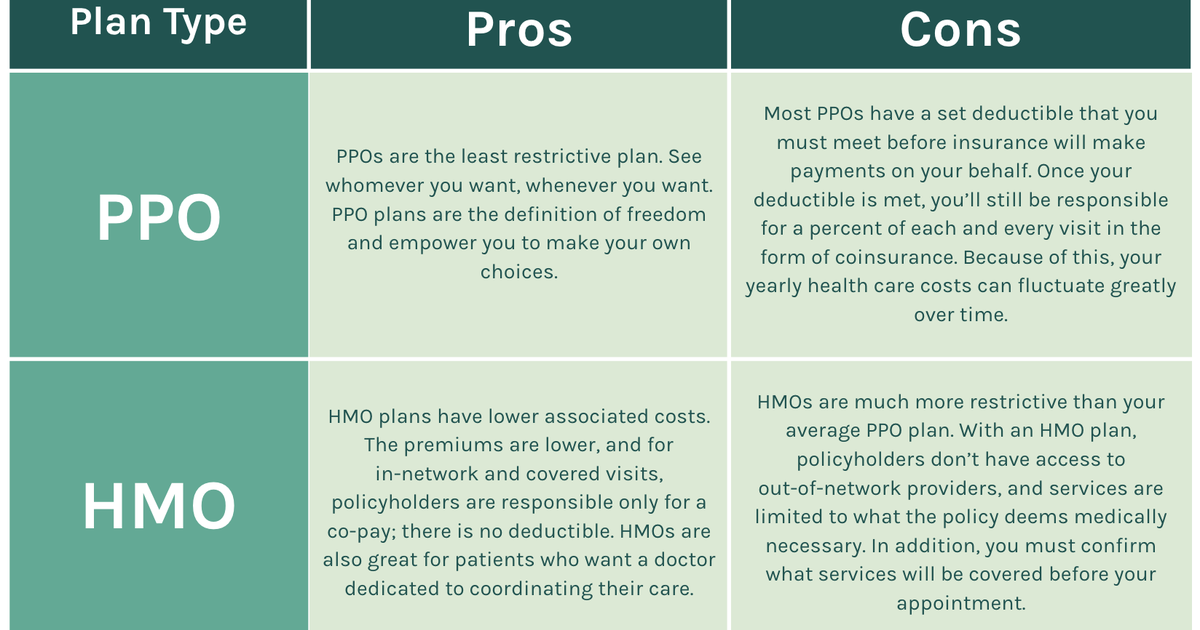
- HMOs: HMOs typically have lower monthly premiums and out-of-pocket costs. However, they require you to choose a primary care physician (PCP) who acts as a gatekeeper for all your healthcare needs. You must obtain referrals from your PCP to see specialists, and you are generally restricted to a network of providers. If you go out-of-network (except for emergencies), your insurance typically won’t cover the costs.
- PPOs: As discussed, PPOs offer more flexibility in provider choice and don’t require referrals. This freedom comes at the cost of higher premiums and potentially higher out-of-pocket expenses, especially when going out-of-network.
PPO vs. EPO: A Subtle Distinction
Exclusive Provider Organizations (EPOs) share some similarities with PPOs but have a key difference.
- EPOs: EPOs have a network of providers, and they generally do not cover care received outside of this network, except in emergencies. They typically do not require referrals to see specialists within the network.
- PPOs: The defining characteristic that separates PPOs from EPOs is the out-of-network coverage. PPOs offer a level of reimbursement for out-of-network care, whereas EPOs largely do not.
PPO vs. HDHP: A Different Approach to Savings
High Deductible Health Plans (HDHPs) represent a different financial strategy for healthcare.
- HDHPs: These plans have much lower premiums but significantly higher deductibles. They are often paired with Health Savings Accounts (HSAs), which offer tax advantages for saving and spending on qualified medical expenses.
- PPOs: PPOs typically have lower deductibles than HDHPs, making them more suitable for individuals who anticipate needing frequent medical care or prefer more predictable costs. However, for those who are generally healthy and want to prioritize long-term savings and tax benefits, an HDHP with an HSA might be a more attractive option.
Making the Right Financial Choice with a PPO
Choosing a PPO medical insurance plan is a significant financial decision that requires careful consideration of your personal circumstances, healthcare needs, and risk tolerance. It’s not simply about understanding what a PPO is, but how it aligns with your overall financial well-being.
Assessing Your Healthcare Utilization
The first step in determining if a PPO is the right choice is to honestly assess your typical healthcare usage.
- Frequent Doctor Visits or Specialist Needs: If you or your family members have chronic conditions, require regular specialist visits, or anticipate needing a significant amount of medical care in the coming year, the flexibility and broader network access of a PPO might justify the higher premiums. The ability to see your preferred providers without referral delays could be invaluable.
- Generally Healthy Individuals: If you are generally healthy and rarely visit the doctor, a PPO’s higher premiums might not be cost-effective. In such cases, exploring other plan options like an HDHP might be a better financial strategy.
Understanding Your Budget and Risk Tolerance
Your financial situation and how much risk you’re comfortable taking will heavily influence your decision.
- Budget for Premiums and Out-of-Pocket Costs: Carefully calculate your monthly budget for insurance premiums. Then, consider your potential out-of-pocket expenses, including deductibles, copays, and coinsurance, especially if you anticipate needing out-of-network care. Review the out-of-pocket maximums to understand your financial exposure in the worst-case scenario.
- Risk of Unexpected Medical Events: A PPO offers a certain degree of protection against the financial fallout of unexpected medical events, even if you go out-of-network. If you prioritize this safety net and are willing to pay a higher premium for it, a PPO could be a suitable choice.
The Importance of the Provider Network
Before enrolling in a PPO, it’s essential to investigate the specific provider network.
- Check Your Preferred Doctors and Hospitals: The most critical step is to verify if your current doctors, specialists, and preferred hospitals are part of the PPO’s network. If they are not, and you are unwilling to switch or pay higher out-of-network costs, a PPO might not be the best fit.
- Geographic Coverage: Consider the geographic scope of the network. If you frequently travel or have family in different regions, ensure the network offers adequate coverage in those areas.
In conclusion, a PPO medical insurance plan offers a valuable blend of flexibility and choice in healthcare, allowing individuals to select their providers and access a wider range of services. However, this freedom comes at a financial cost, typically reflected in higher premiums and potentially higher out-of-pocket expenses, particularly when opting for out-of-network care. By carefully understanding its mechanics, weighing its advantages against its disadvantages, and comparing it to other insurance options, individuals can make an informed decision that best supports their financial health and healthcare needs.
aViewFromTheCave is a participant in the Amazon Services LLC Associates Program, an affiliate advertising program designed to provide a means for sites to earn advertising fees by advertising and linking to Amazon.com. Amazon, the Amazon logo, AmazonSupply, and the AmazonSupply logo are trademarks of Amazon.com, Inc. or its affiliates. As an Amazon Associate we earn affiliate commissions from qualifying purchases.