
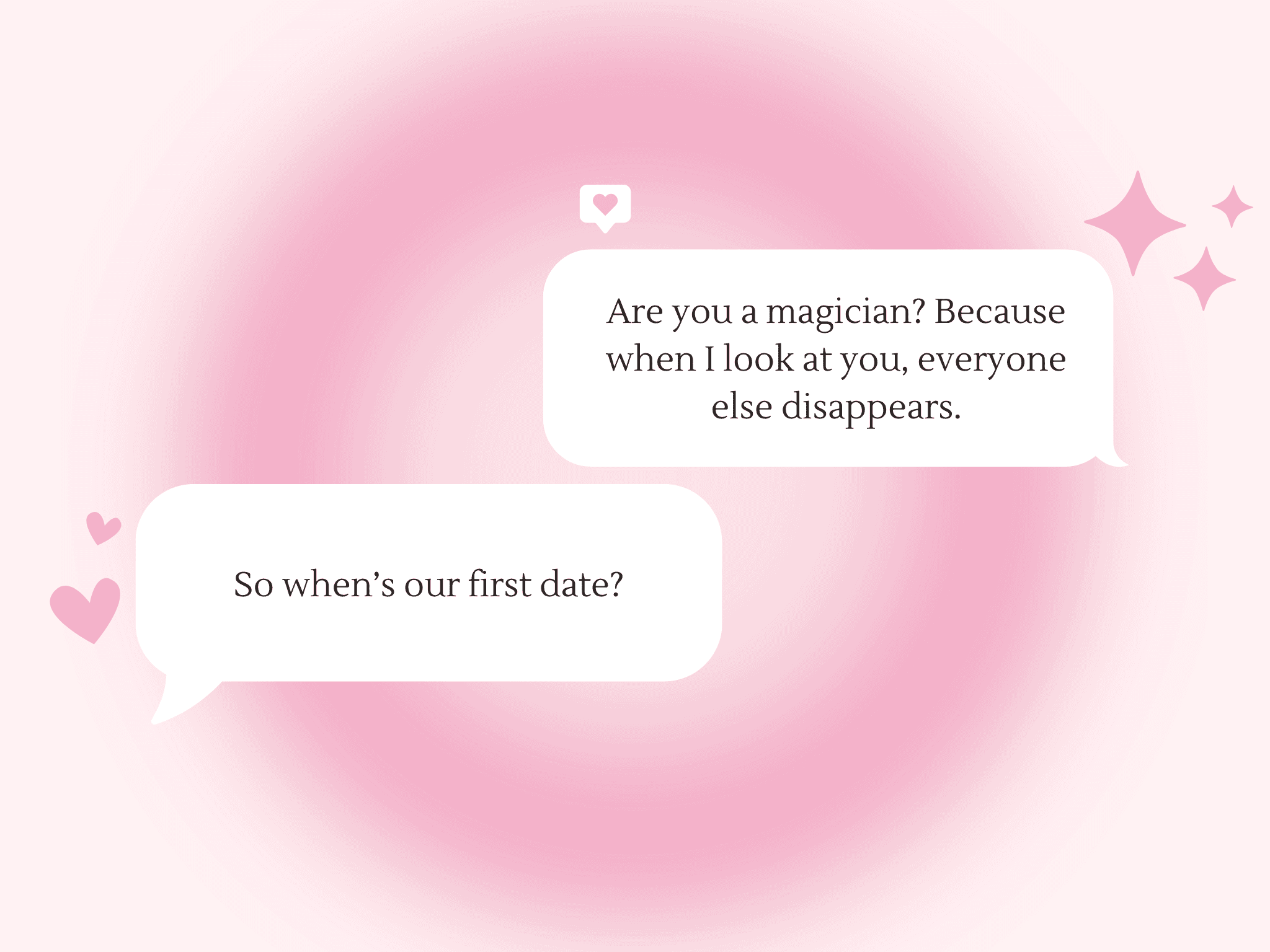
In the traditional sense, a “pick up line” is often viewed as a clever, sometimes humorous, and occasionally cringeworthy opening gambit used to initiate a conversation with a stranger. However, in the professional sphere of Brand Strategy and Marketing, the “pick up line” is far more than a social icebreaker; it is a critical strategic tool. It is the initial hook, the elevator pitch, and the high-stakes first impression that determines whether a consumer will engage with a brand or scroll past it into the digital void.

In an era defined by the “attention economy,” where the average human attention span has dwindled to mere seconds, the ability to craft a compelling brand pick up line is the difference between market dominance and total obscurity. This article explores the strategic architecture of the brand hook, the psychology behind consumer engagement, and how businesses can master the art of the opening line to build lasting loyalty.
The Anatomy of a Brand Pick Up Line: Why First Impressions Matter
In brand strategy, the “pick up line” is the first touchpoint in the customer journey. Whether it is a headline on a landing page, a five-word social media caption, or a billboard on a crowded highway, this opening statement must perform several heavy-lifting tasks simultaneously: it must grab attention, communicate value, and establish an emotional tone.
From Catchphrases to Strategic Openers
Historically, brands relied on repetitive slogans to build familiarity. While slogans like “Just Do It” or “Think Different” are iconic, they serve as long-term brand pillars. A “pick up line,” conversely, is more immediate and tactical. It is the specific hook used for a new product launch or a targeted ad campaign. It is the “Why should you care right now?” of the branding world. Unlike a slogan, which is a permanent fixture of a corporate identity, the brand pick up line is agile, adapted to the specific needs and desires of the target audience at a specific moment in time.
The Psychology of Immediate Value Proposition
Why do certain brand openings work while others fail? The answer lies in cognitive psychology. The human brain is wired to filter out “noise”—the thousands of irrelevant stimuli we encounter daily. To break through this filter, a brand pick up line must trigger a “pattern interrupt.” This happens when an opening line presents something unexpected, highly relevant, or emotionally resonant. By leading with a value proposition—rather than a feature—a brand signals to the consumer’s subconscious that the interaction is worth the mental energy required to process it.
Strategizing the Hook: How Brands Win the Consumer’s Attention
Creating a successful brand pick up line is not an act of creative whimsy; it is a disciplined strategic process. It requires a deep understanding of the “ideal customer persona” and the specific pain points they are looking to solve.
Emotional Resonance vs. Functional Clarity
There are two primary schools of thought when it comes to the brand hook: the emotional approach and the functional approach.
- The Emotional Hook: This targets the consumer’s feelings, aspirations, or fears. It aims to build a connection before it sells a product. For example, a luxury watch brand doesn’t lead with “This watch tells time accurately”; it leads with “A legacy to pass to your son.”
- The Functional Hook: This is common in the SaaS and Tech sectors, where clarity is king. It focuses on the immediate problem solved. “Get your taxes done in 15 minutes” is a functional pick up line that wins through the promise of efficiency and relief.
The most successful brands often find the “sweet spot” where these two intersect, providing a clear solution wrapped in an emotional benefit.
The Role of Brevity in a Distracted Digital Economy
In branding, the shorter the line, the harder it is to write. Brevity is the soul of conversion. Every word in a brand’s opening line must justify its existence. High-growth brands spend weeks A/B testing three-word hooks because they know that removing a single syllable can increase click-through rates by double digits. In the digital age, a pick up line that requires a “Read More” click to be understood is a pick up line that has already failed.
Channels of Engagement: Where Your Brand Pick Up Line Lives

The medium often dictates the message. A pick up line designed for a professional network like LinkedIn will look and feel vastly different from one designed for a visual platform like Instagram or a high-intent channel like Google Search.
Social Media Micro-Copy: The Digital Icebreaker
On social media, the pick up line is the “headline” or the first line of the caption. This is the “Stop-the-Scroll” moment. Successful social media hooks often utilize “curiosity gaps”—statements that provide just enough information to pique interest but leave a “gap” that can only be filled by clicking or reading further. This is the digital equivalent of a witty retort that leaves someone wanting to hear the rest of the story.
Email Subject Lines: The Gateway to Conversion
In the world of direct marketing, the subject line is the ultimate pick up line. It is the only thing standing between an opened email and the trash folder. Professional brands treat subject lines as a science, employing urgency, personalization, and “benefit-first” language. A subject line like “Your strategy is missing this one step” is a classic hook—it identifies a potential flaw (pain point) and offers a solution (the open).
Out-of-Home (OOH) Advertising: Creating Instant Impact
Billboards and transit ads represent the most traditional form of the brand pick up line. Here, the brand has approximately 1.5 to 3 seconds to make an impression on a moving driver or commuter. The focus here is on high-contrast visuals and punchy, large-scale text. In OOH, the “pick up line” must be bold enough to be remembered hours later when the consumer is back at their computer.
Case Studies in High-Converting Brand Hooks
Examining successful brands reveals how the “pick up line” has been used to disrupt entire industries and redefine market categories.
Nike’s Call to Action: More Than Just a Slogan
While “Just Do It” is their slogan, Nike’s individual campaign hooks are masterclasses in brand “pick up lines.” During the 2012 Olympics, their “Find Your Greatness” campaign didn’t focus on elite athletes; it focused on the everyday person. The hook was simple: “Greatness is not some rare DNA strand.” By challenging the definition of excellence, Nike “picked up” a global audience that felt excluded by traditional sports marketing.
Dollar Shave Club: Using Humor as a Disruptive Opener
When Dollar Shave Club launched, they didn’t lead with the technical specifications of their blades. Their “pick up line” was a YouTube video titled: “Our Blades are F***ing Great.” It was bold, irreverent, and addressed a common frustration (the high cost and over-engineering of razors) with refreshing honesty. This single hook was so effective it paved the way for a $1 billion acquisition by Unilever. It worked because it spoke the consumer’s language in a category that had become stale and corporate.
Future-Proofing Your Brand’s Opening Gambit
As technology evolves, the way brands “introduce themselves” to consumers is undergoing a radical shift. The pick up lines of the future will be more personalized and dynamic than ever before.
Personalization and AI-Driven Hooks
Artificial Intelligence is changing the “pick up line” from a static statement to a dynamic conversation. Through data analytics, brands can now deliver a different hook to every individual based on their browsing history, location, and previous interactions. A clothing brand might show one user a hook about “sustainable fabrics” and another a hook about “express shipping,” depending on what that specific user values most. This level of hyper-personalization ensures that the “pick up line” always feels relevant and never like a “cold call.”
The Ethical Boundary of the “Hook”
With the rise of “clickbait,” there is an increasing need for brands to maintain ethical integrity in their opening lines. A brand pick up line is a promise. If the “hook” promises a solution that the product cannot deliver, the brand builds a reputation for dishonesty. In the long term, the most effective brand hooks are those rooted in radical honesty. The goal of a professional brand is not just to “pick up” a customer once, but to initiate a relationship that lasts a lifetime.
In conclusion, “what is a pick up line” in a brand context is the strategic gateway to the consumer’s world. It is a blend of psychology, data, and creative storytelling. By mastering the art of the opening hook, brands can cut through the noise, foster immediate trust, and begin the journey of turning a stranger into a loyal advocate. Whether it’s through humor, clarity, or emotional resonance, the best pick up lines are those that make the consumer feel seen, understood, and intrigued enough to say “tell me more.”
aViewFromTheCave is a participant in the Amazon Services LLC Associates Program, an affiliate advertising program designed to provide a means for sites to earn advertising fees by advertising and linking to Amazon.com. Amazon, the Amazon logo, AmazonSupply, and the AmazonSupply logo are trademarks of Amazon.com, Inc. or its affiliates. As an Amazon Associate we earn affiliate commissions from qualifying purchases.