
The term “palanquin” might conjure images of historical pageantry, of royalty being carried in ornate, cushioned chairs borne by attendants. While this romanticized vision holds a kernel of truth, a palanquin’s essence extends far beyond mere spectacle. It represents a fascinating intersection of ancient transportation, social status, and surprisingly, enduring principles that resonate even in our hyper-modern technological landscape. While seemingly antiquated, understanding the palanquin offers a unique lens through which to examine concepts of user experience, accessibility, and even the subtle design of personal mobility solutions, themes that are undeniably relevant to the world of Tech.
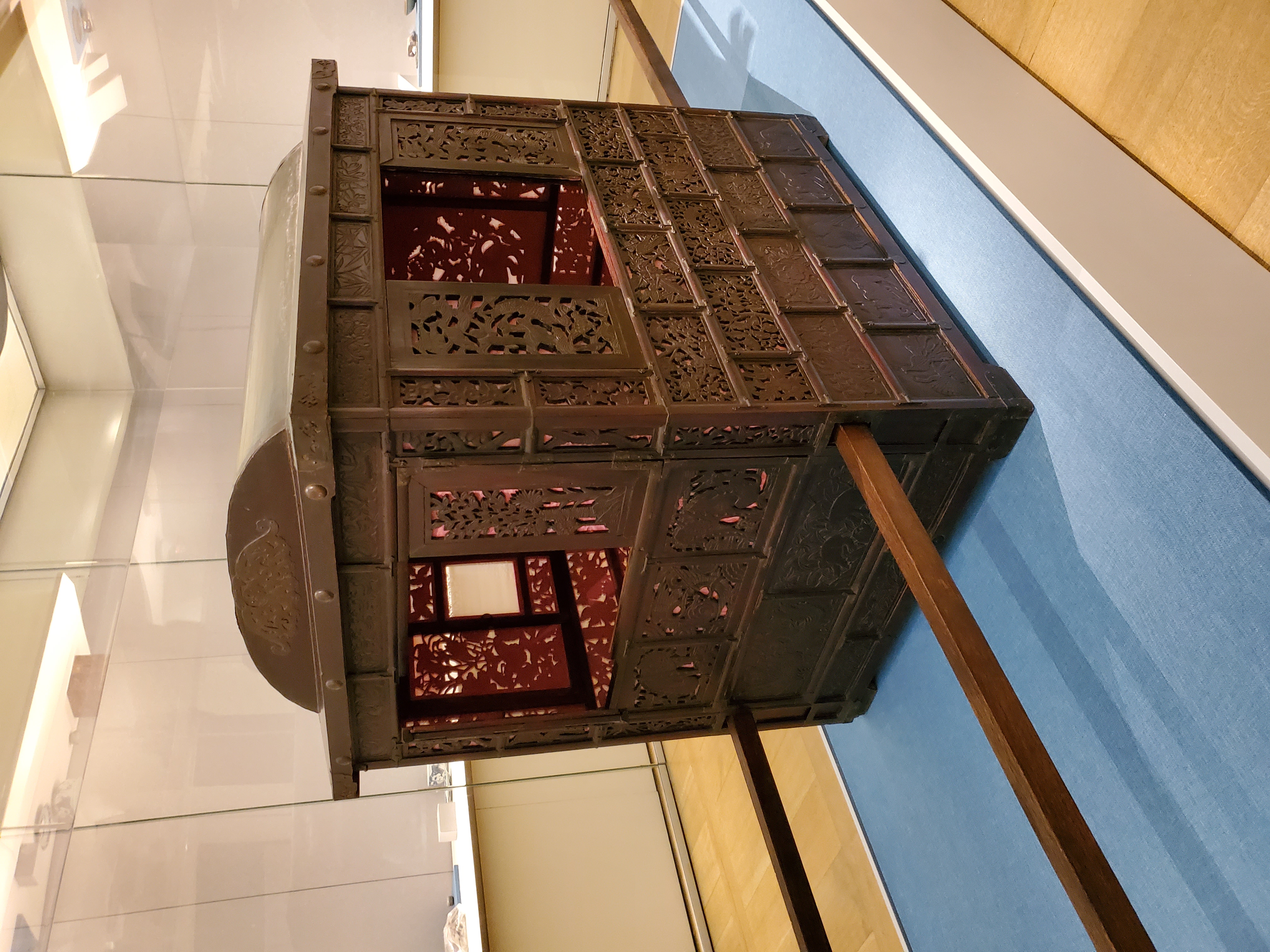
The Evolution of Personal Mobility
The palanquin, in its various forms, emerged as a sophisticated solution to the challenges of personal transportation in societies lacking widespread mechanized vehicles. Its development was a testament to ingenuity born from necessity and a desire for comfort and dignity in travel.
Ancient Origins and Regional Variations
The earliest forms of palanquins can be traced back to ancient civilizations, with evidence suggesting their use in India, China, and other parts of Asia dating back centuries. These early conveyances were often simpler, designed primarily for practicality – moving individuals over varying terrain or through crowded thoroughfares.
- India: The Indian palki or doli is perhaps the most iconic image associated with the palanquin. These were often elaborately decorated, accommodating one or two individuals, and carried by a team of bearers. The design prioritized cushioning, ventilation, and privacy, reflecting the societal norms and the climate. They were used by a wide spectrum of society, from royalty and wealthy merchants to pilgrims and even brides. The number of bearers often indicated the status of the passenger.
- China: In China, the jiazi served a similar purpose. While sometimes simpler sedan chairs, more elaborate versions existed for officials and nobility. These often featured intricate carvings and silk drapery. The emphasis was on protecting the passenger from the elements and maintaining a dignified presence.
- Other Regions: Similar concepts of enclosed or semi-enclosed seating carried by humans existed in various other cultures, including in parts of the Middle East and even some European societies in later centuries, though often adapted to different social contexts. The underlying principle remained the same: a personalized, human-powered mode of transport.
The Design Philosophy: Comfort, Status, and Protection
The design of a palanquin was not accidental. It was a deliberate engineering choice aimed at achieving several key objectives:
- Passenger Comfort: Unlike riding a horse or being jostled in a cart, a palanquin offered a relatively smooth and stable ride. The suspended seating, often padded with cushions or mattresses, absorbed much of the shock from uneven surfaces. Ventilation was a critical consideration, with designs often incorporating open sides or latticework to allow air circulation, crucial in hot climates.
- Social Signaling: The palanquin was an undeniable symbol of status and wealth. The materials used, the craftsmanship, and the number of attendants all communicated the passenger’s social standing. It allowed individuals to travel without the need to walk, preserving their energy, clothing, and dignity. This was particularly important for women and the elderly.
- Protection from Elements and Intrusion: The enclosure, whether partial or full, provided protection from sun, rain, and dust. It also offered a degree of privacy, shielding the passenger from the prying eyes of the public. This was a significant factor in cultures where modesty and personal space were highly valued.
The Palanquin as an Early Human-Centric Tech
While we associate “tech” with microchips and algorithms today, the palanquin represents a form of sophisticated, human-centric technology of its time. It was a system designed to enhance human capability and experience through clever engineering and an understanding of human needs.
User Interface and Experience in Motion
The palanquin’s “user interface” was the interaction between the passenger and their immediate environment within the conveyance, and importantly, the interaction between the passenger and the bearers who facilitated their movement.
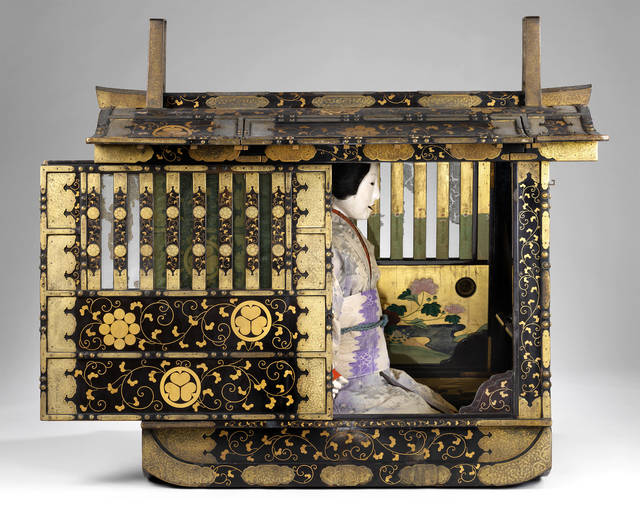
- Ergonomics of Seating: The seating itself was engineered for comfort. The width, depth, and angle of the seat, along with the presence of backrests and armrests, were all considered to optimize the passenger’s posture and reduce fatigue during transit. Think of it as an early form of ergonomic seating designed for dynamic movement.
- Sensory Input Management: The palanquin controlled the sensory input experienced by the passenger. It muffled external noise, filtered out dust and debris, and moderated the intensity of sunlight. This created a calmer, more controlled sensory environment, akin to noise-canceling headphones or tinted windows in modern vehicles.
- The “Driver” System – Bearers as Integrated Components: The bearers were not just passive carriers; they were an integral part of the system. Their skill in coordinating their steps, maintaining a steady pace, and navigating obstacles was crucial for a smooth ride. This highlights an early form of human-machine integration, where the human operators were finely tuned to the needs of the passenger and the demands of the journey. Their performance directly impacted the “user experience.”
Accessibility and Inclusivity in Ancient Times
In a world without wheelchairs or accessible public transport, the palanquin played a vital role in enabling mobility for individuals who might otherwise have been confined.
- Enabling Movement for the Elderly and Infirm: For those who struggled with walking long distances, the palanquin provided an essential means of participation in social life, religious activities, and commerce. It democratized movement to a degree, allowing a wider segment of the population to travel with relative ease.
- Facilitating Travel for Women and Dignitaries: As mentioned, palanquins were indispensable for women, particularly those of higher social standing, allowing them to travel with the required privacy and protection. Similarly, dignitaries and religious figures used them to maintain their decorum and authority while moving through public spaces.
- Designed for Different Needs: The variations in palanquin design implicitly catered to different passenger needs. A simpler, more open chair might suffice for a healthy individual on a short trip, while a fully enclosed, more spacious compartment would be necessary for someone requiring more rest, privacy, or carrying provisions.
The Palanquin’s Legacy in Modern Mobility Concepts
While the era of human-powered palanquins has largely passed, the core principles they embodied continue to influence the design and development of modern technology, particularly in the realm of personal mobility and user-centric design.
Beyond the Mechanical: The Human Element in Technology
The palanquin reminds us that technology is not solely about the device itself, but about how it serves and interacts with humans. In the tech world, this translates to:
- User-Centric Design: The entire philosophy behind the palanquin was user-centric. Every design choice was made with the passenger’s comfort, safety, and status in mind. This is the bedrock of modern UX/UI design, where understanding user needs is paramount.
- Augmented Human Capabilities: Like a sophisticated app that extends our digital reach, the palanquin augmented human physical capabilities, allowing individuals to travel further, more comfortably, and with greater dignity than they could unaided. This mirrors how assistive technologies today enhance physical and cognitive functions.
- The “Human Interface Device” (HID) Analogy: In a very literal sense, the palanquin was a sophisticated Human Interface Device. It was the intermediary between the human user and the environment, translating their desire for movement into a physical reality. Modern HIDs, from touchscreens to voice assistants, aim to achieve the same goal: seamless interaction between humans and the systems they use.
Inspiration for Smart and Accessible Transportation
The challenges addressed by the palanquin – comfort, efficiency, accessibility, and personal space – are still highly relevant in today’s world and inform innovations in transportation tech.
- Personalized Mobility Solutions: From electric scooters and e-bikes designed for individual urban commutes to the burgeoning field of autonomous personal pods, the idea of a tailored, personal mode of transport echoes the palanquin’s function. The focus is on providing a convenient, private, and comfortable way to navigate the world.
- Accessibility Features in Vehicles: Modern car interiors, with their adjustable seats, climate control, and infotainment systems, are descendants of the comfort and control offered by the palanquin. Advanced driver-assistance systems and autonomous driving technologies can be seen as the ultimate evolution of the “bearer” system, aiming to provide effortless and safe movement.
- The Concept of “Carrying Capacity” in Digital Spaces: While a more abstract connection, the palanquin’s role in safely and comfortably transporting individuals can be loosely paralleled with how digital platforms aim to “carry” users through complex information landscapes. The design of intuitive navigation, curated content, and seamless user journeys all contribute to a smooth and efficient “passage” through the digital realm.

Conclusion: Enduring Principles of Human-Centric Engineering
The palanquin, though a relic of a bygone era, offers profound insights that are surprisingly applicable to the contemporary world of technology. It stands as a testament to human ingenuity in designing systems that prioritize individual well-being and facilitate participation in society. Its focus on comfort, accessibility, and the seamless integration of human effort with the conveyance serves as a powerful reminder that the most enduring technological advancements are those that are fundamentally human-centric. As we continue to innovate in areas like artificial intelligence, smart cities, and personal mobility, understanding the historical success of solutions like the palanquin can guide us toward creating technologies that are not just functional, but truly enhance the human experience.
aViewFromTheCave is a participant in the Amazon Services LLC Associates Program, an affiliate advertising program designed to provide a means for sites to earn advertising fees by advertising and linking to Amazon.com. Amazon, the Amazon logo, AmazonSupply, and the AmazonSupply logo are trademarks of Amazon.com, Inc. or its affiliates. As an Amazon Associate we earn affiliate commissions from qualifying purchases.