
In the realms of high-performance engineering and sustainable technology, few components are as critical—yet as frequently overlooked—as the nacelle. To the casual observer, a nacelle might appear to be nothing more than a sleek outer shell or a protective casing. However, in the context of modern aerospace and renewable energy technology, the nacelle is a sophisticated integration of aerodynamics, structural engineering, and thermal management.
Whether it is the streamlined housing of a jet engine hanging beneath a Boeing 787 wing or the massive, bus-sized compartment atop a wind turbine in the North Sea, the nacelle serves as the “brain” and “armor” of the system it protects. As we push toward more efficient propulsion and greener energy grids, the technology housed within these enclosures is evolving at a rapid pace.

1. Aerospace Engineering: The Architecture of Propulsion
In aviation, the nacelle is the aerodynamic structure that surrounds a jet engine. Far from being a simple fairing, it is an incredibly complex system designed to optimize airflow, reduce drag, and ensure the safety of the aircraft.
The Anatomy of an Aircraft Nacelle
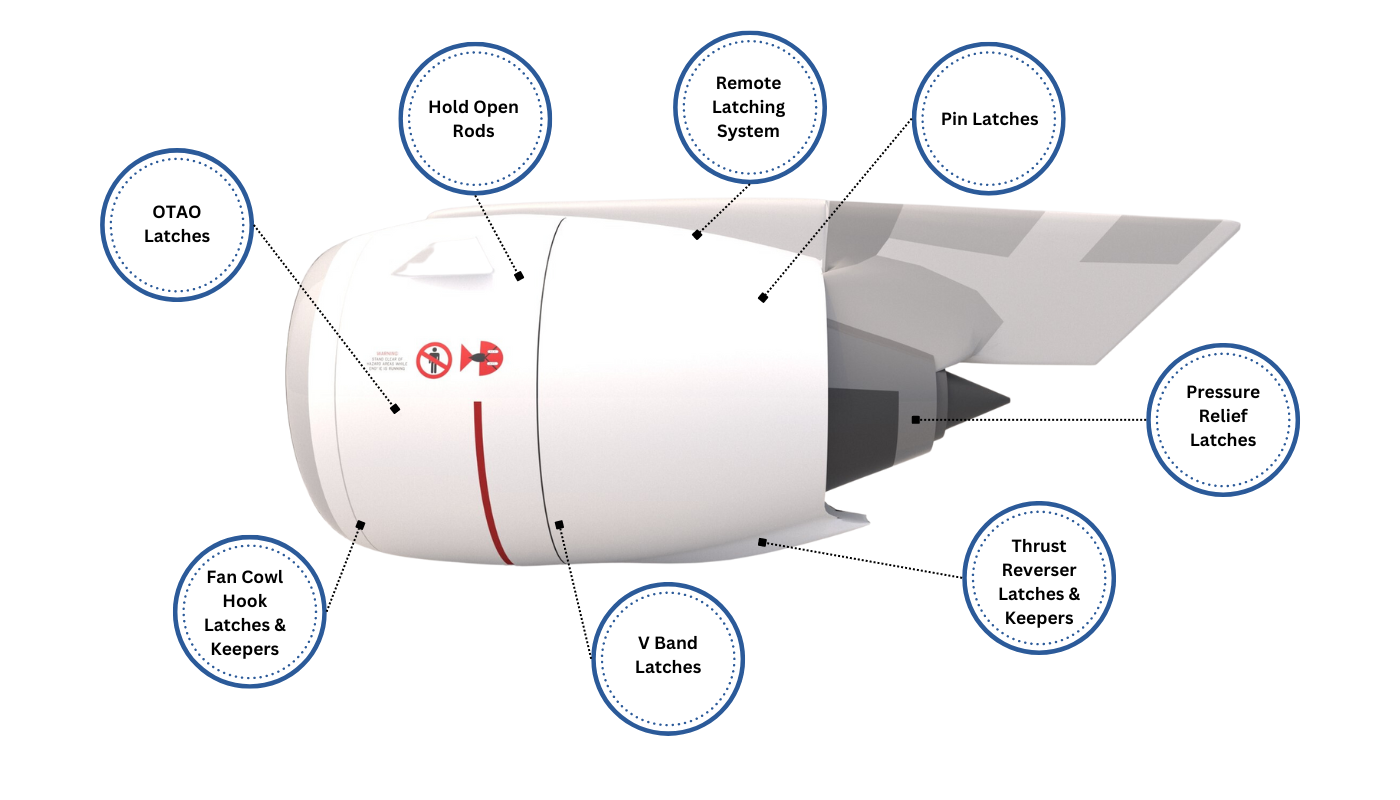
A modern aircraft nacelle is comprised of several distinct sections: the inlet (or cowl), the fan cowls, the thrust reverser, and the exhaust nozzle. Each part serves a specific technological purpose. The inlet must provide a smooth, uniform flow of air to the engine’s compressor, even at varying angles of attack. The fan cowls provide access for maintenance, while the exhaust nozzle directs high-velocity gases to produce thrust.
Aerodynamics and Drag Reduction
Technology in nacelle design is heavily focused on “laminar flow.” Engineers use computational fluid dynamics (CFD) to shape the nacelle so that air flows over it with minimal turbulence. By reducing skin friction and pressure drag, a well-designed nacelle can significantly improve the fuel efficiency of an aircraft. In an industry where a 1% improvement in fuel burn translates to millions of dollars in savings and massive reductions in carbon emissions, nacelle aerodynamics are a top priority for tech firms like Safran and Rohr.
Engine Protection and Noise Mitigation
One of the most vital “hidden” technologies within a nacelle is acoustic treatment. Modern nacelles are lined with honeycomb-like acoustic panels that are designed to trap and dissipate the deafening noise generated by the engine’s fan. Furthermore, the nacelle acts as a containment shield. In the rare event of a “blade out” (where a fan blade breaks off), the nacelle’s high-strength composite casing is engineered to contain the debris, preventing it from puncturing the fuselage or the fuel tanks in the wings.
2. Renewable Energy: The Powerhouse of the Wind Turbine
While the blades of a wind turbine capture the public’s attention, the nacelle is where the actual “work” of electricity generation happens. Located at the top of the tower, the nacelle houses the drivetrain, the generator, and the control systems.
Internal Components: Gearboxes and Generators
Inside the nacelle of a utility-scale wind turbine, kinetic energy is converted into electrical energy. In many models, this involves a massive gearbox that increases the slow rotation of the blades (around 10–20 RPM) to the high speeds required by the generator (around 1,500 RPM). The technology here involves precision lubrication systems and high-torque mechanical engineering. Conversely, many modern “Direct Drive” turbines have eliminated the gearbox entirely, using advanced permanent magnet generators housed within the nacelle to improve reliability and reduce weight.
Yaw Systems and Orientation Tech
For a wind turbine to operate efficiently, it must always face the wind. The nacelle is mounted on a “yaw system”—a collection of powerful motors and gears that rotate the entire nacelle based on data from wind vanes and anemometers mounted on its exterior. This automated tech ensures that the turbine maximizes energy capture while minimizing the structural stress caused by turbulent, off-axis winds.
Cooling and Climate Control in Extreme Environments
Nacelles often operate in the harshest environments on Earth, from the freezing Arctic to sweltering deserts and corrosive offshore salt sprays. The electronic components inside generate significant heat. Modern nacelle technology includes integrated HVAC systems, liquid cooling loops for the generator, and dehumidifiers to prevent internal corrosion. These systems are monitored 24/7 by SCADA (Supervisory Control and Data Acquisition) software, allowing technicians to troubleshoot issues from thousands of miles away.

3. Materials Science and Manufacturing Innovation
The transition from heavy metals to advanced composites has revolutionized nacelle technology. As engines and turbines grow larger, the challenge of managing weight while maintaining structural integrity has led to breakthroughs in materials science.
Advanced Composites and Lightweighting
In both aviation and wind energy, nacelles are increasingly made from carbon fiber reinforced polymers (CFRP) and glass fiber composites. These materials offer a superior strength-to-weight ratio compared to aluminum or steel. In aerospace, “lightweighting” the nacelle allows for larger, more fuel-efficient “high-bypass” engines without adding prohibitive weight to the airframe. In wind energy, lighter nacelles reduce the load on the tower and foundation, allowing for taller turbines and longer blades.
Additive Manufacturing (3D Printing) in Production
The tech industry is increasingly looking toward additive manufacturing to produce complex nacelle components. 3D printing allows for the creation of internal cooling channels and intricate lattice structures that are impossible to manufacture via traditional casting or milling. For example, fuel nozzles and internal brackets within a jet engine nacelle are now frequently 3D-printed, reducing part count and simplifying the supply chain.
Smart Sensors and Structural Health Monitoring
The modern nacelle is a “connected” device. Embedded within the composite skins are Fiber Bragg Grating (FBG) sensors and accelerometers. These sensors monitor the nacelle for micro-cracks, vibration anomalies, or thermal spikes. This technology enables “Predictive Maintenance,” where AI algorithms analyze sensor data to predict a component failure before it happens. This tech-driven approach minimizes downtime and prevents catastrophic failures in both jet engines and offshore wind farms.
4. The Future of Nacelle Technology: Electrification and AI
As we look toward the next decade, the nacelle is set to undergo its most significant transformation yet, driven by the push for net-zero emissions and the integration of artificial intelligence.
Electrification of Aviation and the “E-Nacelle”
The rise of hybrid-electric and fully electric aircraft is reimagining what a nacelle looks like. Unlike traditional combustion engines that require complex air intakes and exhaust systems, an electric motor nacelle focuses on battery thermal management and electromagnetic shielding. Tech companies are currently developing “E-Nacelles” that serve as integrated power units, combining the motor, inverter, and cooling system into a single, modular plug-and-play component.
Digital Twins and Design Optimization
The design of future nacelles is being handled by AI-driven “Digital Twins.” Before a physical prototype is even built, a perfect digital replica is subjected to billions of simulated flight hours or decades of simulated wind gusts. This allows engineers to optimize the nacelle’s shape and internal layout with a level of precision that was previously impossible. AI is also being used to optimize “morphing nacelles”—structures that can subtly change shape during different phases of flight or varying wind speeds to maintain peak aerodynamic efficiency.
Hydrogen Propulsion Challenges
For the future of long-haul green aviation, hydrogen is a leading candidate. However, housing hydrogen fuel cells or hydrogen-burning turbines requires a complete redesign of the nacelle. These “H2-Nacelles” must incorporate specialized venting systems to prevent gas buildup and cryogenic cooling tech to handle liquid hydrogen. The nacelle will effectively become a high-tech laboratory suspended under the wing, managing the most volatile fuel in the world with absolute precision.
Conclusion
The nacelle is far more than a protective skin; it is a critical technological interface between the power of nature (wind or combustion) and the mechanical systems that harness it. From the integration of carbon fiber and 3D-printed components to the implementation of AI-driven predictive maintenance, the evolution of the nacelle mirrors the broader trends in the global tech industry.
As we continue to demand faster travel and cleaner energy, the nacelle will remain at the forefront of engineering innovation. It is a testament to how “invisible” technology—the components we see every day but rarely think about—is often the very thing that makes the modern world possible. Whether it’s keeping a plane in the sky or keeping the lights on in a city, the nacelle is the quiet, high-tech guardian of our most vital machinery.
aViewFromTheCave is a participant in the Amazon Services LLC Associates Program, an affiliate advertising program designed to provide a means for sites to earn advertising fees by advertising and linking to Amazon.com. Amazon, the Amazon logo, AmazonSupply, and the AmazonSupply logo are trademarks of Amazon.com, Inc. or its affiliates. As an Amazon Associate we earn affiliate commissions from qualifying purchases.