
The world of seafood is vast and varied, populated by creatures both familiar and exotic. Among the latter, the monkfish often sparks curiosity, not just for its unusual appearance but also for its burgeoning presence in culinary circles and, by extension, its economic significance. While its name might evoke monastic simplicity, the reality of monkfish is far more complex, involving intricate ecosystems, global trade, and a surprising impact on the financial landscape of fisheries and restaurants. To truly understand “what is a monkfish” from a financial perspective is to delve into its market value, the economics of its harvest, and its position as a high-value commodity in the global food industry.

The Economic Anatomy of Monkfish: From Catch to Cash
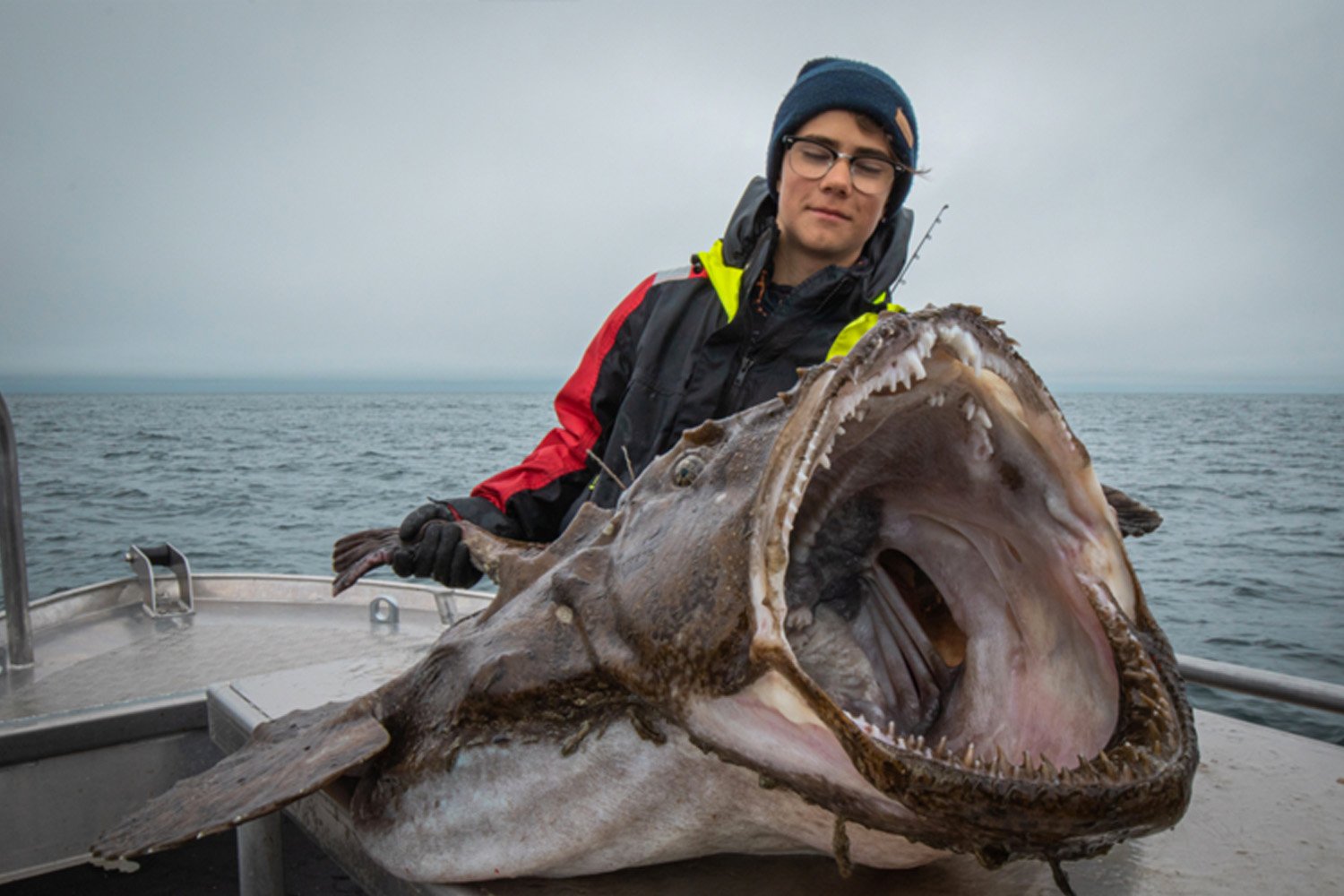
Monkfish, scientifically known as Lophius spp., are bottom-dwelling marine predators characterized by their broad, flattened heads and a distinctive “fishing rod” appendage (the illicium) used to lure prey. However, their economic value lies not in their predatory prowess, but in their firm, white flesh, often likened to lobster or scallops – a premium product commanding significant market prices. Understanding the economics of monkfish begins with its journey from the ocean floor to the dinner plate, a process heavily influenced by factors such as fishing quotas, market demand, and supply chain efficiency.
The Global Marketplace and Price Dynamics
The global monkfish market is a dynamic arena where supply and demand dictate prices. Major fishing grounds are located in the North Atlantic, particularly off the coasts of Europe and North America, as well as in parts of the Pacific. Countries like Spain, France, Japan, and the United States are significant players in both the catch and consumption of monkfish. The price of monkfish can fluctuate considerably based on seasonal availability, the success of fishing seasons, and prevailing market trends. For instance, a particularly good fishing season can lead to an oversupply, potentially driving down prices, while a poor season coupled with high demand can see prices surge.
Fishermen and distributors carefully monitor these market dynamics. The price per pound can vary significantly, ranging from moderate to quite high, depending on the quality, size, and origin of the catch. Larger, more robust specimens often fetch higher prices, reflecting the yield of usable flesh. Moreover, the reputation of a particular fishing region for sustainably harvested and high-quality monkfish can also command a premium. Investors and businesses involved in the seafood industry, from aquaculture operations looking to diversify to wholesale seafood distributors, are keenly aware of these price fluctuations and factor them into their business strategies.
The Cost of Catch: Fishing Operations and Sustainability
The economic viability of monkfish fisheries is intrinsically linked to the costs associated with their harvest. Fishing for monkfish, often conducted using trawling methods, involves substantial capital investment in vessels, equipment, and fuel. The operational costs, including crew salaries, maintenance, and the ever-fluctuating price of fuel, directly impact the profitability of fishing enterprises. Furthermore, the implementation of sustainable fishing practices, while crucial for the long-term health of the ecosystem and the industry, can also introduce additional costs. These might include investing in more selective fishing gear to minimize bycatch or adhering to stricter regulations that limit the number of fishing days or the total allowable catch.
Regulatory Frameworks and Quota Management
Government regulations and international agreements play a pivotal role in shaping the economic landscape of monkfish fisheries. Quotas, designed to prevent overfishing and ensure the sustainability of monkfish populations, directly influence the volume of fish that can be brought to market. These quotas are often set by fisheries management bodies based on scientific assessments of fish stocks. The allocation of these quotas can have significant economic implications for fishing communities and individual fishermen. Businesses that secure larger quotas often have a competitive advantage, while those with limited access may face challenges in scaling their operations. The cost of obtaining and maintaining fishing licenses and permits also contributes to the overall economic equation.
Monkfish as a High-Value Commodity: Culinary Appeal and Market Demand
The culinary world has increasingly embraced monkfish, elevating it from a lesser-known catch to a sought-after delicacy. This rising popularity is a key driver of its economic value, influencing demand and, consequently, market prices. Restaurants, particularly fine-dining establishments, often feature monkfish on their menus, capitalizing on its unique texture and ability to absorb flavors, making it a versatile ingredient.
The “Poor Man’s Lobster” Premium
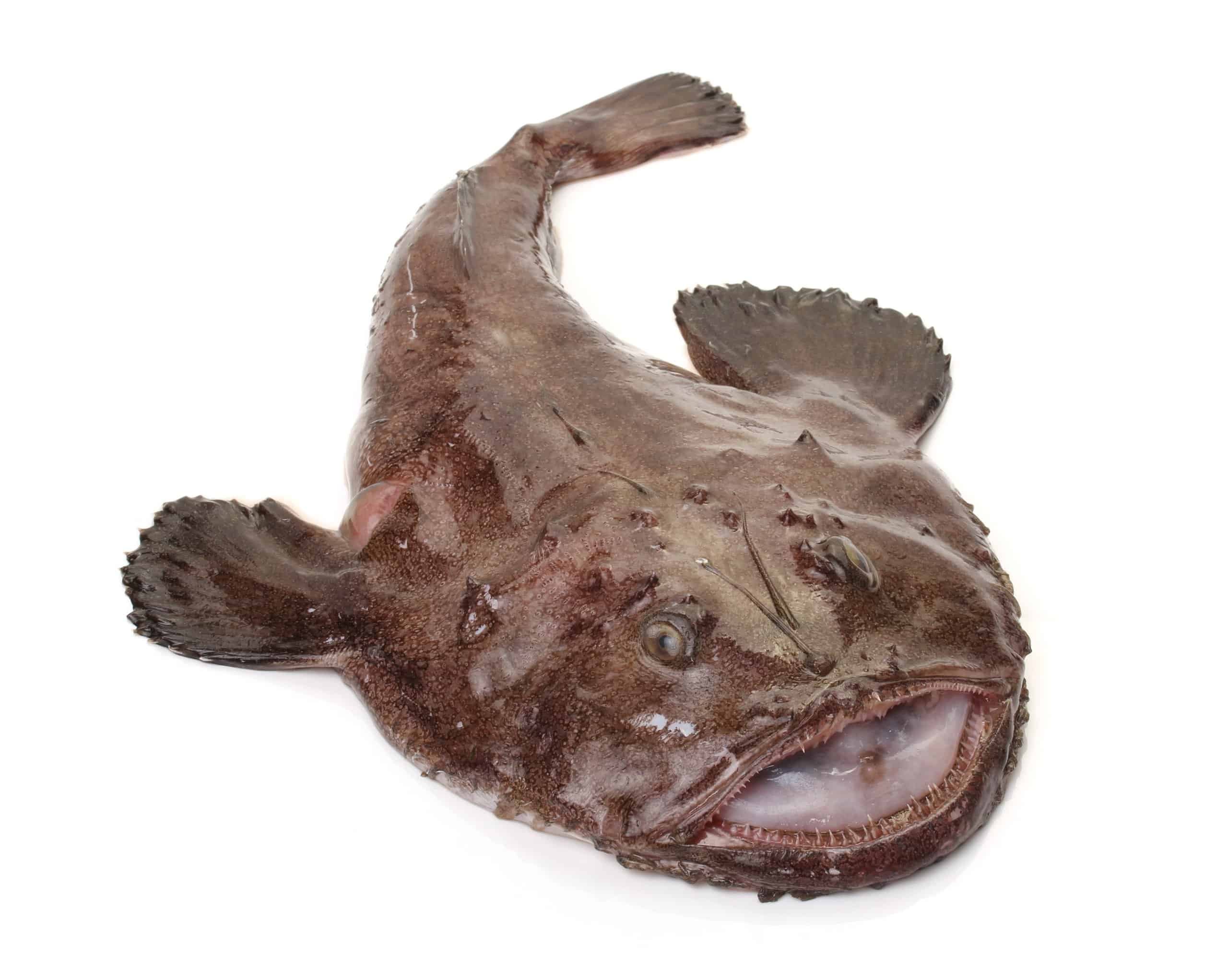
Historically, monkfish was sometimes referred to as the “poor man’s lobster” due to its similar texture and taste at a lower price point. However, as its culinary reputation has grown, this appellation has become less accurate. Monkfish has carved out its own niche, commanding prices that reflect its desirability. The demand from chefs and discerning consumers seeking high-quality seafood contributes significantly to its market value. This demand creates a lucrative segment within the broader seafood market, attracting specialized suppliers and distributors.
Global Trade and Export Potential
The global trade in monkfish is a significant economic factor. Countries with abundant monkfish populations often export substantial quantities to other nations where demand outstrips local supply. This international trade creates export revenues for fishing nations and provides a steady supply for importing countries. The logistics of this global trade are complex, involving specialized packaging, refrigeration, and adherence to international food safety standards. Businesses involved in the export and import of monkfish must navigate customs regulations, trade agreements, and currency exchange rates, all of which contribute to the final cost and profitability.
Value-Added Products and Market Diversification
Beyond fresh and frozen whole fish, the monkfish industry is exploring value-added products to enhance its economic reach. This can include pre-portioned fillets, marinated monkfish, or even monkfish pâtés. These value-added options can cater to a wider consumer base, including those seeking convenience, and can often command higher margins than the raw product. Such diversification strategies are crucial for businesses looking to maximize their returns and mitigate the risks associated with fluctuating raw material prices. The development and marketing of these products require investment in processing technologies, packaging, and consumer outreach, further contributing to the economic ecosystem surrounding monkfish.
Investing in the Monkfish Economy: Opportunities and Challenges
The growing recognition of monkfish as a valuable seafood commodity presents opportunities for investment, but also carries inherent risks. Understanding these economic dynamics is crucial for anyone considering engagement in the monkfish value chain.
Opportunities in the Supply Chain
Investment opportunities in the monkfish economy can span various stages of the supply chain. This includes direct investment in fishing fleets, seafood processing plants, or distribution networks. Companies specializing in sustainable aquaculture of monkfish, while nascent, also represent a potential growth area, offering an alternative to wild-caught stocks and potentially more predictable supply. Furthermore, businesses that provide essential services to the fishing industry, such as vessel maintenance, equipment supply, or cold storage facilities, also benefit from the economic activity generated by monkfish.
The Role of Financial Instruments and Market Analysis
For larger investors, financial instruments such as futures contracts on seafood commodities, while not directly common for monkfish, illustrate the potential for financialization within the broader seafood market. More directly, investment in seafood companies that are heavily involved in monkfish fishing, processing, or distribution can offer exposure to this market. Thorough market analysis is paramount. This involves understanding historical price trends, projecting future demand based on demographic shifts and culinary trends, assessing the impact of environmental factors on fish stocks, and staying abreast of regulatory changes. Financial advisory firms specializing in the agricultural and fisheries sectors can provide valuable insights for potential investors.
Risks and Sustainability Considerations
Despite the opportunities, investing in the monkfish economy is not without its risks. Overfishing, if not managed effectively through robust quotas and enforcement, can lead to the depletion of stocks, rendering fishing operations economically unviable. Climate change poses another significant threat, with rising ocean temperatures and changing ocean currents potentially impacting monkfish habitats and distribution. Economic downturns can also affect consumer spending on premium seafood. Therefore, a long-term investment perspective, coupled with a strong emphasis on sustainability and responsible fishing practices, is essential for mitigating these risks and ensuring the continued economic prosperity of the monkfish industry. The financial success of monkfish is ultimately intertwined with the ecological health of our oceans.
In conclusion, understanding “what is a monkfish” from a financial perspective reveals a complex interplay of ecological factors, global markets, and culinary trends. Its journey from a relatively obscure catch to a sought-after ingredient underscores the dynamic nature of the seafood economy. For fishermen, distributors, chefs, and investors alike, the monkfish represents not just a food item, but a valuable commodity whose economic significance continues to grow, driven by demand, regulated by sustainability, and shaped by the ever-evolving global marketplace.
aViewFromTheCave is a participant in the Amazon Services LLC Associates Program, an affiliate advertising program designed to provide a means for sites to earn advertising fees by advertising and linking to Amazon.com. Amazon, the Amazon logo, AmazonSupply, and the AmazonSupply logo are trademarks of Amazon.com, Inc. or its affiliates. As an Amazon Associate we earn affiliate commissions from qualifying purchases.