
The term “midfielder” in soccer conjures images of dynamic players orchestrating play from the heart of the pitch. Once a more straightforward designation, the modern midfielder is a figure whose role is increasingly defined, analyzed, and optimized through a sophisticated array of technological advancements. From the raw data generated by player-tracking systems to the intricate simulations employed by coaching staff, technology has fundamentally reshaped our understanding and execution of the midfield position. This article delves into what constitutes a midfielder in contemporary soccer, viewed through the lens of the technological innovations that have elevated their importance and capabilities.
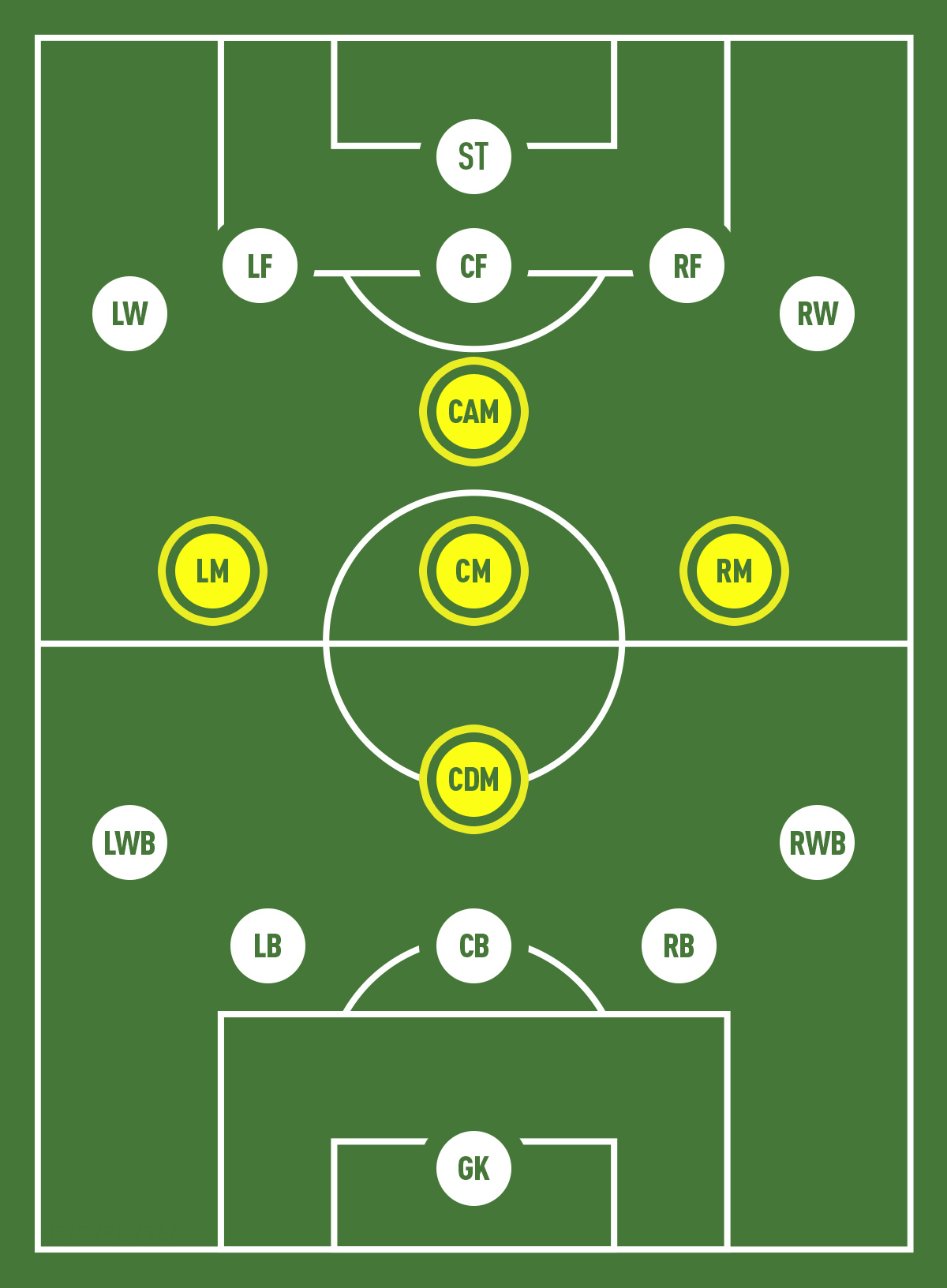
The Evolving Tactical Blueprint: Data-Driven Midfield Operations
The traditional understanding of a midfielder as a player who links defense and attack has been augmented by an unprecedented level of granular data. Modern soccer is awash in information, and the midfielder, situated at the epicenter of most on-ball and off-ball actions, is a primary source and beneficiary of this data deluge. This technological infusion has moved the role beyond intuition and experience to a more precise, quantifiable, and strategically refined domain.
Player Tracking and Performance Metrics
At the core of modern soccer analytics lies player tracking technology. Through a network of cameras, GPS devices embedded in player vests, and advanced computer vision algorithms, every movement on the field is meticulously recorded. For midfielders, this translates into a wealth of data points that go far beyond simple possession statistics.
- Distance Covered and Work Rate: Traditional metrics like “distance covered” have become more sophisticated. Wearable sensors can now differentiate between high-intensity runs, sprints, and slower jogging, providing a clearer picture of a midfielder’s aerobic capacity and their ability to sustain pressing or covering ground throughout a match. This data helps coaches identify players who can effectively dictate the tempo of the game through their relentless movement.
- Heatmaps and Positional Analysis: Sophisticated software generates heatmaps, visually representing areas of the pitch where a midfielder spends most of their time. These heatmaps, when analyzed in conjunction with opposition positioning, offer critical insights into tactical discipline, defensive responsibilities, and attacking threats. For example, a heatmap showing a defensive midfielder consistently operating deep in their own half might indicate a need for more forward passing or support, while one showing an attacking midfielder frequently drifting wide could highlight a desire to exploit space or create overloads.
- Pass Networks and Influence: Advanced algorithms can map out passing networks, illustrating which players a midfielder connects with most frequently and the direction of these passes. This reveals their role as a playmaker, a conduit for possession, or a player who specializes in breaking lines. Analyzing pass completion rates, pass success under pressure, and the types of passes (e.g., through balls, layoffs) provides a deep understanding of their technical efficiency and decision-making under duress.
Tactical Software and Simulation
Beyond individual player data, technology plays a pivotal role in team-wide tactical planning, with midfielders being central to the execution of these strategies. Specialized software allows coaches to simulate various game scenarios, analyze opposition weaknesses, and design optimal midfield configurations.
- Video Analysis Tools: High-definition cameras capture every angle of training sessions and matches. Dedicated software allows coaches to isolate specific player actions, analyze formations, and demonstrate tactical principles to midfielders. This includes dissecting defensive shape, pressing triggers, and attacking patterns of play, enabling midfielders to visually understand their responsibilities and how they fit into the team’s overarching strategy.
- Set-Piece Software: Midfielders often play crucial roles in both attacking and defending set pieces. Software can model the trajectory of crosses, identify key areas of congestion, and help design optimal runs and defensive marking schemes. This technological approach ensures that even seemingly minor aspects of the game are strategically planned and rehearsed, with midfielders executing precise movements based on simulated outcomes.
- Opponent Analysis Platforms: Detailed scouting reports, often compiled using advanced analytics, provide midfielders with intimate knowledge of opposition players’ tendencies, strengths, and weaknesses. This allows them to anticipate movements, exploit gaps, and make informed decisions about their positioning and pressing actions, turning potential gambles into calculated strategic moves.
The Athletic Engineer: Biomechanics and Sports Science Tech
The physical demands placed on modern midfielders are immense, and technology has become indispensable in optimizing their athletic development and injury prevention. The sophisticated application of sports science, underpinned by technological innovation, ensures that midfielders are not just skilled footballers but also highly conditioned athletes capable of performing at peak levels for extended periods.
Biomechanical Analysis and Injury Prevention
The human body, in motion, generates a wealth of data that can be analyzed to improve performance and mitigate risk. For midfielders, whose roles often involve explosive movements, sharp turns, and sustained exertion, understanding biomechanics is paramount.
- Motion Capture Technology: Using infrared cameras and marker-based systems, motion capture technology tracks the precise movements of a midfielder’s joints and limbs. This detailed analysis can identify inefficiencies in running gait, landing mechanics, or acceleration patterns, which, if unaddressed, could lead to injuries or reduced performance. Coaches and physiotherapists use this data to prescribe targeted drills and corrective exercises.
- Force Plates and Jump Analysis: Force plates measure the ground reaction forces generated when a player lands or pushes off. This data, combined with jump analysis, helps assess lower body power, explosiveness, and fatigue levels. For midfielders who frequently contest aerial duels or make quick changes of direction, this information is crucial for developing and maintaining explosive power.
- Wearable Sensors for Load Management: Beyond tracking distance, advanced wearables monitor heart rate variability, sleep patterns, and muscle activation. This comprehensive approach allows sports scientists to precisely manage a midfielder’s training load, preventing overtraining and reducing the risk of common injuries like muscle strains or ligament tears. By understanding individual recovery rates and physiological responses, training programs can be personalized to an unprecedented degree.
Nutritional and Recovery Technologies
Performance is not solely about training; it’s also about what happens off the pitch. Technological advancements in nutrition and recovery have become integral to the modern midfielder’s preparation and longevity.
- Smart Hydration and Nutrition Monitoring: Devices can track sweat rates and electrolyte loss, allowing for personalized hydration strategies during matches and training. Similarly, nutritional analysis tools can help midfielders understand their macronutrient and micronutrient needs, with apps and wearable sensors offering real-time feedback on dietary intake and its impact on performance.
- Recovery Modalities and Monitoring: Technologies such as cryotherapy chambers, compression therapy garments, and advanced massage devices are now commonplace. Sensors embedded in these recovery tools can provide data on muscle tissue response, blood flow, and inflammation levels, helping to guide the most effective recovery protocols for each individual midfielder. The ability to objectively measure the efficacy of recovery techniques ensures that players are physically ready for the next challenge.
The Scouting and Development Pipeline: AI and Predictive Analytics
The future of finding and nurturing talent, particularly for specialized roles like midfielders, is increasingly being shaped by artificial intelligence and sophisticated data analytics. These technologies are revolutionizing how clubs identify potential, assess existing talent, and tailor development pathways.
AI-Powered Talent Identification
Traditional scouting relies heavily on human observation. While invaluable, it can be subjective and limited by geographical constraints. AI is augmenting this process by analyzing vast datasets to identify promising midfielders who might otherwise be overlooked.
- Video Scouting and Match Analysis: AI algorithms can sift through hours of match footage, identifying players who consistently exhibit desired traits – such as intelligent passing, effective pressing, or a high work rate – regardless of league or geographical location. This allows scouts to focus their attention on players who have already demonstrated statistical promise.
- Predictive Modeling for Potential: By analyzing a player’s historical performance data, physical attributes, and even their developmental trajectory, AI can create predictive models to forecast their potential to succeed at higher levels. This helps clubs make more informed decisions about investing in youth academies and signing young talent.
- Psychometric and Behavioral Analysis: Emerging technologies are also beginning to explore the psychological aspects of player performance. AI can analyze player interactions in training, their responses to pressure, and even their communication patterns to gauge their mental fortitude and suitability for demanding midfield roles.

Personalized Development Programs
Once identified, midfielders require tailored development. Technology ensures that their progression is guided by data and personalized insights, not just generic training plans.
- Virtual Reality (VR) for Tactical Training: VR platforms allow midfielders to experience realistic game scenarios in a controlled environment. They can practice decision-making, spatial awareness, and tactical execution without the physical strain of a full match, receiving immediate feedback on their choices. This is particularly beneficial for understanding complex formations and pressing schemes.
- Data-Informed Skill Development: By analyzing a midfielder’s performance data, specific areas for improvement can be pinpointed with remarkable accuracy. Whether it’s improving their weaker foot’s passing accuracy, increasing their defensive interception rate, or enhancing their long-ball distribution, technology provides the quantifiable targets and drills needed for effective skill development.
- Individualized Fitness and Conditioning: Based on biomechanical and performance data, AI can generate highly personalized fitness programs. This ensures that midfielders are not over-trained in areas of strength or under-trained in areas of weakness. The focus shifts from a one-size-fits-all approach to a data-driven, bespoke athletic development plan.
In conclusion, the midfielder in modern soccer is a product of a technological revolution. Their role has evolved from a purely physical and intuitive position to one that is deeply intertwined with data analytics, biomechanical precision, and AI-driven insights. Understanding “what is a midfielder” today means understanding the sophisticated technological ecosystem that empowers them, refines their skills, and ultimately, shapes the strategic landscape of the game. They are not just players; they are data-driven athletes, engineered for performance in the most technologically advanced era of soccer.
aViewFromTheCave is a participant in the Amazon Services LLC Associates Program, an affiliate advertising program designed to provide a means for sites to earn advertising fees by advertising and linking to Amazon.com. Amazon, the Amazon logo, AmazonSupply, and the AmazonSupply logo are trademarks of Amazon.com, Inc. or its affiliates. As an Amazon Associate we earn affiliate commissions from qualifying purchases.