
In the realm of finance and business, the term “judgment” carries significant weight, often signifying a definitive resolution to a financial dispute or a critical assessment of an entity’s financial standing. While colloquially it might refer to an opinion or a decision, within the context of Money, a judgment is a formal, legally binding declaration that has profound implications for individuals, businesses, and financial institutions alike. It can arise from various scenarios, from debt collection to bankruptcy proceedings, and understanding its nature, implications, and avenues for resolution is crucial for navigating the financial landscape.
The Legal Framework of Financial Judgments
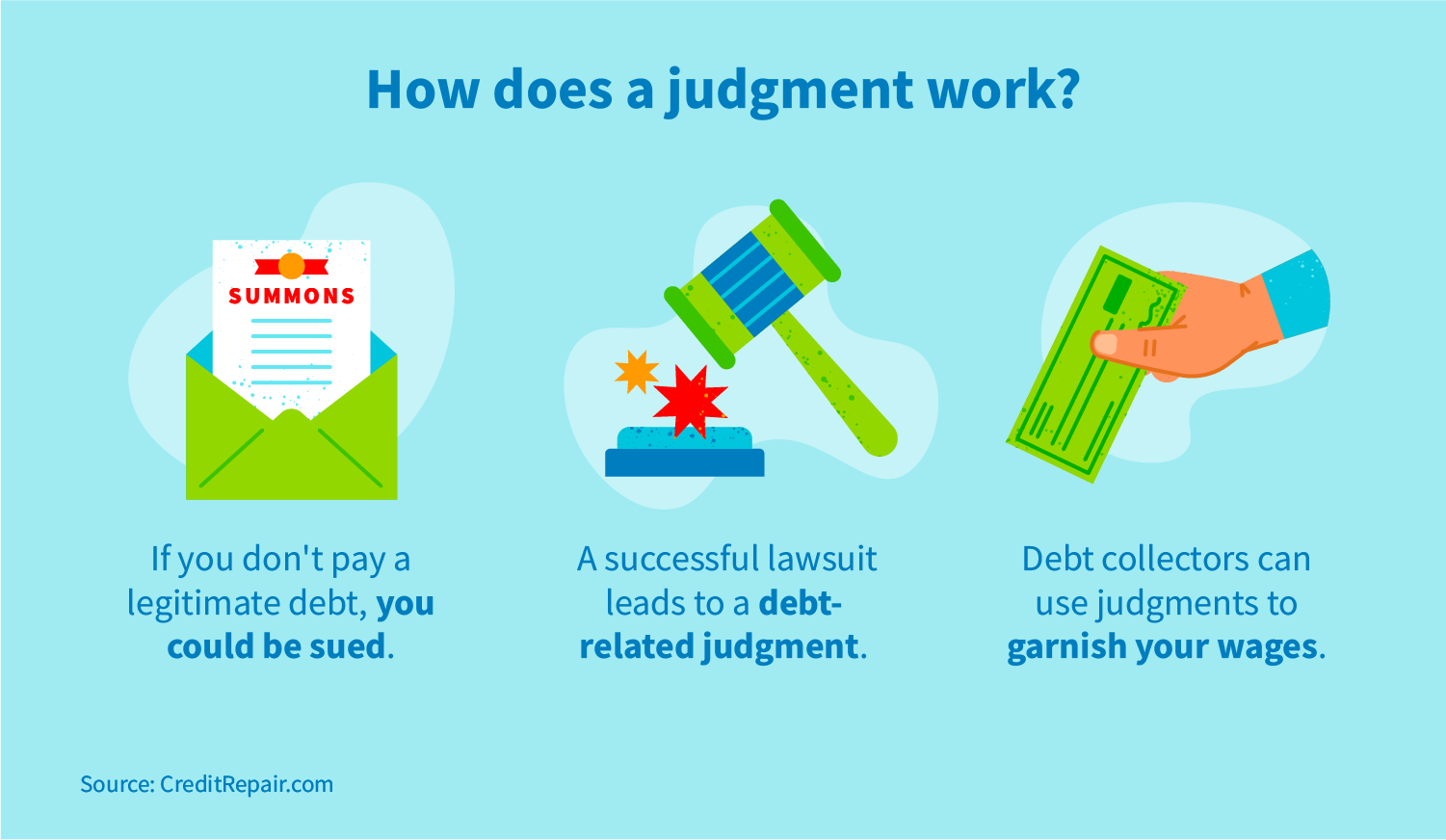
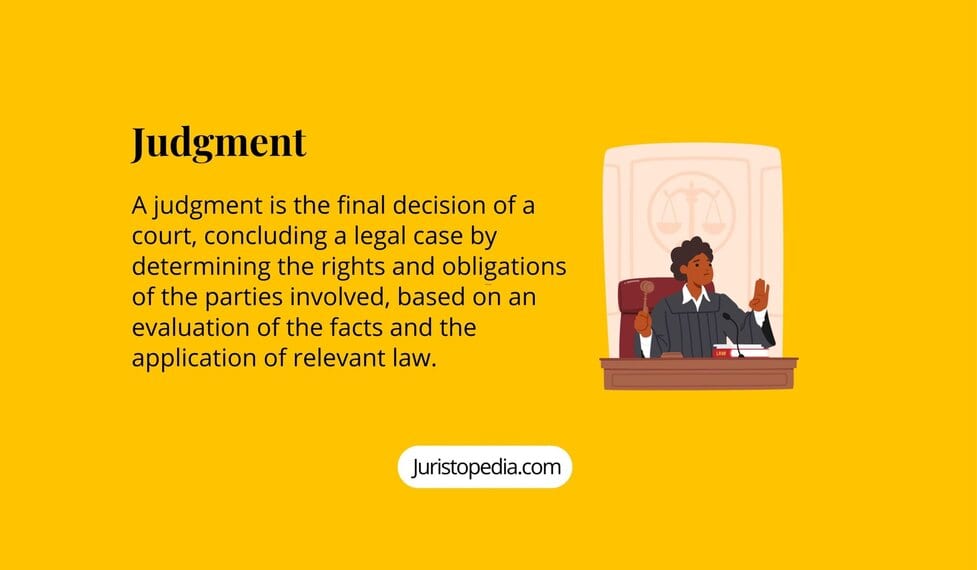
At its core, a financial judgment is an official decree issued by a court of law. It typically arises when one party owes a debt or obligation to another, and that debt or obligation remains unpaid or unfulfilled after all reasonable attempts at resolution have failed. The legal process leading to a judgment often involves litigation, where the creditor presents evidence of the debt, and the debtor has the opportunity to present a defense. If the court finds in favor of the creditor, it issues a judgment ordering the debtor to pay the outstanding amount, often with accrued interest and legal costs.
Types of Financial Judgments
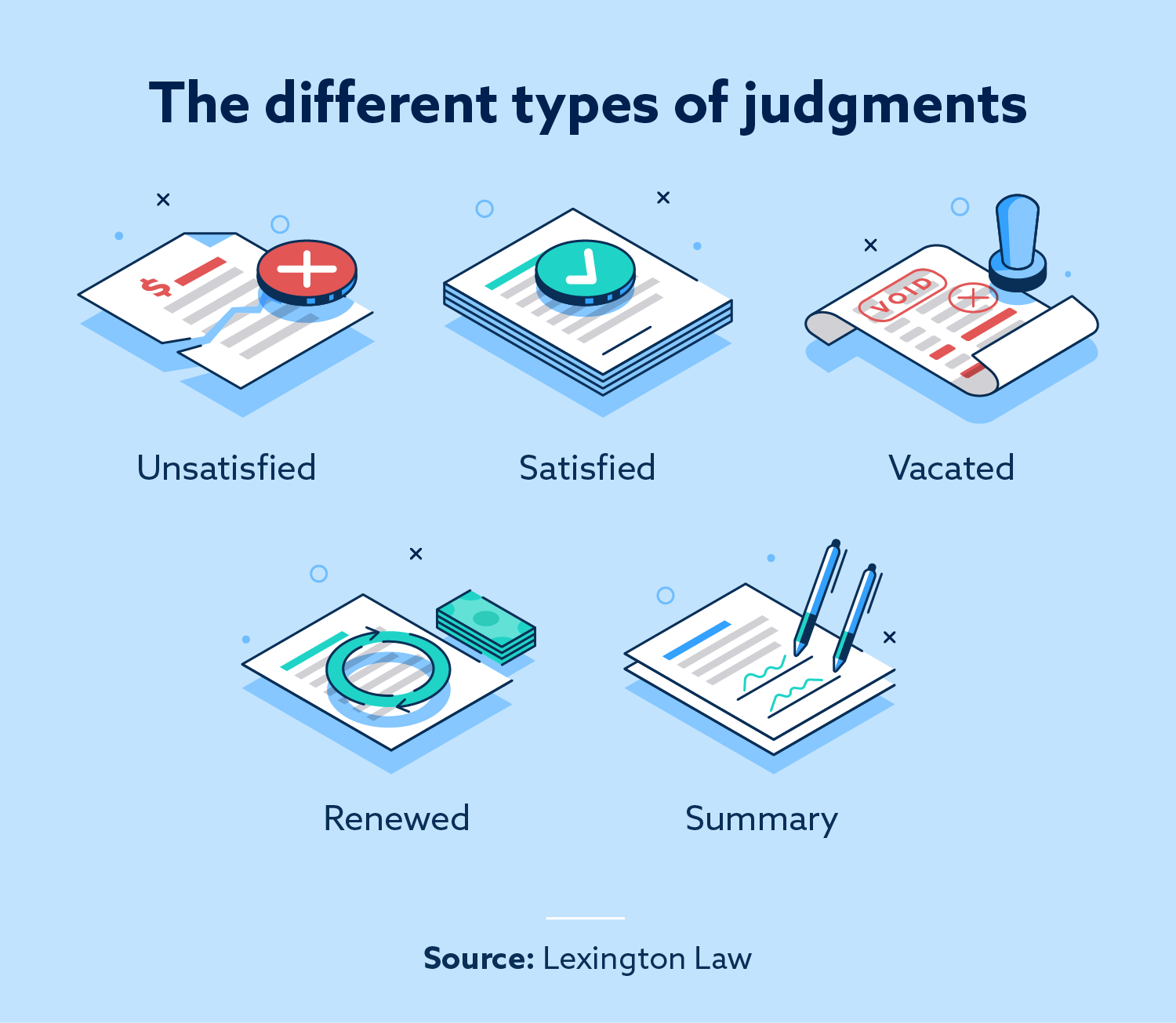
The landscape of financial judgments is diverse, reflecting the various ways financial obligations can become subjects of legal contention. Understanding these distinctions is key to appreciating the scope and impact of such judgments.
Default Judgments
Perhaps the most straightforward type of judgment is a default judgment. This occurs when a defendant in a legal action fails to respond to a lawsuit within the prescribed timeframe. By not appearing or filing a defense, the defendant is deemed to have admitted the allegations made by the plaintiff. Consequently, the court can enter a judgment in favor of the plaintiff without a full trial. This highlights the importance of prompt and proper legal response to any summons or lawsuit received.
Consent Judgments
In contrast to default judgments, consent judgments are reached when both parties involved in a dispute agree to the terms of the judgment. This often happens when the debtor acknowledges the debt but is unable to pay the full amount immediately. Through negotiation and legal counsel, an agreement is struck regarding payment schedules, amounts, or other terms, which is then formalized and approved by the court. Consent judgments can be advantageous as they avoid the protracted and costly process of a full trial and allow for a mutually agreed-upon resolution.
Judgments After Trial
When parties cannot reach an agreement or a default situation doesn’t occur, a case may proceed to trial. Here, evidence is presented, witnesses testify, and legal arguments are made. The court, based on the presented facts and applicable law, will then render a judgment. This can be a monetary award, a declaration of rights, or an order to perform or cease a specific action. These judgments are the outcome of a thorough legal process and carry significant weight.
Foreign Judgments
In an increasingly globalized world, financial transactions often cross national borders. A foreign judgment is a judgment rendered by a court in one jurisdiction that is sought to be enforced in another jurisdiction. The enforcement of foreign judgments is typically governed by specific international treaties or reciprocal enforcement laws, ensuring that legal obligations can be recognized and upheld across different legal systems, albeit with often complex procedures.
The Far-Reaching Consequences of a Financial Judgment
Receiving a financial judgment, particularly one that is unfavorable, can have a cascade of negative repercussions for an individual or business. These consequences extend beyond the immediate debt and can significantly impact financial health, creditworthiness, and even personal freedom.
Enforcement Mechanisms and Their Impact
Once a judgment is entered, the creditor has legal avenues to enforce it and collect the debt. These enforcement mechanisms are designed to compel payment and can be quite impactful.
Wage Garnishment
One of the most common enforcement tools is wage garnishment. This court-ordered process allows a creditor to collect a portion of a debtor’s wages directly from their employer. The amount that can be garnished is typically limited by federal and state laws to ensure the debtor retains sufficient funds for basic living expenses. However, even a percentage of one’s income can represent a significant financial strain.
Bank Account Levy
Creditors can also seek to levy a debtor’s bank accounts. This involves a court order that directs the bank to seize funds from the debtor’s account up to the amount of the judgment. This can be a swift and effective way for creditors to recover what they are owed, but it can also leave a debtor with no readily available cash.
Property Liens
For judgments involving significant debts, creditors may place liens on a debtor’s real estate or other valuable assets. A lien is a legal claim against a property that prevents its sale or refinancing until the debt is paid. In some cases, a creditor may even pursue foreclosure or repossession of the property to satisfy the judgment.
Asset Seizure
In certain circumstances, a court may order the seizure of other personal property owned by the debtor, such as vehicles, valuable equipment, or other assets that can be liquidated to satisfy the judgment. The specifics of what assets are subject to seizure can vary significantly based on jurisdiction and the type of debt.
Credit Score Damage and Future Financial Obstacles
A financial judgment is a serious derogatory mark on a credit report. It signals to lenders and creditors that the individual or business has a history of defaulting on financial obligations. This can lead to a dramatic drop in credit scores, making it exceedingly difficult to obtain new loans, credit cards, or even secure housing or employment in some cases. The impact on creditworthiness can be long-lasting, often persisting for several years after the judgment is resolved.
Psychological and Social Strain
Beyond the tangible financial consequences, a judgment can also impose significant psychological and social strain. The constant worry about enforcement actions, the loss of financial autonomy, and the potential for public record of the judgment can lead to stress, anxiety, and feelings of shame. This can affect personal relationships and overall well-being.
Navigating and Resolving Financial Judgments
While a judgment can seem like an insurmountable obstacle, it is not necessarily an end point. There are strategies and processes that individuals and businesses can employ to address, mitigate, and potentially resolve financial judgments.
Seeking Legal Counsel and Understanding Options
The first and most crucial step upon facing a potential or actual judgment is to seek experienced legal counsel. An attorney specializing in debt resolution or bankruptcy can provide invaluable guidance.
Defense Strategies
If a judgment is still in its early stages, an attorney can assess whether there are grounds to challenge the judgment itself. This could involve proving the debt was not owed, that proper legal procedures were not followed, or that the statute of limitations has expired.
Negotiating Settlements
Even after a judgment has been entered, it may be possible to negotiate a settlement with the creditor. This often involves offering a lump sum payment that is less than the full amount owed, or establishing a structured payment plan that is more manageable for the debtor. The creditor may be amenable to a settlement to avoid the ongoing costs and uncertainties of enforcement.
Bankruptcy Proceedings
For individuals or businesses overwhelmed by debt, bankruptcy may be a viable option to address judgments. Depending on the type of bankruptcy filed (e.g., Chapter 7 or Chapter 13 for individuals, Chapter 11 or Chapter 7 for businesses), a judgment may be discharged, restructured, or paid through a repayment plan. This is a complex legal process and requires careful consideration with a bankruptcy attorney.
Payment Plans and Satisfaction of Judgment
If a settlement is reached or if the debtor intends to pay the full amount, establishing a clear payment plan is essential. Once the judgment is fully satisfied, the creditor is legally obligated to file a “Satisfaction of Judgment” with the court. This document officially clears the debt and removes the lien from any property, which is crucial for restoring financial standing.
Importance of Documentation
Throughout the process of resolving a judgment, meticulous record-keeping is paramount. All communications, agreements, payment receipts, and legal filings should be carefully documented. This evidence is critical to prove satisfaction of the judgment and to protect against any future claims.
The Long Road to Financial Recovery
Rebuilding financial health after a judgment can be a long and challenging process. It requires discipline, a commitment to responsible financial management, and a clear understanding of how the judgment has impacted creditworthiness.
Credit Rebuilding Strategies
Once a judgment is resolved, focusing on rebuilding credit is essential. This involves making timely payments on new credit, keeping credit utilization low, and monitoring credit reports for accuracy. Over time, consistent positive financial behavior can help to improve credit scores.
Preventive Measures
The best approach to financial judgments is often prevention. This includes maintaining a good credit history, living within one’s means, having an emergency fund, and seeking professional financial advice before making significant financial decisions. Understanding and respecting financial obligations is key to avoiding the distress and difficulties associated with legal judgments.
In conclusion, a financial judgment is a powerful legal instrument with substantial implications. It is not merely a declaration of debt but a formal court order that can trigger a series of enforcement actions impacting an individual’s or business’s financial stability and future prospects. By understanding the nature of judgments, their consequences, and the available avenues for resolution, individuals and businesses can better navigate these challenging financial situations and work towards a more secure financial future.
aViewFromTheCave is a participant in the Amazon Services LLC Associates Program, an affiliate advertising program designed to provide a means for sites to earn advertising fees by advertising and linking to Amazon.com. Amazon, the Amazon logo, AmazonSupply, and the AmazonSupply logo are trademarks of Amazon.com, Inc. or its affiliates. As an Amazon Associate we earn affiliate commissions from qualifying purchases.