
An impact drill, often referred to as an impact driver or a hammer drill (though there are nuanced differences), is a power tool designed to deliver high torque with a rapid hammering action. This unique combination makes it exceptionally effective for fastening screws into tough materials and for drilling into harder surfaces where a standard drill might struggle. Unlike a standard drill that primarily relies on rotational force, an impact drill adds a concussive, percussive blow that drives fasteners deeper and more efficiently. This article will delve into the technical intricacies of what an impact drill is, how it functions, its distinct advantages over conventional drills, and the various applications where its unique capabilities shine.
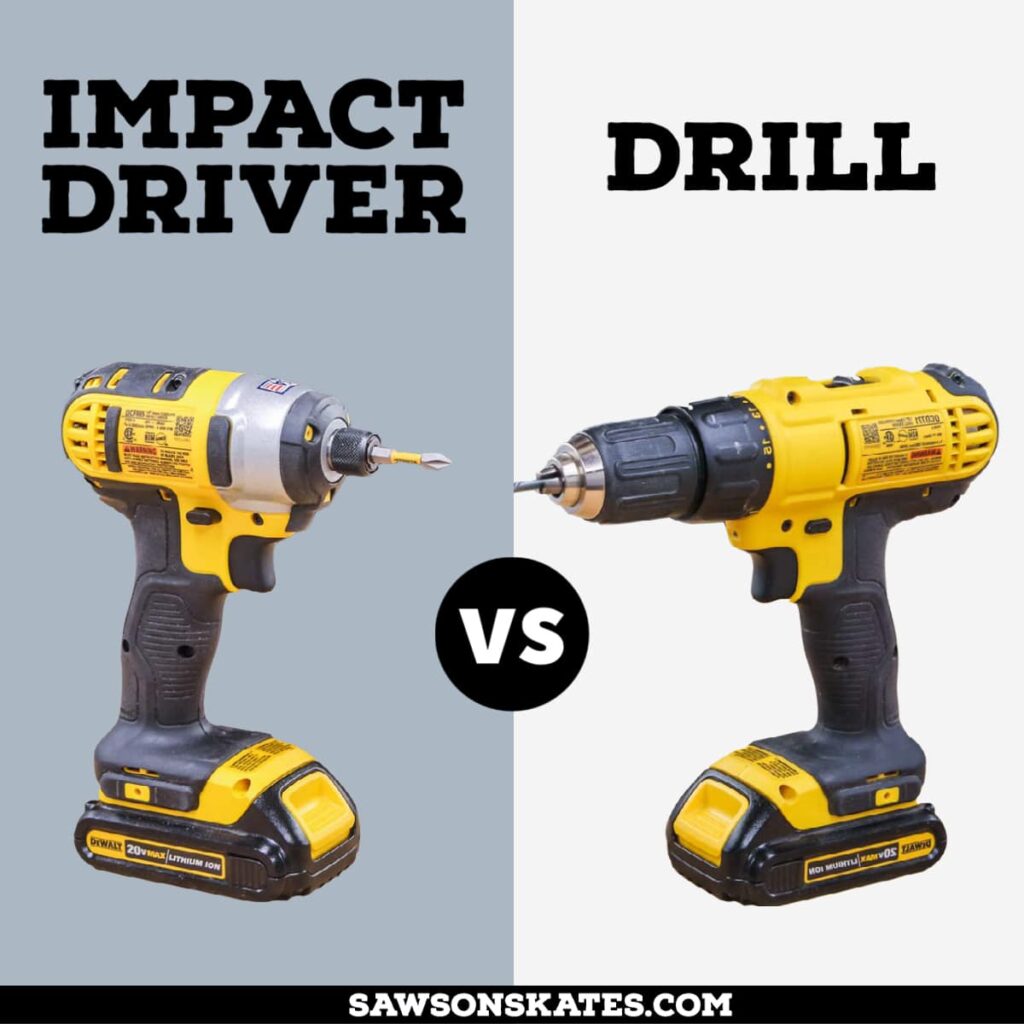
The Mechanics of Percussive Power: How an Impact Drill Works
At its core, an impact drill differentiates itself through a specialized mechanism that generates its characteristic hammering action. Understanding this mechanism is key to appreciating the tool’s power and utility.
Rotational Torque Generation
Like any drill, an impact drill utilizes an electric motor to spin a chuck, which holds the drill bit or driver bit. The motor’s power is converted into rotational force, measured in torque. However, the impact mechanism is what sets it apart.
The Impact Mechanism: A Symphony of Gears and Springs
The defining feature of an impact drill is its internal impact mechanism. When the trigger is pulled and the tool is under load, this mechanism engages. It typically consists of a set of cams and a spring-loaded hammer. As the motor spins, a rotating ring (cam) engages with a perpendicular hammer. This engagement forces the hammer backward against the spring.
When the cam rotates past a certain point, it releases the hammer. The spring then propels the hammer forward at high speed, striking a rotating anvil. The anvil is directly connected to the output shaft of the drill, which is in turn connected to the chuck. This rapid succession of hammer strikes against the anvil imparts a forceful, percussive blow in the same direction as the rotational force. This simultaneous application of rotational torque and hammering action is what allows the impact drill to overcome resistance far more effectively than a standard drill.
The “Impact” versus “Hammer” Distinction
It’s important to clarify the terminology, as “impact drill” can sometimes be conflated with “hammer drill.” While both involve a hammering action, their operation and application differ:
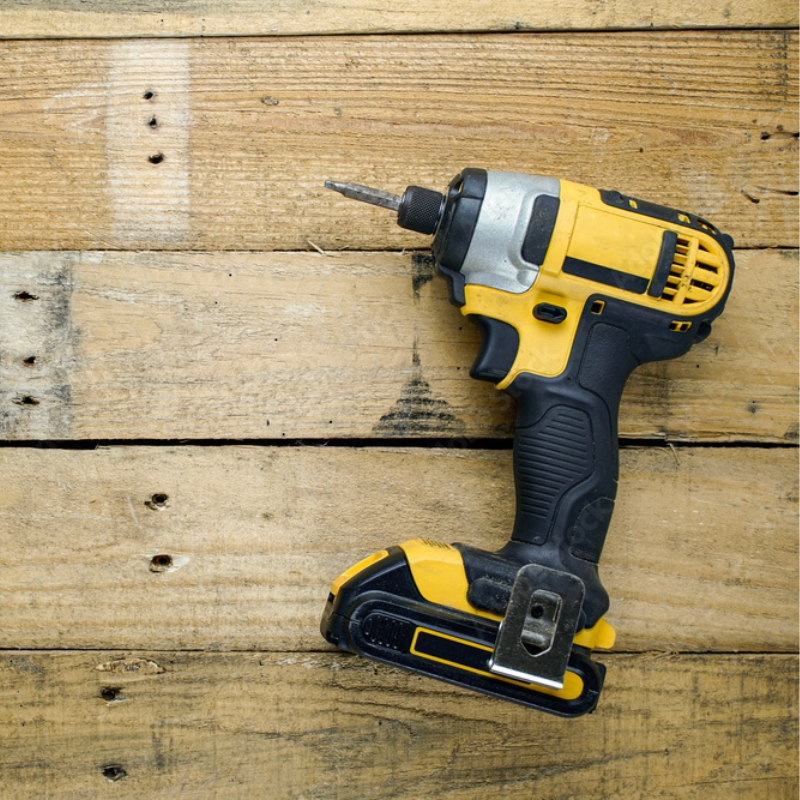
- Impact Driver: This is the primary focus of our discussion. It delivers rotational impacts along the axis of rotation. Imagine a hammer hitting a nail head directly. This action is primarily for driving screws and fasteners.
- Hammer Drill: This tool delivers impacts perpendicular to the axis of rotation, similar to a jackhammer. This action is designed for drilling into hard materials like concrete and masonry by chipping away at the surface. While some tools combine both functions, a dedicated impact driver is optimized for fastening.
The type of impact is crucial. The rotational impacts of an impact driver are far more efficient for screwing, as they prevent the bit from camming out (slipping out of the screw head) and allow for significantly faster driving of fasteners.
Advantages Over Standard Drills: Why Choose an Impact Drill?
The unique design of an impact drill translates into several tangible advantages, making it an indispensable tool for a wide range of tasks, particularly those involving screws and tough materials.
Superior Torque and Driving Power
The most significant advantage of an impact drill is its ability to deliver significantly higher torque than a standard drill. The percussive blows provide bursts of rotational force that can overcome resistance that would stall a conventional drill. This means you can drive larger screws, longer screws, and screws into harder woods or even metal with much greater ease. For tasks like deck building, framing, or assembling furniture, the raw power of an impact drill can dramatically speed up the process and reduce user fatigue.
Reduced Cam-Out and Stripped Screw Heads
A common frustration with standard drills is “cam-out,” where the driver bit slips out of the screw head, often damaging both the bit and the screw. The hammering action of an impact drill helps to keep the bit seated firmly in the screw head. The percussive blows essentially “lock” the bit into the fastener, minimizing the likelihood of slippage. This leads to cleaner work, fewer damaged fasteners, and a more satisfying user experience.
Faster Fastening and Increased Efficiency
Because impact drills drive screws much more quickly and with less effort, they significantly boost efficiency. Tasks that might take minutes with a standard drill can be completed in seconds with an impact drill. This is particularly beneficial for professionals who rely on speed and productivity, but it also makes DIY projects more enjoyable and less time-consuming for hobbyists. The reduced need for manual effort also means less strain on the user’s wrist and arm.
Compact Size and Lighter Weight
While delivering immense power, impact drivers are often designed to be more compact and lighter than comparably powered standard drills. This is due to the different mechanical design; they don’t require the same complex gearbox for high-speed rotation that some standard drills do. The smaller form factor allows for easier maneuverability in tight spaces, overhead work, and extended use without causing fatigue.
Versatility Beyond Simple Screwing
While their primary role is driving screws, impact drills can also be used for drilling holes, especially in softer materials. However, for drilling into hard materials like concrete or masonry, a hammer drill is the more appropriate tool due to its different hammering action. Nonetheless, for general-purpose drilling in wood, metal, or plastic, an impact drill can be an effective option, especially when paired with appropriate drill bits.
Understanding the Nuances: Impact Drivers vs. Hammer Drills Revisited
As mentioned earlier, precise terminology is important. While the term “impact drill” can be used colloquially for both, understanding the distinction between an impact driver and a hammer drill is crucial for selecting the right tool for the job.
Impact Drivers: The Fastening Specialists
- Mechanism: Delivers rotational impacts, like a tiny, rapid hammer striking the back of the driver bit.
- Primary Use: Driving screws and other fasteners into wood, metal, and plastic.
- Advantages: High torque, reduced cam-out, speed, efficiency in fastening.
- Limitations: Not ideal for drilling into very hard materials like concrete or masonry.
Hammer Drills: The Masonry Masters
- Mechanism: Delivers impacts perpendicular to the axis of rotation, chipping away at the surface.
- Primary Use: Drilling holes into concrete, brick, stone, and other hard masonry materials.
- Advantages: Effective for breaking up and drilling through tough materials.
- Limitations: Less efficient for driving screws compared to an impact driver, and the percussive action can be too aggressive for softer materials.
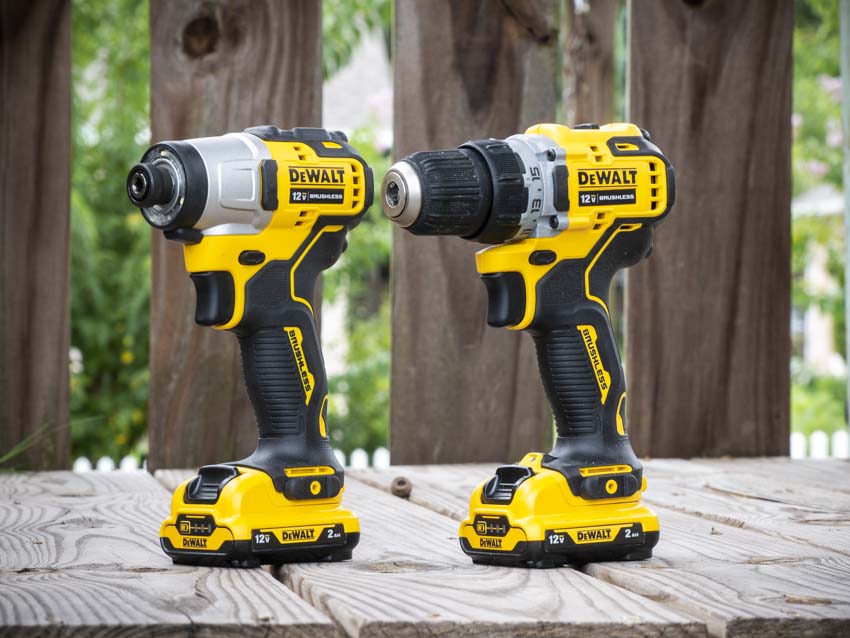
Many modern power tool manufacturers offer “combo” tools that can function as both a standard drill and a hammer drill, and some even integrate impact driver functionality. However, a dedicated impact driver remains the superior choice for pure fastening tasks.
Choosing the Right Impact Drill: Key Features and Considerations
When selecting an impact drill, several technical specifications and features should be considered to ensure you get a tool that meets your needs.
Power Source: Corded vs. Cordless
- Cordless Impact Drills: These are the most popular choice for most users due to their portability and freedom from power outlets. They are powered by rechargeable lithium-ion batteries. Battery voltage (e.g., 12V, 18V, 20V) generally correlates with power, and amp-hour (Ah) ratings indicate battery life.
- Corded Impact Drills: While less common for impact drivers specifically, corded models offer continuous power without the need for charging. They are often more powerful but are tethered by the electrical cord, limiting portability.
Torque (Newton-meters or Inch-pounds)
Torque is a measure of rotational force. Higher torque ratings indicate a more powerful tool capable of driving larger and longer fasteners, or those into harder materials. Look for tools with torque ratings that match the demands of your typical tasks.
Revolutions Per Minute (RPM) and Impacts Per Minute (IPM)
- RPM: This indicates how fast the chuck spins. Higher RPMs can lead to faster drilling and fastening, but variable speed triggers allow for control.
- IPM: This measures how many times the impact mechanism strikes per minute. Higher IPMs generally translate to faster fastening in tough situations.
Chuck Size and Type
Most impact drivers use a 1/4-inch hex chuck, which is specifically designed for hex-shank driver bits and is quick-release for easy bit changes. Ensure the chuck is robust and securely holds bits.
Variable Speed Trigger and Electronic Brake
A variable speed trigger is essential for control, allowing you to start screws slowly and gradually increase speed. An electronic brake stops the rotation almost instantly when the trigger is released, preventing over-driving screws and improving safety.
Ergonomics and Weight
Consider the tool’s grip, balance, and overall weight, especially if you’ll be using it for extended periods. A comfortable grip and good weight distribution can significantly reduce user fatigue.
Brushless Motor Technology
Many modern impact drills feature brushless motors. These motors are more efficient, produce less heat, have a longer lifespan, and offer better power and battery life compared to traditional brushed motors.
Applications: Where the Impact Drill Excels
The unique capabilities of an impact drill make it invaluable across a broad spectrum of applications, from professional construction sites to home DIY projects.
Construction and Framing
For carpenters and builders, impact drills are essential tools. They expedite the process of driving structural screws, lag bolts, and deck screws into lumber. The high torque and speed allow for rapid assembly of walls, floors, and roof structures.
Deck Building and Outdoor Projects
Building a deck involves driving hundreds of screws into pressure-treated lumber, which can be quite hard. An impact drill makes this task significantly easier and faster, preventing user fatigue and ensuring all screws are driven flush. Similarly, for other outdoor projects like building fences or pergolas, an impact drill is a game-changer.
Furniture Assembly
Anyone who has assembled flat-pack furniture knows the repetitive nature of driving screws. An impact drill can turn this tedious chore into a quick and satisfying process, especially when dealing with furniture that uses larger screws.
Automotive and Mechanical Work
In automotive repair and general mechanical work, impact drills are often used for removing stubborn bolts and screws, as well as for driving new ones. Their ability to deliver significant torque can break loose fasteners that a standard drill would struggle with.
DIY and Home Improvement
For homeowners undertaking various DIY projects, from hanging heavy shelves and mounting televisions to assembling sheds or play structures, an impact drill provides the power and efficiency needed for a professional-looking finish. It transforms tasks that might otherwise require significant manual effort into manageable DIY endeavors.
In conclusion, an impact drill is a powerful and versatile power tool that leverages a unique hammering mechanism to deliver exceptional torque and speed for fastening. Its advantages over standard drills, particularly in terms of efficiency, power, and reduced fastener damage, make it an indispensable tool for professionals and enthusiasts alike. Understanding its mechanics, applications, and key features empowers users to select and utilize this technology effectively for a wide range of demanding tasks.
aViewFromTheCave is a participant in the Amazon Services LLC Associates Program, an affiliate advertising program designed to provide a means for sites to earn advertising fees by advertising and linking to Amazon.com. Amazon, the Amazon logo, AmazonSupply, and the AmazonSupply logo are trademarks of Amazon.com, Inc. or its affiliates. As an Amazon Associate we earn affiliate commissions from qualifying purchases.