
The fleur de lys, a stylized lily or iris, is far more than just a decorative motif. Its elegant, three-petaled form has permeated history, art, heraldry, and even found its way into the visual language of brands. While its origins are somewhat shrouded in legend and its interpretation fluid, the fleur de lys consistently evokes notions of royalty, purity, power, and divine authority. Understanding its multifaceted meaning and historical trajectory is crucial for appreciating its enduring significance, particularly within the realm of branding and design, where it continues to serve as a potent symbol.

The Historical Roots and Symbolism of the Fleur de Lys
The fleur de lys boasts a lineage stretching back centuries, deeply intertwined with the history of France and its monarchy. Its journey from ancient symbolism to royal emblem is a testament to its potent visual appeal and adaptable meaning.
Ancient Origins and Early Interpretations
While definitively pinpointing the exact origin of the fleur de lys is challenging, its stylized form can be traced back to ancient civilizations. Depictions resembling the symbol have been found in Mesopotamian and Egyptian artifacts, often associated with deities and fertility. In ancient Rome, the iris flower itself, which the fleur de lys is thought to represent, held symbolic meaning, sometimes connected to Iris, the goddess of the rainbow, who served as a messenger between the gods and humans. Early Christian interpretations also linked the three petals to the Holy Trinity, imbuing the symbol with religious significance. This early association with divinity and purity laid the groundwork for its later adoption by royalty and religious orders.
The Rise to Prominence: French Royalty and Heraldry
The fleur de lys truly cemented its place in history through its association with the French monarchy. Legend attributes its adoption by the Capetian dynasty in the 10th century, with stories suggesting it was gifted to King Clovis I by an angel upon his conversion to Christianity, or that it appeared on his shield before a victorious battle. Regardless of the specific legend, the symbol quickly became an intrinsic part of French royal regalia, appearing on flags, coats of arms, royal seals, and currency. It was a visual shorthand for the divine right of kings, representing their authority and legitimacy bestowed from above. The three petals, often interpreted as representing faith, wisdom, and chivalry, further reinforced this royal ideology. For centuries, the fleur de lys was synonymous with French power and prestige, a potent heraldic device that inspired awe and reinforced the monarchy’s position.
Evolution and Global Recognition
As French influence spread, so too did the fleur de lys. It became a recognizable symbol across Europe and eventually the world. Its adoption by various noble families and religious orders beyond France further diversified its meaning. It appeared in the coats of arms of numerous European states and even found its way into the iconography of scouting movements, where it represents direction and the ideals of service. This global dissemination speaks to the universal appeal of its elegant design and its ability to adapt to different cultural contexts, while retaining its core associations with leadership, aspiration, and a certain refined grandeur.
The Fleur de Lys in Branding and Design: A Timeless Emblem
The enduring visual power of the fleur de lys has made it a consistently popular choice for brands seeking to project an image of heritage, luxury, quality, and sophistication. Its historical weight lends it an aura of authenticity and established prestige, making it a valuable asset in a competitive marketplace.
Crafting an Identity: Luxury, Heritage, and Exclusivity
Brands that utilize the fleur de lys often aim to evoke a sense of timeless elegance and established pedigree. In the luxury goods sector, for instance, a fleur de lys can instantly communicate craftsmanship, exclusivity, and a connection to historical traditions. Think of high-end fashion houses, jewelers, or even spirits brands that might incorporate the symbol. It suggests that the product or service is not merely fashionable but possesses a lasting quality and a rich backstory. This resonates with consumers who are looking for more than just a product; they are seeking an experience, an inheritance, and a statement of discerning taste. The symbol acts as a shortcut, bypassing the need for lengthy explanations of a brand’s values and instead relying on its inherent, universally understood connotations of refinement and desirability.
Beyond Royalty: Versatility in Symbolism for Modern Brands

While its royal connotations are undeniable, the fleur de lys has proven remarkably adaptable for contemporary branding. Marketers can leverage its other symbolic attributes to align with diverse brand narratives.
Purity and Integrity: A Symbol of Trustworthiness
The association of the fleur de lys with purity, stemming from its religious interpretations and its connection to the lily flower, can be powerfully employed by brands emphasizing honesty, transparency, and ethical practices. This is particularly relevant for brands in sectors where trust is paramount, such as finance, healthcare, or even artisanal food production. A clean, unadorned fleur de lys can convey a sense of straightforwardness and reliability, assuring customers of the brand’s commitment to quality and integrity. It suggests a brand that is unblemished and operates with the highest standards, fostering a sense of confidence and security among its audience.
Direction and Guidance: Inspiring Vision and Progress
The fleur de lys’s five points have also been interpreted as representing the cardinal directions, leading to its use as a symbol of guidance and navigation. This aspect can be particularly appealing to brands focused on innovation, progress, and helping consumers find their way. Tech companies might use it to signify forward-thinking solutions, educational institutions to represent a path to knowledge, or travel companies to evoke exploration and discovery. It communicates a brand’s ability to lead, inspire, and offer a clear direction towards positive outcomes, resonating with ambitious and goal-oriented consumers.
Strength and Resilience: Enduring Power and Authority
Historically, the fleur de lys was a symbol of power and authority. This aspect can be harnessed by brands that wish to project strength, durability, and a commanding presence in their market. It can signify a brand that is a leader, a force to be reckoned with, and a reliable pillar within its industry. This is applicable to a wide range of businesses, from established corporations to sports teams, where the fleur de lys can symbolize unwavering determination and the ability to overcome challenges. It communicates a sense of established dominance and resilience, assuring stakeholders of the brand’s enduring stability and influence.
Considerations for Utilizing the Fleur de Lys in Brand Design
While the fleur de lys offers a rich tapestry of positive associations, its implementation in brand design requires careful consideration to ensure its impact is both effective and appropriate for the target audience and brand ethos.
Contextual Application: Avoiding Misinterpretation and Ensuring Relevance
The effectiveness of the fleur de lys as a brand element hinges heavily on its context. Simply slapping the symbol onto a product without understanding its inherent meanings and the brand’s intended message can lead to dilution or even misinterpretation. Brands aiming for a modern, edgy image might find the traditional connotations of the fleur de lys to be at odds with their desired aesthetic, unless it is reinterpreted in a highly stylized or abstract manner. Conversely, a brand seeking to emphasize its heritage and tradition will find the fleur de lys to be an incredibly potent and fitting choice. It’s crucial to analyze the brand’s core values, target demographic, and competitive landscape to determine if the fleur de lys aligns with the overarching brand strategy.
Stylization and Modernization: Adapting the Classic for Contemporary Appeal
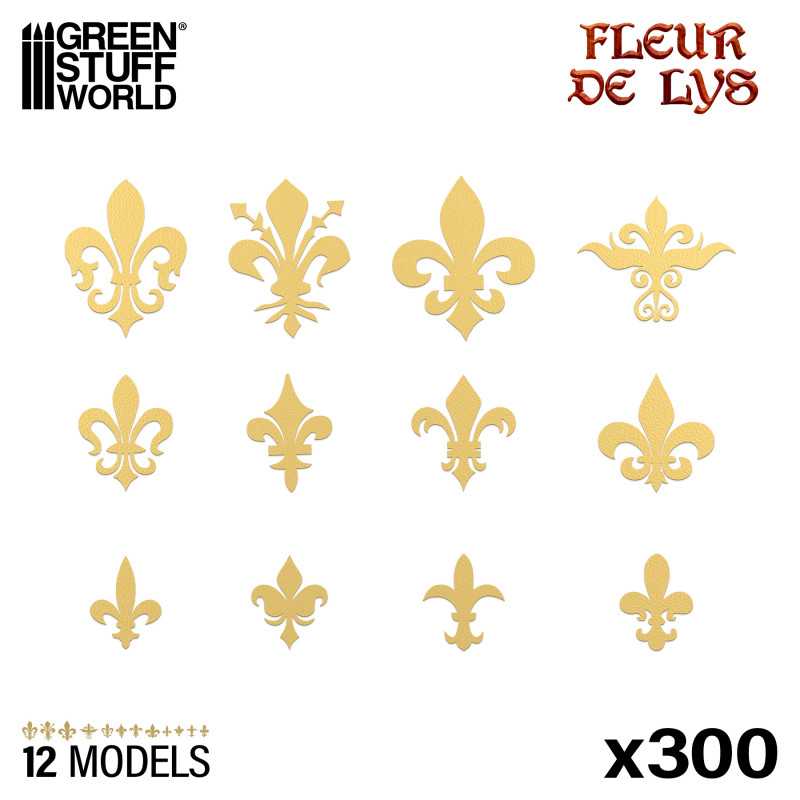
The fleur de lys, in its most traditional form, can sometimes appear dated. However, its inherent structure lends itself exceptionally well to creative stylization. Designers can transform the classic motif into sleek, minimalist logos, abstract interpretations, or incorporate it into more intricate patterns. This adaptability allows brands to harness the symbol’s historical weight while ensuring it remains relevant and visually appealing to contemporary consumers. A sharp, geometric rendering can convey modernity and innovation, while a softer, more organic version might evoke nature and artisanal craftsmanship. The key is to find a balance between honoring the symbol’s heritage and reinterpreting it to suit the specific needs and personality of the brand.
Legal and Cultural Nuances: Navigating Potential Pitfalls
While the fleur de lys is widely recognized, it’s essential for brands to be aware of potential legal and cultural sensitivities. In some regions or contexts, symbols associated with royalty or specific historical regimes might carry unintended baggage. Thorough research into trademark laws, cultural associations, and historical interpretations in the target markets is paramount. While the fleur de lys is generally viewed positively, it’s always prudent to ensure its use doesn’t inadvertently alienate or offend any segment of the audience. Consulting with legal and branding experts can help navigate these nuances and ensure a smooth and successful integration of the symbol into the brand’s visual identity.
The fleur de lys, a symbol steeped in history and rich with varied meanings, continues to hold significant power in the world of branding. Its elegant form, evoking notions of royalty, purity, strength, and guidance, can imbue a brand with a sense of timeless prestige, trustworthiness, and aspirational quality. When applied thoughtfully and strategically, the fleur de lys transcends its historical origins to become a compelling visual narrative, connecting with consumers on a deep, often subconscious level, and contributing to the enduring appeal and recognition of a brand.
aViewFromTheCave is a participant in the Amazon Services LLC Associates Program, an affiliate advertising program designed to provide a means for sites to earn advertising fees by advertising and linking to Amazon.com. Amazon, the Amazon logo, AmazonSupply, and the AmazonSupply logo are trademarks of Amazon.com, Inc. or its affiliates. As an Amazon Associate we earn affiliate commissions from qualifying purchases.