
While the term “dew claw” might not be as common in everyday conversation as “paw” or “tail,” it’s a fundamental part of a dog’s anatomy that often sparks curiosity among pet owners. Understanding what dew claws are, their purpose, and their implications for a dog’s health and well-being is crucial for responsible pet ownership. This exploration delves into the intricacies of this often-overlooked appendage, providing a comprehensive overview for those seeking to deepen their knowledge of their canine companions.
The Anatomy and Evolution of the Canine Dew Claw
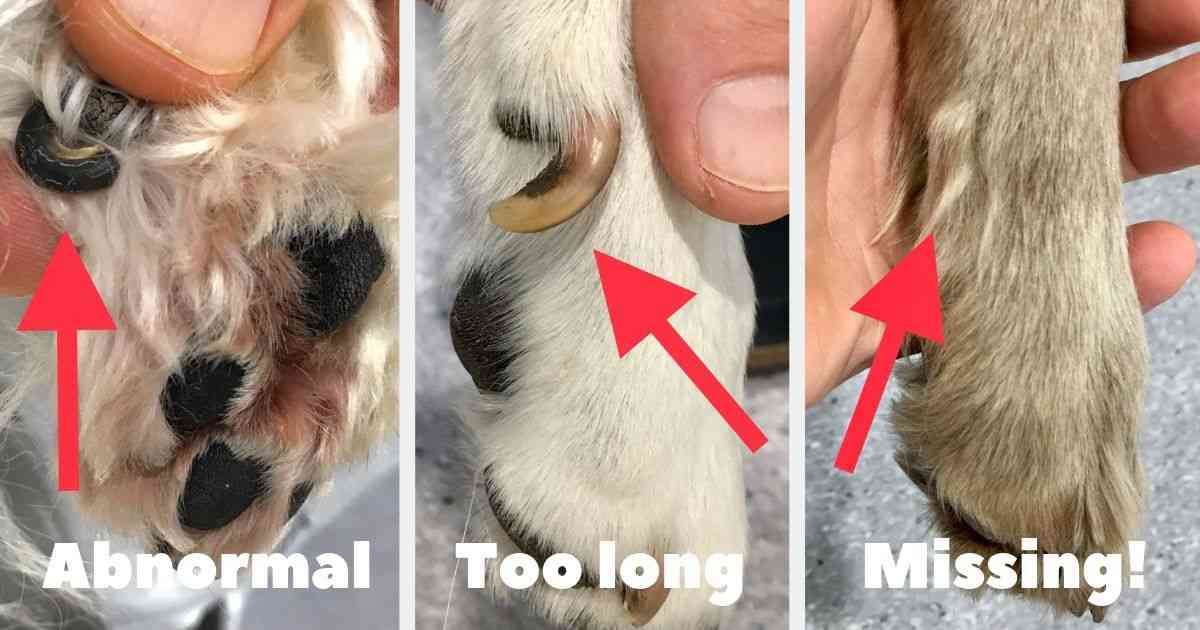
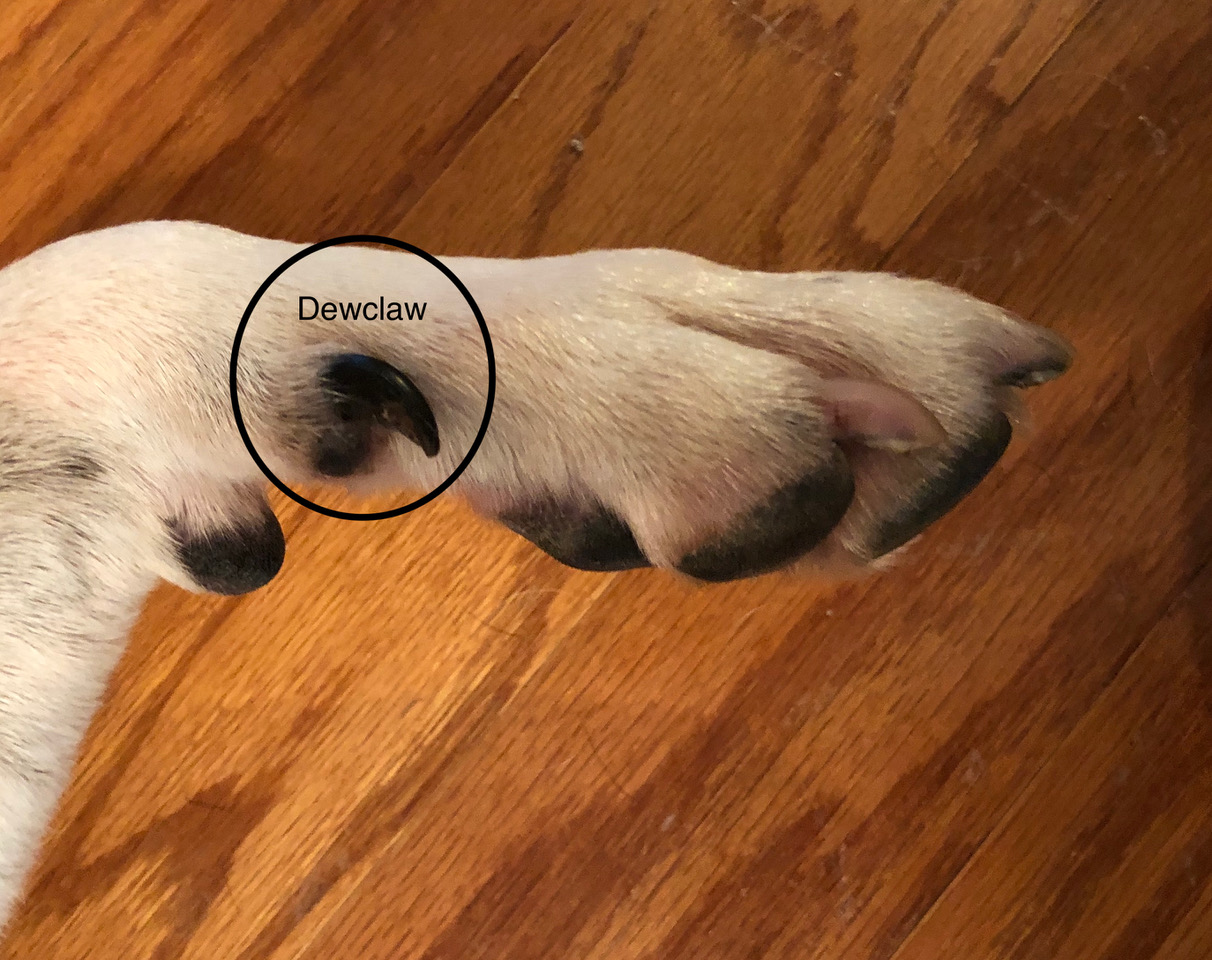
The dew claw on a dog is essentially an extra digit, a remnant of their evolutionary past. Positioned higher up on the leg than the other toes, it bears a striking resemblance to a thumb. Most dogs possess a dew claw on each of their front legs. However, the presence and location of dew claws on the hind legs can vary significantly. Some dogs may have a single hind dew claw, while others have two, and some may have none at all. This variation is a fascinating aspect of canine genetics and reflects the diverse evolutionary paths different breeds have taken.
Understanding the Different Types and Locations
Front Dew Claws: These are the most consistently present and functionally relevant dew claws. They are located on the medial side (inner side) of the foreleg, roughly at the level of the wrist. Unlike the other toes, which make contact with the ground during locomotion, the front dew claws are typically held off the ground. This placement hints at their potential for differing functions compared to the weight-bearing toes.
Hind Dew Claws: The presence of dew claws on the hind legs is far more variable. Some breeds are genetically predisposed to having them, while others are not. In some cases, a hind dew claw might be a single, well-developed digit, while in others, it can be a more rudimentary structure, sometimes even appearing as a flap of skin with a small nail. The absence of hind dew claws in many dogs suggests they serve less of a critical role in typical canine activities.
Evolutionary Roots and Vestigial Structures
The presence of dew claws on dogs is a direct link to their wolf ancestors and, further back, to the evolutionary lineage of carnivores. In wild canids, dew claws may have served a more active role in gripping prey, climbing, or navigating rough terrain. Over millennia of domestication and selective breeding, the primary function of dew claws has diminished for many dogs, leading to their classification as vestigial structures in some contexts. However, “vestigial” doesn’t necessarily mean entirely useless; it simply implies a reduced or altered function compared to ancestral counterparts. The exact evolutionary pressures that led to their reduced functionality in domestic dogs are subject to ongoing scientific inquiry, but likely relate to changes in diet, hunting strategies, and living environments.
The Functional Role of Dew Claws in Modern Dogs
While their evolutionary purpose may have waned, dew claws in modern dogs are not entirely without function. Their primary role, even if subtle, lies in providing additional grip and stability, particularly during certain movements. Understanding these functions can shed light on why their presence, or absence, might matter.
Grip and Stability Enhancement
During Movement: The most commonly cited function of dew claws is their contribution to grip. When a dog is running, turning sharply, or climbing, the dew claw can act like a thumb, providing an extra point of contact to dig into the ground and enhance traction. This is particularly noticeable in dogs that are agile and active, such as those involved in sports like agility or herding. The dew claw can help prevent slips and slides, offering a crucial advantage in dynamic situations.
Prey Capture (Historical Context): While less relevant for most domestic dogs today, it’s believed that in their wild ancestors, dew claws played a more significant role in securing prey. The ability to grip and hold struggling animals would have been vital for survival. This historical function underscores the evolutionary significance of this appendage.
Potential for Injury and Care Considerations
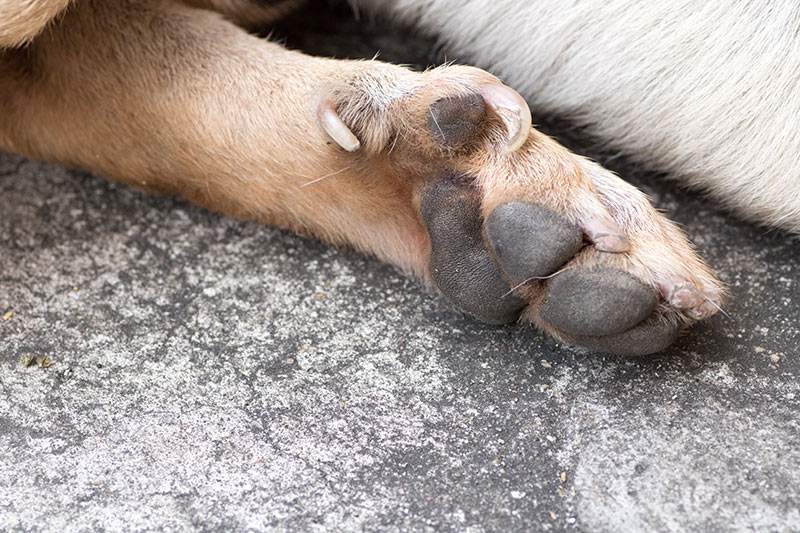
Despite their potential benefits, dew claws, especially those on the hind legs that are not weight-bearing, are also prone to specific injuries and require careful management. Because they don’t regularly make contact with the ground, their nails often don’t wear down naturally. This can lead to overgrowth, which poses a risk of snagging and tearing.
Common Issues and Veterinary Considerations
The unique positioning and reduced contact of dew claws make them susceptible to certain health concerns. Regular checks and proactive care are essential to prevent these issues from developing into more serious problems.
Overgrowth and Ingrown Nails
One of the most frequent problems associated with dew claws is overgrowth of the nail. Unlike the other nails on a dog’s paws, dew claws don’t receive the same amount of natural abrasion from walking on various surfaces. As a result, they can grow excessively long. This overgrown nail can curl, eventually becoming an “ingrown” nail, where the tip of the nail pierces the skin. Ingrown nails are painful, can lead to infection, and can even affect a dog’s gait and comfort. Regular trimming is crucial to prevent this.
Snagging and Tearing
The prominent position of dew claws makes them vulnerable to being snagged on carpets, upholstery, garden debris, or other obstacles. When a dew claw snags, it can be torn or ripped from the nail bed. This is a painful injury that can cause significant bleeding and requires immediate veterinary attention. The nail may need to be surgically removed, and the wound treated to prevent infection.
Infections and Other Complications
If a dew claw becomes injured or an ingrown nail develops, it can become a site for bacterial infection. Signs of infection can include redness, swelling, discharge, and a foul odor. Untreated infections can spread and cause more significant health problems. In rare cases, tumors or cysts can also develop on or around the dew claw.
Dew Claw Removal: When and Why?
The decision of whether to remove dew claws, particularly the hind ones, is a complex one with varying opinions among veterinarians, breeders, and pet owners. Historically, dew claw removal was more common, often performed to prevent potential injuries, especially in working or hunting dogs. However, modern veterinary practice and understanding of canine anatomy have led to a more nuanced approach.
The Rationale Behind Removal (Historical and Current)
Historically, the primary driver for dew claw removal was preventative. For dogs that worked in environments where snagging was a significant risk (e.g., hunting in dense undergrowth), removing the dew claws was seen as a way to eliminate a potential injury point. This practice was often performed on puppies at a very young age, typically between 2-5 days old, while they were still with their mother, under the assumption that it was a minor procedure with minimal discomfort.
In contemporary practice, the rationale for removal is more carefully considered. While some still advocate for removal in specific working breeds or in cases where a dew claw is malformed or clearly poses an immediate risk, many veterinarians now emphasize the potential functions of dew claws and the risks associated with the removal procedure itself.
The Procedure and Post-Operative Care
Dew claw removal, whether performed on puppies or adult dogs, is a surgical procedure. In young puppies, it’s typically done with a local anesthetic and involves cutting the dew claw at its base. For older dogs, the procedure is more involved, often requiring general anesthesia, surgical excision of the dew claw, and potentially stitches to close the wound.
Post-operative care is crucial regardless of the dog’s age. This includes keeping the surgical site clean and dry, preventing the dog from licking or chewing at the wound, and administering pain medication and antibiotics as prescribed by the veterinarian. Owners must monitor the incision for signs of infection and ensure the dog’s activity is restricted during the healing period.
Ethical Considerations and Expert Opinions
The debate surrounding dew claw removal is multifaceted and involves ethical considerations. While the intent is often to prevent future harm, the procedure itself carries risks and causes pain, especially when performed on adult dogs. Many veterinary organizations now advise against routine dew claw removal unless there is a specific medical or functional reason. They emphasize that if dew claws are kept trimmed and clean, they can be managed without the need for surgical intervention.
The opinion of experienced veterinarians and breed experts should be sought when considering dew claw removal. Factors such as the breed’s typical activities, the dog’s individual conformation, and the potential for the dew claws to cause problems should be carefully assessed. For many pet dogs, regular nail trims and attentive observation are sufficient to ensure their dew claws remain healthy and do not pose a significant risk. Ultimately, the decision should be made in consultation with a veterinarian, weighing the potential benefits against the risks and considering the individual needs of the dog.
aViewFromTheCave is a participant in the Amazon Services LLC Associates Program, an affiliate advertising program designed to provide a means for sites to earn advertising fees by advertising and linking to Amazon.com. Amazon, the Amazon logo, AmazonSupply, and the AmazonSupply logo are trademarks of Amazon.com, Inc. or its affiliates. As an Amazon Associate we earn affiliate commissions from qualifying purchases.