
The world of commercial transportation is a complex ecosystem, driven by the movement of goods and people. At its core, ensuring the safety and efficiency of this movement relies on a fundamental requirement: a specialized Commercial Vehicle License. This isn’t just another piece of plastic; it’s a credential that signifies a driver’s competency and authorization to operate vehicles that are larger, heavier, or designed for specific commercial purposes. Understanding what constitutes a commercial vehicle, who needs this license, and the various classifications involved is crucial for anyone looking to enter or operate within this vital sector of the economy.
Understanding the Scope: What Qualifies as a Commercial Vehicle?
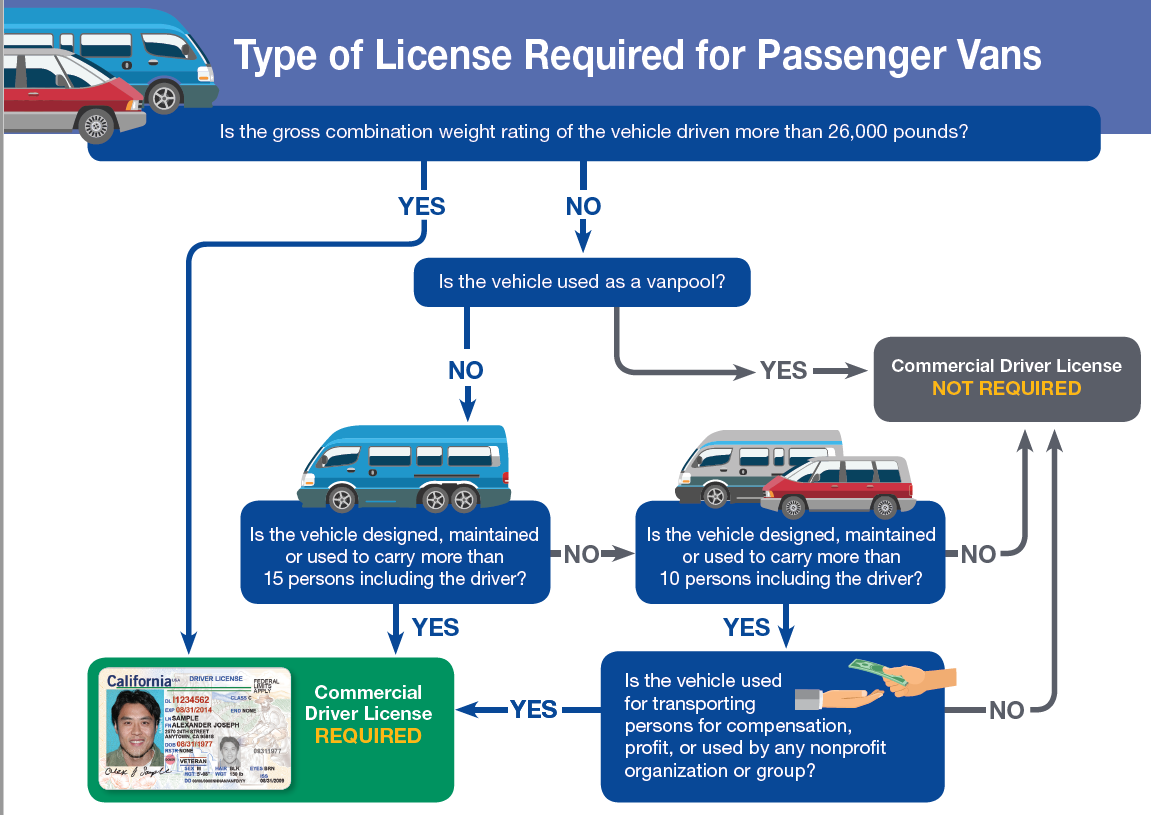
The definition of a commercial vehicle can vary slightly by jurisdiction, but generally, it refers to any motor vehicle or combination of motor vehicles used in commerce to transport passengers or property if that vehicle:
- Has a gross vehicle weight rating (GVWR) of 26,001 pounds or more.
- Is designed to transport 16 or more occupants, including the driver.
- Is of any size and is used to transport hazardous materials requiring a placard.
The GVWR is a critical factor. It’s the maximum loaded weight of a single vehicle or a combination of vehicles. This figure is typically found on a manufacturer’s certification plate attached to the vehicle. It’s important to note that the GVWR of the individual unit (like a truck) is considered, not necessarily the combined weight of a truck and its trailer unless it’s a tractor-trailer configuration where the combination weight becomes relevant.
Beyond the Truck: Diverse Commercial Applications
While large semi-trucks are the most common image that comes to mind when thinking of commercial vehicles, the category is much broader. It encompasses a wide array of vehicles used for business purposes:
- Heavy-Duty Trucks: This includes everything from dump trucks and garbage trucks to delivery trucks and long-haul tractor-trailers. These vehicles are essential for transporting raw materials, manufactured goods, and consumer products across vast distances.
- Buses: Any bus designed to carry 16 or more passengers, including school buses, transit buses, and charter buses, falls under the commercial vehicle umbrella. The operation of these vehicles requires a special license due to the significant responsibility of transporting large groups of people safely.
- Vans and Smaller Trucks for Specific Uses: While some smaller vans and trucks might not meet the GVWR threshold, they can still require a commercial license if used for specific purposes. For instance, a 15-passenger van used for shuttle services or a specialized service truck (like a mobile mechanic unit) might fall into this category depending on local regulations.
- Agricultural Vehicles: In some regions, large agricultural vehicles used for commercial farming operations, such as self-propelled harvesters or large tractors operating on public roads, may also require specific commercial licensing.
- Specialized Equipment Carriers: Vehicles designed to tow or transport specialized equipment, like construction machinery, often have high GVWRs and necessitate a commercial driver’s license.
The defining characteristic is the purpose of use. If a vehicle is used to make money, transport goods or passengers for a business, or is of a certain size or weight, it’s likely classified as a commercial vehicle.
The Need for Specialization: Why a Standard License Isn’t Enough
Operating a large, heavy, or multi-passenger vehicle presents unique challenges and risks that go far beyond those associated with driving a standard passenger car. A standard driver’s license, often referred to as a Class D license, certifies a driver’s basic competency. However, it does not equip them with the specialized knowledge and skills required to safely handle the dynamics of commercial vehicles. This is where the Commercial Vehicle License, or Commercial Driver’s License (CDL) in many parts of the world, comes into play.
Enhanced Skill Set and Knowledge Base
Commercial vehicle drivers are expected to possess a higher level of skill and a deeper understanding of vehicle operation. This includes:
- Vehicle Dynamics: Understanding how a heavy vehicle handles differently on the road, especially during turns, braking, and acceleration. Factors like vehicle sway, trailer sway, and the increased stopping distances are critical to master.
- Load Management: Knowledge of how to properly secure cargo, distribute weight evenly, and understand the implications of an unbalanced load on vehicle stability and handling.
- Vehicle Maintenance: A basic understanding of common mechanical issues and the ability to perform pre-trip inspections to identify potential safety hazards. This ensures the vehicle is in safe operating condition before each journey.
- Regulations and Compliance: Commercial drivers must be intimately familiar with federal and state/provincial regulations governing hours of service, vehicle weight limits, route restrictions, and hazardous materials transport. Non-compliance can lead to severe penalties, accidents, and significant financial repercussions.
- Defensive Driving Techniques: The ability to anticipate and react to hazards in a larger, less maneuverable vehicle is paramount. This includes understanding blind spots, communicating intentions clearly to other road users, and maintaining safe following distances.
Safety as the Paramount Concern
The primary driver behind the requirement for commercial vehicle licensing is public safety. Heavier vehicles have a greater potential to cause damage and injury in the event of an accident. Improperly operated commercial vehicles can pose a significant risk to other motorists, pedestrians, and property. The rigorous training, testing, and ongoing compliance requirements associated with CDLs are designed to mitigate these risks by ensuring that only qualified individuals are behind the wheel.
Legal and Regulatory Framework
Governments and transportation authorities mandate commercial vehicle licensing to create a standardized framework for the safe operation of these vehicles. This framework includes:
- Federal Motor Carrier Safety Administration (FMCSA) in the US: This agency sets the standards for CDL testing and operation.
- Transport Canada: Similar regulatory body in Canada.
- State/Provincial Departments of Motor Vehicles (DMVs): These agencies are responsible for issuing CDLs and enforcing regulations.
These regulations ensure a baseline level of competency across the industry, fostering a culture of safety and responsibility.
Navigating the Classifications: Different Licenses for Different Vehicles
The world of commercial vehicles is not monolithic, and neither is the licensing. Commercial Driver’s Licenses are typically categorized into different classes, each permitting the operation of specific types of vehicles or combinations. Understanding these classifications is essential for drivers to ensure they are properly licensed for the vehicles they intend to operate.
Class A CDL
A Class A CDL is generally required for any combination of vehicles with a Gross Combination Weight Rating (GCWR) of 26,001 pounds or more, provided the Gross Vehicle Weight Rating (GVWR) of the vehicle(s) being towed is in excess of 10,000 pounds. This is the most comprehensive CDL and is necessary for operating tractor-trailers, truck and trailer combinations where both units are heavy, and other large articulated vehicles.
- Key Characteristics:
- Covers all vehicles requiring a Class B or Class C license.
- Requires a written knowledge test covering general CDL information, combination vehicle operations, and specific endorsements.
- Requires a skills test demonstrating proficiency in operating the combination vehicle, including pre-trip inspection, basic control skills, and road testing.
- Often requires additional endorsements for specialized cargo (e.g., hazardous materials, tank vehicles) or operations (e.g., double or triple trailers).
Class B CDL
A Class B CDL is generally required for any single vehicle with a GVWR of 26,001 pounds or more, or any such vehicle towing a vehicle with a GVWR not in excess of 10,000 pounds. This typically includes heavy straight trucks, dump trucks, box trucks, and larger buses (though bus operation often requires an additional passenger endorsement).
- Key Characteristics:
- Covers vehicles requiring a Class C license.
- Requires a written knowledge test covering general CDL information and single vehicle operations.
- Requires a skills test specific to operating a heavy single vehicle.
- Does not authorize operation of tractor-trailers.
Class C CDL
A Class C CDL is generally required for vehicles that do not meet the definition of Class A or Class B, but are designed to transport 16 or more occupants (including the driver), or are used to transport hazardous materials requiring a placard. This category often encompasses smaller buses, shuttles, and specialized vans.
- Key Characteristics:
- Often requires a passenger endorsement and/or a hazardous materials endorsement, depending on the vehicle’s use.
- The written and skills tests are tailored to the specific type of vehicle and its intended operation.
- Crucially, a Class C license does not allow the operation of vehicles requiring a Class A or Class B CDL.
Endorsements and Restrictions
Beyond the basic class of CDL, drivers may need additional endorsements to operate certain types of commercial vehicles or transport specific cargo. Common endorsements include:
- H (Hazardous Materials): Required for transporting materials that pose a risk to health, safety, or the environment. This involves a separate knowledge test and a background check.
- P (Passenger): Necessary for operating vehicles designed to transport 16 or more passengers.
- S (School Bus): A specific passenger endorsement for operating school buses, often with additional training and testing.
- N (Tank Vehicles): For vehicles designed to haul liquids or gaseous materials in bulk.
- T (Double/Triple Trailers): For operating vehicles pulling two or three trailers.
Conversely, restrictions may be placed on a CDL, limiting the type of vehicle a driver can operate. For example, a restriction might indicate that the driver can only operate a vehicle with an automatic transmission or only within a specific geographic area.
The Path to Obtaining a Commercial Vehicle License
Obtaining a Commercial Vehicle License is a more involved process than getting a standard driver’s license, reflecting the higher standards of responsibility and skill required. It typically involves several key stages designed to ensure the driver is thoroughly prepared.
Learner’s Permit and Knowledge Testing
The first step for most aspiring commercial drivers is to obtain a Commercial Learner’s Permit (CLP). This involves passing a rigorous written knowledge test that covers:
- General CDL knowledge (rules of the road, vehicle systems, etc.)
- Specific knowledge related to the class of CDL being sought (e.g., combination vehicles for Class A).
- Any endorsements the driver wishes to obtain (e.g., hazardous materials, air brakes).
The CLP allows the individual to practice driving commercial vehicles under the supervision of a licensed CDL holder. This supervised practice is crucial for developing the necessary hands-on skills.
Skills Training and Preparation
While formal training programs are not always mandated by law (though many states are implementing or expanding them), they are highly recommended and often a prerequisite for employment. These programs provide structured instruction on:
- Pre-trip inspections: Mastering the systematic check of a vehicle’s safety components.
- Basic control skills: Maneuvering the vehicle in various scenarios, such as backing, parking, and making tight turns.
- Road driving: Developing the ability to operate the vehicle safely in real-world traffic conditions, adhering to speed limits, maintaining lane position, and interacting with other road users.
The Skills Test
The culmination of the licensing process is the CDL skills test. This is a practical examination administered by a certified examiner, typically at a DMV or a designated third-party testing facility. The test usually consists of three parts:
- Pre-trip Inspection: The driver must demonstrate a thorough understanding of all safety checks, explaining each step and its importance.
- Basic Vehicle Control: This involves demonstrating maneuvers such as alley docking, parallel parking, and off-set backing.
- On-Road Driving: The driver operates the vehicle in actual traffic, demonstrating safe driving practices, adherence to traffic laws, and proper vehicle control.
The examiner assesses the driver’s performance based on a strict set of criteria, and failure in any section typically requires retesting.
Medical Examination and Drug/Alcohol Testing
Commercial drivers are also subject to stringent medical requirements to ensure they are physically fit to operate heavy vehicles. This involves passing a DOT medical examination administered by a certified medical examiner. Drivers must meet specific vision, hearing, and general health standards. Furthermore, the commercial driving industry has a zero-tolerance policy for drug and alcohol use, requiring regular testing.
Maintaining Your CDL
Obtaining a CDL is not a one-time achievement. Drivers are expected to maintain their skills and compliance throughout their careers. This includes:
- Renewal: CDLs must be renewed periodically, often requiring a new medical certification.
- Continuous Training: Many companies require ongoing training to keep drivers updated on safety regulations and best practices.
- Compliance with Hours of Service: Adhering to strict limits on driving and on-duty time to prevent fatigue.
The Commercial Vehicle License is more than just a permit; it’s a testament to a driver’s commitment to safety, professionalism, and competence within a critical sector of our economy. It ensures that the vast network of goods and people movement operates as safely and efficiently as possible.
aViewFromTheCave is a participant in the Amazon Services LLC Associates Program, an affiliate advertising program designed to provide a means for sites to earn advertising fees by advertising and linking to Amazon.com. Amazon, the Amazon logo, AmazonSupply, and the AmazonSupply logo are trademarks of Amazon.com, Inc. or its affiliates. As an Amazon Associate we earn affiliate commissions from qualifying purchases.