
The global wellness market has undergone a seismic shift over the last decade, transitioning from generalized health products to highly specialized, niche-focused industries. One of the most significant beneficiaries of this shift is the “FemTech” and sexual wellness sector. In this landscape, the question “What is a clitoral hood?” is no longer confined to medical textbooks or private consultations. Instead, it has become a central pillar of brand strategy, market education, and consumer empowerment.
For brands operating in this space, anatomical literacy is not just about biology; it is about building a corporate identity centered on transparency, trust, and the dismantling of historical taboos. This article explores how modern brands are leveraging anatomical education to define their market position and drive a new era of consumer engagement.
The Evolution of FemTech Branding: From Taboo to Mainstream
Historically, branding in the female health space was characterized by euphemisms and “period-blue” liquids. Products were marketed with a sense of discretion that bordered on shame. However, the modern brand strategy for sexual wellness companies has pivoted toward radical clarity. Understanding and naming anatomy—such as the clitoral hood—is a critical component of this new brand language.
The Language of Liberation
Modern brands like Dame Products, Maude, and LELO have pioneered a “language of liberation.” By using correct anatomical terms in their marketing copy, they signal to the consumer that they are a sophisticated, science-backed authority. When a brand explains what the clitoral hood is and how their product interacts with it, they are performing a dual role: selling a product and providing an educational service. This builds a psychological bond with the consumer, who feels seen and understood rather than marketed to via vague metaphors.
Why Anatomy Matters in Brand Identity
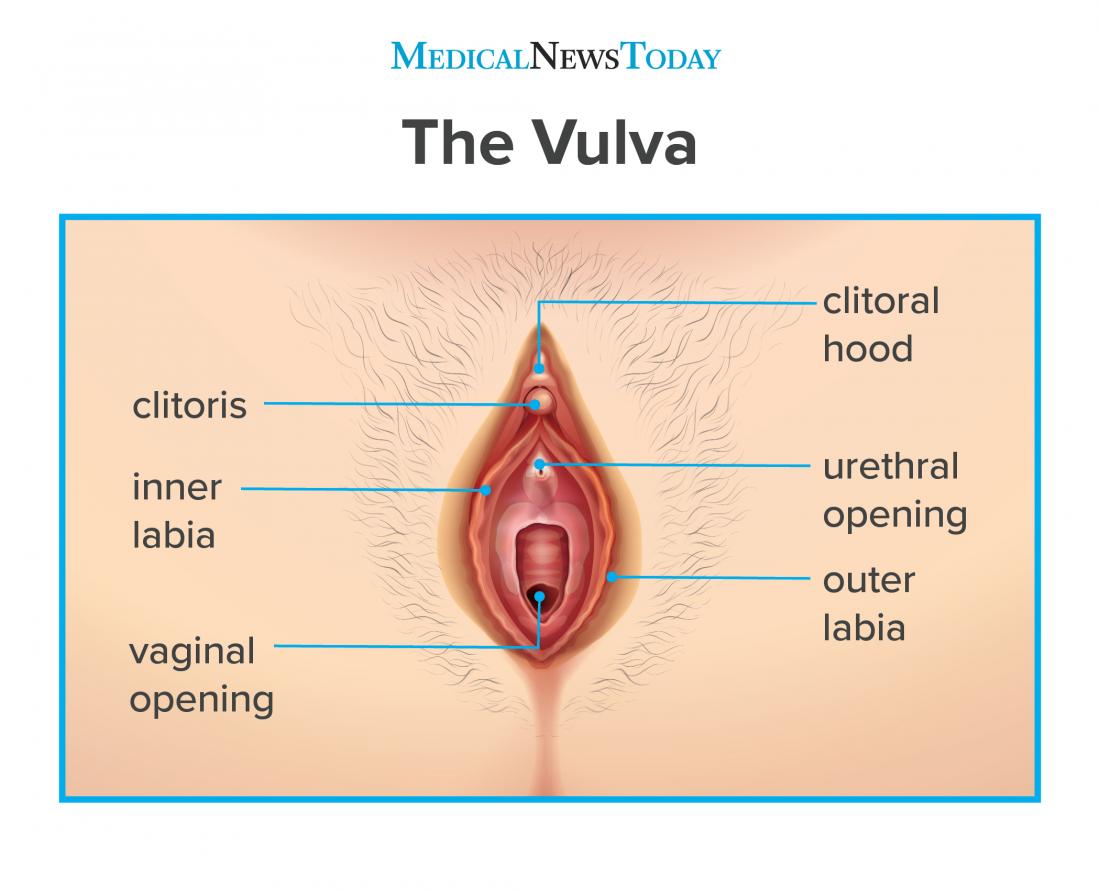
A brand’s identity is forged in the gap between a consumer’s problem and a product’s solution. In sexual wellness, the “problem” is often a lack of information or products that don’t account for anatomical diversity. By focusing on the clitoral hood—a fold of skin that covers the clitoral glans—brands can differentiate themselves. A brand that designs a product specifically for “hooded” vs. “exposed” anatomy demonstrates a level of detail that generic competitors lack. This precision becomes the brand’s unique selling proposition (USP).
Market Education as a Strategic Brand Pillar
In the “Money” or “Tech” sectors, white papers and case studies are used to prove value. In sexual wellness, the equivalent is market education. Brands that successfully answer “What is a clitoral hood?” through high-quality content are engaging in “Educational Marketing.” This strategy transforms the brand from a mere vendor into a trusted advisor.
Content Strategy for Sensitive Topics
The challenge for branding experts in this niche is to create content that is informative without being clinical, and provocative without being pornographic. The goal is to normalize the conversation. Successful brands utilize “explainer” graphics, inclusive diagrams, and SEO-optimized blog posts that answer common anatomical questions. This strategy captures high-intent search traffic (like those searching for anatomical definitions) and funnels them into the brand’s ecosystem.
Building Authority through Scientific Accuracy
In a market saturated with “snake oil” and unsubstantiated claims, scientific accuracy is a brand’s greatest asset. Brands that collaborate with gynecologists, sexual health educators, and researchers to explain the function of the clitoral hood establish a “Medical Board of Advisors.” This structural element of the brand strategy provides a “halo effect” of credibility. When a customer understands the biomechanics of their own body through a brand’s content, the barrier to purchase is significantly lowered.
Design Language and Aesthetic Choices in Wellness Branding
Branding is as much about how a product looks and feels as it is about the words used to describe it. When addressing topics like the clitoral hood, the visual design language must bridge the gap between medical utility and lifestyle luxury.
The Rise of Minimalist Sophistication
Observe the branding of contemporary sexual wellness companies, and you will notice a trend toward minimalism. Soft earth tones, serif fonts, and matte finishes are used to distance the brand from the “neon-and-plastic” aesthetic of traditional adult stores. This design choice is intentional. It positions the clitoral hood and its care as part of a holistic self-care routine, akin to skincare or meditation. It makes the conversation “safe” for the shelf of a high-end boutique or the feed of a curated Instagram profile.
Inclusive Design and User Experience (UX)
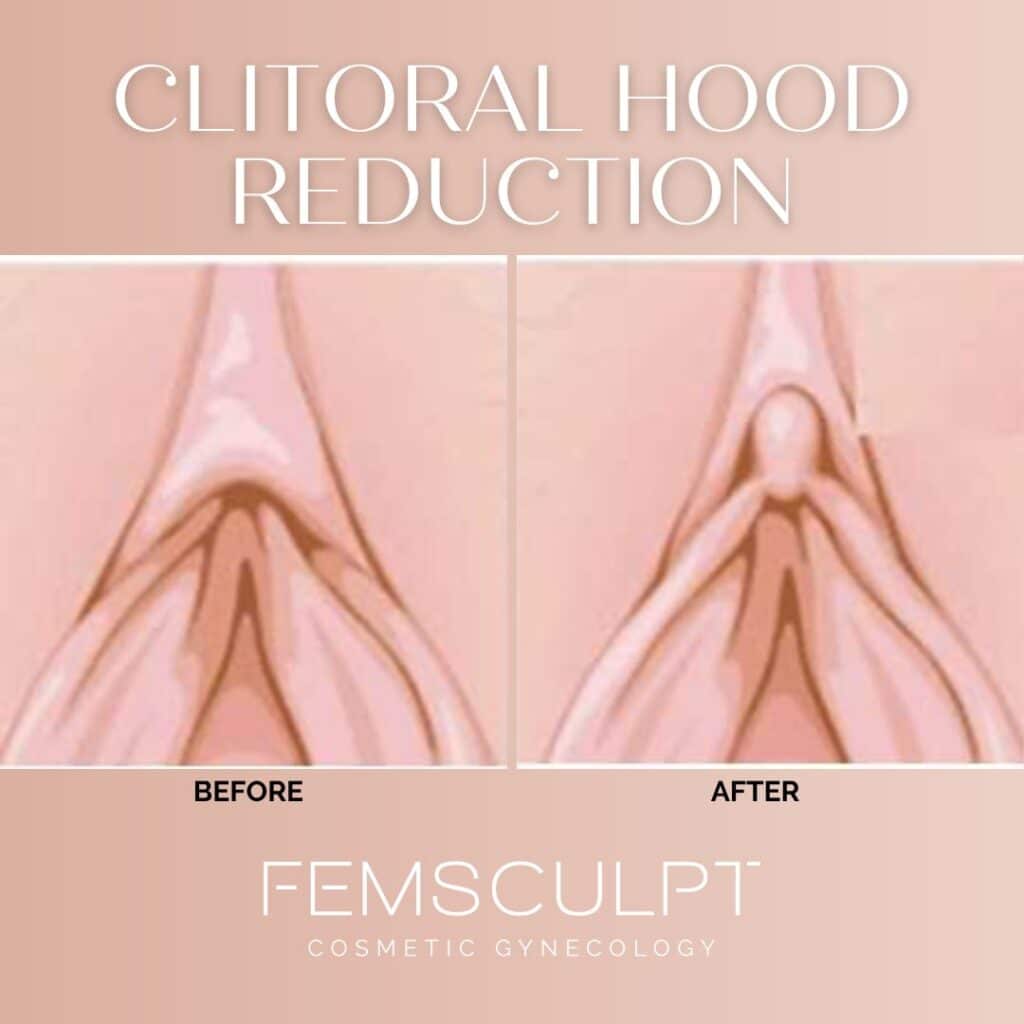
Brand strategy now demands inclusivity. This means acknowledging that the clitoral hood varies significantly in size, shape, and sensitivity across different bodies. Brands that celebrate this diversity in their imagery and product design foster a sense of belonging. Inclusive branding tells the consumer, “Our products are designed for your specific body,” which is a powerful driver of brand loyalty. This is not just “good” branding; it is a necessary adaptation to a socially conscious market.
Strategic Challenges: Navigating Censorship and Ad Policies
One of the greatest hurdles for brands focusing on anatomical education is the restrictive nature of digital advertising platforms. For a brand trying to explain the clitoral hood, “shadowbanning” and ad rejection are constant threats. This requires a highly creative and resilient brand strategy.
Navigating Social Media Algorithm Bias
Platforms like Meta and TikTok often struggle to distinguish between educational sexual health content and “adult content.” To circumvent this, brands have developed a visual shorthand. They use fruit metaphors, line art, or abstract 3D renderings to represent anatomy. While this may seem like a return to euphemism, it is actually a sophisticated tactical maneuver. The branding remains professional and clean, ensuring that the educational message reaches the audience without triggering the censors.
Future-Proofing Your Brand in a Changing Landscape
The most successful brands are those that own their audience. Because of the volatility of social media ad policies, sexual wellness brands are prioritizing “owned media”—email newsletters, private community forums, and robust on-site editorial hubs. By becoming a primary destination for questions like “What is a clitoral hood?”, these brands insulate themselves from the whims of third-party algorithms. They are building a “walled garden” of content where they can speak freely and authoritatively to their customers.

Conclusion: The Intersection of Biology and Brand
The question “What is a clitoral hood?” serves as a microcosm for the larger evolution of the sexual wellness industry. It represents the shift from a culture of silence to a culture of curiosity and empowerment. For branding professionals, this shift offers a unique opportunity to build companies that are both commercially successful and socially impactful.
By centering brand strategy on education, scientific accuracy, and inclusive design, companies can transcend the traditional limitations of the “adult” market. They are no longer just selling gadgets; they are selling knowledge, confidence, and a better understanding of the human body. In the competitive landscape of the 21st century, the brand that educates the consumer best is the brand that wins. As the FemTech sector continues to grow into a multi-billion dollar industry, those who master the art of anatomical branding will be the ones who define the future of global wellness.
aViewFromTheCave is a participant in the Amazon Services LLC Associates Program, an affiliate advertising program designed to provide a means for sites to earn advertising fees by advertising and linking to Amazon.com. Amazon, the Amazon logo, AmazonSupply, and the AmazonSupply logo are trademarks of Amazon.com, Inc. or its affiliates. As an Amazon Associate we earn affiliate commissions from qualifying purchases.