
The term “bad carbohydrate” has become ubiquitous in dietary discussions, often conjuring images of energy crashes and weight gain. While the health implications are well-documented, the less discussed, yet equally significant, aspect of “bad carbohydrates” lies in their profound and often detrimental impact on our financial lives. Beyond the immediate health consequences, a consistent diet high in refined and simple carbohydrates can create a cascade of financial burdens, affecting everything from daily productivity to long-term financial security. This article delves into the financial ramifications of consuming “bad carbohydrates,” exploring how they can erode our income, inflate our expenses, and hinder our ability to achieve financial goals.
The Direct and Indirect Costs of Poor Carbohydrate Choices
The financial toll of “bad carbohydrates” isn’t always immediately apparent. It’s a slow burn, often manifesting in ways that are not directly linked to grocery bills. Understanding these costs requires a nuanced perspective that connects dietary habits to economic outcomes.
Healthcare Expenditures: The Most Visible Drain
The most direct financial consequence of a diet high in “bad carbohydrates” is the increased expenditure on healthcare. Refined sugars and starches contribute to a range of chronic diseases, including type 2 diabetes, cardiovascular disease, obesity-related complications, and certain types of cancer. These conditions necessitate ongoing medical care, leading to a significant financial outlay.
Chronic Disease Management: A Lifelong Financial Commitment
Managing chronic conditions such as diabetes or heart disease involves regular doctor’s visits, diagnostic tests, prescription medications, and potentially specialized therapies. For individuals with these conditions, healthcare costs can become a substantial portion of their annual budget, diverting funds that could otherwise be allocated to savings, investments, or discretionary spending. The average cost of managing diabetes in the United States, for instance, is significantly higher than for individuals without the condition, encompassing everything from insulin and blood glucose monitors to potential hospitalizations and emergency room visits.
Increased Insurance Premiums and Out-of-Pocket Expenses
A history of diet-related chronic illnesses can lead to higher health insurance premiums. Insurers often assess risk based on pre-existing conditions, and a lifestyle contributing to such ailments can translate into increased monthly payments. Furthermore, even with insurance, deductibles, co-pays, and uncovered treatments can result in substantial out-of-pocket expenses, further straining personal finances. For those without adequate insurance, the financial burden can be catastrophic, leading to medical debt and bankruptcy in severe cases.
Lost Productivity and Reduced Earning Potential: The Hidden Economic Impact
The effect of “bad carbohydrates” extends beyond direct medical bills to impact our ability to earn money. The fluctuating blood sugar levels associated with the consumption of refined carbs can lead to energy dips, reduced cognitive function, and decreased overall productivity.
The Energy Rollercoaster and its Workday Repercussions
Consuming refined carbohydrates, such as white bread, sugary cereals, and processed snacks, triggers a rapid spike in blood glucose followed by a sharp decline. This “sugar crash” can manifest as fatigue, brain fog, irritability, and difficulty concentrating. For individuals in demanding jobs or those striving for career advancement, these energy fluctuations can translate into missed deadlines, reduced work output, and a diminished capacity for complex problem-solving. Over time, this can hinder performance reviews, limit promotion opportunities, and ultimately cap earning potential.
Cognitive Impairment and Decision-Making
Emerging research suggests a link between diets high in refined sugars and impaired cognitive function, affecting memory, learning, and executive function. While the full extent of this impact is still being studied, even subtle impairments can affect professional performance. The ability to make sound financial decisions, for example, can be compromised by a brain operating under the influence of erratic blood sugar levels. This can lead to impulsive spending, poor investment choices, and a general inability to engage in the strategic financial planning necessary for long-term security.
The Long-Term Financial Strain: Impact on Savings and Wealth Accumulation
The cumulative effect of higher healthcare costs and reduced earning potential creates a significant hurdle to building wealth and achieving financial freedom. “Bad carbohydrates” can act as a silent saboteur of long-term financial goals.
Diminished Savings Capacity and Investment Opportunities
When a substantial portion of income is redirected towards managing diet-related health issues, less money is available for savings and investments. This is particularly critical in early adulthood when compound interest can have the greatest impact.

Diverting Funds from Essential Financial Goals
Every dollar spent on managing chronic illness is a dollar that cannot be saved for retirement, a down payment on a home, or a child’s education. The opportunity cost is immense. Imagine an individual who spends $5,000 annually on diabetes management. If that $5,000 were invested at a modest 7% annual return over 30 years, it could grow to over $460,000. This illustrates the profound impact of health-related expenses on wealth accumulation.
Reduced Risk Tolerance and Investment Choices
Chronic health issues can also impact an individual’s risk tolerance for investments. The financial uncertainty associated with ongoing medical needs might lead to more conservative investment strategies, potentially limiting long-term growth. Furthermore, the energy and mental clarity required for thorough investment research and decision-making can be compromised by a diet that doesn’t support optimal brain function.
The Cycle of Debt and Financial Instability
For many, the financial strain of poor health is not an isolated incident but a contributing factor to a cycle of debt and instability.
Medical Debt as a Primary Cause of Bankruptcy
Medical debt is a leading cause of personal bankruptcy in many developed nations. When individuals cannot afford to pay for essential medical treatments resulting from diet-related illnesses, they often resort to credit cards or personal loans, leading to accumulating interest and an unmanageable debt burden. This can cripple their credit score, making it difficult to secure loans for major purchases or even rent an apartment.
The Intergenerational Financial Impact
The financial consequences of poor dietary choices can extend to future generations. Parents struggling with chronic illnesses may have less disposable income to invest in their children’s education or to provide them with a financial safety net. This can perpetuate a cycle where financial instability is passed down, making it harder for subsequent generations to achieve financial independence.
Shifting Towards “Good Carbohydrates” for Financial Well-being
Recognizing the financial implications of “bad carbohydrates” underscores the importance of making informed dietary choices not just for health, but for economic security. Embracing “good carbohydrates” is an investment in one’s financial future.
Defining “Good” and “Bad” Carbohydrates from a Financial Lens
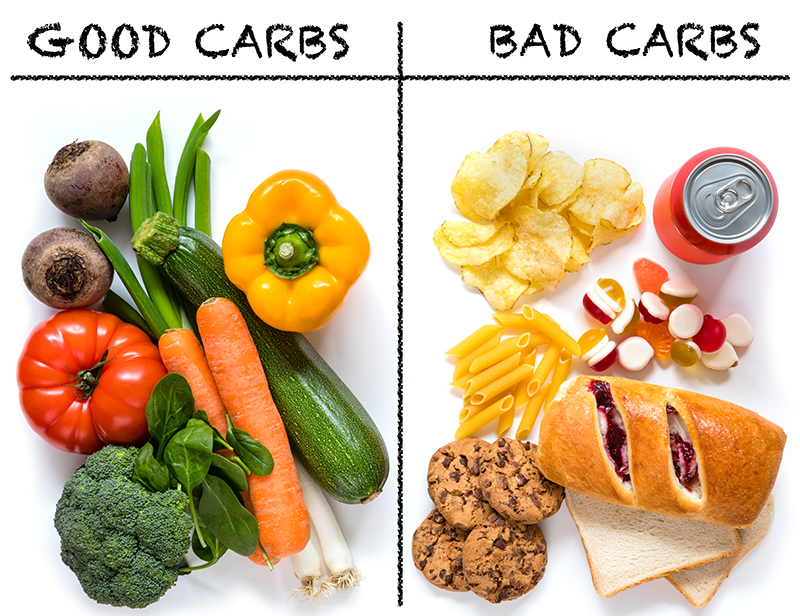
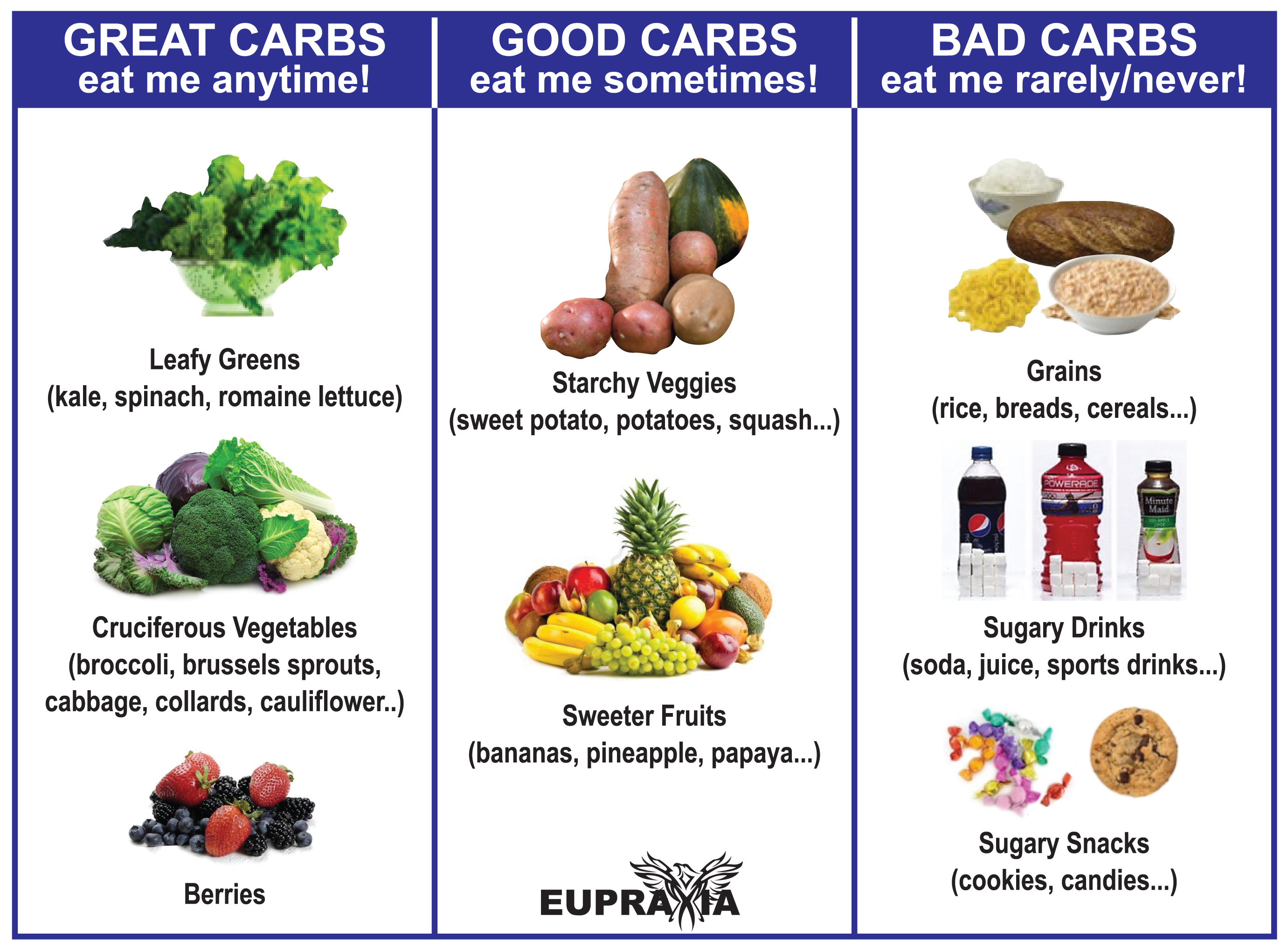
From a financial perspective, “good carbohydrates” are those that provide sustained energy, support cognitive function, and contribute to long-term health, thereby reducing future healthcare costs and enhancing earning potential. “Bad carbohydrates,” conversely, are those that lead to energy crashes, impair cognitive function, and contribute to chronic diseases, ultimately increasing financial burdens.
Whole, Unprocessed Foods as Financial Assets
Complex carbohydrates found in whole grains, legumes, fruits, and vegetables are “good carbohydrates.” They are digested slowly, providing a steady release of energy and essential nutrients. Choosing these foods over refined alternatives is akin to investing in a high-yield, low-risk financial product – they offer long-term benefits with fewer drawbacks. The cost of these nutrient-dense foods, while sometimes perceived as higher, often proves more economical when considering the reduced need for costly medical interventions.
Refined and Sugary Foods as Financial Liabilities
White bread, pastries, sugary drinks, and processed snacks fall into the “bad carbohydrate” category. Their rapid digestion leads to blood sugar spikes and crashes, contributing to inflammation and chronic disease. Financially, these are liabilities that drain resources through direct healthcare costs and indirect losses in productivity and earning potential.
Strategic Dietary Planning: An Avenue for Financial Optimization
Integrating a focus on “good carbohydrates” into one’s diet can be viewed as a strategic financial planning initiative. It’s about optimizing resource allocation – dedicating resources to nourishment that yields long-term financial dividends.
Budgeting for Nutrient-Dense Foods
While some nutrient-dense foods may have a higher upfront cost, smart shopping, meal planning, and focusing on seasonal produce can make them more affordable. Moreover, viewing these purchases as preventative healthcare measures shifts the perspective from an expense to a valuable investment. Comparing the cost of a week’s worth of fresh produce to the potential cost of managing a chronic condition over a lifetime reveals the profound financial prudence of prioritizing “good carbohydrates.”
The Long-Term Returns of a Healthy Diet
The long-term returns on investing in a healthy diet are manifold. Reduced healthcare costs, increased energy and focus leading to higher productivity, and the prevention of debilitating chronic diseases all contribute to greater financial stability and wealth accumulation. By making conscious choices about carbohydrate consumption, individuals are not just improving their health; they are actively safeguarding and enhancing their financial future. The narrative of “bad carbohydrates” is, therefore, intrinsically linked to the narrative of personal finance, highlighting how our dietary habits can significantly shape our economic well-being.
aViewFromTheCave is a participant in the Amazon Services LLC Associates Program, an affiliate advertising program designed to provide a means for sites to earn advertising fees by advertising and linking to Amazon.com. Amazon, the Amazon logo, AmazonSupply, and the AmazonSupply logo are trademarks of Amazon.com, Inc. or its affiliates. As an Amazon Associate we earn affiliate commissions from qualifying purchases.