
The question “how is the stock market today?” is more than just a casual inquiry into the green or red numbers flashing on a television screen; it is a pulse check on the global economy. For investors, financial analysts, and even casual observers, understanding the current state of the market requires peeling back layers of macroeconomic data, corporate earnings reports, and geopolitical events. Today’s market environment is characterized by a complex interplay between persistent inflationary concerns, shifting monetary policies, and the rapid evolution of industry-specific catalysts like artificial intelligence and green energy. To truly understand how the market is performing, one must look beyond the daily fluctuations of the major indices and examine the underlying forces driving modern finance.
Decoding the Current Macroeconomic Landscape
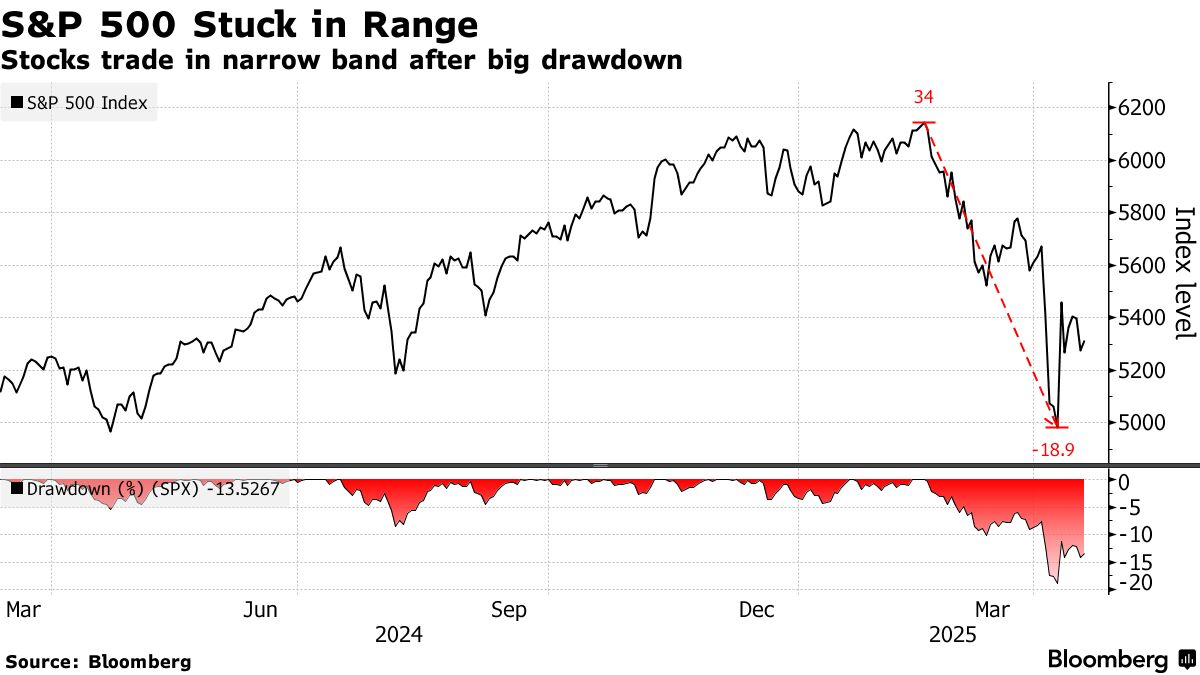
The overarching narrative of the stock market today is inextricably linked to the actions of central banks, particularly the Federal Reserve in the United States. For much of the past two years, the “higher for longer” interest rate mantra has dominated financial headlines. Investors are constantly weighing the likelihood of a “soft landing”—where inflation returns to the target 2% without triggering a deep recession—against the risks of a “hard landing.”
The Role of Central Bank Policies and Interest Rates
Interest rates are the gravity of the financial world. When rates are high, the cost of borrowing increases for both corporations and consumers, which typically slows down economic expansion and can compress stock valuations. Today’s market is hyper-sensitive to any communication from the Federal Open Market Committee (FOMC). Even a single word change in a press release can cause billions of dollars to shift between asset classes. Currently, the market is in a transition phase, looking for signs that the tightening cycle has peaked and that a pivot toward rate cuts is on the horizon. This anticipation often creates “relief rallies,” where stock prices climb based on the hope of cheaper capital in the near future.
Inflationary Pressures and Consumer Spending Patterns
While interest rates are the tool, inflation is the target. The stock market today is heavily influenced by Consumer Price Index (CPI) and Personal Consumption Expenditures (PCE) data. If inflation remains “sticky,” particularly in the services sector or housing, the market reacts negatively, fearing that high rates will persist. Conversely, a cooling inflation print often acts as a catalyst for growth. Furthermore, because the U.S. economy is roughly 70% driven by consumer spending, investors are keeping a close eye on retail sales and consumer sentiment. A resilient consumer provides a safety net for corporate earnings, but a consumer stretched thin by debt and high prices poses a significant risk to retail and discretionary stocks.
Navigating Market Volatility: Key Indicators to Watch
To answer how the market is doing today, one must look at the specific benchmarks that define performance. The stock market is not a monolith; it is a “market of stocks,” and different segments often tell different stories.
Understanding the “Fear Gauge” (VIX)
The CBOE Volatility Index, or VIX, is an essential tool for gauging market sentiment. Often referred to as the “fear gauge,” the VIX measures the market’s expectation of 30-day volatility based on S&P 500 index options. When the VIX is low, it suggests investor complacency and a “risk-on” environment. When it spikes, it indicates high levels of uncertainty and potential panic. In today’s landscape, the VIX often reacts sharply to geopolitical tensions or unexpected economic data, serving as a reminder that stability in the stock market can be fragile.
Performance Benchmarks: S&P 500, Dow Jones, and Nasdaq
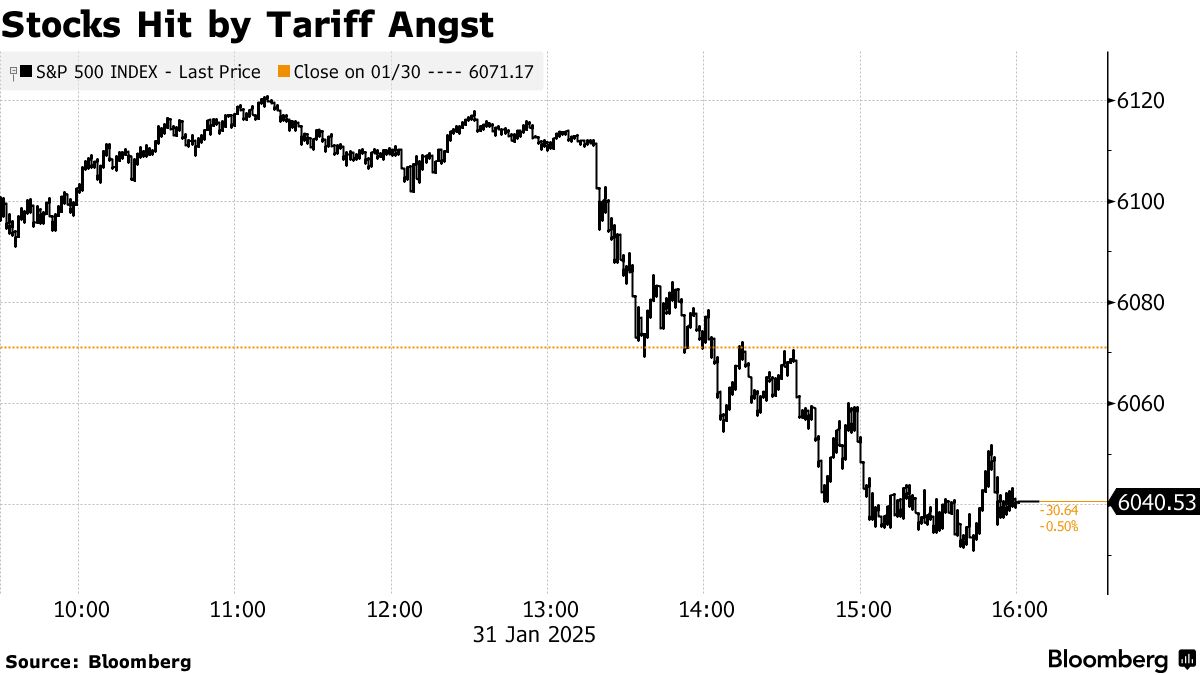
Each of the major indices offers a unique perspective on the market’s health. The S&P 500, representing 500 of the largest U.S. companies, is generally considered the best single gauge of large-cap equities. The Dow Jones Industrial Average (DJIA) provides a look at “blue-chip” industrial and value companies, making it less volatile but also less representative of the high-growth tech sector. The Nasdaq Composite, heavily weighted toward technology and innovation, is the primary indicator of investor appetite for growth. Today, we often see a “divergence” where the Nasdaq may be surging due to breakthroughs in AI, while the Dow lags because of concerns in traditional manufacturing or banking. Understanding these nuances is key to interpreting daily market movements.
Sector-Specific Performance: Winners and Losers
Beneath the surface of the general indices, sector rotation is constantly occurring. Money flows from one area of the market to another based on the economic cycle and specific industry catalysts.
The Resurgence of Growth Stocks and Artificial Intelligence
In the current market, the “Magnificent Seven”—a group of high-performing tech giants—has exerted an outsized influence on total market returns. The primary driver here is the explosion of interest in generative Artificial Intelligence (AI). This has created a bifurcated market where companies involved in semiconductor manufacturing, cloud computing, and AI integration are seeing massive valuation expansion. For investors asking about the market today, the answer is often “as long as Tech is healthy, the market is healthy.” However, this concentration also presents a risk, as any disappointment in tech earnings can drag down the entire S&P 500.
Defensive Play: Utilities, Healthcare, and Consumer Staples
On days when the market is “down,” money often seeks shelter in defensive sectors. Utilities, Healthcare, and Consumer Staples are considered “defensive” because their products and services are needed regardless of the economic climate. People still need electricity, medicine, and groceries even during a recession. Today, many value-oriented investors are pivoting toward these sectors as a hedge against potential economic cooling. Dividend-yielding stocks in these categories provide a steady income stream, which becomes increasingly attractive if growth stocks begin to look overvalued.
Strategic Approaches to Modern Investing
Understanding how the market is today is only useful if it informs a sound investment strategy. For the individual investor, the goal is to filter out the noise of daily fluctuations and focus on long-term wealth accumulation.
Dollar-Cost Averaging in a Fluctuation-Prone Market
One of the most effective strategies for dealing with the uncertainty of today’s market is Dollar-Cost Averaging (DCA). Instead of trying to “time the market” by guessing when it has hit a bottom or a peak, DCA involves investing a fixed amount of money at regular intervals. When prices are low, your money buys more shares; when prices are high, it buys fewer. Over time, this lowers the average cost per share and removes the emotional stress of watching daily price swings. In a market characterized by high volatility, DCA is a disciplined approach that benefits the patient investor.
The Importance of Portfolio Diversification and Asset Allocation
The stock market today rewards those who do not put all their eggs in one basket. Diversification across different asset classes—stocks, bonds, real estate, and cash—is the primary defense against systemic risk. While stocks offer high growth potential, bonds provide stability and income. Furthermore, geographical diversification—investing in both domestic and international markets—ensures that an investor is not overly exposed to the economic downturn of a single country. Modern portfolio theory suggests that a well-allocated portfolio can maximize returns for a given level of risk, which is essential in today’s unpredictable financial environment.
Looking Ahead: Preparing for Future Market Shifts
The stock market is a forward-looking mechanism; it is always trying to price in what will happen six to nine months from now. To understand the market today, we must consider the emerging trends that will shape tomorrow.
Geopolitical Impacts on Global Finance
We live in an era where global events have immediate local consequences. Trade tensions, conflicts in energy-producing regions, and shifts in global alliances can all cause sudden market shifts. For instance, disruptions in supply chains or spikes in oil prices can reignite inflation, forcing central banks to keep interest rates high. Investors must remain cognizant of the global stage, as the interconnectedness of modern finance means that a shock in one corner of the world can trigger a sell-off in another.
The Evolution of Digital Assets and FinTech Integration
Finally, the very structure of the market is changing. The rise of financial technology (FinTech) has democratized access to the stock market, allowing millions of retail investors to participate via mobile apps. Additionally, the institutional adoption of digital assets and blockchain technology is beginning to influence traditional finance. While the stock market remains the primary engine of wealth creation, the integration of these new technologies is changing how trades are executed, how assets are settled, and how risk is managed.
In conclusion, “how the stock market is today” is a question with a multifaceted answer. It is a reflection of current interest rate policies, a measure of consumer resilience, a showcase for technological breakthroughs, and a barometer of global stability. While daily movements may seem chaotic, they are driven by logical, albeit complex, economic forces. For the savvy investor, the key is to look past the immediate noise, understand the underlying sectors and indicators, and maintain a disciplined, diversified strategy that can withstand the inevitable cycles of the financial world.
aViewFromTheCave is a participant in the Amazon Services LLC Associates Program, an affiliate advertising program designed to provide a means for sites to earn advertising fees by advertising and linking to Amazon.com. Amazon, the Amazon logo, AmazonSupply, and the AmazonSupply logo are trademarks of Amazon.com, Inc. or its affiliates. As an Amazon Associate we earn affiliate commissions from qualifying purchases.