
Hyperbaric Oxygen Therapy (HBOT) is often discussed through a medical lens, but from a technical and engineering perspective, it represents one of the most sophisticated intersections of atmospheric physics, material science, and digital control systems. At its core, HBOT involves the delivery of pure oxygen to a patient within a pressurized environment—typically exceeding 1.5 to 3 atmospheres (ATA). To achieve this safely and effectively, the industry relies on a complex ecosystem of hardware and software designed to manage gas laws, monitor physiological data in real-time, and ensure structural integrity under extreme stress.
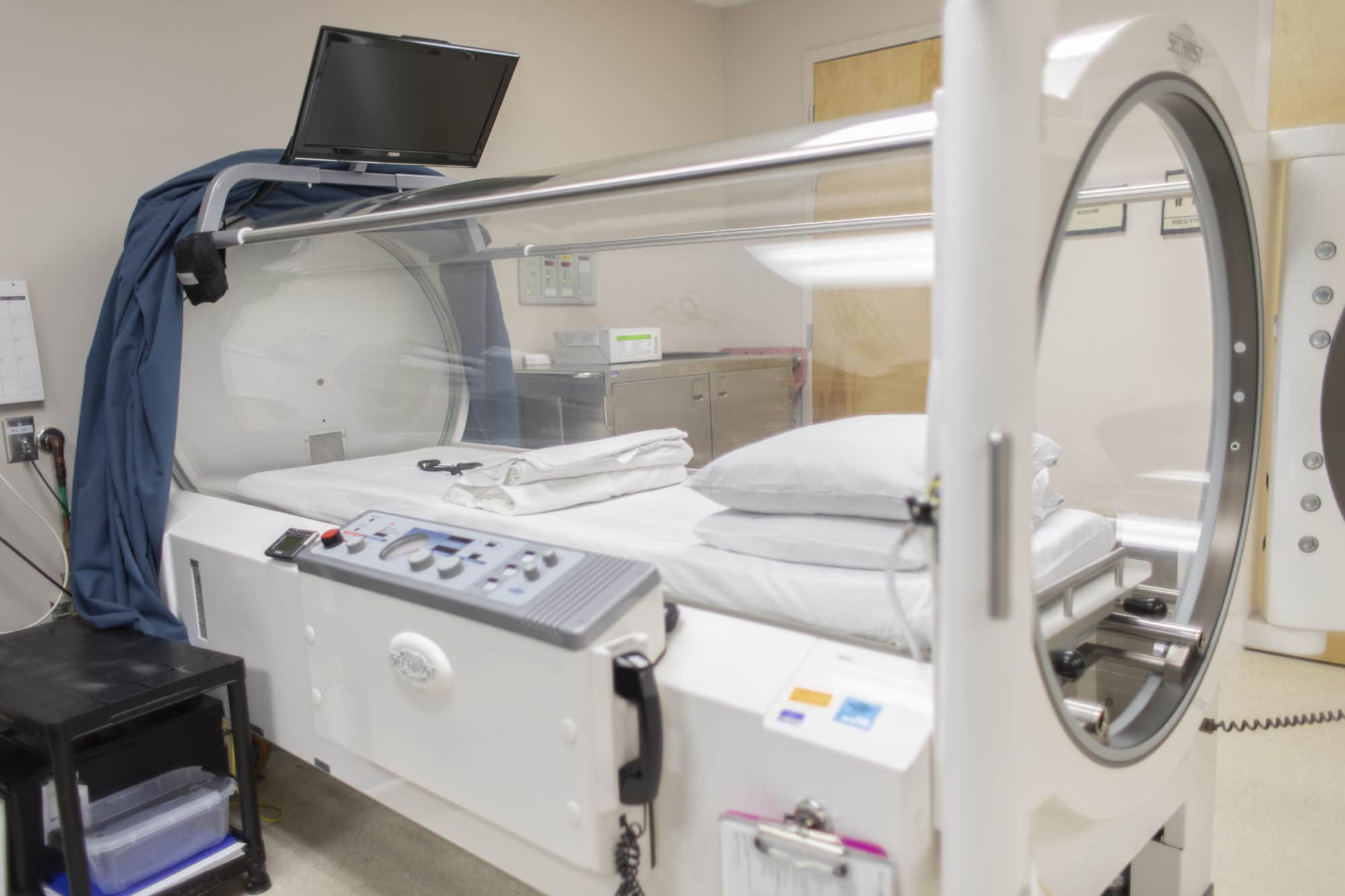
As we move further into the era of digital health, HBOT is undergoing a technological transformation. What was once a purely mechanical process of opening valves and monitoring gauges has evolved into a data-driven field integrated with AI, IoT sensors, and advanced telemetry. This article explores the technological architecture of modern hyperbaric systems and the software innovations driving the next generation of pressurized therapeutics.
The Engineering Architecture of Modern Hyperbaric Systems
The foundational technology of HBOT is the pressure vessel itself. Known in engineering circles as PVHO (Pressure Vessels for Human Occupancy), these structures must comply with rigorous international standards, such as those set by the American Society of Mechanical Engineers (ASME). The design challenges are immense: the vessel must maintain airtight seals while providing a comfortable environment for the occupant.
Monoplace vs. Multiplace Hardware Configurations
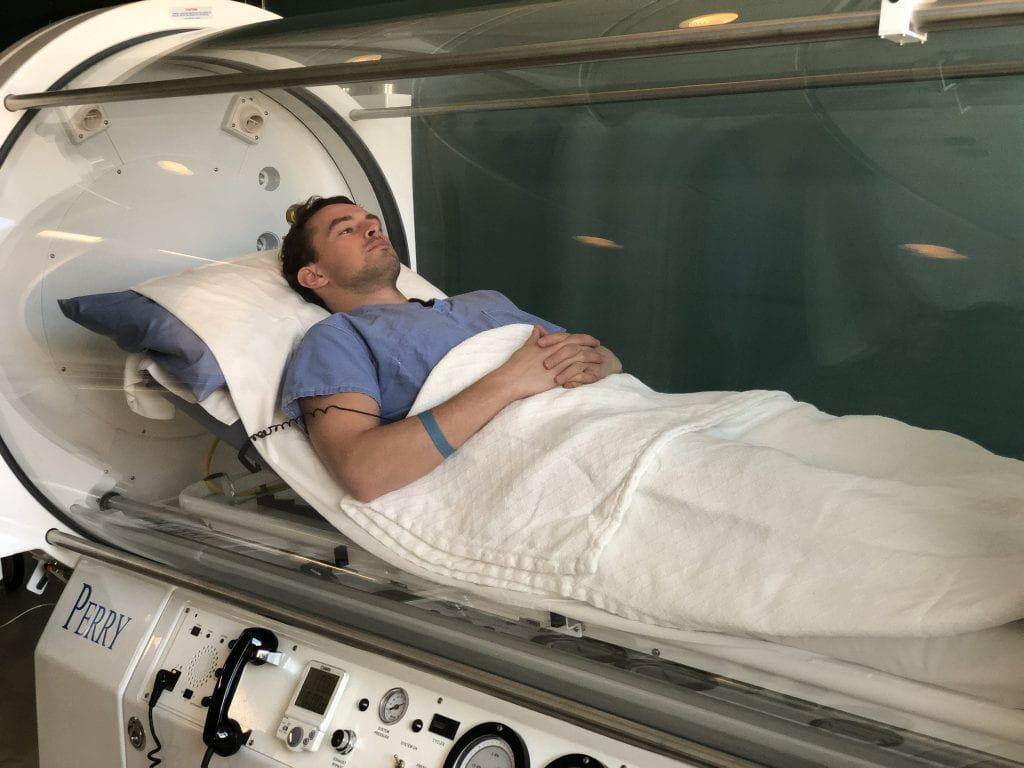
In the tech landscape of hyperbarics, hardware is generally categorized into monoplace and multiplace systems. Monoplace chambers are designed for a single user and are typically pressurized with pure oxygen. From a technical standpoint, these are marvels of acrylic engineering. The large transparent cylinders are made of medical-grade polymethyl methacrylate (PMMA), which must be manufactured without any internal stresses to prevent catastrophic failure under pressure.
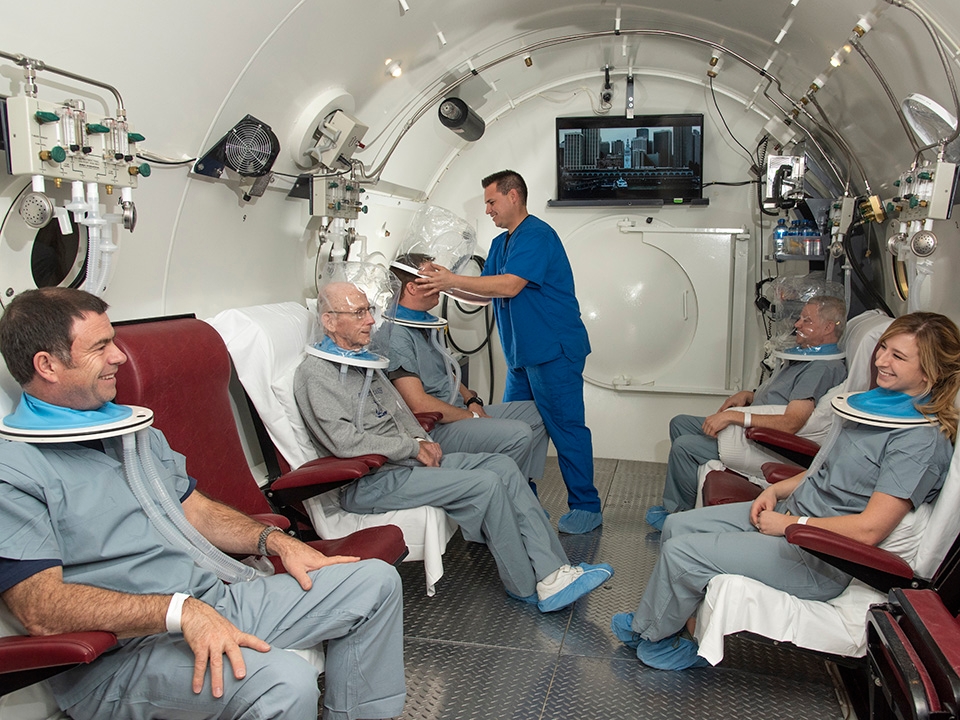
Multiplace chambers, by contrast, are large-scale pressurized rooms that accommodate several patients simultaneously. These systems utilize a “built-in breathing system” (BIBS), which is a complex manifold of regulators and masks. The engineering complexity here lies in the dual-gas management: the room is pressurized with air, while the patients breathe oxygen through a dedicated technological interface.
Life Support and Atmospheric Control Systems
Beyond the shell, the “brains” of the chamber lie in its Life Support System (LSS). Modern chambers utilize Programmable Logic Controllers (PLCs) to automate the compression and decompression phases. This tech prevents “barotrauma” by ensuring that the rate of pressure change is mathematically precise. Advanced LSS hardware includes carbon dioxide scrubbers, humidity controllers, and high-efficiency particulate air (HEPA) filtration systems that operate under high-pressure conditions—a significant engineering feat given that gas density changes at depth.
Sensor Fusion and Real-Time Monitoring Software
The shift from analog to digital has introduced “Sensor Fusion” into the hyperbaric suite. This is the process of integrating data from multiple sensors—oxygen analyzers, pressure transducers, and thermal probes—into a unified software interface that provides operators with a comprehensive view of the chamber’s internal environment.
Precision Oxygen Analysis and Fire Suppression Tech
Safety is the primary driver of technology in HBOT. Because high-pressure oxygen environments are hyper-flammable, the software must monitor oxygen concentrations with extreme precision. Modern chambers use ultrasonic or electrochemical oxygen sensors that feed data into an automated fire suppression system (FSS). If the software detects a deviation in gas composition or a thermal spike, it can trigger a hyper-mist cooling system in milliseconds. This level of automated safety is only possible through high-speed digital processing.
Physiological Telemetry Integration
The next frontier in HBOT tech is the integration of patient data. Advanced chambers now feature “through-hull” penetrators that allow for fiber-optic and electrical signals to pass from the pressurized interior to external monitors without leaking air. This allows technicians to monitor a patient’s EKG, blood pressure, and even blood-oxygen saturation (via specialized transcutaneous monitors) in real-time. The software platforms managing this data often use edge computing to process the signals locally, ensuring there is zero latency in the monitoring of vital signs.
The Role of AI and Predictive Data Analytics
Artificial Intelligence is beginning to play a pivotal role in how hyperbaric protocols are developed and executed. By analyzing vast datasets of past treatments, AI algorithms are helping technicians and engineers optimize the “pressure profile” for specific outcomes.
Algorithmic Protocol Customization
Not every user responds to pressure in the same way. Machine learning models are being developed to analyze patient biometrics and recommend specific “depths” and “dwell times.” For example, if a patient’s heart rate variability (HRV) indicates high stress, the software may suggest a slower compression rate. This move toward “personalized hyperbarics” is a direct result of the integration of AI into the treatment console, moving away from the one-size-fits-all approach of the past.
Predictive Maintenance and Digital Twins
From an operational tech standpoint, the use of “Digital Twins” is a game-changer for HBOT facility management. A Digital Twin is a virtual replica of the physical hyperbaric chamber. By feeding real-time sensor data into this virtual model, engineers can predict when a seal might fail or when a compressor requires servicing before a breakdown occurs. This predictive maintenance technology reduces downtime and ensures the structural longevity of these multi-million dollar assets.
Digital Health Integration and the Future of HBOT Tech
As the wellness and medical tech markets converge, HBOT is being integrated into the broader Digital Health ecosystem. This involves moving data out of the siloed chamber environment and into the cloud, where it can be analyzed alongside data from other health-tech tools.
Wearable Device Synchronization
One of the most significant trends is the synchronization of consumer wearables (like Oura rings, Whoop straps, or Apple Watches) with hyperbaric session data. While many consumer wearables cannot be taken inside a pressurized chamber due to battery safety concerns, specialized “hyperbaric-safe” wearables are being developed. These devices sync via Bluetooth or NFC once the session ends, allowing users to see how their 90-minute “dive” impacted their recovery metrics, sleep quality, and metabolic rate over the following 24 hours.
Cybersecurity and Medical Data Privacy
With the rise of internet-connected chambers, cybersecurity has become a critical concern. If a chamber’s control software is connected to a hospital’s network, it becomes a potential entry point for cyberattacks. Consequently, the latest generation of hyperbaric software is built with robust encryption and “air-gapped” safety overrides. Engineers must ensure that even if the software is compromised, the mechanical safety valves (pop-off valves) remain functional, providing a hardware-level fail-safe against software vulnerabilities.
The Evolution of “Soft-Shell” Portable Technology
While clinical-grade “hard” chambers represent the pinnacle of the tech, there is a burgeoning market for “soft-shell” or mild hyperbaric chambers (mHBOT). These devices represent a different branch of engineering, focusing on portability and accessibility.
Textile Engineering and Portable Compressors
Soft chambers utilize high-strength, polyurethane-coated nylon and specialized “pressure zippers” that were originally developed for aerospace applications. The technology here focuses on the efficiency of portable oil-less compressors and internal frame structures that allow for rapid deployment. While these devices operate at lower pressures (typically 1.3 ATA), the tech challenge lies in ensuring consistent airflow and CO2 removal in a smaller, non-rigid environment.
App-Based Control Interfaces
Many of these modern portable systems are now being paired with smartphone applications. These apps allow users to control the duration of their session, monitor internal pressure via a Bluetooth-connected manometer, and even stream content to tablets mounted on the exterior of the chamber window. This consumerization of HBOT tech is making the modality more accessible to high-performance athletes and tech-savvy biohackers.
Conclusion: The Automated Future of Pressure Medicine
What hyperbaric oxygen therapy represents today is far more than just a pressurized tank; it is a sophisticated hardware-as-a-service (HaaS) platform. The convergence of high-end material science, real-time physiological monitoring, and AI-driven analytics has turned the hyperbaric chamber into a “smart” environment.
As we look forward, the trend is toward full automation. We are approaching a point where a technician may simply oversee a system where the software handles everything from the initial “purge” of the atmosphere to the final “decompression” stage, all while adjusting parameters based on the patient’s live biological feedback. For the tech-focused observer, HBOT is a fascinating case study in how traditional mechanical engineering can be revitalized through the application of modern software and digital connectivity. The future of this field lies in the data—turning every minute spent under pressure into a data point that helps refine the next generation of recovery technology.
aViewFromTheCave is a participant in the Amazon Services LLC Associates Program, an affiliate advertising program designed to provide a means for sites to earn advertising fees by advertising and linking to Amazon.com. Amazon, the Amazon logo, AmazonSupply, and the AmazonSupply logo are trademarks of Amazon.com, Inc. or its affiliates. As an Amazon Associate we earn affiliate commissions from qualifying purchases.