
Quitting alcohol can feel like a monumental personal achievement, often celebrated for its profound health benefits and improved mental well-being. However, the ripple effects of sobriety extend far beyond the physical and emotional, impacting your financial landscape in surprisingly significant ways. For many, alcohol consumption represents a hidden, and often substantial, drain on their resources. By eliminating this expenditure, individuals can unlock considerable financial gains, accelerate debt reduction, and empower themselves to achieve long-term financial goals with greater efficiency. This article delves into the tangible financial transformations that occur when one chooses to abstain from alcohol, exploring how redirected funds can be strategically reinvested for future prosperity.
The Immediate Financial Relief: Uncorking Savings
The most immediate and quantifiable impact of ceasing alcohol consumption is the sudden and often substantial reduction in discretionary spending. For individuals who regularly consume alcohol, the costs can accumulate rapidly, often without conscious awareness. From daily pint purchases to elaborate cocktail nights out, the expense is pervasive and can significantly erode a budget. Recognizing and quantifying these savings is the first step in leveraging this newfound financial freedom.
Quantifying Your Daily, Weekly, and Monthly Savings
The true financial benefit of quitting alcohol becomes apparent when you start to tally the cumulative savings. Let’s break down the potential impact across different spending frequencies.
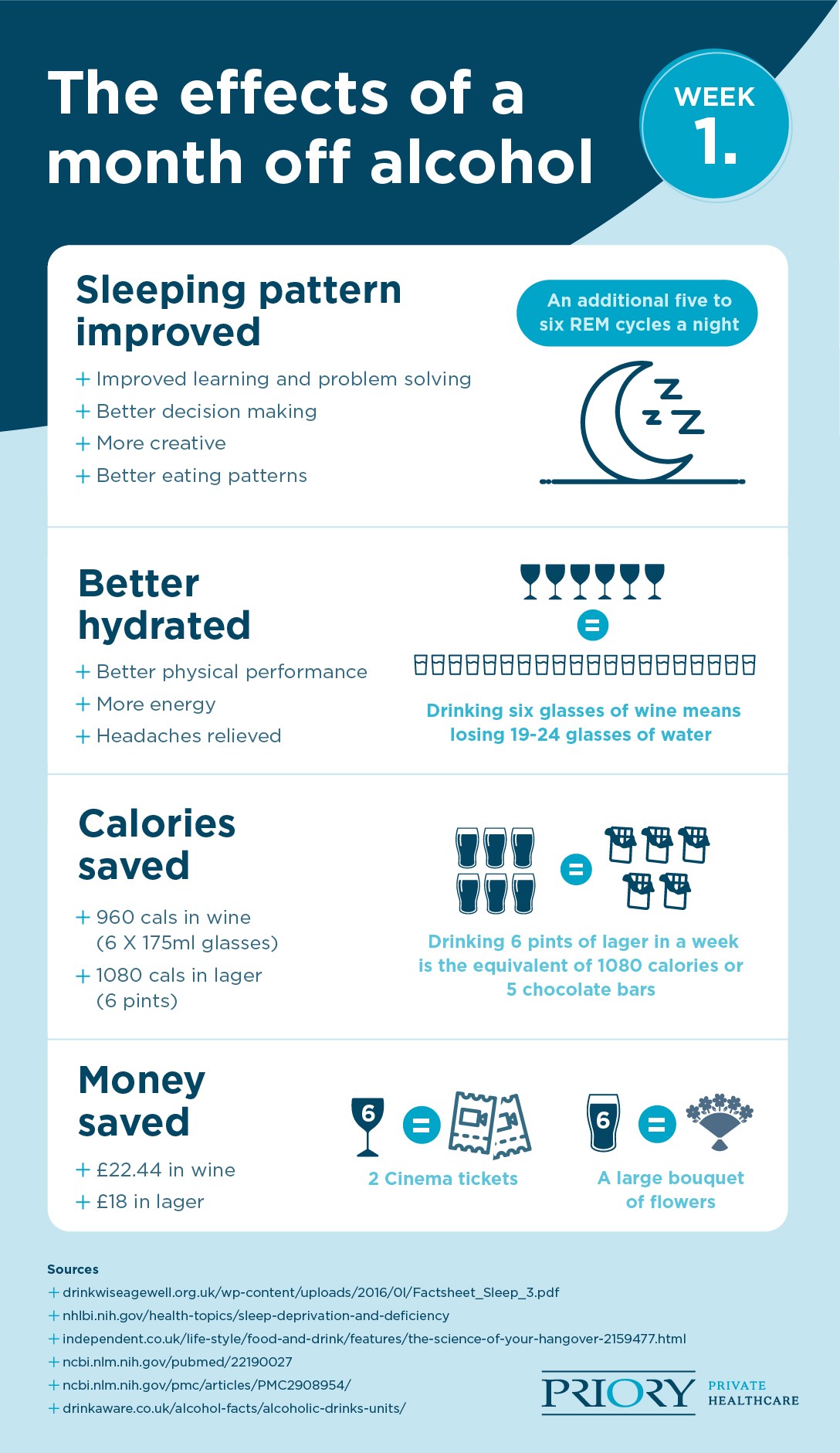
- The Daily Habit: Consider the cost of a single beverage consumed daily. A craft beer at $7, a glass of wine at $10, or a cocktail at $12. If you partake just once a day, that’s anywhere from $2,555 to $4,380 saved annually. This might seem like a moderate sum, but it represents a consistent leak in your financial bucket. For those who enjoy multiple drinks per day, the annual savings can easily surpass $10,000.
- The Weekend Warrior: For many, drinking is a weekend activity. Even if you only drink on Fridays and Saturdays, the cost can escalate. A night out with friends, involving several rounds of drinks, can easily set you back $50 to $100 or more. Over a year, this can amount to $2,600 to $5,200 in savings. Special occasions and holidays can further inflate this figure.
- The Social Butterfly: If your social life heavily revolves around bars and restaurants, your alcohol expenditure can be even higher. Frequenting establishments for social gatherings, often with multiple drinks per visit, can lead to weekly expenses of several hundred dollars. This translates to tens of thousands of dollars saved annually. Think about the cost of appetizers, Ubers to and from venues, and the drinks themselves.
- The Hidden Costs: Beyond the direct purchase price of alcohol, there are often ancillary costs associated with drinking. These include:
- Increased Food Spending: Alcohol can lower inhibitions, leading to more impulsive food purchases, often at higher prices in bars and restaurants.
- Transportation: Relying on ride-sharing services or taxis to get home after drinking adds to the expense.
- Damage to Belongings: While less common, alcohol-induced carelessness can sometimes lead to accidental damage to personal property.
- Health-Related Expenses (Long-Term): While not an immediate saving, abstaining from alcohol can significantly reduce future healthcare costs associated with alcohol-related illnesses.
By meticulously tracking your pre-sobriety spending on alcohol, you can create a clear picture of how much money you are effectively reclaiming. Many sobriety apps and budgeting tools now offer features to help users track these specific savings, making the financial benefits tangible and motivating. This initial phase of financial relief is crucial for building momentum and reinforcing the positive decision to quit.
Redirecting Immediate Savings: From Bar Tab to Bank Account
Once the savings begin to accumulate, the next critical step is to strategically redirect these funds. This isn’t just about having more money; it’s about having a plan for that money that aligns with your financial goals.
- Building an Emergency Fund: If you don’t have one, the most prudent first step is to build or bolster an emergency fund. This fund, typically covering 3-6 months of essential living expenses, acts as a crucial safety net against unexpected job loss, medical emergencies, or major home repairs. The money previously spent on alcohol can be the perfect fuel for this vital financial buffer.
- Paying Down High-Interest Debt: Credit card debt, personal loans, and other forms of high-interest debt can be incredibly detrimental to your long-term financial health. By allocating your alcohol savings towards these debts, you can significantly reduce the amount of interest you pay over time, freeing up even more money in the future and improving your credit score.
- Boosting Retirement Contributions: For many, retirement feels like a distant concern. However, consistently contributing to retirement accounts like 401(k)s or IRAs is one of the most powerful ways to secure your future financial well-being. The money saved from not drinking can be a direct deposit into your future self’s account, benefiting from the power of compound interest.
- Investing for Growth: Once immediate financial priorities are addressed, consider investing the savings. This could involve investing in stocks, bonds, mutual funds, or even real estate. Even modest, consistent investments can grow significantly over time, building wealth and providing financial independence.
The key here is to be deliberate. Automate transfers from your checking account to savings or investment accounts immediately after you would have normally spent the money on alcohol. This “set it and forget it” approach ensures that the savings are put to work for you, rather than being lost to impulse spending or simply accumulating in a less productive checking account.
The Long-Term Financial Transformation: Building Wealth and Security
Beyond the immediate financial uplift, abstaining from alcohol fosters a more disciplined and conscious approach to money management, leading to significant long-term financial gains and enhanced security. This shift in mindset, coupled with consistent savings and smart investing, can dramatically alter your financial trajectory.
Enhanced Financial Discipline and Decision-Making
The act of quitting alcohol often requires a significant degree of self-control and deliberate decision-making. This newfound discipline frequently spills over into other areas of life, including financial management.
- Mindful Spending: When you’re more conscious about your consumption habits, you tend to apply that mindfulness to your spending in general. You become more discerning about purchases, questioning whether they truly align with your needs and goals. Impulse buys diminish, and you are more likely to stick to a budget.
- Improved Budgeting Accuracy: Without the unpredictable variable of alcohol expenses, budgeting becomes more straightforward and accurate. You can create a more realistic spending plan, allocating funds more effectively towards savings, investments, and debt repayment.
- Reduced Financial Stress: Alcohol can often be used as a coping mechanism for financial stress. By addressing the underlying reasons for seeking solace in alcohol and by experiencing the positive financial outcomes of sobriety, you can experience a significant reduction in overall financial anxiety. This emotional well-being further supports sound financial decision-making.
- Better Negotiation and Earning Potential: When you’re sober and clear-headed, you’re better equipped to negotiate salary increases, pursue new career opportunities, and manage your professional relationships effectively. This can lead to higher earning potential over time, further accelerating your financial progress.
- Avoiding Costly Mistakes: Alcohol-induced poor judgment can lead to financial blunders, such as taking out predatory loans, making risky investments, or engaging in fraudulent activities. Sobriety eliminates these risks, safeguarding your financial future.
The mental clarity and improved self-awareness that come with sobriety are powerful catalysts for developing robust financial habits. You are more likely to plan for the future, resist immediate gratification for long-term gain, and make decisions that are truly in your best financial interest.

Accelerating Debt Reduction and Wealth Accumulation
The consistent reallocation of funds previously spent on alcohol provides a powerful engine for both debt reduction and wealth accumulation. This dual approach creates a virtuous cycle of financial improvement.
- Aggressive Debt Payoff Strategies: With the extra capital freed up, you can implement aggressive debt payoff strategies. This could involve the “debt snowball” method, where you pay off smallest debts first for motivational wins, or the “debt avalanche” method, prioritizing debts with the highest interest rates to save the most money. The saved alcohol money can be a significant boost to your monthly debt payments.
- Increased Investment Capacity: As your debt burden decreases, you have more disposable income to allocate towards investments. This means you can contribute more to your retirement accounts, invest in a diversified portfolio of stocks and bonds, or even explore other avenues like real estate. The earlier and more consistently you invest, the greater the potential for compound growth.
- Reaching Financial Milestones Sooner: Whether your goal is to buy a home, fund your children’s education, or achieve financial independence, the savings from quitting alcohol can help you reach these milestones significantly faster. Imagine shortening the timeline to a down payment on a house by several years, simply by redirecting your daily or weekly bar tab.
- Building a Legacy: For those with long-term financial aspirations, the accumulated wealth from years of sober living can provide a substantial foundation for building a legacy. This could involve leaving an inheritance for loved ones, supporting charitable causes, or investing in ventures that align with your values.
The long-term financial benefits of sobriety are not just about accumulating wealth; they are about building a secure and stable future. It’s about the peace of mind that comes from knowing you have a solid financial footing, are prepared for the unexpected, and have the resources to live the life you envision. The decision to stop drinking is not just a health choice; it is a powerful financial strategy that can yield transformative results.
aViewFromTheCave is a participant in the Amazon Services LLC Associates Program, an affiliate advertising program designed to provide a means for sites to earn advertising fees by advertising and linking to Amazon.com. Amazon, the Amazon logo, AmazonSupply, and the AmazonSupply logo are trademarks of Amazon.com, Inc. or its affiliates. As an Amazon Associate we earn affiliate commissions from qualifying purchases.