
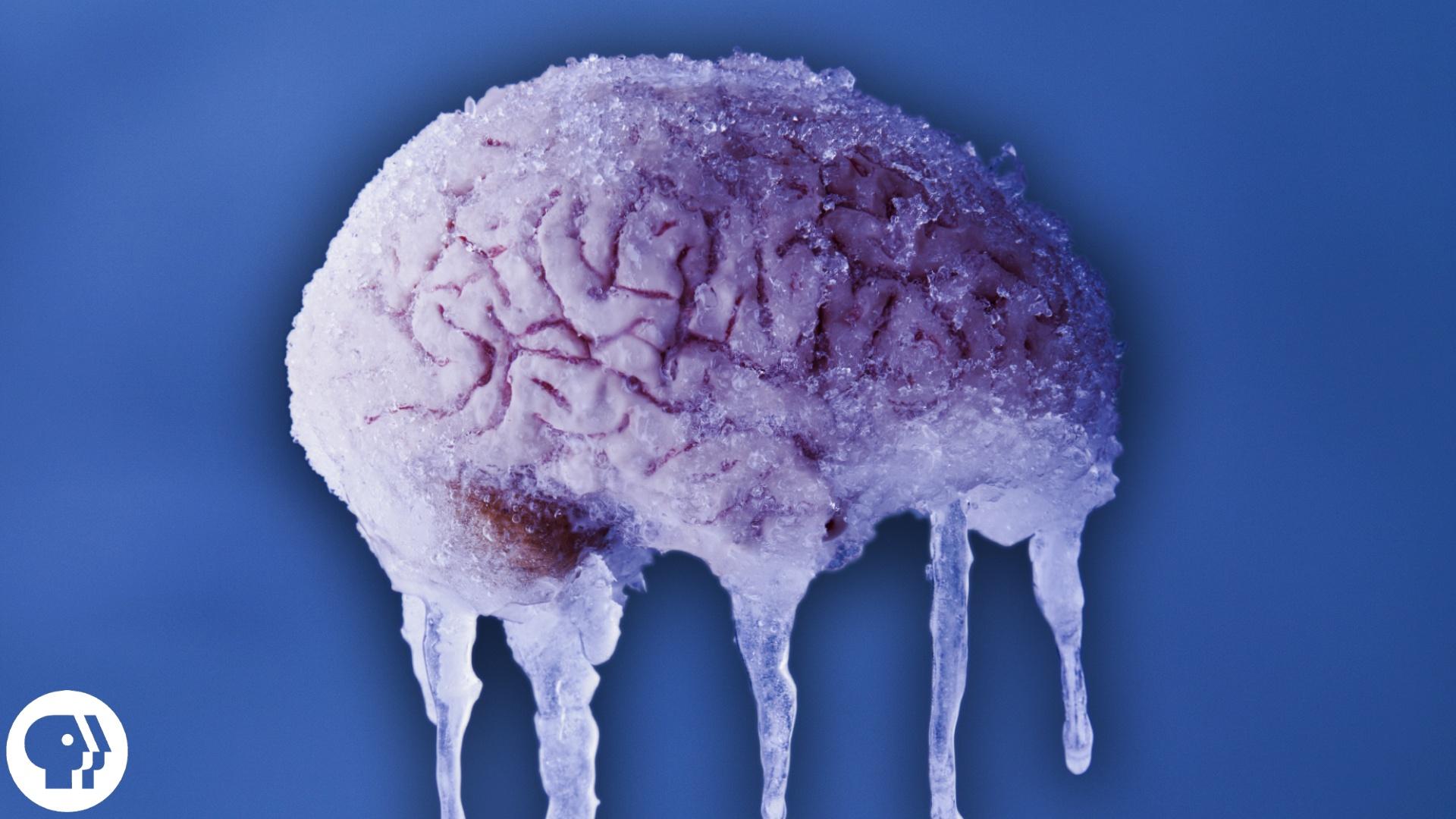
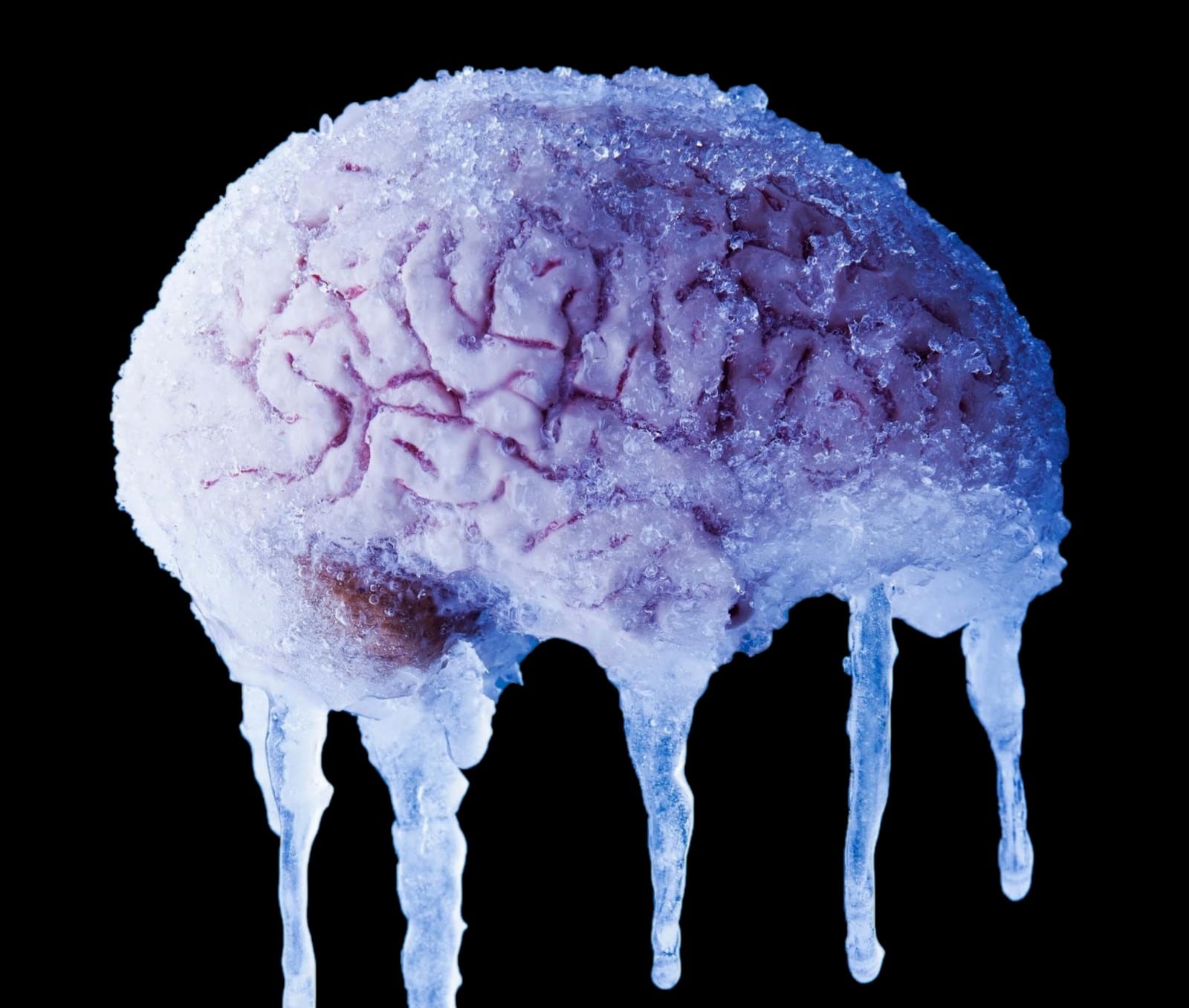
The sharp, sudden, and often incapacitating pain that sears through your head when consuming something icy cold is a universally recognized phenomenon. Commonly referred to as “brain freeze,” “ice cream headache,” or medically as sphenopalatine ganglioneuralgia, this transient neurological event is as intriguing as it is discomforting. While it might feel like your brain is literally freezing, the reality is a complex interplay of physiological responses orchestrated by your body’s sophisticated thermoregulation and pain signaling systems. Understanding the mechanics behind brain freeze offers a fascinating glimpse into how our bodies react to rapid temperature changes and the intricate pathways involved in pain perception.
The Physiological Cascade: A Rapid Response to Cold
The onset of brain freeze is triggered by a sudden, intense drop in temperature within the oral cavity, specifically on the roof of the mouth (the palate) or the back of the throat. This region is densely populated with specialized nerve endings and blood vessels, making it a highly sensitive area for detecting temperature fluctuations. When exposed to extreme cold, these structures initiate a rapid and multifaceted physiological response.
Vasodilation and the Pain Receptors
At the heart of brain freeze lies a swift and significant vasodilation – the widening of blood vessels. The cold stimulus, upon contact with the palate, activates thermoreceptors, which are specialized sensory receptors responsible for detecting temperature. These receptors send signals to the brain, indicating a rapid cooling. In response, the body attempts to conserve heat and maintain core temperature. However, the mechanism that unfolds is not one of constriction, but rather an unexpected dilation of the anterior cerebral artery, a major blood vessel supplying blood to the frontal lobe of the brain.
This rapid dilation is believed to be a protective reflex. The body’s theory, though not fully confirmed, is that by increasing blood flow to the brain, it can rapidly rewarm the affected area. However, this surge in blood flow through a constricted cranial cavity creates increased pressure, which in turn activates pain receptors located in the meninges, the protective membranes surrounding the brain. These pain receptors, the trigeminal nerve endings in particular, are highly sensitive and are responsible for transmitting the sensation of pain from the face and head to the brain. The intense, throbbing pain of brain freeze is a direct consequence of this sudden pressure change and the subsequent activation of these pain pathways.
The Role of the Sphenopalatine Ganglion
Another key player in the brain freeze phenomenon is the sphenopalatine ganglion, a cluster of nerve cells located behind the cheekbone and near the back of the nasal cavity. This ganglion acts as a relay station for nerve signals, including those related to pain and temperature. When the palate is exposed to cold, the thermoreceptors in this area send signals to the sphenopalatine ganglion. The ganglion then relays these signals, along with the signals from the dilated blood vessels, to the trigeminal nerve, which then transmits the pain sensation to the brain.
The exact mechanism by which the sphenopalatine ganglion contributes to brain freeze is still an area of active research. However, it is theorized that the rapid cooling and subsequent vasodilation cause the ganglion to become overstimulated. This overstimulation might lead to the release of certain neurotransmitters that amplify the pain signals, contributing to the intense and characteristic nature of brain freeze pain. Some researchers also suggest that the ganglion might play a role in modulating blood flow in the cranial arteries, further influencing the vasodilation response.
The Sensation of Pain: A Complex Neurological Event
Brain freeze is a prime example of referred pain, a phenomenon where pain is felt in a part of the body different from the site of its origin. In this case, the initial cold stimulus is applied to the palate, but the pain is perceived as a sharp ache in the forehead or temples. This referral occurs because the trigeminal nerve, which innervates the face and mouth, also carries sensory information from the meninges. When the trigeminal nerve is activated by the pressure changes in the cranial arteries, the brain interprets these signals as originating from the forehead, the primary area of distribution for the trigeminal nerve.
The Trigeminal Nerve and Pain Pathways
The trigeminal nerve is the fifth cranial nerve and the largest cranial nerve. It has three main branches: the ophthalmic, maxillary, and mandibular nerves, which provide sensation to the face, scalp, eyes, nasal cavity, and oral cavity. The ophthalmic division, in particular, is heavily involved in the perception of pain in the frontal region of the head.
When the anterior cerebral artery rapidly dilates, it stretches the surrounding meninges, which are rich in nociceptors (pain receptors). These nociceptors send signals via the trigeminal nerve to the brain’s somatosensory cortex. Because the brain has learned to associate signals from the ophthalmic division of the trigeminal nerve with sensations in the forehead, it interprets the signals generated by the arterial dilation as pain in that area. This intricate neurological wiring, designed for detecting threats and injuries, inadvertently leads to the uncomfortable sensation of brain freeze when confronted with a benign stimulus like an icy drink.
The Brief Duration: Why It Doesn’t Last
One of the defining characteristics of brain freeze is its transient nature. The intense pain typically subsides within seconds to a couple of minutes. This rapid resolution is primarily due to the body’s efficient homeostatic mechanisms designed to restore equilibrium.
Once the cold stimulus is removed or the body has had a moment to adapt, the vasodilation response begins to reverse. The anterior cerebral artery constricts back to its normal size, reducing the pressure within the cranial cavity. This decrease in pressure alleviates the stimulation of the meningeal pain receptors, and the pain signal subsides. Furthermore, the sphenopalatine ganglion returns to its baseline activity, and the nerve impulses traveling along the trigeminal nerve are normalized. The body’s rapid response to rewarm the area, often through the release of heat through increased blood flow, also plays a role in the quick recovery from brain freeze. This ability to swiftly return to a stable state highlights the remarkable resilience and adaptive capabilities of the human nervous and circulatory systems.
Factors Influencing Brain Freeze Occurrence
While many people experience brain freeze, the frequency and intensity can vary significantly among individuals. Several factors can influence how likely someone is to experience this discomfort, ranging from their physiology to their consumption habits.
Individual Sensitivity and Genetics
There appears to be a degree of individual variability in susceptibility to brain freeze. Some people report experiencing it very rarely, if ever, while others seem to be more prone to its onset. While extensive genetic research specifically on brain freeze susceptibility is limited, it is plausible that genetic predispositions might influence the sensitivity of thermoreceptors, the responsiveness of blood vessels, or the processing of pain signals within the trigeminal nerve and its associated pathways. Differences in the density of nerve endings in the palate, or variations in the cranial vasculature, could also contribute to these individual differences.
The Speed and Temperature of Consumption
The most direct factor influencing brain freeze is the way in which a cold substance is consumed. The faster and colder the item, the more likely and intense the brain freeze is to be. Gulping down an icy beverage or rapidly consuming a frozen dessert ensures that a significant portion of the palate and/or throat is exposed to an extreme temperature change in a very short period. This rapid thermal shock overwhelms the body’s ability to regulate temperature gradually, triggering the rapid vasodilation and subsequent pain response. In contrast, sipping a cold drink slowly or allowing a frozen treat to melt slightly in the mouth provides a less abrupt temperature change, giving the body more time to adapt and reducing the likelihood of triggering brain freeze.
Pre-existing Conditions and Certain Medications
While not a primary cause, certain pre-existing conditions or medications might theoretically influence the likelihood or severity of brain freeze, although direct clinical evidence is often anecdotal. Individuals with conditions affecting blood vessel regulation or nerve sensitivity might be more susceptible. For example, some people with migraines report that cold stimuli can trigger their headaches, and brain freeze shares some physiological similarities with migraine mechanisms, particularly involving vascular changes and trigeminal nerve activation. Similarly, certain medications that affect blood pressure or nerve function could potentially alter the body’s response to rapid temperature changes, though this remains largely speculative without dedicated research. The focus for most people experiencing brain freeze is on the direct stimulus rather than underlying medical issues, as it is typically a benign and temporary phenomenon.
Preventing and Relieving the Pain
Fortunately, brain freeze is a temporary ailment that can often be prevented or alleviated with simple strategies. Understanding the underlying mechanism allows for targeted approaches to avoid or mitigate the discomfort.
Prevention Strategies
The most effective way to prevent brain freeze is to avoid rapid exposure of the palate and throat to extreme cold. This can be achieved through mindful consumption of cold items.
- Consume Slowly: Sip cold beverages rather than gulping them down. Allow frozen foods to melt slightly on your tongue before swallowing.
- Warm the Substance: If possible, allow very cold drinks or foods to warm up slightly in your mouth for a few seconds before swallowing.
- Avoid Direct Contact: Try to direct the cold substance towards the front of your mouth, away from the roof of your mouth and the back of your throat, where the most sensitive thermoreceptors are located.

Relief Techniques
When brain freeze strikes, the primary goal is to rewarm the palate and alleviate the pressure in the cranial arteries.
- Press Your Tongue to the Roof of Your Mouth: This is a widely recommended and effective method. Pressing your warm tongue against the cold palate helps to transfer heat, warming the affected area and initiating the reversal of vasodilation.
- Drink Warm Water: Sipping on a warm (not hot) liquid can help to gently rewarm the oral cavity and promote blood vessel constriction.
- Cover Your Mouth and Nose: Cup your hands over your mouth and nose and breathe rapidly. The warm air you exhale can help to warm the nasal cavity, which is connected to the palate and can indirectly contribute to warming the affected area.
- Wait It Out: As mentioned, the pain is temporary. If other methods aren’t immediately available or effective, simply waiting for the body’s natural response to subside will eventually bring relief.
Brain freeze, though momentarily debilitating, is a fascinating testament to the intricate and responsive nature of our physiological systems. It serves as a reminder of the sensitive balance our bodies strive to maintain, even in the face of a simple, pleasurable indulgence. By understanding its causes and mechanisms, we can better appreciate this common yet complex bodily reaction and employ simple techniques to navigate its fleeting but sharp sting.
aViewFromTheCave is a participant in the Amazon Services LLC Associates Program, an affiliate advertising program designed to provide a means for sites to earn advertising fees by advertising and linking to Amazon.com. Amazon, the Amazon logo, AmazonSupply, and the AmazonSupply logo are trademarks of Amazon.com, Inc. or its affiliates. As an Amazon Associate we earn affiliate commissions from qualifying purchases.