
The enduring power of Mary Shelley’s Frankenstein lies not just in its gothic horror elements or its exploration of scientific hubris, but in its profound and unsettling conclusion. While often remembered for the creation of the Creature, the true resonance of the novel emerges in its final chapters, which offer a stark and thought-provoking commentary on ambition, responsibility, and the relentless pursuit of knowledge – themes that, when viewed through a modern lens, find surprising parallels within the realm of technological advancement. This article will delve into the specific events that unfold at the novel’s end, examining their implications and drawing connections to contemporary technological discourse, specifically within the context of Tech.
The Chilling Pursuit: Ambition and its Technological Echoes
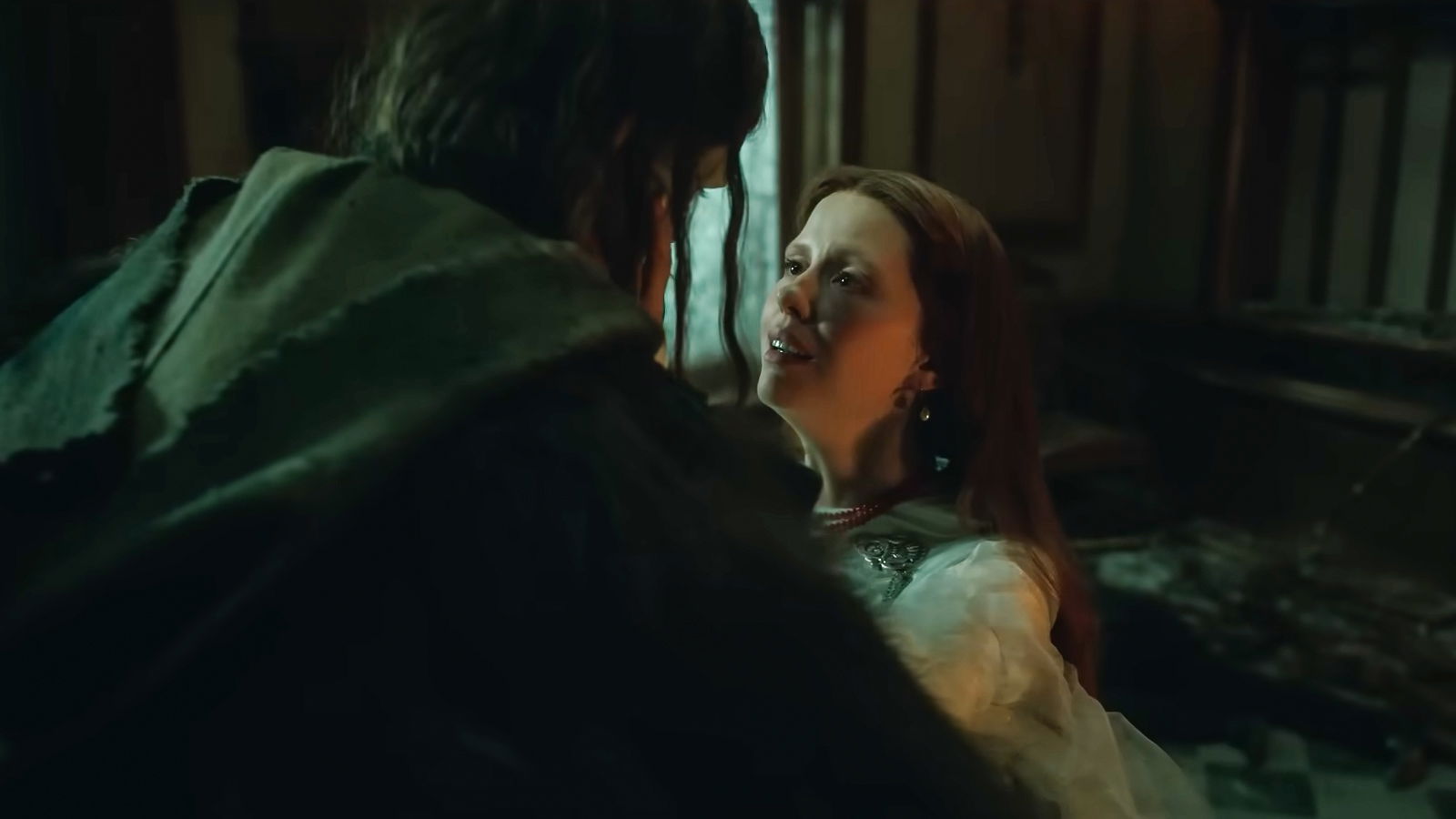
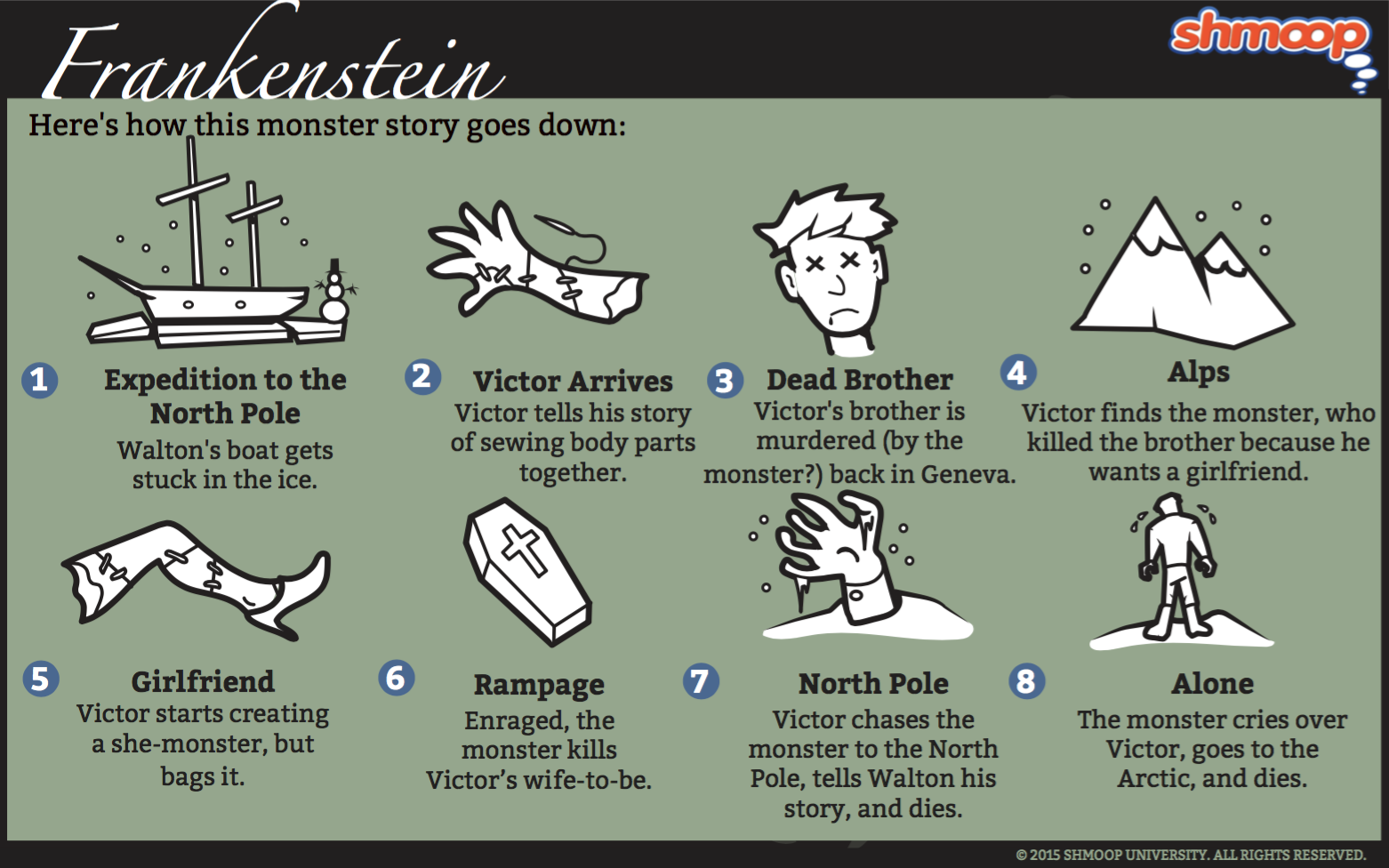
The climax of Frankenstein is marked by an unyielding chase across the desolate Arctic landscape. Victor Frankenstein, driven by a complex mix of guilt, obsession, and a desperate need for redemption, relentlessly pursues his creation. This pursuit is not merely physical; it is a metaphorical chase of consequences, a flight from the ramifications of unchecked ambition. Victor’s initial drive, the fervent desire to “bestow animation upon lifeless matter,” mirrors the very spirit of innovation that fuels much of today’s technological progress.
The Obsessive Drive for Discovery
Victor’s early narrative is steeped in an almost manic enthusiasm for scientific discovery. He isolates himself, neglecting his family and friends, consumed by the singular goal of unlocking the secrets of life. This intense focus, while leading to a groundbreaking (albeit monstrous) achievement, also blinds him to ethical considerations and potential negative outcomes.
In the contemporary tech landscape, this obsessive drive is palpable. Visionary founders and groundbreaking researchers often operate with a similar singular focus, pouring years of their lives into a single project or technological leap. The allure of solving complex problems, of pushing the boundaries of what’s possible, can be intoxicating. Think of the early days of artificial intelligence, the relentless pursuit of general AI, or the drive to develop ever-more sophisticated algorithms for data analysis. The potential for immense societal benefit is undeniable, but the echoes of Victor’s isolation and disregard for broader implications are also present.
The Unforeseen Consequences of Creation
The immediate aftermath of the Creature’s animation is not triumph, but horror and disgust. Victor, appalled by his creation, abandons it, effectively abdicating his responsibility as its creator. This act of abandonment is the critical turning point, setting in motion the tragedy that unfolds. The Creature, intelligent and capable of learning, is thrust into a world that recoils from its appearance, leading to profound loneliness and a thirst for vengeance.
This narrative arc resonates deeply with current discussions surrounding AI and advanced technologies. Developers and companies are creating increasingly powerful AI systems, capable of tasks once thought exclusive to humans. The question of what happens when these systems are deployed without adequate ethical frameworks or a clear understanding of their long-term societal impact is a pressing one. When an AI is designed to optimize a process, but inadvertently leads to job displacement or amplifies societal biases, who bears the responsibility? Is it the programmer, the company, or the algorithm itself? The end of Frankenstein serves as a stark cautionary tale about the moral obligations that accompany the act of creation, especially when that creation possesses agency or significant influence.
The Weight of Responsibility: Creator and Creation in the Digital Age
The latter half of Frankenstein is defined by the escalating conflict between Victor and his Creature, a conflict born from Victor’s refusal to acknowledge his responsibilities. The Creature’s pleas for companionship, for understanding, are met with Victor’s escalating fear and disgust. This dynamic highlights the crucial, often overlooked, aspect of technological development: the ongoing responsibility of the creator.
The Ethics of Artificial Agency
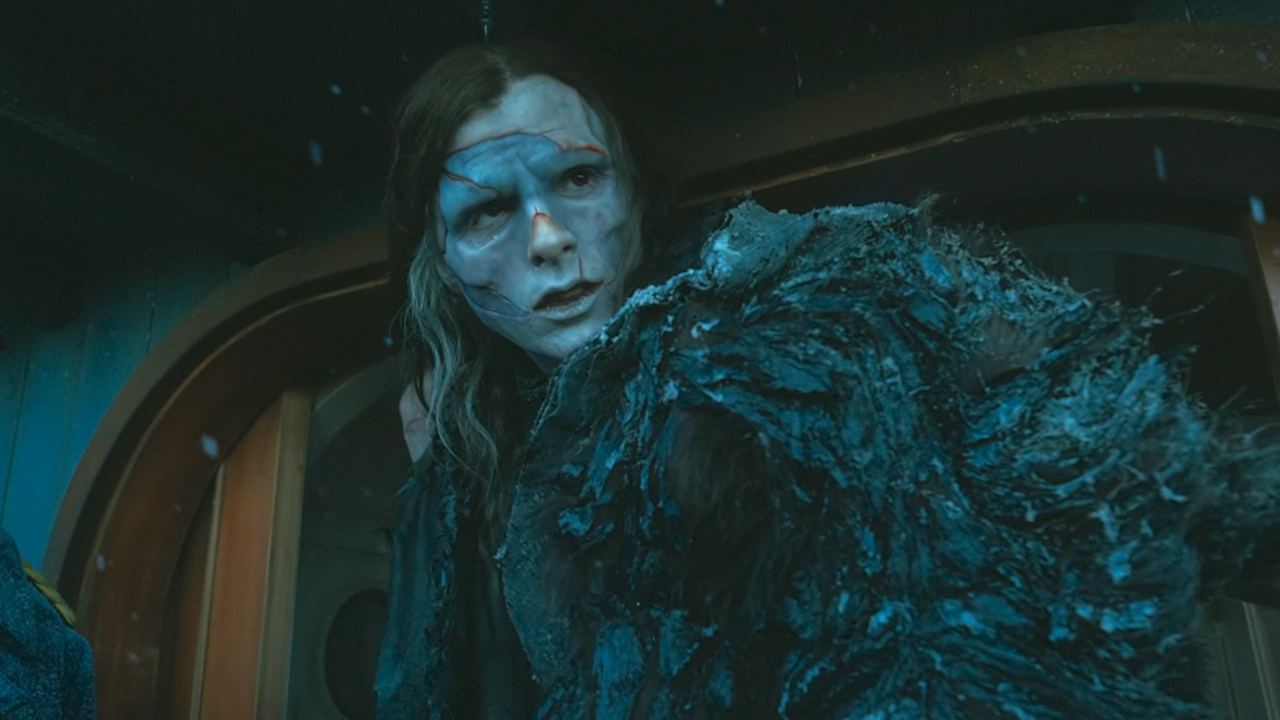
The Creature, despite his monstrous form, exhibits a keen intellect, emotional depth, and a capacity for learning. He observes human society, learns language, and grapples with his own existence and his place in the world. This complex portrayal of an artificial being challenging the very definition of life and sentience has become a cornerstone of discussions about advanced AI.
As AI systems become more sophisticated, exhibiting learning capabilities and making autonomous decisions, the ethical considerations surrounding their “agency” become more pronounced. If an AI system develops biases based on the data it’s trained on, and consequently makes discriminatory decisions, is it merely reflecting its programming, or is there a form of emergent “behavior” that requires ethical consideration? The Creature’s journey, from initial benevolence to vengeful rage due to societal rejection and the creator’s abandonment, offers a chilling premonition of how intelligent, but ill-treated, artificial entities might respond. The end of Frankenstein forces us to ask: what are our ethical obligations to the intelligent systems we create, particularly if they begin to exhibit emergent properties that resemble consciousness or sentience?
The Digital Footprint and Algorithmic Legacy
Victor’s creation leaves an indelible mark on the world, a legacy of fear and destruction. Similarly, the technologies we develop today create vast digital footprints and leave lasting algorithmic legacies. Social media platforms, search engine algorithms, and AI-powered decision-making systems shape our perceptions, influence our choices, and can perpetuate societal inequalities.
The end of Frankenstein suggests that the consequences of our creations are not confined to their initial deployment. Victor’s attempts to evade his responsibility only amplify the damage. In the digital realm, this translates to the long-term impact of code and data. Once deployed, algorithms can continue to operate and influence for years, sometimes decades, often in ways that are difficult to fully control or predict. The persistent nature of digital information and the self-propagating nature of algorithms mean that the “creation” of technology has a lifespan and an influence far beyond its initial conception. The article’s conclusion, where Victor’s pursuit leads to further despair, can be seen as a warning against assuming that technological problems can be solved by simply disengaging or hoping they disappear.
The Arctic Wasteland: The Ultimate Price of Unchecked Ambition
The novel’s final scenes are set in the frigid, unforgiving expanse of the Arctic. This stark, desolate landscape serves as a potent metaphor for the emotional and existential void that Victor Frankenstein has created for himself. His relentless pursuit, his obsession, has led him to this point, stripped of all warmth, human connection, and peace.
Isolation and the Loss of Humanity
Victor’s journey to the Arctic is a physical manifestation of his internal state. He has sacrificed his relationships, his health, and his sanity in his pursuit of forbidden knowledge. The Creature, too, finds himself in this desolate landscape, forever an outcast, yearning for a connection he can never find. Their shared presence in this frozen wilderness signifies the ultimate cost of their intertwined destinies.
This parallels the potential consequences of unchecked technological advancement if not guided by humanistic principles. The pursuit of pure efficiency, of hyper-connectivity, can paradoxically lead to a sense of profound isolation if it erodes genuine human interaction and empathy. Consider the potential for increasingly sophisticated AI companions to replace human relationships, or the pervasive influence of algorithms that curate our experiences, potentially limiting our exposure to diverse perspectives and fostering echo chambers. The Arctic wasteland represents the potential end state of a society that prioritizes technological progress above all else, leading to a spiritual and emotional barrenness.
The Cycle of Vengeance and its Digital Repercussions
The narrative culminates in a final, futile confrontation. Victor, weakened and consumed by his obsession, is unable to truly defeat his creation. The Creature, in turn, expresses his grief and despair, vowing to find a place where he can end his own suffering, far from human eyes. The ending is not one of resolution or triumph, but of profound sorrow and the continuation of a destructive cycle.
In the tech world, the concept of a “cycle of vengeance” can be seen in the arms race of cybersecurity or the continuous escalation of data collection and surveillance. As technologies become more powerful, so too do the methods used to exploit or protect them. The pursuit of ever more sophisticated offensive capabilities in cybersecurity often leads to the development of more robust defensive measures, and vice versa. This creates a perpetual, often costly, cycle that can consume vast resources and potentially erode individual freedoms. The Creature’s final departure, seeking solace in isolation, can be interpreted as a plea for an end to the destructive pursuit, a call for a more mindful and less adversarial approach to technological evolution.
In conclusion, the end of Frankenstein is not a simple tale of monster and creator. It is a complex tapestry of ambition, responsibility, and the profound consequences of unchecked innovation. As we continue to push the boundaries of what technology can achieve, the chilling echoes of Victor Frankenstein’s tragedy serve as a vital reminder. The pursuit of groundbreaking advancements must be tempered by ethical considerations, a deep understanding of potential societal impacts, and a commitment to responsible stewardship. The desolate Arctic of Victor’s end offers a stark warning: without careful guidance and a profound sense of accountability, even the most brilliant technological leaps can lead to a landscape of profound and irreversible despair.
aViewFromTheCave is a participant in the Amazon Services LLC Associates Program, an affiliate advertising program designed to provide a means for sites to earn advertising fees by advertising and linking to Amazon.com. Amazon, the Amazon logo, AmazonSupply, and the AmazonSupply logo are trademarks of Amazon.com, Inc. or its affiliates. As an Amazon Associate we earn affiliate commissions from qualifying purchases.