
The intersection of high-profile celebrity and large-scale financial administration often creates a complex web of influence, but rarely has a case been as illustrative of systemic failure as the controversy surrounding NFL Hall of Famer Brett Favre. For decades, Favre was the personification of the “Iron Man” of football—a symbol of reliability and grit. However, in recent years, his name has become synonymous with one of the largest public embezzlement schemes in Mississippi history.
What happened with Brett Favre is not merely a story of a fallen athlete; it is a critical case study in the “Money” niche, highlighting the dangers of financial mismanagement, the fragility of public welfare funds, and the severe consequences that arise when fiduciary responsibility is bypassed for personal or pet projects.
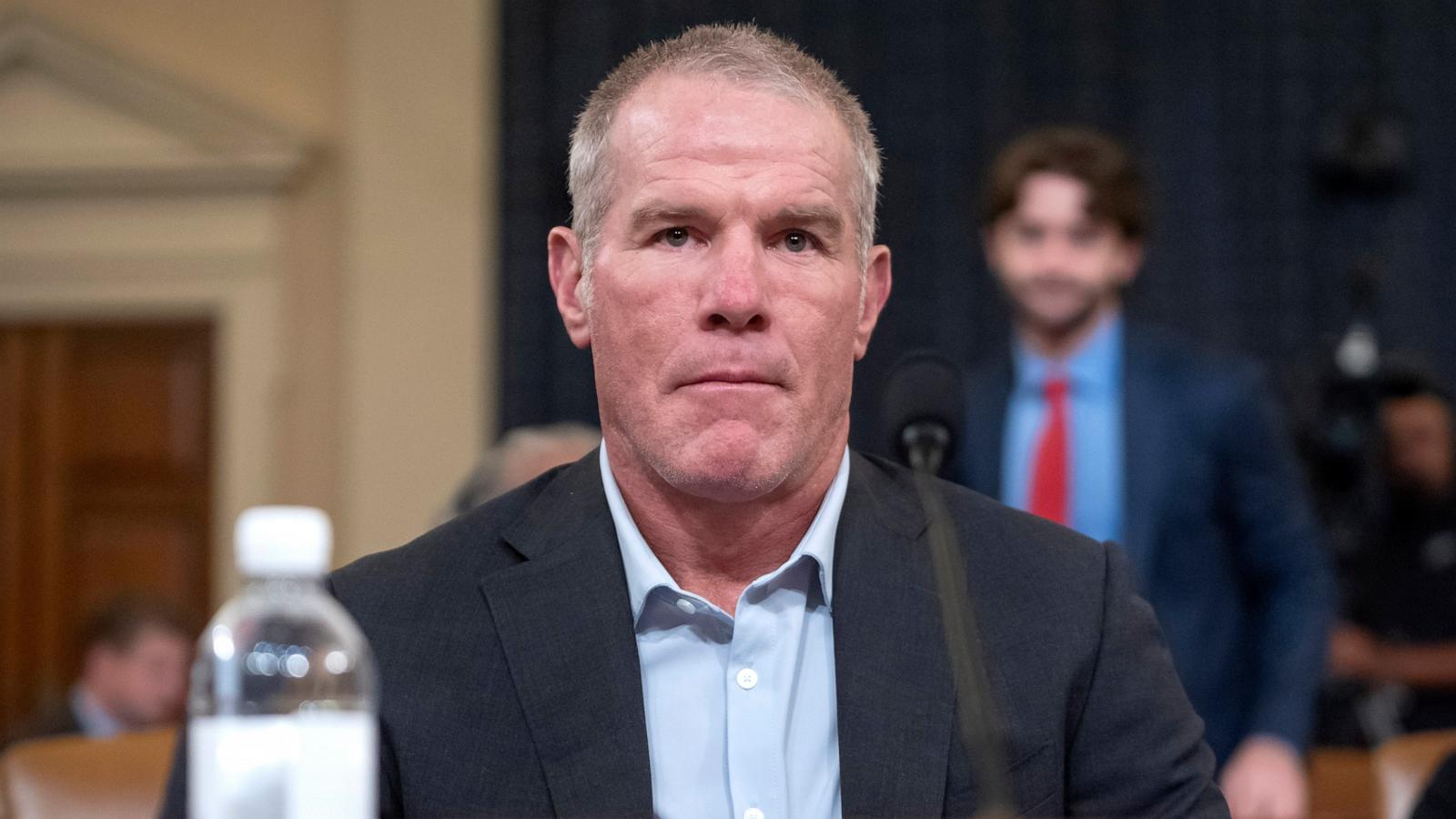
The Mechanics of the Mississippi Welfare Fraud: A Misallocation of Assets
At the heart of the controversy is the misappropriation of Temporary Assistance for Needy Families (TANF) funds. In Mississippi, the poorest state in the U.S., these federal funds are intended to provide a safety net for the state’s most vulnerable citizens. Between 2016 and 2019, however, nearly $77 million in TANF funds were diverted toward a variety of projects that did not meet the federal requirements for welfare spending.
The Paper Trail: The Volleyball Stadium and Prewitt Health
The financial controversy involving Favre centers on two primary funnels of capital. First was the construction of a $5 million volleyball stadium at the University of Southern Mississippi, Favre’s alma mater and where his daughter played the sport. Investigations revealed that Favre worked closely with state officials to secure welfare funding for the project, bypassing traditional university fundraising and state budget protocols.
Second was the diversion of approximately $2.1 million to a pharmaceutical startup called Prewitt Health (formerly Mississippi Pharmaceutics). Favre was a major investor in this company, which claimed to be developing a breakthrough concussion drug. The financial impropriety lies in the fact that these funds were diverted from welfare accounts under the guise of “public service” or “lease agreements,” when they were essentially private equity infusions into a venture in which Favre had a direct financial stake.
The Role of Non-Profit Intermediaries
A crucial element of this financial scheme was the use of non-profit organizations, such as the Mississippi Community Education Center (MCEC), led by Nancy New. These entities acted as conduits, receiving state funds and then dispersing them to Favre or his interests. From a financial governance perspective, this illustrates a “black box” in public spending: when money moves from government coffers to non-profits, the lack of rigorous oversight can allow for significant “leakage” or outright theft.
Financial Accountability and the Legal Labyrinth
When a financial scandal of this magnitude breaks, the fallout is rarely swift or simple. For Favre, the repercussions have manifested as a series of civil lawsuits and a massive effort by the State of Mississippi to recover lost capital. This phase of the scandal provides deep insights into how legal systems attempt to “claw back” misappropriated funds.
Civil vs. Criminal Liability
It is important to distinguish between the types of financial liability involved. While several state officials and non-profit directors have faced criminal charges and prison time, Brett Favre has not (at the time of writing) been charged with a crime. However, he remains a central defendant in a massive civil lawsuit filed by the Mississippi Department of Human Services (MDHS).
In the world of business finance, civil litigation is often the primary tool for asset recovery. The state is seeking the return of millions of dollars, alleging that Favre and other defendants “squandered” money meant for the poor. For high-net-worth individuals, the risk of civil liability can be just as devastating as criminal charges, as it targets their liquid assets, real estate holdings, and future earning potential.

The Clawback of Disbursed Funds
The state’s auditor, Shad White, has been aggressive in demanding the return of funds paid to Favre. Specifically, Favre was paid $1.1 million for speaking engagements and promotional work that the auditor’s office claims he never performed. While Favre eventually repaid the $1.1 million, the state demanded an additional $228,000 in interest.
This highlights a key principle in financial law: the “Time Value of Money.” When public funds are misappropriated, the loss to the taxpayer is not just the principal amount, but the potential interest and social utility that capital could have generated over time.
The Cost of Celebrity Influence and Misplaced Capital
Beyond the direct legal battles, the Brett Favre case serves as a cautionary tale regarding the “financial value” of a personal brand and how that value can evaporate when ethical lines are crossed. In the world of “Money,” your reputation is often your most liquid asset.
ROI on Fraudulent Ventures and Lost Income
For an athlete of Favre’s stature, his primary source of income post-retirement was not his NFL pension, but his portfolio of endorsements. Since the welfare scandal became public, the “Return on Investment” (ROI) for companies associated with Favre plummeted. Brands like Copper Fit, SiriusXM, and Odyssey Health either paused their relationships with him or distanced themselves entirely.
This represents a “wealth shock.” When an individual is embroiled in a financial scandal, they don’t just lose the money they are being sued for; they lose the “future value” of their career. The total financial loss for Favre, when accounting for canceled contracts and legal fees, likely far exceeds the initial millions involved in the Mississippi welfare case.
The Collapse of Business Partnerships
Favre’s involvement with Prewitt Health is a textbook example of poor due diligence in private equity. Investors often rely on the “Halo Effect”—the belief that a successful person in one field (sports) will bring that same success to another (biotech). However, when the funding for that venture is found to be illicit, the entire business structure collapses. Prewitt Health has effectively become a toxic asset, showing that no matter how promising a technology might be, if the seed capital is tainted, the venture is doomed to fail.
Corporate Governance Lessons for High-Net-Worth Individuals
The Favre scandal offers several vital lessons for business leaders, investors, and public officials regarding financial oversight and the importance of independent audits.
The Failure of Due Diligence
One of the most glaring issues in this case was the failure of due diligence on multiple levels. The University of Southern Mississippi, the pharmaceutical company, and Favre’s own financial advisors failed to verify the source of the funds being moved. In any significant financial transaction, “Know Your Customer” (KYC) and “Anti-Money Laundering” (AML) protocols are essential. In this case, the excitement of a high-profile project seems to have blinded the participants to the unethical nature of the funding source.
The Importance of Independent Financial Audits
The fraud was only uncovered because of a rigorous audit by the State Auditor’s office. This underscores the necessity of independent financial verification in both public and private sectors. For corporations and high-net-worth individuals, an internal audit is not enough. External, third-party oversight is the only way to ensure that funds are being allocated correctly and that fiduciary duties are being met.

Ethics as a Financial Guardrail
Finally, the Brett Favre situation proves that ethics are not just “nice to have”—they are a financial necessity. The “Short-Term Gain” of securing $5 million for a stadium has led to a “Long-Term Loss” of reputation, legal standing, and tens of millions in potential earnings. In the niche of Money and Business Finance, the most sustainable strategy is one built on transparency and the strict adherence to regulatory frameworks.
In conclusion, what happened with Brett Favre is a complex tragedy of financial negligence. It serves as a stark reminder that in the world of high-stakes finance, there are no shortcuts. Whether dealing with state welfare funds or private investment portfolios, the principles of accountability, due diligence, and ethical management remain the only safeguards against total financial and reputational ruin. As the legal battles continue, the Favre case will undoubtedly remain a landmark example of how the mismanagement of money can dismantle even the most legendary of legacies.
aViewFromTheCave is a participant in the Amazon Services LLC Associates Program, an affiliate advertising program designed to provide a means for sites to earn advertising fees by advertising and linking to Amazon.com. Amazon, the Amazon logo, AmazonSupply, and the AmazonSupply logo are trademarks of Amazon.com, Inc. or its affiliates. As an Amazon Associate we earn affiliate commissions from qualifying purchases.