
In the modern entertainment landscape, the trajectory of a public figure is rarely just a sequence of roles; it is a complex narrative of brand positioning, equity, and strategic pivot points. When audiences ask “What happened to Orlando Jones?”, they are often looking for a career timeline. However, from a brand strategy perspective, the answer lies in a sophisticated evolution from a corporate pitchman to a fiercely independent creative architect.
Orlando Jones’s career serves as a masterclass in personal branding—specifically, how a creative professional navigates the transition from being a “vessel” for other brands to becoming a brand unto himself. His journey through the highs of commercial stardom, the complexities of franchise television, and the advocacy of fan culture provides vital insights into modern reputation management and corporate identity.

The Evolution of a Multi-Hyphenate Brand
To understand the current standing of the Orlando Jones brand, one must analyze its foundation. Unlike many actors who find a niche and remain there, Jones built a brand based on versatility and intellectual depth, a strategy that allowed him to pivot across industries for over three decades.
From the 7Up Guy to Dramatic Powerhouse
In the late 1990s and early 2000s, Orlando Jones was one of the most recognizable faces in advertising. As the spokesperson for 7Up, his brand was synonymous with “cool,” “irreverent,” and “accessible.” This was a period of high Brand Awareness but low Brand Autonomy. He was the face of a global conglomerate, and while it provided him with massive reach, it also risked pigeonholing him as a comedic caricature.
The strategic shift occurred when Jones intentionally diversified his portfolio. By taking roles in films like Magnolia and The Replacements, and later moving into voice acting and writing, he effectively performed a “brand extension.” He proved that his value proposition was not just his comedic timing, but his ability to inhabit complex, often cerebral characters. This transition is a key lesson for any professional: your initial success should be a springboard for diversification, not a cage.
Leveraging Niche Fandoms for Brand Loyalty
Perhaps the most innovative aspect of Jones’s brand strategy was his early adoption of digital community engagement. Long before “community management” was a standard corporate department, Jones was active on platforms like Tumblr, engaging directly with fan-fiction communities and niche fandoms.
By validating the “prosumer” (the fan who produces content), Jones built a level of brand loyalty that traditional marketing cannot buy. He didn’t just have fans; he had an army of brand advocates. This move shifted his market positioning from a distant celebrity to a collaborative creator, a distinction that would prove crucial when he faced corporate friction later in his career.
The American Gods Controversy: When Personal Brand Clashes with Corporate Vision
The most significant chapter in the “What happened to Orlando Jones” narrative involves his departure from the Starz series American Gods. This event serves as a definitive case study in the tension between individual brand identity and corporate intellectual property (IP) management.
The “Angry Gets Shit Done” Narrative
During the second season of American Gods, Jones wasn’t just an actor; he was a writer and producer. He took the character of Mr. Nancy and infused it with a specific socio-political weight that resonated deeply with a modern, socially conscious audience. His brand became inextricably linked with the phrase “Angry Gets Shit Done.”
In branding terms, Jones had increased his “Value Add” to the project significantly. He wasn’t just performing the script; he was shaping the product’s identity. However, when new showrunners took over for the third season, a fundamental misalignment in brand vision occurred. Jones was terminated, and the public fallout was a textbook example of a “Brand War.”
Crisis Management and Public Perception
When news of his dismissal broke, Jones did not remain silent. He utilized his established digital platforms to control the narrative. By framing his departure as a result of a corporate discomfort with the “provocative” nature of his character’s message, he aligned his personal brand with the values of social justice and creative integrity.
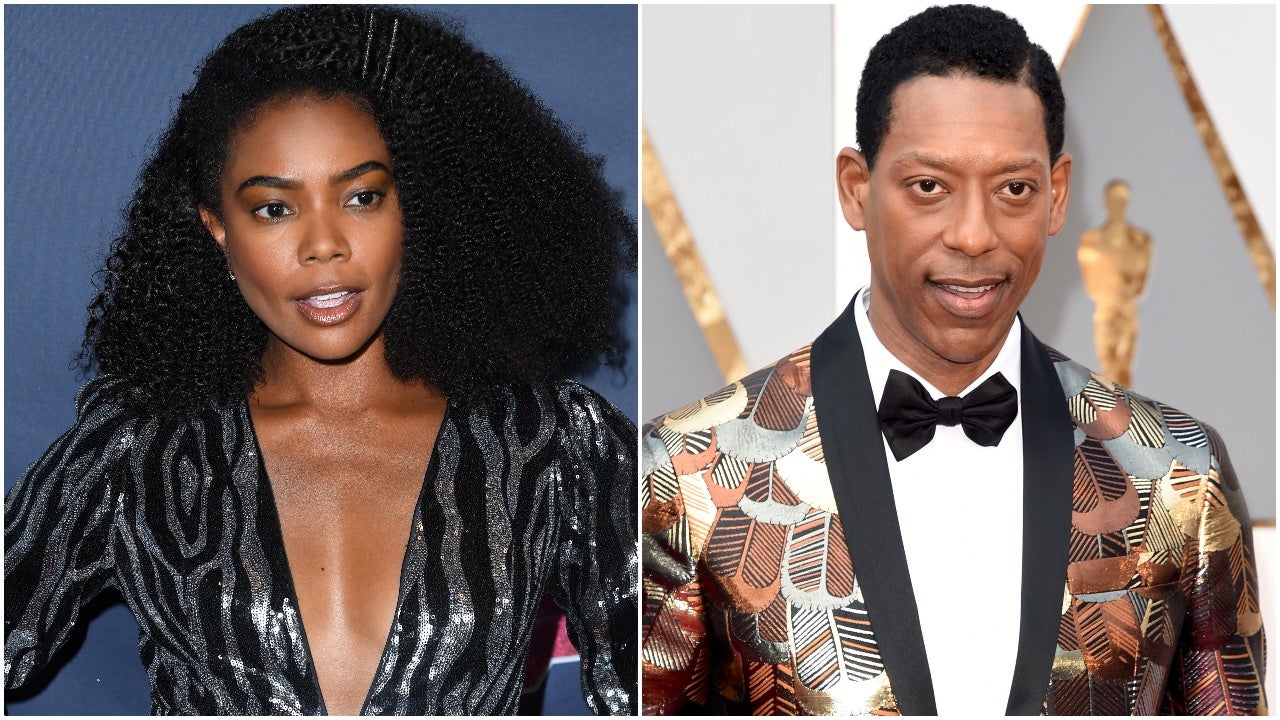
From a strategy standpoint, Jones opted for transparency over corporate platitudes. While this move risked alienating certain traditional Hollywood gatekeepers, it solidified his standing with his core demographic. He prioritized “Brand Authenticity” over “Corporate Compliance.” The result was a PR storm for the network and a surge of support for Jones, proving that in the digital age, an individual with a strong, authentic brand can challenge the narratives of multi-billion-dollar corporations.
Digital Strategy: Mastering the Direct-to-Consumer Connection
In the years following the American Gods incident, Jones has focused on a “Direct-to-Consumer” model of creativity. He has moved away from traditional gatekept structures to focus on projects where he maintains a higher degree of brand control.
Transmedia Storytelling as a Brand Tool
Orlando Jones understands that a brand in 2024 cannot exist in a vacuum. He has leaned heavily into transmedia storytelling—the practice of telling a single story across multiple platforms and formats. By engaging in podcasting, digital shorts, and interactive social media narratives, he has kept his brand relevant without relying on a blockbuster film release.
This is a crucial “Money” and “Brand” strategy: reducing dependency on a single employer. By diversifying the platforms where his brand lives, Jones has created a resilient ecosystem. If one platform or project fails, the brand remains intact because its equity is distributed across a wide digital footprint.
The Role of Social Advocacy in Modern Identity
A significant portion of the Orlando Jones brand is now dedicated to advocacy. Whether discussing the rights of creators in the age of AI or the importance of diverse representation in writers’ rooms, Jones has positioned himself as a thought leader.
In corporate branding, this is known as “Values-Based Marketing.” Consumers today, especially Gen Z and Millennials, gravitate toward brands that take a stand. By becoming a vocal advocate for systemic change within the entertainment industry, Jones has ensured that his brand represents something larger than just his filmography. He has moved from being an actor to a “Social Enterprise.”
Lessons for Modern Creators and Executives
The trajectory of Orlando Jones offers several high-level takeaways for anyone looking to build a sustainable personal or corporate brand in a volatile market.
Authenticity as a Non-Negotiable Asset
The most striking element of Jones’s career is his refusal to dilute his voice for the sake of corporate comfort. In the short term, this can lead to friction (as seen with Starz). In the long term, however, it builds “Brand Trust.” Audiences know exactly what the Orlando Jones brand stands for: intelligence, provocation, and creative excellence. In a crowded marketplace, a clear, polarizing brand is often more valuable than a bland, universally liked one.
Diversification: Protecting the Brand from Gatekeepers
If Jones had remained “just the 7Up guy” or “just an actor for hire,” his career might have stalled after his exit from American Gods. Instead, because he had spent years building a multi-faceted brand as a writer, producer, and digital strategist, he had the “Brand Equity” to survive the setback.
The lesson for professionals in any field is to “own your audience.” Whether through a mailing list, a strong social presence, or proprietary IP, the goal is to ensure that no single employer or platform can “cancel” your brand’s ability to generate value.

Conclusion: The Future of the Orlando Jones Brand
So, what happened to Orlando Jones? He graduated from the traditional Hollywood system to become a pioneer of the “Creator Economy” before the term was even popularized. He stopped asking for a seat at the table and started building his own.
Today, Jones remains a potent force in the industry, not just as a performer, but as a consultant, a writer, and a symbol of creative defiance. His brand is a testament to the power of self-ownership. For brand strategists and creators alike, his career serves as a reminder that your most valuable asset isn’t the contract you sign, but the reputation you build and the community you cultivate. Orlando Jones didn’t disappear; he evolved, proving that when a brand is built on a foundation of authenticity and intellectual rigour, it becomes “Anti-Fragile”—growing stronger in the face of disruption.
aViewFromTheCave is a participant in the Amazon Services LLC Associates Program, an affiliate advertising program designed to provide a means for sites to earn advertising fees by advertising and linking to Amazon.com. Amazon, the Amazon logo, AmazonSupply, and the AmazonSupply logo are trademarks of Amazon.com, Inc. or its affiliates. As an Amazon Associate we earn affiliate commissions from qualifying purchases.