
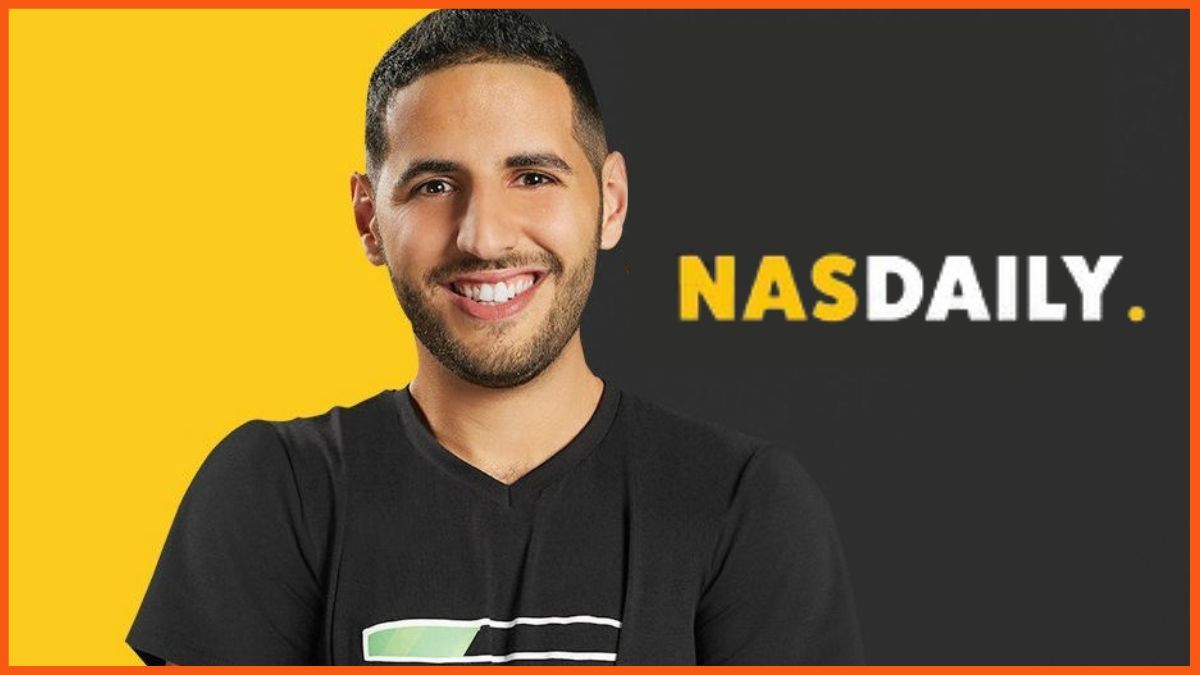
The story of Nas Daily is not merely a tale of a viral video creator; it is a masterclass in the evolution of personal branding in the digital age. Nuseir Yassin, the Palestinian-Israeli Harvard graduate who quit his high-paying tech job to film one-minute videos for 1,000 consecutive days, transformed a solo travel vlog into a multi-million-dollar brand ecosystem. However, as the digital landscape shifted, many followers have asked: What happened to Nas Daily?
The answer lies in a calculated transition from a content-centric brand to an infrastructure-centric brand. While the face of Nuseir Yassin remains recognizable, the brand “Nas” has undergone a radical transformation in its strategy, scaling, and reputation management.
The Architecture of the 1,000-Day Brand
To understand where the brand is today, one must analyze the foundational pillars that built the Nas Daily identity. Nuseir Yassin did not just make videos; he engineered a brand language that was universally accessible.
The Power of Visual and Auditory Mnemonics
Every strong brand requires a “signature.” For Nas Daily, this was the yellow T-shirt and the iconic tagline: “That’s one minute, see you tomorrow.” The yellow shirt served as a low-cost, high-impact visual brand asset that signaled consistency and optimism. In branding terms, this is known as “distinctive brand assets,” which allow an audience to identify the creator even before they see his face. The one-minute format was a response to the shrinking attention spans of the mobile-first generation, positioning the brand as a provider of “educational snacks.”
Data-Driven Storytelling as a Brand USP
Unlike many creators who relied on intuition, Nas Daily’s brand was built on data. Yassin famously A/B tested thumbnails, headlines, and video hooks to maximize retention. This strategic approach turned “positivity” into a marketable commodity. The brand’s Unique Selling Proposition (USP) was its ability to find “the good in the world” at a time when traditional news cycles were dominated by negativity. This positioning allowed the brand to transcend borders, appealing to a global audience rather than a specific demographic.
Scaling Beyond the Creator: The Ecosystem Strategy
A common failure in personal branding is “founder dependency”—the brand cannot survive without the individual’s direct involvement. Recognizing this, Nas Daily transitioned into “Nas Company,” an umbrella brand that houses various sub-brands designed to monetize different segments of the creator economy.
Nas Academy: Brand Extension through Education
One of the most significant pivots was the launch of Nas Academy. This was a strategic move to leverage the “authority” of the Nas Daily brand. By teaching others how to create content, the brand moved from B2C (Business-to-Consumer) entertainment to B2B and B2C education. The brand’s promise shifted from “I will show you the world” to “I will show you how to tell your story.” This diversification de-risked the business model, ensuring that revenue was no longer solely dependent on Facebook ad algorithms.
Nas.io: Building Community-as-a-Service
The most recent evolution is the launch of Nas.io, a platform designed for community management. In the world of branding, “community” is the ultimate goal. By building a tool that helps other creators manage their own communities, the Nas brand has positioned itself as an infrastructure provider. This moves the brand further away from “vlogger” and closer to “tech mogul,” a common trajectory for high-tier personal brands (such as MrBeast with Feastables or Logan Paul with Prime).
Navigating the Pitfalls of Brand Reputation
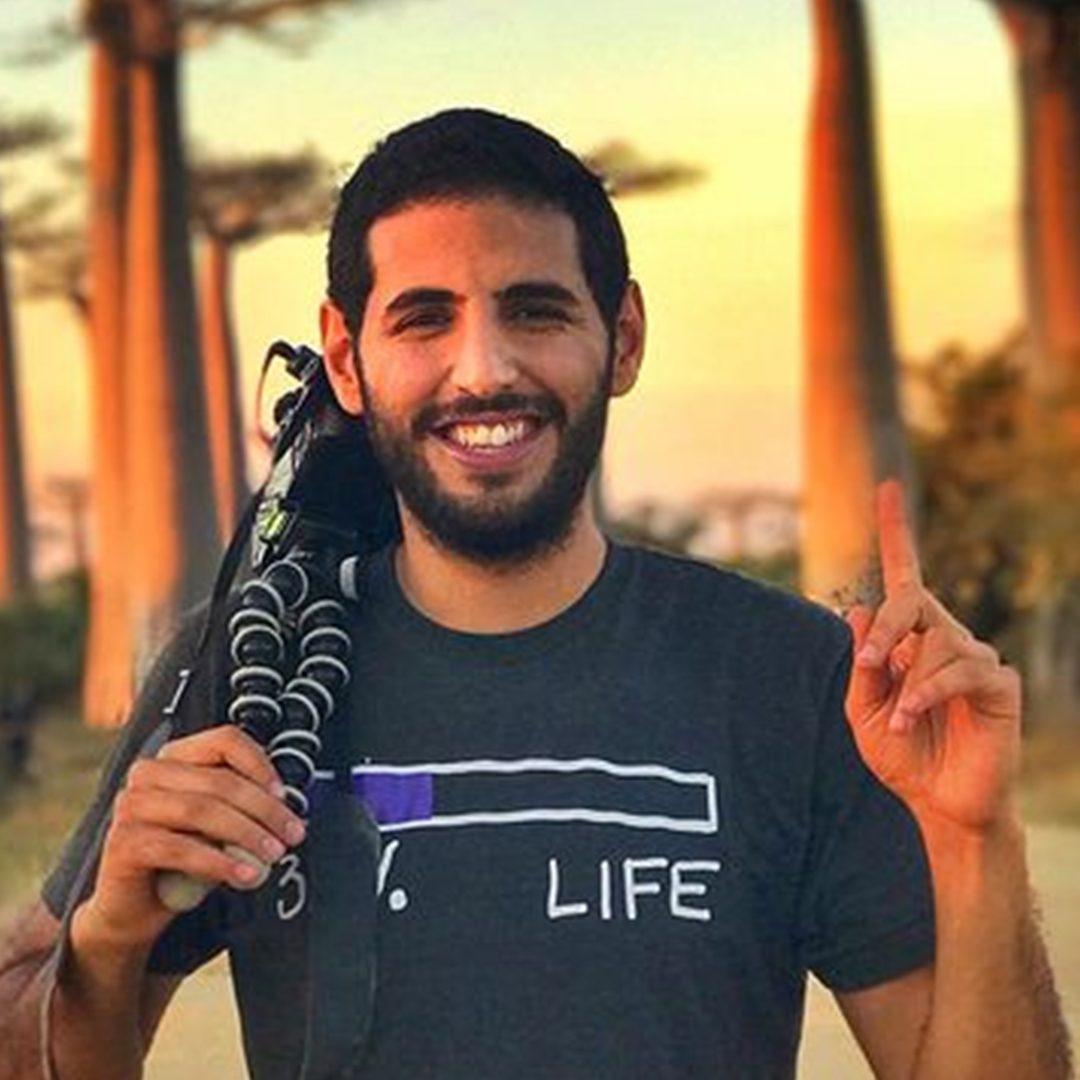
No global brand reaches its heights without facing a crisis. For Nas Daily, the most significant threat to the brand’s equity came through accusations of “tokenism” and cultural insensitivity, most notably during the controversy involving Apo Whang-Od, the legendary Filipino tattoo artist.
The Crisis of Cultural Appropriation
The controversy arose when Nas Academy was accused of offering a masterclass from Whang-Od without her family’s full understanding or consent. For a brand built on “global unity” and “positivity,” this was a catastrophic blow to its core values. The brand was perceived as exploitative rather than collaborative. This event serves as a critical case study in brand localization; what works as a global “uplifting story” can often be viewed as shallow or disrespectful when applied to indigenous cultures without deep contextual sensitivity.
Crisis Management and Brand Recovery
Nas Daily’s response to the controversy was a mix of defensive data-sharing and eventual legal reconciliation. However, the brand took a permanent hit in certain regional markets. To recover, the brand strategy shifted toward higher-level partnerships and more rigorous vetting of stories. The lesson learned was that as a personal brand scales into a corporate entity, the “move fast and break things” ethos of social media can clash dangerously with the ethical requirements of global representation.
The Future of the Nas Brand: From Content to Infrastructure
Today, “Nas Daily” is no longer just a guy in a yellow T-shirt. It is a sophisticated media engine. If you look at the current output, the brand has matured. The videos are more polished, the topics are more complex, and the focus has shifted toward the “Creator Economy” as a whole.
Leveraging Brand Equity for B2B Growth
The Nas Company now acts as a consultancy and a production house for other entities. By leveraging the reputation built over 1,000 days, Yassin has been able to secure partnerships with governments and large corporations who want to tap into his storytelling formula. This is the ultimate goal of a personal brand: to become so synonymous with a specific skill (in this case, viral storytelling) that the brand becomes an essential service provider for other organizations.
The Shift Toward “Long-Form” Influence
While the brand was built on 60-second clips, it is now expanding into long-form content, podcasts, and deep-dive documentaries. This reflects a shift in brand maturity. The “one-minute” hook was the entry point; now that the brand has established a massive top-of-funnel audience, it is focusing on deepening engagement through more substantial content. This strategy ensures the brand remains relevant as platforms like YouTube and Spotify continue to prioritize longer watch times and listener loyalty over fleeting virality.
Conclusion: The Perpetual Pivot
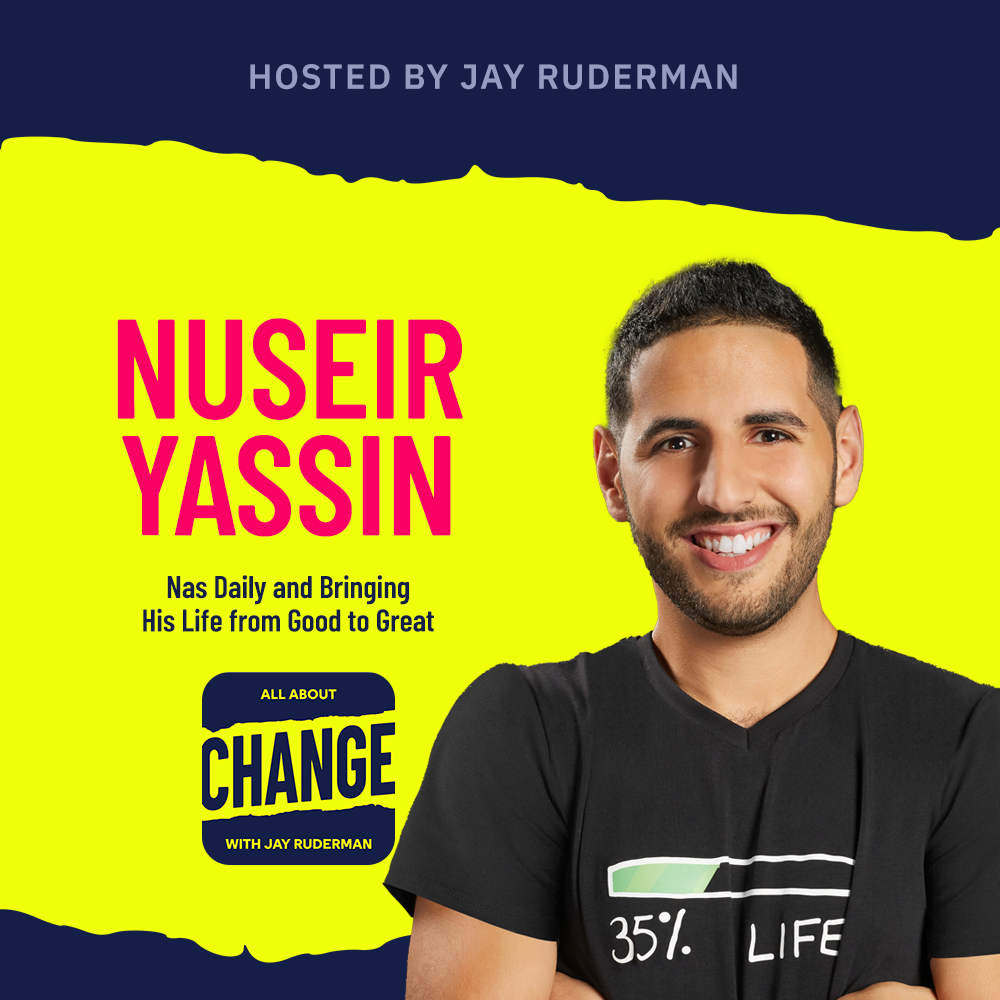
So, what happened to Nas Daily? It grew up. The brand moved from the frantic energy of daily vlogging to the calculated precision of a global media conglomerate. It survived a transition that kills most personal brands: the move from being a personality to being an institution.
Through diversification into education and technology, the Nas brand has insulated itself against the volatility of social media platforms. While the “daily” aspect of the brand has faded in favor of higher production value and business-oriented ventures, the core identity—global connectivity through storytelling—remains. For branding professionals, the journey of Nas Daily provides a blueprint for how to build, scale, and protect a personal brand in an era where attention is the most valuable currency on earth. The yellow shirt may not appear every single day, but the brand it built is now an indelible part of the digital landscape.
aViewFromTheCave is a participant in the Amazon Services LLC Associates Program, an affiliate advertising program designed to provide a means for sites to earn advertising fees by advertising and linking to Amazon.com. Amazon, the Amazon logo, AmazonSupply, and the AmazonSupply logo are trademarks of Amazon.com, Inc. or its affiliates. As an Amazon Associate we earn affiliate commissions from qualifying purchases.