
The rhythmic call of “Yeah!” is an undeniable sonic marker, indelibly linked to one of hip-hop’s most recognizable figures: Lil Jon. For a generation, his boisterous ad-libs, high-energy production, and signature chants defined a significant era of crunk music and beyond. But in recent years, while still a presence, the omnipresent Lil Jon of the early 2000s has seemingly shifted gears. This isn’t a story of disappearance, but rather a fascinating case study in brand evolution, exploring how an artist, much like a successful enterprise, navigates changing landscapes, diversifies their offerings, and strategically repositions themselves for sustained relevance and impact.

The question “What happened to Lil Jon?” often stems from a desire to understand this perceived shift. It’s not about a lack of activity, but a transition from a singular, dominant brand persona to a multifaceted professional. His journey offers valuable insights for anyone seeking to build and maintain a strong personal brand, demonstrating the power of adaptability, strategic diversification, and a deep understanding of one’s core identity.
The Foundation: Building the Crunk Empire
Lil Jon’s initial rise to prominence was meteoric, fueled by an innovative and unadulterated energy that captivated audiences. His brand was forged in the fiery crucible of the Southern hip-hop scene, specifically Atlanta, a city that has consistently incubated groundbreaking musical movements. His early career wasn’t just about making music; it was about crafting an entire sonic and visual identity that resonated with a particular demographic.
The Genesis of Crunk: A Unique Sonic Signature
Before the mainstream embraced his sound, Lil Jon, alongside his group Lil Jon & The East Side Boyz, was instrumental in defining and popularizing the “crunk” subgenre of hip-hop. This wasn’t a subtle evolution; it was a seismic shift. Crunk was characterized by its aggressive, chant-like vocals, heavy basslines, and energetic, often boastful lyrics. It was music designed for clubs, for parties, for unfiltered exuberance.
Lil Jon’s role was that of a sonic architect. He didn’t just produce beats; he sculpted soundscapes that were instantly recognizable. His signature ad-libs – the aforementioned “Yeah!” and “Okay!”, the guttural grunts, and the inimitable delivery – became as much a part of the music as the instrumental tracks. This created an immediate and powerful brand association. When you heard those sounds, you knew it was Lil Jon.
The “Lil Jon” Persona: More Than Just Music
Beyond the music itself, Lil Jon cultivated a distinct visual and personality brand. His energetic stage presence, his signature diamond-encrusted chains, his bold fashion choices, and his larger-than-life persona were all integral components of his brand. He was the embodiment of the crunk era – loud, proud, and unapologetically himself. This authenticity was a key driver of his appeal. Consumers, in this case, fans, were drawn to his genuine enthusiasm and his ability to project an aura of unbridled fun.
This early branding was remarkably effective. It was focused, consistent, and deeply rooted in the cultural zeitgeist of the time. He wasn’t just an artist; he was a brand ambassador for an entire movement. This period established the foundational elements that would allow him to pivot and evolve in later years.
Diversification: Expanding the Brand Beyond Music
The music industry is inherently dynamic. What dominates today can be relegated to nostalgia tomorrow. Recognizing this, successful artists, much like astute business leaders, understand the importance of diversification. Lil Jon’s career trajectory exemplifies this principle, showcasing a deliberate and strategic expansion of his brand into areas that leveraged his existing equity while tapping into new markets and revenue streams.
From Producer to Mogul: Expanding Creative Ventures
While his vocal contributions and production prowess remained central, Lil Jon strategically broadened his creative output. He moved beyond just being an artist to become a sought-after producer for a wide range of artists across different genres. This demonstrated his versatility and his ability to adapt his signature sound to various musical contexts. He wasn’t just confined to the crunk sound; he could imbue pop, R&B, and even electronic music with his distinct energy.
This expansion as a producer was a crucial step. It allowed him to maintain a significant presence in the music industry without being solely reliant on his own artist releases. It also positioned him as a tastemaker and a valuable collaborator, further solidifying his industry influence.
The Entrepreneurial Spirit: Beyond the Microphone
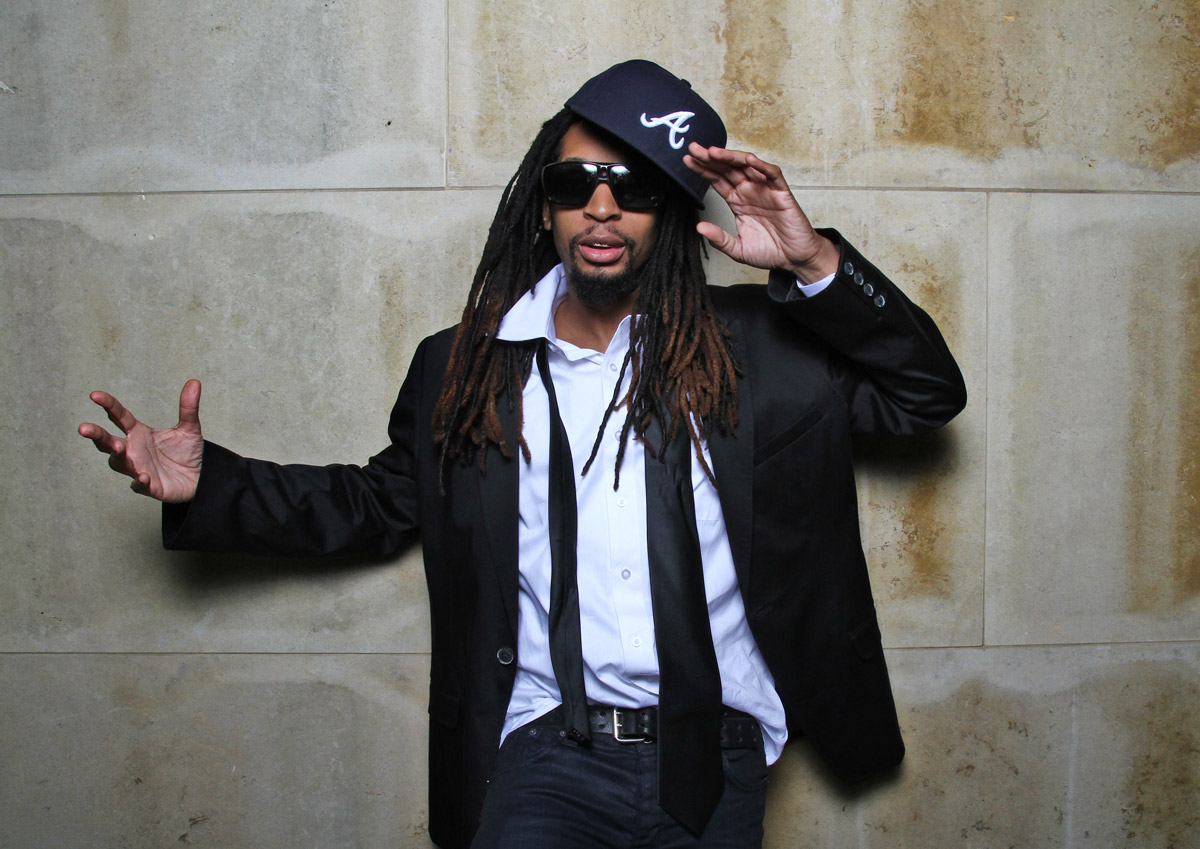
Lil Jon’s brand evolution also saw him venture into entrepreneurial endeavors. This is where the parallels with corporate brand strategy become particularly evident. He began to explore opportunities that extended beyond the traditional music ecosystem, leveraging his name recognition and his established persona.
These ventures encompassed a variety of industries, from fashion and beverages to television and gaming. Each of these expansions represented a calculated move to diversify his income streams and to connect with his audience in new and unexpected ways. This wasn’t simply about capitalizing on his fame; it was about strategically extending his brand’s reach and relevance into different consumer touchpoints. His involvement in these projects allowed him to showcase different facets of his personality – his business acumen, his appreciation for quality, and his continued connection to popular culture.
Reimagining Relevance: The Evolving Persona
The term “what happened” can sometimes imply a decline, but in Lil Jon’s case, it signifies a reimagining of relevance. His shift wasn’t about fading away; it was about strategically adapting his persona and his output to remain a vital and engaging figure in the cultural landscape. This involves understanding the evolving media environment and the changing consumption habits of audiences.
The Power of Collaboration and Cross-Pollination
In the contemporary media landscape, collaborations are not just artistic partnerships; they are powerful branding tools. Lil Jon has masterfully utilized this, appearing in a wide array of projects that transcend his original genre. From guest appearances on popular television shows to voice acting roles and partnerships with major brands, he has consistently demonstrated an ability to adapt and thrive in new environments.
These collaborations serve multiple purposes. Firstly, they expose his brand to new audiences who may not be familiar with his musical legacy. Secondly, they allow him to showcase his personality and his versatility in different contexts, reinforcing his image as a dynamic and adaptable personality. Whether it’s a cameo in a blockbuster movie or a guest spot on a cooking show, these appearances are carefully curated to maintain his visibility and to project a consistent, albeit expanded, brand image.
The Digital Frontier: Adapting to New Platforms
The rise of digital platforms and social media has fundamentally altered how brands connect with their audiences. Lil Jon has embraced these changes, using platforms like Instagram and TikTok to engage with fans, share his personality, and promote his diverse ventures. His online presence is a testament to his understanding of the modern media ecosystem.
He has leveraged these platforms to not only share snippets of his music but also to offer glimpses into his personal life, his humor, and his ongoing projects. This direct engagement allows for a more intimate connection with his audience, fostering a sense of loyalty and continued interest. By actively participating in the digital conversation, he ensures that his brand remains current and accessible to a new generation of consumers. This strategic use of digital channels is crucial for maintaining relevance in a rapidly evolving world.
The Enduring Legacy: A Masterclass in Brand Longevity
Lil Jon’s journey is far more than a tale of a musician’s career. It’s a compelling narrative of brand longevity and intelligent evolution. He has successfully navigated the fickle tides of popular culture by staying true to his core identity while strategically expanding his reach and diversifying his offerings. The question “What happened to Lil Jon?” is best answered by acknowledging that he didn’t disappear; he transformed.
From Crunk King to Renaissance Man
The evolution from the quintessential crunk artist to a multifaceted personality – producer, entrepreneur, television personality, and digital influencer – is a testament to his foresight and adaptability. He has demonstrated that a strong initial brand can serve as a powerful launchpad for a much broader and more sustainable career. His ability to remain recognizable while constantly reinventing himself is a hallmark of a truly enduring brand.

Lessons for Personal Branding in the Modern Age
For aspiring artists, entrepreneurs, and individuals looking to build a strong personal brand, Lil Jon’s story offers invaluable lessons. It highlights the importance of:
- Authenticity: His initial success was built on a genuine and unadulterated persona.
- Innovation: He was a pioneer in his musical genre, pushing boundaries and creating something new.
- Diversification: He understood the need to expand beyond a single product or service.
- Adaptability: He embraced new platforms and opportunities, staying relevant in a changing landscape.
- Strategic Collaboration: He leveraged partnerships to reach new audiences and reinforce his brand.
Lil Jon’s continued presence and influence are not accidental. They are the result of deliberate choices, strategic planning, and a deep understanding of how to build and sustain a powerful brand in the ever-evolving landscape of popular culture. The “what happened” is simply a story of a master brand strategist at work, consistently redefining his place and purpose.
aViewFromTheCave is a participant in the Amazon Services LLC Associates Program, an affiliate advertising program designed to provide a means for sites to earn advertising fees by advertising and linking to Amazon.com. Amazon, the Amazon logo, AmazonSupply, and the AmazonSupply logo are trademarks of Amazon.com, Inc. or its affiliates. As an Amazon Associate we earn affiliate commissions from qualifying purchases.