
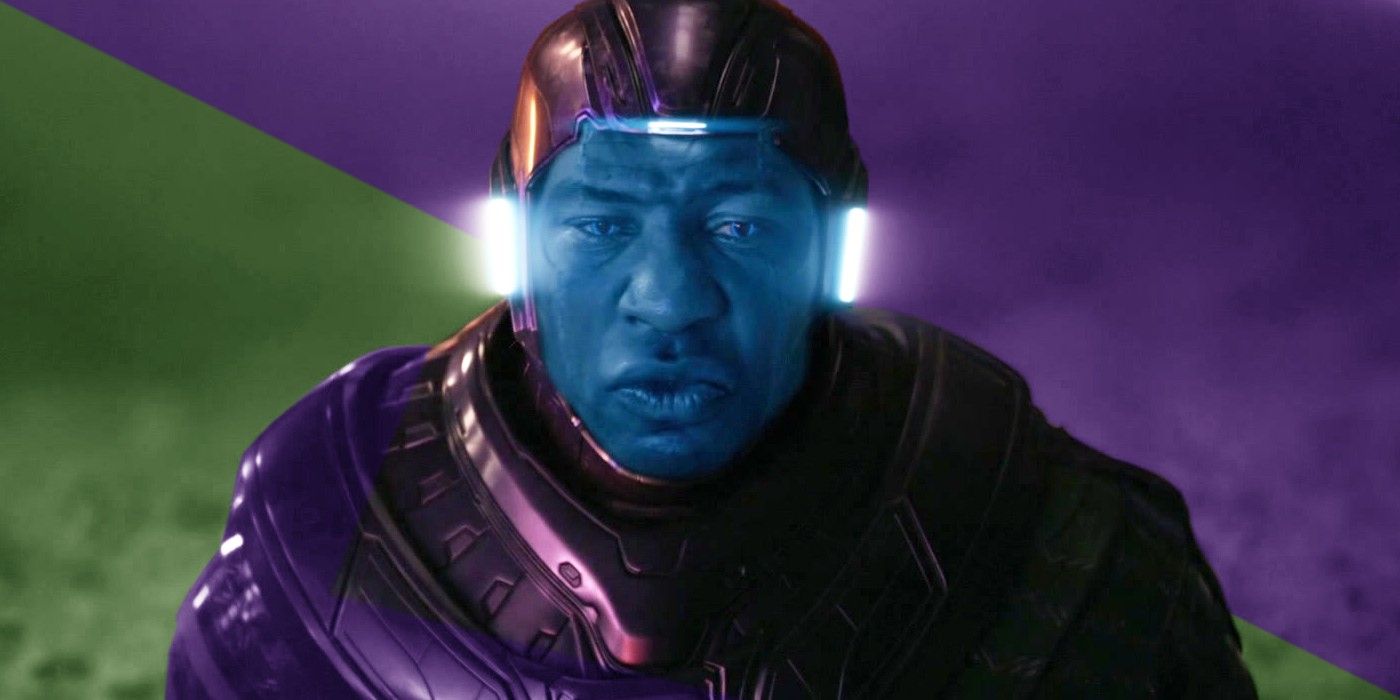
In the landscape of modern entertainment, few brands carry the weight and complexity of the Marvel Cinematic Universe (MCU). For over a decade, Disney and Marvel Studios have mastered the art of long-term brand storytelling, a strategy where individual film products serve as chapters in a larger corporate narrative. However, the recent trajectory of “Kang the Conqueror”—the character intended to be the foundational pillar of the “Multiverse Saga”—has provided a masterclass in brand volatility. What happened to Kang is not merely a story of plot points and script changes; it is a significant case study in brand strategy, crisis management, and the risks of tethering a multi-billion-dollar corporate identity to a single creative asset.
The Architecture of a Multi-Year Brand Asset
To understand the downfall of the Kang brand, one must first understand the strategic “product roadmap” Marvel Studios established following the conclusion of Avengers: Endgame. The MCU faced a unique branding challenge: how to maintain consumer interest after the departure of its two primary brand ambassadors, Iron Man and Captain America, and the conclusion of its most successful narrative arc, the Infinity Saga.
Kang as the Successor to the Thanos Brand
The “Thanos” brand set a high bar for cinematic antagonists. He was a successful brand asset because he represented a clear, looming threat that unified disparate product lines (individual hero movies). In designing the Multiverse Saga, Marvel Studios identified “Kang the Conqueror” as the successor. The brand strategy for Kang was even more ambitious than that of Thanos. While Thanos was a singular entity, Kang was marketed as a “multiversal” presence—an infinite number of variants that could appear across different genres and timelines. This was a strategic move to ensure the brand’s longevity and flexibility; if one version of the character was defeated, the brand itself remained intact through other iterations.
Creating Cross-Platform Synergy (TV and Film)
The Kang brand was also the primary vehicle for Disney’s cross-platform synergy. With the launch of Disney+, the company needed to migrate its theatrical audience to its streaming service. By introducing the first iteration of Kang (He Who Remains) in the season finale of Loki, Marvel utilized a “gateway product” strategy. They forced brand loyalists to engage with their digital platform to fully understand the stakes of the upcoming theatrical releases, such as Ant-Man and the Wasp: Quantumania. This integration was designed to make the Kang brand ubiquitous, ensuring that the character was the connective tissue of the entire Disney entertainment ecosystem.
The Brand Crisis: When the Face of the Franchise Becomes a Liability
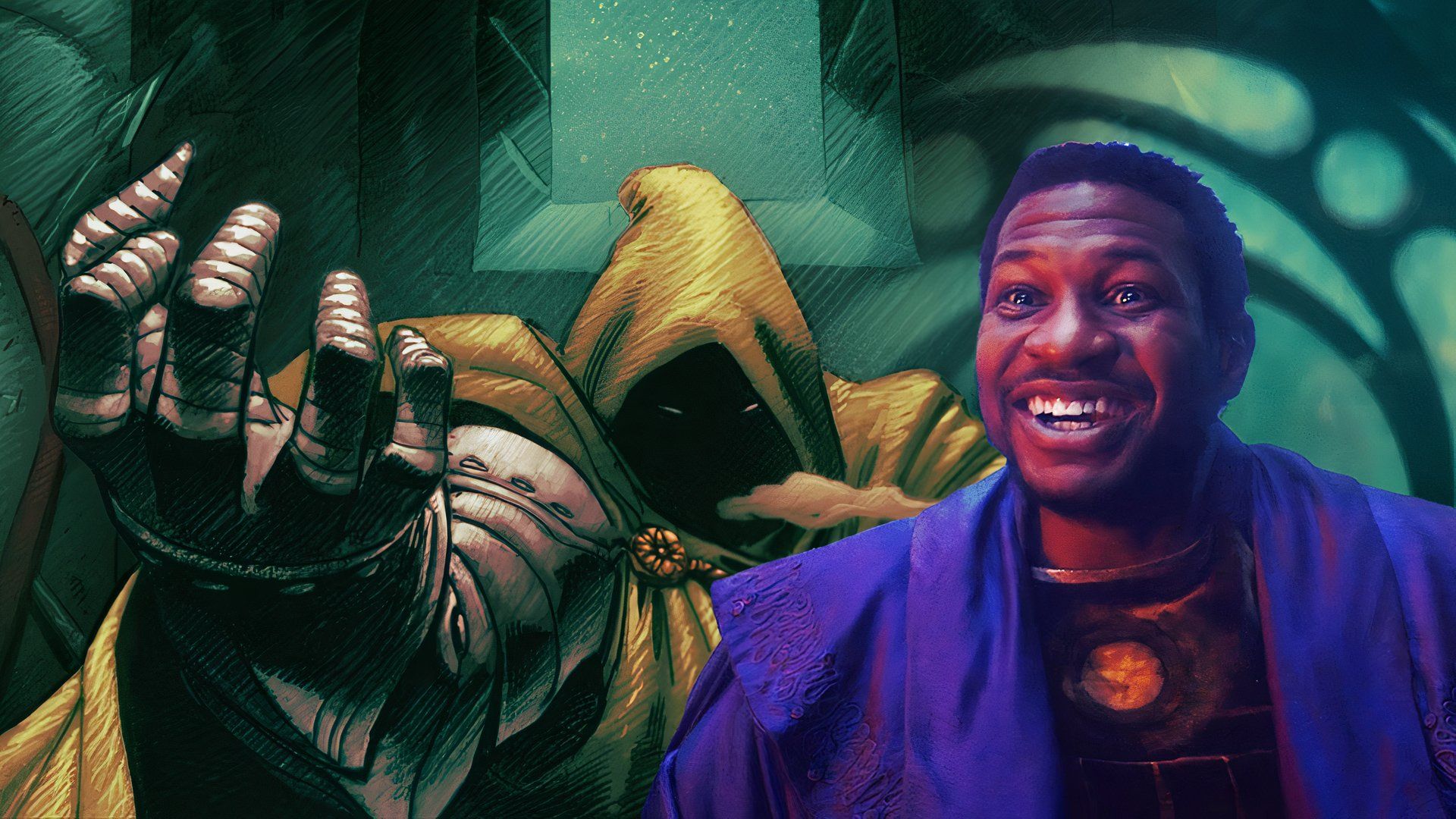
In the world of corporate branding, “Key Man Risk” refers to the danger of an organization’s success being overly dependent on one individual. Marvel Studios encountered a textbook example of this risk with Jonathan Majors, the actor chosen to personify the Kang brand. Majors was not just an employee; he was the face of a decade’s worth of planned intellectual property. When legal controversies and personal conduct issues surfaced involving the actor, the Kang brand transitioned overnight from a high-value asset to a toxic liability.
Reputation Management and the Disney Corporate Identity
The Walt Disney Company maintains one of the most curated and protected brand identities in the world. Its corporate identity is built on themes of heroism, family-friendly entertainment, and moral clarity. When the primary antagonist of their upcoming slate became associated with real-world legal turmoil, it created a fundamental “brand friction.” The negative associations surrounding the actor began to overshadow the fictional narrative of the character. For Disney’s brand managers, the calculation was clear: the cost of maintaining the Kang character as currently envisioned was higher than the cost of a total strategic pivot.
The Risks of Person-Dependent Branding
The Kang situation highlights a critical lesson in personal branding within a corporate structure. Marvel had doubled down on a “one-actor, many-variants” strategy. Unlike the character of James Bond, which has been successfully rebranded through multiple actors over decades, or even the Hulk within the MCU, Marvel had marketed Majors’ specific performance as the essential element of the Multiverse. This created a lack of “brand modularity.” Because the brand was so tightly bound to the individual, they could not easily swap the actor without acknowledging a massive disruption in their product continuity, leading to a period of internal stagnation and public speculation.
Strategic Pivoting: Rebranding the Multiverse Saga
When a brand asset fails as spectacularly as the Kang initiative did, a company has two choices: “recast and repair” or “pivot and replace.” Marvel initially toyed with the former but eventually committed to a massive strategic pivot. This move was signaled during the 2024 San Diego Comic-Con, where the company announced a complete rebranding of the upcoming Avengers films.
From “The Kang Dynasty” to “Doomsday”: Lessons in Re-Alignment
The most visible sign of the Kang brand’s dissolution was the title change of the fifth Avengers film. Originally titled Avengers: The Kang Dynasty, the project was rebranded as Avengers: Doomsday. In branding terms, this is a “hard pivot.” By removing “Kang” from the title, Marvel signaled to its stakeholders and consumers that the previous roadmap had been scrapped. They moved away from a damaged sub-brand and toward a classic, high-equity brand asset: Doctor Doom. This shift was designed to regain consumer confidence by promising a return to the “proven” antagonist models that worked during the Infinity Saga.
Leveraging Nostalgia as a Brand Recovery Tool (The RDJ Factor)
To ensure the success of this rebranding, Marvel employed a “heritage branding” strategy. By casting Robert Downey Jr. as Doctor Doom, they utilized the most powerful asset in their history—the actor who launched the MCU—to validate a new direction. This is a common tactic in corporate restructuring: bringing back a trusted “legacy leader” to oversee a transition during a period of crisis. While it potentially complicates the internal logic of the story, from a brand perspective, it serves as a powerful reassurance to the market that the “quality control” and “star power” associated with the brand’s peak years are returning.
Long-Term Brand Implications for Disney and Marvel Studios
The fallout from the Kang era will likely change how Marvel Studios approaches brand strategy for years to come. The era of “all eggs in one basket” storytelling is being re-evaluated in favor of a more diversified and flexible approach to intellectual property.
Maintaining Audience Trust in Serialized Storytelling
The “what happened to Kang” saga has tested the patience of the MCU’s core consumer base. One of the primary value propositions of the MCU brand is its “interconnectedness”—the promise that every movie and show matters to a larger whole. By effectively deleting the Kang narrative, Marvel risks devaluing its previous products (like Loki and Quantumania). To maintain audience trust, the brand must now prove that this pivot is not just a reactive move to a scandal, but a proactive evolution toward a better product. This requires a delicate balance of “brand honesty” (acknowledging the change) and “brand immersion” (making the new story feel intentional).
The Future of Antagonist Branding
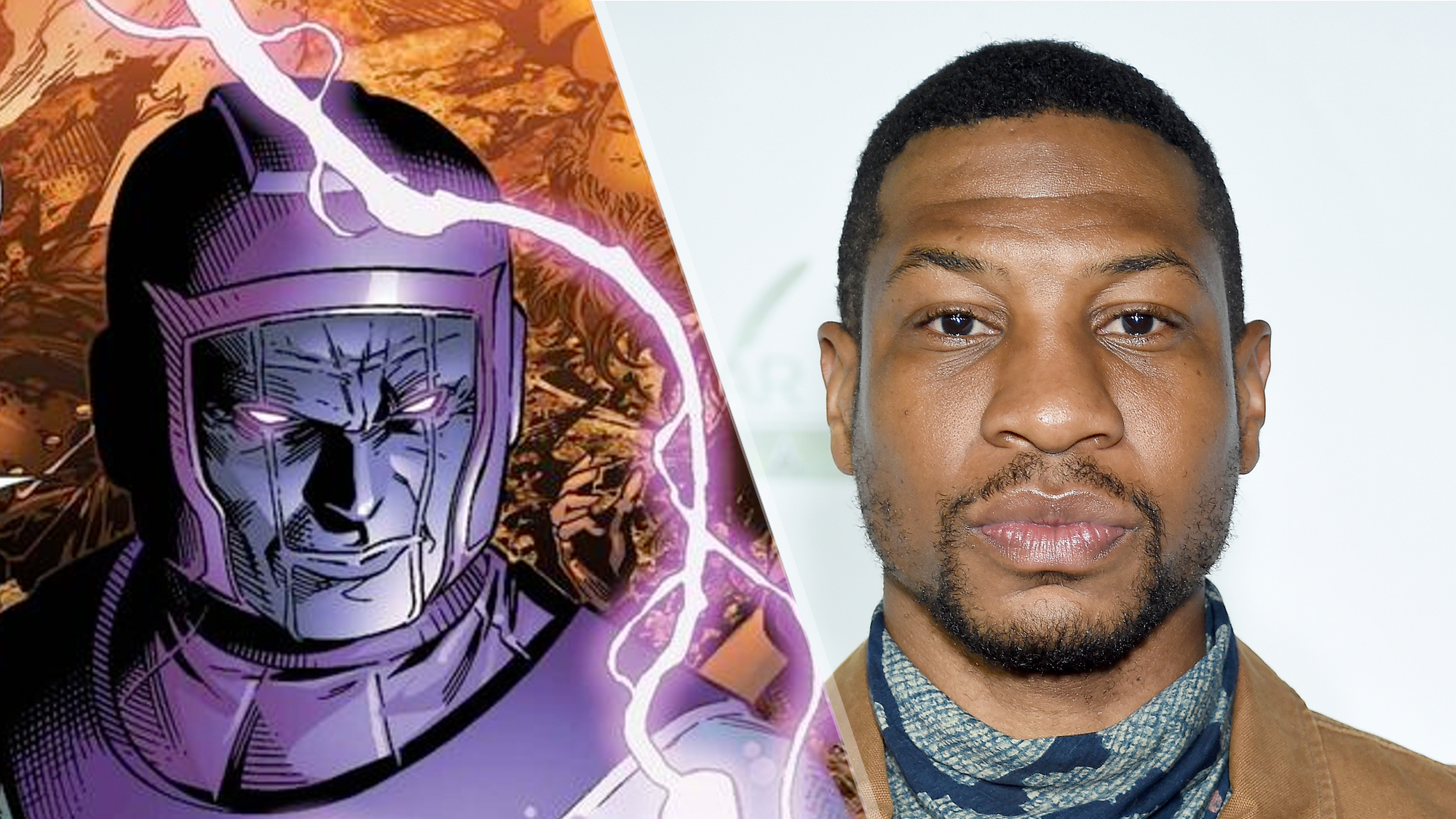
In the future, we can expect Marvel to move toward “decentralized branding.” Instead of a single “Kang-like” figure dominating a five-year plan, the studio appears to be shifting toward a more modular approach where multiple high-stakes threats can exist simultaneously. This reduces “Key Man Risk” and allows the brand to be more agile. If one character or actor fails to resonate with the audience or faces real-world issues, the entire corporate roadmap isn’t jeopardized.
In conclusion, the story of Kang the Conqueror’s disappearance from the MCU is a landmark event in the business of entertainment. It demonstrates that even the most powerful brands in the world are susceptible to external shocks and that the key to survival is the ability to pivot decisively. Disney’s decision to move away from Kang and toward Doctor Doom is a calculated move to protect the long-term health of the Marvel brand, prioritizing corporate stability and consumer trust over the original creative vision. As the MCU enters this new chapter, the “Kang era” will be remembered as a significant cautionary tale in the importance of brand diversification and crisis preparedness.
aViewFromTheCave is a participant in the Amazon Services LLC Associates Program, an affiliate advertising program designed to provide a means for sites to earn advertising fees by advertising and linking to Amazon.com. Amazon, the Amazon logo, AmazonSupply, and the AmazonSupply logo are trademarks of Amazon.com, Inc. or its affiliates. As an Amazon Associate we earn affiliate commissions from qualifying purchases.