
For over fifteen years, the narrative of Subway—the global sandwich powerhouse—was inextricably linked to a single individual: Jared Fogle. What began as a local human-interest story in 1998 evolved into one of the most successful personal branding campaigns in marketing history. However, the eventual and catastrophic downfall of Fogle in 2015 serves as a seminal case study for brand strategists, marketing executives, and corporate identity experts. The question of “what happened to Jared Fogle” is not merely a true-crime curiosity; it is a profound lesson in the risks of tethering a multi-billion-dollar corporate identity to a single human face.
The Rise of a Human Brand: How Jared Fogle Defined Subway’s Identity
In the late 1990s, Subway was struggling to differentiate itself from the sea of greasy fast-food competitors. The brand lacked a unique selling proposition until it discovered Jared Fogle, a college student who had lost 245 pounds by eating a restricted diet of Subway sandwiches. This discovery allowed Subway to pivot its entire brand strategy from “fast food” to “healthy lifestyle.”
The Power of Relatability in Personal Branding
Fogle was the ultimate “everyman.” Unlike the chiseled athletes or high-glamour celebrities usually hired for endorsements, Fogle was relatable. His brand was built on vulnerability and transformation. For consumers, he wasn’t just a spokesperson; he was living proof that the brand’s promises were attainable. This authenticity created a level of trust that traditional advertising could never buy. By leveraging Fogle’s personal journey, Subway successfully humanized its corporate entity, making the “Subway Guy” a household name and a symbol of hope for millions of Americans struggling with their health.
Transforming a Sandwich into a Health Solution
Through Fogle, Subway ceased to be a seller of cold cuts and bread; it became a provider of wellness. The marketing strategy focused on the “Subway Diet,” a term that became synonymous with Fogle himself. This personal brand alignment was so effective that it fundamentally shifted the competitive landscape. Subway was no longer just competing with McDonald’s on price or speed; it was competing with the fitness industry. The brand’s identity became rooted in “Fresh,” a concept that Fogle’s physical transformation reinforced daily on television screens across the globe.
The Anatomy of a Brand Catastrophe: When the Face Becomes a Liability
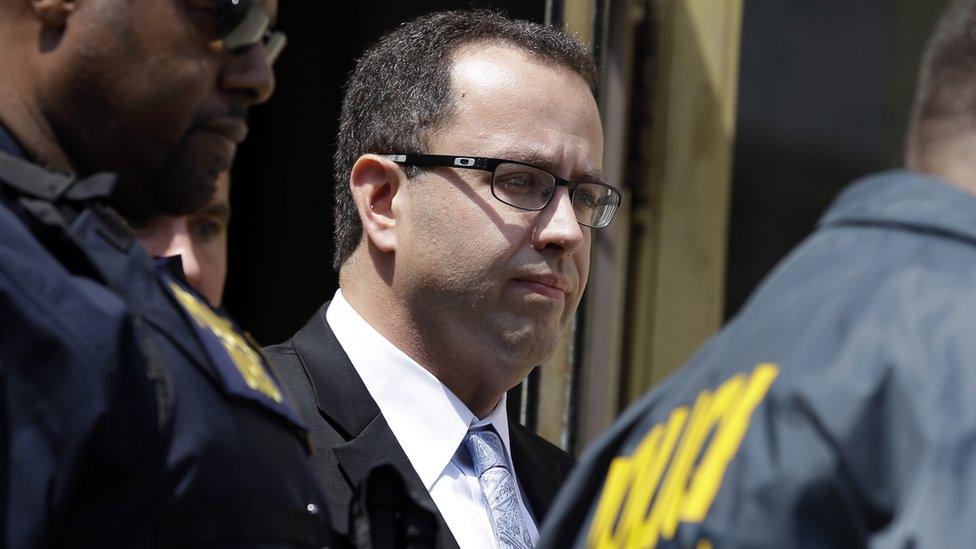
The symbiotic relationship between Fogle and Subway was highly lucrative, but it created a dangerous single point of failure. In July 2015, the FBI raided Fogle’s home as part of an investigation into child pornography and illicit sexual behavior. The news sent shockwaves through the marketing world, as one of the most trusted faces in America became an overnight pariah.
The Shift from Asset to Existential Threat
In brand management, an ambassador is meant to reflect the company’s values. When Fogle’s private actions were revealed to be in direct contradiction to the wholesome, family-friendly image Subway had cultivated, he transitioned from the company’s greatest asset to its most significant existential threat. The “Subway Guy” moniker, once a badge of honor, became a branding nightmare. Every piece of marketing collateral featuring Fogle’s face—from life-sized cardboard cutouts to digital banners—instantly became a toxic reminder of the scandal.
The Disconnect Between Public Persona and Private Reality
This case highlights the inherent risk of “Single-Face Branding.” When a brand’s identity is too closely tied to a person, the brand loses control over its own narrative. Subway had spent hundreds of millions of dollars building a brand around Fogle’s integrity. When that integrity was revealed to be a facade, the brand’s foundation cracked. The disconnect between the public-facing “health hero” and the reality of Fogle’s criminal behavior created a cognitive dissonance for consumers that threatened to permanently alienate the brand’s core demographic: families and health-conscious individuals.

Corporate Identity in Crisis: Subway’s Strategic Response and Recovery
When the scandal broke, Subway was forced into an immediate and aggressive crisis management posture. The company had to balance the need for swift dissociation with the logistical nightmare of scrubbing a fifteen-year campaign from the public consciousness.
Immediate Severance and Damage Control
Subway’s initial response was a masterclass in swift corporate dissociation. Within hours of the raid, the company issued statements distancing themselves from Fogle, and within days, they officially terminated their relationship. This was a critical move in brand preservation. By taking a hardline stance immediately, Subway signaled to its stakeholders that the brand’s values were independent of Fogle’s actions. They moved to remove all mentions of him from their website, social media channels, and physical restaurant locations, effectively attempting to “un-brand” the man who had been their primary identifier for over a decade.
Rebranding in the Post-Jared Era
Following the fallout, Subway faced the monumental task of redefining its identity without its central figure. The brand struggled for several years to find a new “hook.” They initially leaned into the “Founders” story and eventually transitioned back to a focus on product innovation and “Fresh” ingredients without the “diet” focus that Fogle provided. The transition was difficult; sales figures dipped as the brand lost its unique human element. It took years of strategic repositioning—including the “Eat Fresh Refresh” campaign and the introduction of the “Subway Series”—to move the brand away from the shadow of the 2015 scandal and back toward a product-focused identity.
Lessons for Modern Marketers: Mitigating Risk in Influencer Partnerships
The Jared Fogle era ended in disgrace, but the lessons it provided have reshaped how modern brands approach partnerships and personal branding. In the age of social media and instant transparency, the risks associated with brand ambassadors have only magnified.
The Importance of Diversified Brand Representation
One of the key takeaways from the Subway disaster is the danger of “Brand Monoculture.” Modern brands now rarely rely on a single face for fifteen years. Instead, they utilize a diverse roster of influencers, athletes, and experts. By diversifying representation, a brand ensures that if one individual experiences a personal or legal crisis, the brand’s entire identity isn’t compromised. This strategy allows for more targeted marketing to different demographics while hedging the risk of a single catastrophic PR event.
Implementing Robust Vetting and Moral Turpitude Clauses
In the wake of scandals like Fogle’s, corporate legal departments have become significantly more stringent. Modern brand contracts now include comprehensive “moral turpitude” clauses, which allow for the immediate termination of a contract and the clawback of funds if an ambassador’s private actions bring the brand into disrepute. Furthermore, the vetting process has become digital and deep; brands now conduct exhaustive background checks and social media audits to ensure that their ambassadors’ past and present behaviors align with their corporate identity.

Conclusion: The Long Shadow of a Failed Personal Brand
The story of Jared Fogle is a cautionary tale regarding the fragility of human-centric branding. While the “Subway Guy” helped propel a sandwich shop into a global health icon, his downfall nearly dragged the entire corporation down with him. Today, Subway continues to navigate the fast-food landscape, but the scars of 2015 remain a reminder of the risks inherent in brand strategy.
For brand managers, the legacy of Fogle serves as a prompt to evaluate the balance between human relatability and corporate safety. It underscores the necessity of a brand identity that is rooted in a company’s core values and product quality, rather than the perceived character of a single spokesperson. In the high-stakes world of corporate identity, authenticity is a powerful tool, but when that authenticity is tied to a person, it must be managed with extreme caution, constant vigilance, and a robust plan for the day the mask slips. Subway survived the Fogle era, but the marketing world was forever changed by the realization that a brand built on a person is only as strong as that person’s secrets.
aViewFromTheCave is a participant in the Amazon Services LLC Associates Program, an affiliate advertising program designed to provide a means for sites to earn advertising fees by advertising and linking to Amazon.com. Amazon, the Amazon logo, AmazonSupply, and the AmazonSupply logo are trademarks of Amazon.com, Inc. or its affiliates. As an Amazon Associate we earn affiliate commissions from qualifying purchases.