
In the early 2010s, the digital landscape was dominated by a specific breed of “larger-than-life” content creators. Among the most successful was FPS Russia, a YouTube channel that featured a charismatic, heavy-accented Russian named “Dmitri” who showcased high-powered weaponry and explosives. At its peak, the channel was a global phenomenon, garnering millions of views and setting the standard for the “gun-tubing” genre. However, the brand’s sudden disappearance and the subsequent legal entanglements of its creator, Kyle Myers, serve as a profound case study in brand volatility, the risks of niche-dependent identities, and the complexities of modern personal branding.
To understand what happened to FPS Russia, one must look past the smoke and gunpowder to analyze the strategic construction of the brand, the catastrophic external shocks that dismantled it, and the eventual pivot that redefined Myers’ career.
Building the “FPS Russia” Persona: The Power of Niche Differentiation
The success of FPS Russia was not an accident of the YouTube algorithm; it was a masterclass in brand positioning and niche differentiation. When the channel launched, the firearms community on the internet was largely academic, focusing on technical specifications and range safety. FPS Russia disrupted this by injecting entertainment, personality, and high production value.
The Russian Accent as a Brand Hook
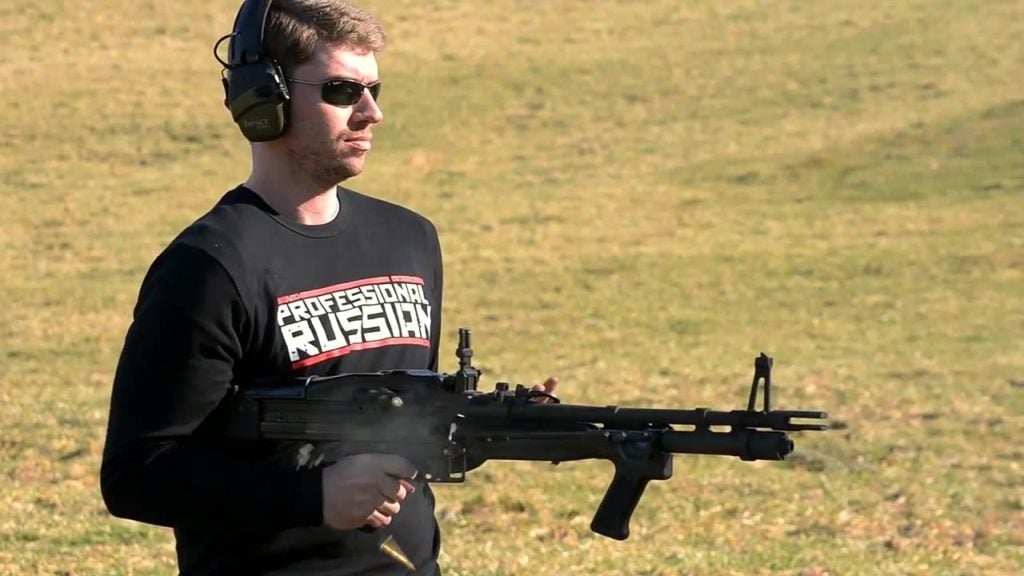
Kyle Myers, an American from Georgia, recognized early on that a standard firearms review channel might struggle to gain international traction. By adopting the persona of Dmitri Potapoff—a “Professional Russian” with a catchphrase (“And as always, have a nice day”)—he created a distinct brand hook. This persona allowed the content to feel exotic and edgy, tapping into the Western fascination with Eastern Bloc ruggedness. From a branding perspective, this was a “unique selling proposition” (USP) that separated him from every other creator in the space.
High-Octane Content: Scaling the “Explosive” Aesthetic
The brand’s visual identity was built on “the big reveal.” Whether it was a dual-wielding AA-12 shotgun or a 40mm Bofors autocannon, the brand promised viewers access to weaponry they would never see elsewhere. This exclusivity created a high barrier to entry for competitors. By consistently escalating the scale of his videos—moving from handguns to tanks and prototype drones—Myers built a brand synonymous with “limitless power.” This escalation, while effective for growth, created an unsustainable demand for increasingly rare and dangerous equipment.
The Intersection of Personal Brand and Legal Liability
For a personal brand, the individual is the product. However, when that product is intrinsically linked to highly regulated industries—such as firearms and explosives—the brand’s stability is tied to its compliance with federal law. For FPS Russia, the line between entertainment and legal liability began to blur, leading to a series of events that would eventually decapitate the brand’s operations.
The Impact of Keith Ratliff’s Death on Brand Operations
A pivotal moment in the brand’s history was the 2013 death of Keith Ratliff, the channel’s producer and the individual responsible for sourcing the exotic weaponry. From a brand strategy perspective, Ratliff was the “supply chain manager.” His death was not only a personal tragedy but a catastrophic blow to the brand’s infrastructure. Without Ratliff’s Federal Firearms License (FFL) and industry connections, the brand lost its ability to procure the “shock and awe” content that defined its identity. The subsequent investigation into his death brought intense law enforcement scrutiny upon Myers, illustrating how the personal lives of “behind-the-scenes” brand partners can dictate the survival of a public-facing entity.
When Lifestyle Risks Destabilize Corporate Assets
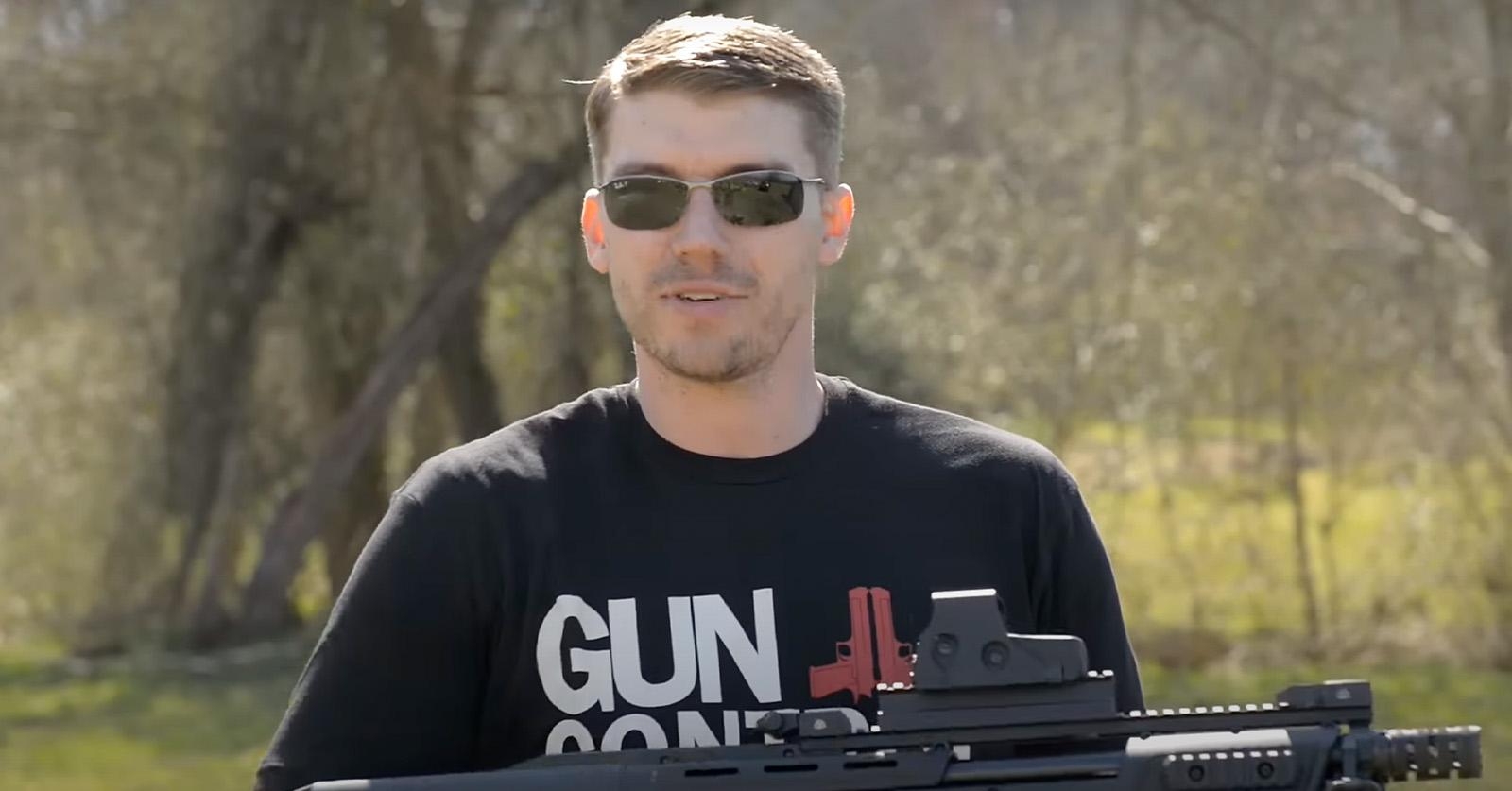
The FPS Russia brand was built on “edgy” content, but for the brand to remain viable, the creator had to remain a “clean” entity in the eyes of the Bureau of Alcohol, Tobacco, Firearms and Explosives (ATF). In 2017, this balance was permanently disrupted when Myers was arrested for receiving marijuana through the mail. In many industries, a drug charge might be a PR hurdle; in the firearms industry, it is a brand-ending event. Under federal law, the use or possession of a controlled substance makes an individual a “prohibited person,” meaning they can no longer legally own or possess firearms. Overnight, the core asset of the FPS Russia brand—the guns—became legally inaccessible to its creator.
The Deconstruction of a Digital Empire: The 2017 Arrest and Beyond
The collapse of FPS Russia was not a slow fade but a sudden structural failure. The brand’s identity was so closely tied to the “Professional Russian” shooting guns that once the “shooting guns” aspect was removed, the identity became hollow.
The Permanent Loss of the Brand’s Unique Selling Proposition
Every brand has a “North Star”—the one thing it does better than anyone else. For FPS Russia, that was the demonstration of exotic weaponry. When Myers was sentenced to two years of federal probation and forced to forfeit his massive firearm collection (valued at hundreds of thousands of dollars), the brand lost its USP. A car reviewer who can no longer drive or a chef who is banned from a kitchen cannot sustain their brand. Myers faced a “product-market fit” crisis: his market still wanted the guns, but he could no longer provide the product.
Navigating Federal Oversight and Content Restrictions
Post-arrest, the FPS Russia brand became a liability. The intense federal oversight meant that any attempt to return to the original format was impossible. Furthermore, YouTube’s evolving “AdSense” policies began to penalize high-intensity firearm content. The brand was hit with a “double whammy”: a legal inability to create the product and a platform-wide demonetization of the niche. This serves as a cautionary tale for creators: building a brand on a platform you don’t own (YouTube) while relying on a product subject to heavy government regulation (firearms) creates a high “key man risk.”
The Rebrand and Survival: Pivoting to the PKA Era
While the FPS Russia brand died, Kyle Myers as an entrepreneur did not. His story offers a fascinating look at how a creator can salvage their personal brand after a public “death” by pivoting to a different medium and a more authentic persona.
Transitioning from Face-of-the-Brand to Community Member
Instead of trying to revive the Dmitri persona, Myers leaned into his role as a co-host on the Painkiller Already (PKA) podcast. This transition involved a total “de-branding” of the Russian persona. He began appearing as himself—Kyle—speaking openly about his legal troubles, his time in prison, and his personal life. This was a shift from a “character brand” to a “personality brand.” By being transparent about his downfall, he built a new form of brand equity: authenticity. His audience transitioned from “spectators of explosions” to “investors in his story.”
Lessons in Resilience and Platform Diversification
The survival of Myers’ digital presence is largely due to the diversification of his content. While the FPS Russia YouTube channel remains a “museum” of his past work, the PKA podcast provides a recurring revenue stream and a stable platform that isn’t dependent on physical assets or legal permits. This shift highlights a vital branding lesson: it is safer to build a brand around ideas and conversation than around physical stunts and restricted items. Today, Myers is arguably more influential as a podcast personality than he was as a scripted character, despite the lower “spectacle” of his current work.

Strategic Takeaways for Modern Content Creators
The saga of FPS Russia offers several high-level takeaways for anyone managing a personal or corporate brand in the digital age.
- Brand Fragility and Dependency: If your brand relies on a single external factor (a license, a specific tool, a single platform), it is fragile. FPS Russia was dependent on federal firearm laws. When those laws were triggered, the brand evaporated.
- The Danger of Character Branding: While the “Dmitri” character was a brilliant marketing hook, it limited Myers’ ability to evolve. Character brands often have a shelf life. Authentic personality brands, however, can age and adapt with the creator.
- Crisis Communication and Honesty: Myers’ decision to eventually tell the full story of his arrest and the ATF raids on the PKA podcast was a successful exercise in crisis management. By owning the narrative, he prevented his detractors from defining his legacy.
- Asset Protection: For brands with high-value physical assets (like Myers’ gun collection), legal compliance isn’t just a hurdle; it is the foundation of the business. A single lapse in judgment can lead to the total forfeiture of the brand’s “factory.”
In conclusion, what happened to FPS Russia was a perfect storm of personal tragedy, legal repercussions, and shifting platform dynamics. While the “Professional Russian” may never return to YouTube to blow up another truck, the evolution of Kyle Myers proves that a strong personal brand can survive even the total destruction of its original identity. The FPS Russia story remains a powerful reminder that in the world of digital branding, the only thing more important than the content you create is the infrastructure you build to protect it.
aViewFromTheCave is a participant in the Amazon Services LLC Associates Program, an affiliate advertising program designed to provide a means for sites to earn advertising fees by advertising and linking to Amazon.com. Amazon, the Amazon logo, AmazonSupply, and the AmazonSupply logo are trademarks of Amazon.com, Inc. or its affiliates. As an Amazon Associate we earn affiliate commissions from qualifying purchases.