
In the modern landscape of professional sports, an elite athlete is no longer just a player on a field; they are a multi-million dollar corporate entity. When the Carolina Panthers selected Bryce Young with the first overall pick in the 2023 NFL Draft, they weren’t just drafting a quarterback—they were acquiring a cornerstone brand. Young entered the league with a pedigree that was arguably the gold standard for personal branding: a Heisman Trophy winner from the University of Alabama, a poised leader, and a marketing darling who had already secured millions in Name, Image, and Likeness (NIL) deals before even stepping into a professional locker room.
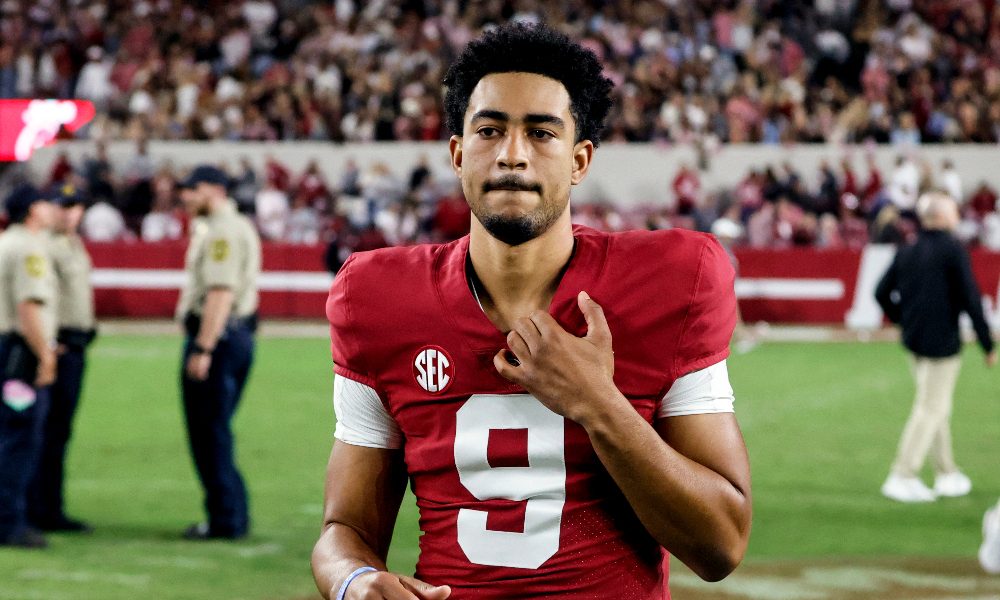
However, less than two seasons into his career, the narrative surrounding Bryce Young has shifted from “the future of the franchise” to a cautionary tale of brand dilution and corporate mismanagement. His recent benching represents a significant “product recall” for the Panthers and a crisis for Young’s personal brand strategy. To understand what happened to Bryce Young, we must look beyond the box scores and analyze the situation through the lens of brand identity, market positioning, and the devastating impact of a failing organizational culture.
The High-Equity Launch: Building the Bryce Young Personal Brand
The foundation of the Bryce Young brand was built on three specific pillars: clinical intelligence, unflappable poise, and high-performance reliability. At Alabama, Young was marketed as the “Point Guard of the Gridiron.” His brand was distinct from the physical specimens like Josh Allen or Anthony Richardson; he was the “thinking man’s quarterback.”
The “S2 Cognition” Differentiator
Before the draft, Young’s brand received a massive boost from a specific piece of proprietary data: his S2 Cognition test score. Reportedly scoring in the 98th percentile, Young was positioned as a mental prodigy. In branding terms, this was his “Unique Selling Proposition” (USP). While scouts worried about his height (a physical brand deficit), the narrative of his elite processing power served as the perfect counterbalance. It convinced the Carolina Panthers to trade away significant assets—the equivalent of a massive capital investment—to acquire him.
The NIL Pioneer
Young was also a pioneer in the “personal branding for students” era. By the time he turned pro, he had already represented brands like Nissan, Subway, and Dr Pepper. His brand was polished, safe, and professional. There were no character concerns or “red flags.” From a corporate identity standpoint, he was the “Blue Chip” stock of the 2023 draft class. He was the safe bet that promised high dividends for years to come.
The Corporate Identity Conflict: When the Personal Brand Meets a Failing Organization
A personal brand does not exist in a vacuum. In the NFL, a player’s brand is inextricably linked to the corporate identity of the team that employs them. The tragedy of Bryce Young’s early career is a textbook example of “brand friction”—when a high-quality product is placed into a dysfunctional distribution system.
The Instability of the Panthers Brand
Since David Tepper took ownership of the Carolina Panthers, the organization’s brand has been characterized by volatility and high turnover. For a young quarterback whose brand is built on “processing” and “stability,” being dropped into an environment with three different head coaches in less than two years is catastrophic. In the business world, this is akin to a startup hiring a brilliant CEO but then changing the board of directors and the product roadmap every three months. The result is total misalignment.
Resource Depletion and Brand Support
To acquire Young, the Panthers traded away their top wide receiver (DJ Moore) and a mountain of draft picks. In doing so, they stripped the “infrastructure” needed to support their new brand asset. In corporate terms, they spent their entire R&D budget on a high-end processor but forgot to buy the motherboard, the RAM, or the cooling system. Young was left to function in a system that highlighted his weaknesses (lack of size and protection) rather than his strengths (timing and accuracy).

Brand Dilution: The Impact of Performance on Marketability
In branding, perception is reality. When Bryce Young began to struggle on the field, it wasn’t just a loss of games; it was the erosion of his brand equity. The “poise” that was once his trademark began to look like “hesitation.” The “intelligence” was questioned as the offense stagnated.
The Psychology of the “Bust” Label
The most dangerous threat to any high-profile brand is the “Bust” label. This is the equivalent of a “Defective Product” warning in the consumer market. Once a brand is perceived as a failure, it becomes incredibly difficult to regain consumer (or fan) confidence. For Young, the benching in early 2024 served as a public admission by the organization that the brand was currently “non-functional.” This led to a massive pivot in the media narrative, moving from “He needs more help” to “Is he even an NFL-caliber player?”
The Loss of Endorsement Power
While Young still holds significant contracts, his marketability is currently in a state of “frozen assets.” Brands want to be associated with winners and “rising stars.” When a player is benched, their visibility drops, and their association moves from “aspirational” to “sympathetic” or, worse, “irrelevant.” The Bryce Young brand is currently undergoing a stress test that few 23-year-olds are equipped to handle.
Rebranding the Comeback: Strategies for Professional Recovery
The story of Bryce Young is not yet finished. In the world of brand strategy, many of the most successful identities are those that have survived a “rebranding” phase. For Young to salvage his professional identity and his market value, a tactical shift is required.
The “Change of Scenery” Pivot
Sometimes, a brand is simply in the wrong market. We have seen this with quarterbacks like Sam Darnold or Baker Mayfield, who saw their brand equity plummet in dysfunctional environments only to see it restored when they joined stable, well-branded organizations (like the Vikings or Buccaneers). For Young, a trade might be the only way to “re-launch” his brand. By moving to a team with an established offensive identity, he can shed the baggage of the Panthers’ failures and start fresh.
Building the “Resilience” Narrative
The final stage of a brand recovery is the narrative of the “comeback.” If Young can maintain his professional demeanor during this benching—avoiding public outbursts or “toxic” behavior—he can add “resilience” and “maturity” to his brand pillars. In the long run, a brand that has faced adversity and returned to form is often more valuable and relatable than one that has only known success.
Tactical Skill Development as Product Upgrade
From a technical standpoint, Young must treat this time as a period of “Product Development.” He must address the physical and tactical flaws that the league exposed. Whether it is adjusting his footwork to compensate for his height or improving his deep-ball velocity, these are the “Software Updates” necessary to make the Bryce Young brand competitive again in the high-stakes NFL market.
Conclusion: The Price of a Mismatched Identity
What happened to Bryce Young is a stark reminder that even the most promising brands can be derailed by poor positioning and lack of institutional support. Young arrived in the NFL as a premium product, but he was forced to operate in a budget environment that was fundamentally incompatible with his strengths.
As we watch the next chapters of his career unfold, the focus will remain on whether he can decouple his personal brand from the struggling Carolina Panthers identity. In the business of professional sports, as in any industry, the product is only as good as the system that delivers it. Bryce Young’s journey is no longer just about football; it is a high-stakes case study in brand management, organizational culture, and the grueling process of professional redemption. Whether he becomes a “comeback kid” or a “cautionary tale” will depend on his ability to navigate this crisis and find a market that truly values his unique skillset.
aViewFromTheCave is a participant in the Amazon Services LLC Associates Program, an affiliate advertising program designed to provide a means for sites to earn advertising fees by advertising and linking to Amazon.com. Amazon, the Amazon logo, AmazonSupply, and the AmazonSupply logo are trademarks of Amazon.com, Inc. or its affiliates. As an Amazon Associate we earn affiliate commissions from qualifying purchases.