
The question “what haircut should I get?” has plagued humanity since the invention of the shears. Historically, the answer was found in dog-eared magazines at the local barbershop or through the precarious trial and error of a stylist’s intuition. However, the intersection of computer vision, generative artificial intelligence, and augmented reality (AR) has fundamentally transformed this age-old dilemma into a high-tech data science problem. Today, choosing a hairstyle is less about guesswork and more about the sophisticated application of digital tools that map the human face with millimeter precision.
The Rise of the Virtual Barber: How AR and AI Are Transforming Choice
The digital transformation of the grooming industry begins with the transition from static inspiration to interactive simulation. In the past decade, we have moved from “face-in-hole” Photoshop templates to real-time, three-dimensional overlays that allow users to see a new version of themselves from every angle.
Computer Vision and Facial Geometry Mapping
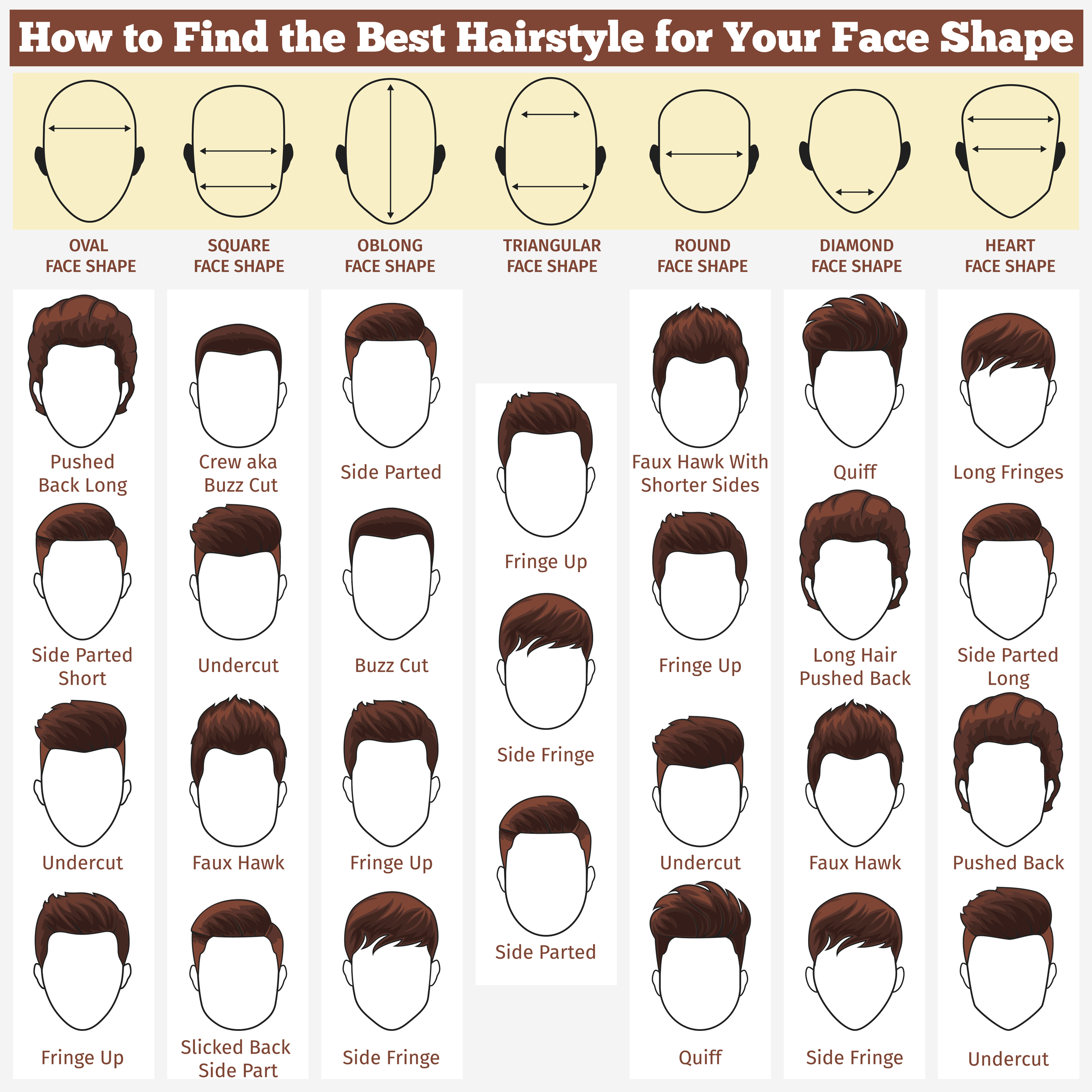
At the heart of any modern “what haircut” application is computer vision. To suggest a style, software must first understand the canvas. Modern styling apps utilize facial landmark detection—a process where an algorithm identifies specific coordinates on a user’s face, such as the chin’s peak, the width of the cheekbones, and the height of the forehead. By calculating the distances between these points, the AI determines the user’s “face shape” (e.g., oval, square, heart, or diamond) with a level of accuracy that far surpasses a human looking in a mirror.
Generative AI: From Static Filters to Real-Time Previews
While Augmented Reality (AR) provides the “overlay,” Generative AI provides the “realism.” Early versions of styling tech looked like plastic wigs pasted onto a photo. Today, Generative Adversarial Networks (GANs) and diffusion models allow for the synthesis of hair textures that interact with lighting and movement. These models can simulate how a specific hair density or “fade” will look under different environmental lighting conditions, providing a “digital twin” experience that manages user expectations before the first clip of the scissors.
Beyond the Mirror: The Tech Stack Behind Modern Styling Apps
The software that answers “what haircut” is not a simple image filter; it is a complex ecosystem of integrated technologies designed to bridge the gap between digital visualization and physical execution.
Deep Learning and Neural Networks in Feature Recognition
To provide a recommendation, the software must be trained on massive datasets of human morphology. Neural networks are fed millions of images of diverse hair types—ranging from Type 1A (straight) to Type 4C (coily)—and various facial structures. This deep learning allows the app to recognize that a “pompadour” might suit a round face by adding verticality, or that “curtain bangs” might balance a larger forehead. The “intelligence” in these apps is the result of training algorithms to understand the aesthetic principles of symmetry and proportion.
Integration with Professional Salon Software and IoT
The most advanced “what haircut” tech doesn’t stop at the user’s smartphone. We are seeing a rise in API integrations between consumer-facing apps and professional salon management systems. When a user selects a style in an app like L’Oréal’s Modiface or Style My Hair, the technical specifications (color codes, length parameters, and texture notes) can be sent directly to the stylist’s tablet. Furthermore, the emergence of “Smart Mirrors” in high-end salons utilizes Internet of Things (IoT) connectivity to project the chosen AR overlay onto the actual mirror as the barber works, serving as a real-time digital blueprint.
Data-Driven Grooming: Personalization in the Digital Age
Personalization is the cornerstone of modern Tech trends, and grooming is no exception. The question of “what haircut” is increasingly answered by an algorithm that knows more about the user than just their face shape.
Recommendation Engines and Lifestyle Data
Modern styling platforms are beginning to incorporate “contextual data” into their recommendation engines. By analyzing a user’s geographic location (climate data), their calendar (upcoming formal events), and even their past browsing history, an AI can suggest a haircut that is functionally appropriate. For example, if the data suggests a user lives in a high-humidity environment and has a low-maintenance lifestyle, the algorithm may prioritize shorter, textured cuts over high-product styles. This is the same logic used by Netflix or Spotify, applied to personal aesthetics.
Predicting Trends with Social Media Analytics
Technology has also shortened the “trend cycle.” Big Data tools scrape platforms like Instagram, TikTok, and Pinterest to identify which styles are gaining “velocity.” By the time a celebrity’s new haircut goes viral, AI-driven styling apps have already updated their libraries to include that specific silhouette. This real-time synchronization ensures that when a user asks “what haircut is popular?” the app isn’t showing them styles from six months ago, but rather what is trending in their specific demographic and region at that exact moment.
Security and Privacy in Facial Scanning Tech
As with any technology that relies on biometric data, the rise of digital grooming tools brings significant concerns regarding digital security and data privacy. A “face scan” is one of the most sensitive pieces of personal information an individual possesses.
Biometric Data Sovereignty
When a user uploads a video or photo to determine “what haircut” fits them, they are providing a biometric map. Tech companies must navigate the complex landscape of data sovereignty, such as the GDPR in Europe or CCPA in California. Users are increasingly asking: Is my face stored on a server? Is it being used to train other facial recognition models? Leading developers in this space are moving toward “on-device processing,” where the facial analysis happens locally on the user’s smartphone rather than in the cloud, ensuring the biometric data never leaves the device.
The Ethical Implications of Deepfake-Style Previews
The same technology that allows you to see yourself with a new haircut is fundamentally similar to the tech used to create “deepfakes.” This raises ethical questions about the manipulation of self-image. Developers are now tasked with creating “ethical AI” guardrails that prevent these tools from being used to create non-consensual imagery or from promoting unattainable beauty standards through excessive “beautification” filters that go beyond just changing a hairstyle.
The Future: Wearables and Real-Time Style Adjustments
Looking forward, the question of “what haircut” will likely move away from the smartphone screen entirely. The next frontier involves the integration of styling tech with wearable hardware.
Smart Glasses and HUD Styling
As AR glasses become more streamlined and commercially viable, we can expect a “heads-up display” (HUD) for grooming. Imagine walking into a barber shop where both the client and the barber are wearing AR-enabled glasses. The “target” haircut is projected as a 3D hologram over the client’s head, allowing for a 1:1 match between the digital vision and the physical cut. This eliminates the “expectation vs. reality” gap that has long been a pain point in the industry.

Adaptive Style Algorithms
In the future, “what haircut” might become a dynamic recommendation. AI could analyze the gradual growth of a user’s hair via daily selfies (taken through smart mirrors) and send a push notification when the hair has reached the optimal length for a specific “re-style.” This shift from reactive grooming (cutting hair when it’s too long) to proactive styling (cutting hair to maintain a digital aesthetic) represents the ultimate convergence of human appearance and algorithmic precision.
The evolution of the simple question “what haircut?” into a multi-billion dollar tech sector highlights a broader trend: the digitalization of the physical self. As computer vision becomes more acute and generative models become more lifelike, the line between our digital “avatars” and our physical bodies continues to blur, making the barber’s chair a surprising frontline for technological innovation.
aViewFromTheCave is a participant in the Amazon Services LLC Associates Program, an affiliate advertising program designed to provide a means for sites to earn advertising fees by advertising and linking to Amazon.com. Amazon, the Amazon logo, AmazonSupply, and the AmazonSupply logo are trademarks of Amazon.com, Inc. or its affiliates. As an Amazon Associate we earn affiliate commissions from qualifying purchases.