
In the modern corporate landscape, we often speak of “brand bibles,” “cult followings,” and “iconic status.” While these terms feel rooted in the digital age, the blueprint for building a powerful, pervasive, and enduring identity was drafted two millennia ago in the Italian peninsula. When we ask, “What gods did the Romans worship?” we are not merely inquiring about ancient mythology; we are examining the world’s first masterclass in brand architecture.
The Roman religious system was not a disjointed collection of myths. It was a sophisticated, multi-tiered branding strategy that allowed a small city-state to expand into a global empire. By understanding the specific archetypes the Romans elevated, modern brand strategists can learn how to build identities that command loyalty, define markets, and survive the test of time.
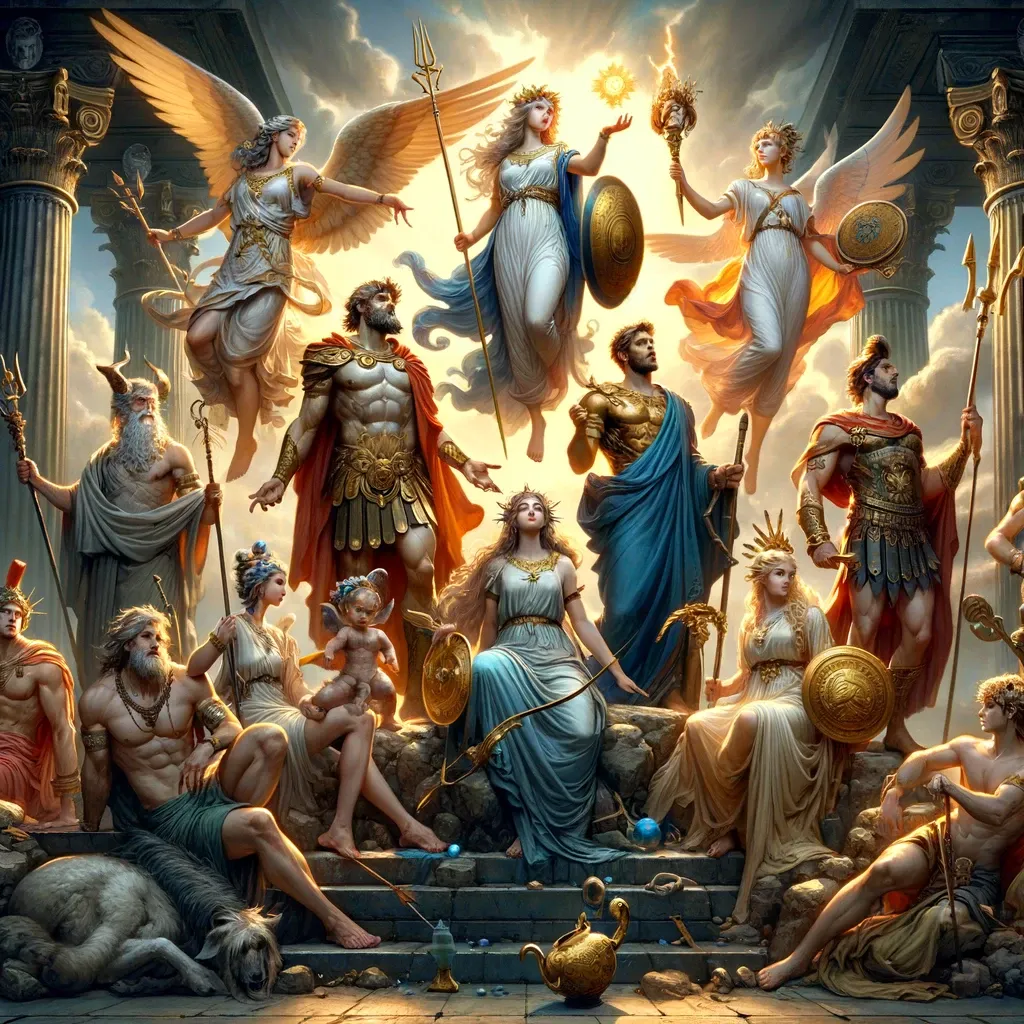
The Divine Archetype: How Roman Gods Defined Corporate Identity
The Roman Pantheon functioned as a series of brand personas, each representing a specific value proposition or market segment. Unlike the more aloof Greek precursors, Roman deities were functional; they were “brands” that promised a specific outcome in exchange for devotion (loyalty).
Jupiter and the Authority of Leadership
At the pinnacle of the Roman brand hierarchy was Jupiter Optimus Maximus—”Jupiter, Best and Greatest.” If Jupiter were a modern corporation, he would be the blue-chip leader, the IBM or Boeing of the ancient world. He represented authority, stability, and the overarching “umbrella brand” of the Roman state.
For brand strategists, Jupiter teaches the importance of the “Master Brand.” By establishing a core identity centered on supreme authority and reliability, the Romans ensured that every sub-brand (other gods) or subsidiary (conquered territories) felt anchored to a powerful center. To worship Jupiter was to buy into the Roman promise of order.
Mars and the Strategy of Competitive Positioning
While Jupiter was the CEO, Mars was the Chief Marketing Officer and Head of Sales. Mars was the god of war, but more importantly, he was a symbol of Roman expansion and competitive dominance. The Romans rebranded the Greek Ares—a chaotic and bloodthirsty god—into Mars, a disciplined, strategic, and paternal figure.
In branding, this represents the “Competitive Reframe.” The Romans took a raw concept (war/aggression) and refined it into a strategic asset (conquest/protection). Today’s brands use this when they position their aggressive market tactics as “disruptive innovation.” Mars reminds us that a brand must not only stand for something but must also have the strategic “armor” to defend its market share.
Consistency and Omni-Presence: The Roman Brand Expansion
One of the greatest challenges in brand strategy is maintaining consistency across diverse markets. As Rome expanded, they faced the ultimate global marketing challenge: how to integrate local cultures without losing the core Roman identity.
Synchronicity of Local and Imperial Identities
The Romans practiced “Interpretatio Romana,” a brilliant branding maneuver where they identified local foreign gods and equated them with Roman deities. If a conquered tribe worshipped a god of the forge, the Romans rebranded him as Vulcan. This is the ancient equivalent of a global corporation like McDonald’s or Coca-Cola adapting their menu or marketing to local tastes while keeping the core brand assets (the Golden Arches or the red label) intact.
By asking “What gods did the Romans worship?” in a specific province, you would find a localized version of the Roman brand. This created a sense of “glocalization”—global consistency with local relevance. For modern brands, this highlights the necessity of being adaptable without sacrificing the foundational brand pillars.
Visual Storytelling through Iconography
The Romans were the pioneers of visual identity. Because literacy was not universal, the “brand” of a god had to be instantly recognizable through symbols. Minerva had her owl and aegis; Neptune had his trident; Mercury had his winged sandals.
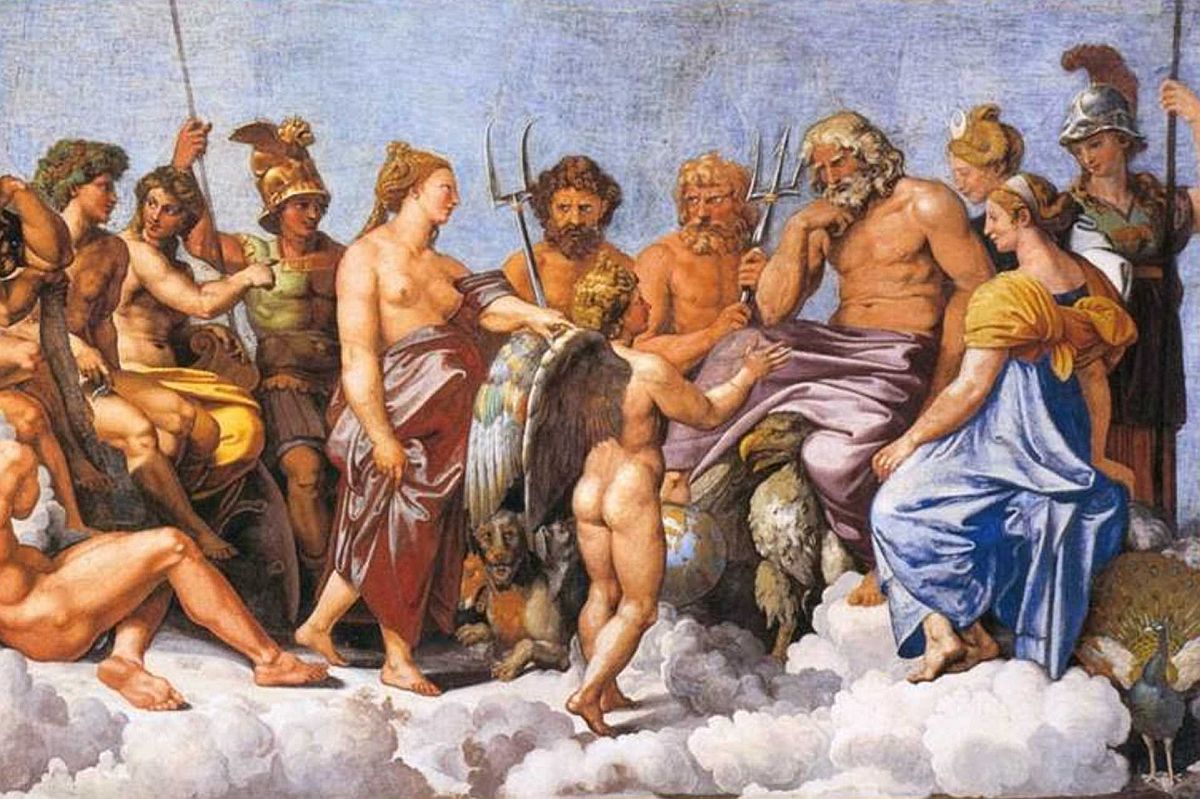
These symbols were the logos of the ancient world. They appeared on coins, in public squares, and in private homes. This level of visual saturation ensured that the “brand” of Rome and its gods were top-of-mind for every citizen. In modern brand strategy, this underscores the power of iconography. A brand’s visual assets—its color palette, typography, and logo—must be so distinct that they communicate the brand’s entire ethos without a single word of copy.
Values as Commodities: The Secular Devotion to Brand Identity
The gods of Rome were not just characters; they were personified values. The Romans worshipped “Virtues” as if they were deities, a move that parallels how modern lifestyle brands sell aspirations rather than products.
Vesta and the Sanctity of Internal Culture
Vesta, the goddess of the hearth, represented the internal flame of the Roman state. Her priestesses, the Vestal Virgins, were tasked with keeping the sacred fire burning. In corporate terms, Vesta represents “Internal Branding” and “Company Culture.”
A brand is only as strong as the “fire” kept by its employees. If the internal culture (the hearth) goes out, the external brand collapses. The Romans understood that the sanctity of their central identity was a matter of national security. Modern brands like Apple or Google invest heavily in their “campus culture” because they recognize, as the Romans did, that a devoted internal team is the primary guardian of the brand’s reputation.
Mercury and the Fluidity of the Marketplace
Mercury was the god of commerce, communication, and travelers. He was the “Brand Experience” personified. In the Roman mind, the marketplace was a sacred space protected by a specific deity. This elevated the act of transaction into something meaningful.
For today’s brand managers, Mercury represents the “User Journey.” From the first touchpoint (communication) to the final transaction (commerce), the experience must be fluid, fast, and reliable. Mercury wasn’t just about what was being sold; he was about the speed and efficiency of the exchange. In a digital economy, Mercury is the patron saint of UI/UX design.
Modern Application: Building Your Corporate Pantheon
Understanding what gods the Romans worshipped allows us to view brand strategy as a form of modern myth-making. To build a brand that lasts a millennium, a strategist must move beyond features and benefits and start building a pantheon.
Defining Your Core Deity (The Mission)
Every brand needs a “Jupiter”—a central, unwavering mission statement that defines its reason for existence. This is the “Best and Greatest” version of what the company hopes to achieve. Without this central authority, a brand’s sub-products become a “polytheistic” mess of conflicting messages. Strategists must identify the one core value that sits at the top of their hierarchy and ensure all other brand elements pay homage to it.
The Ritual of Customer Loyalty
The Romans didn’t just believe in their gods; they performed rituals for them. Rituals are the ultimate form of brand engagement. Whether it’s the “unboxing experience” of a new tech product or the specific way a barista calls out a name at a coffee shop, these are the modern equivalents of Roman libations.
When we analyze “What gods did the Romans worship,” we see that their devotion was maintained through consistent, repeatable actions. A brand strategy that fails to create rituals will fail to create a community. Loyalty is not a passive state; it is an active participation in the brand’s story.
Conclusion: The Legacy of the Roman Brand
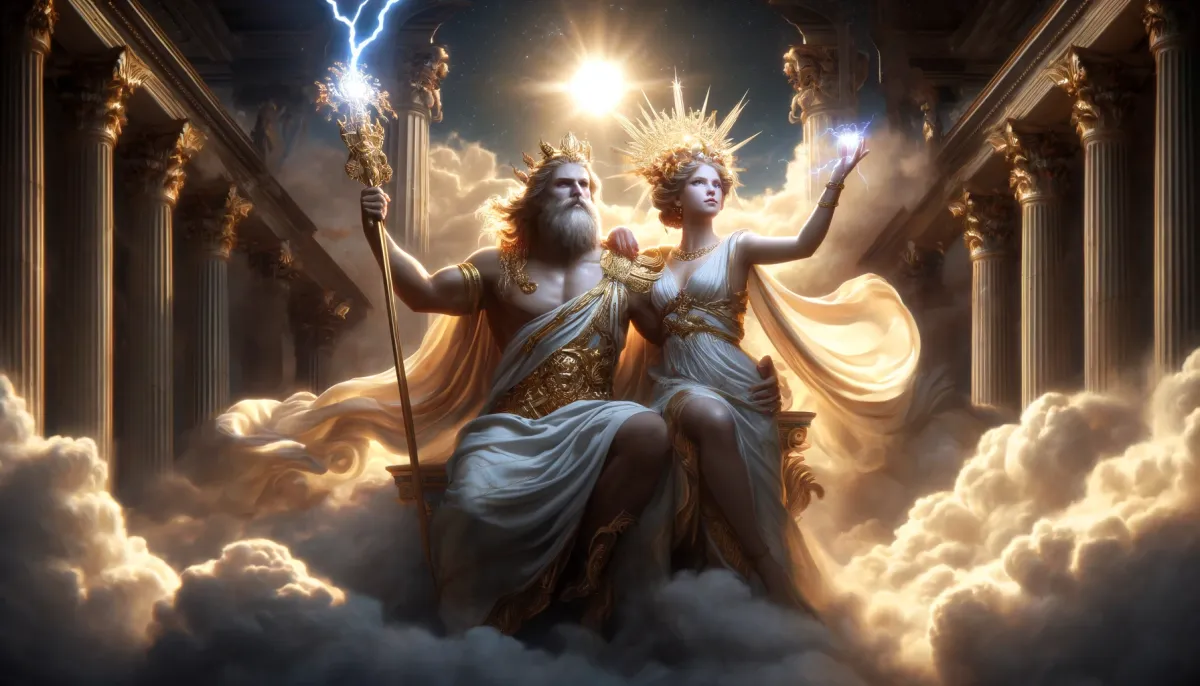
The gods of Rome may have faded into the annals of history, but the mechanics of their “worship” are more relevant than ever. The Romans did not just build temples; they built a global identity system that balanced authority (Jupiter), strategy (Mars), culture (Vesta), and commerce (Mercury).
In the 21st century, the most successful brands are those that function like the Roman Pantheon. They are multi-faceted yet unified; they are adaptable to local markets yet fiercely consistent; and they are rooted in deep-seated human archetypes. As you develop your brand strategy, ask yourself: What “gods” does your audience worship? What values are you personifying? By channeling the strategic brilliance of the Roman identity, you can build a brand that doesn’t just occupy a market—it builds an empire.
aViewFromTheCave is a participant in the Amazon Services LLC Associates Program, an affiliate advertising program designed to provide a means for sites to earn advertising fees by advertising and linking to Amazon.com. Amazon, the Amazon logo, AmazonSupply, and the AmazonSupply logo are trademarks of Amazon.com, Inc. or its affiliates. As an Amazon Associate we earn affiliate commissions from qualifying purchases.