
The Silent Generation, often characterized by their resilience, pragmatism, and a collective sense of duty forged in the crucible of the Great Depression and World War II, holds a significant place in the American demographic narrative. Born roughly between 1928 and 1945, they navigated a world vastly different from the one we inhabit today. However, understanding any generation’s impact and identity is incomplete without examining the societal forces and generational predecessors that shaped them. To fully appreciate the Silent Generation, we must turn our attention to the cohort that preceded them: the Greatest Generation.

While the term “Silent Generation” reflects a perceived quietude and adherence to established norms, the “Greatest Generation” is a moniker bestowed upon those who came of age during the Great Depression and then fought and won World War II. Their experiences were formative, instilling a profound sense of sacrifice, community, and unwavering patriotism. This generation’s legacy is not just one of historical events but of the values and principles they championed, which, in turn, laid the groundwork for the societal and economic landscape that the Silent Generation would inherit.
The Crucible of the Great Depression: Shaping the Greatest Generation
The economic devastation of the Great Depression, which began in 1929 and lasted throughout the 1930s, was a defining epoch for the Greatest Generation. Children born in the early 20th century, particularly those within the timeframe generally considered 1901 to 1927, experienced hardship on an unprecedented scale. This era was marked by widespread unemployment, poverty, and a pervasive sense of uncertainty.
Scarcity as a Teacher
For the children of this era, scarcity was not an abstract concept but a daily reality. Families struggled to afford basic necessities, and resourcefulness became an essential survival skill. This often meant making do with less, repairing rather than replacing, and finding creative solutions to everyday problems. The emphasis was on thrift, diligence, and a strong work ethic, as opportunities were limited, and a job, any job, was highly valued. This upbringing fostered a deep appreciation for stability and security, values that would later influence their approach to rebuilding and societal progress.
The Rise of Community and Shared Sacrifice
In the face of immense hardship, communities often came together to support one another. Neighbors shared what little they had, community gardens were a common sight, and mutual aid networks provided a vital lifeline. This shared experience of struggle fostered a strong sense of collective responsibility and social cohesion. The idea that “we’re all in this together” became a powerful unifying force, instilling a belief in the importance of contributing to the greater good and looking out for one another. This communal spirit would become a hallmark of their approach to national challenges.
Seeds of Resilience and Optimism
Despite the pervasive gloom, the Greatest Generation also cultivated a remarkable sense of resilience and an underlying optimism. They learned to endure setbacks, to persevere through adversity, and to maintain hope for a better future. This inner fortitude was crucial for navigating the lean years and would serve them well when faced with the monumental task of confronting global conflict. Their childhood was a masterclass in stoicism and the quiet determination to overcome obstacles.
World War II: The Ultimate Test and Unifying Call
As the Greatest Generation entered young adulthood, the world was plunged into the cataclysm of World War II. This global conflict served as the ultimate proving ground for the values and character traits that had been forged during the Depression. It demanded immense sacrifice, unwavering courage, and a unified national purpose.
The Call to Duty and Global Conflict

From the home front to the battlefields, the war effort permeated every aspect of American life. Millions of young men and women were called to serve in the armed forces, facing unimaginable dangers to defend freedom and democracy. Those who remained on the American soil played crucial roles in supporting the war effort through factory work, rationing, and voluntary service. The sense of shared purpose and sacrifice was palpable.
The “Arsenal of Democracy” and Economic Mobilization
The United States transformed into the “Arsenal of Democracy,” rapidly mobilizing its industrial capacity to produce the weapons, supplies, and machinery needed to defeat the Axis powers. This massive undertaking required an unprecedented level of national cooperation and innovation. The war effort stimulated economic growth and brought millions of women into the workforce, forever altering traditional gender roles and demonstrating the nation’s capacity for rapid industrial transformation.
The Unifying Power of a Common Enemy
The existential threat posed by the Axis powers created a powerful sense of national unity. For the Greatest Generation, there was a clear and present danger, and the fight for survival transcended individual differences. This shared struggle against a common enemy fostered a deep sense of patriotism and a belief in the righteousness of their cause. The victory in World War II was not just a military triumph; it was a validation of their collective spirit and their willingness to make profound sacrifices for a greater ideal.
The Legacy and Influence of the Greatest Generation on the Silent Generation
The experiences of the Greatest Generation left an indelible mark on the subsequent cohort, the Silent Generation. They inherited not only the post-war economic boom but also a set of deeply ingrained values and societal expectations that shaped their formative years.
A Foundation of Stability and Opportunity
Having weathered economic depression and global war, the Greatest Generation was determined to build a more secure and prosperous future for their children. Their efforts in rebuilding the nation and their leadership in establishing new international institutions created an environment of relative stability and unprecedented economic opportunity. The post-war era, often referred to as the “Golden Age of Capitalism,” provided a fertile ground for growth and upward mobility, a stark contrast to the struggles of their parents’ generation.
The Values of Duty, Sacrifice, and Conformity
The values of duty, sacrifice, and conformity, so central to the Greatest Generation’s ethos, were actively passed down. Children of this era were often raised with a strong emphasis on respect for authority, hard work, and adherence to social norms. The sacrifices made by their parents during the war instilled a sense of gratitude and a desire to contribute positively to society. This often translated into a more cautious and less overtly rebellious approach to life compared to subsequent generations.
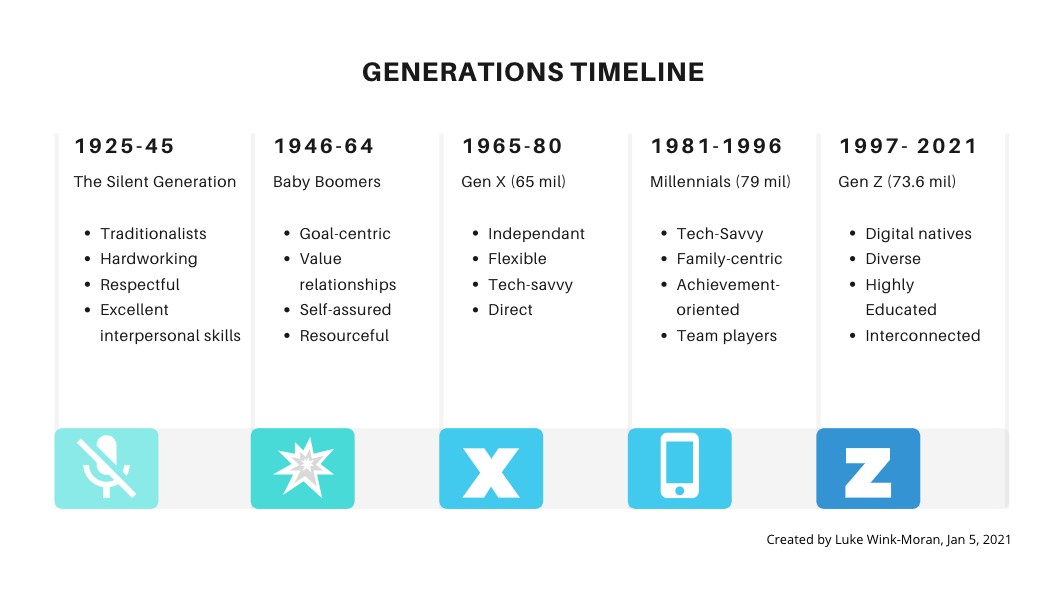
The Silent Generation: Inheritors and Innovators
While the Silent Generation inherited a world shaped by the immense efforts of the Greatest Generation, they were not merely passive recipients. They came of age during a period of significant social and technological change. They benefited from increased access to education and employment opportunities, and they witnessed the burgeoning of the Civil Rights Movement and other social transformations. While often characterized as reserved or pragmatic, they were also the generation that began to question established norms and lay the groundwork for the more vocal and individualistic movements that would follow. They navigated the post-war prosperity with a quiet determination, often excelling in professions that required diligence and expertise, such as law, medicine, and academia, while also contributing to the growing consumer culture. Their experience, therefore, represents a crucial bridge between the profound sacrifices of their predecessors and the more disruptive societal shifts of the later 20th century.
In conclusion, to understand the Silent Generation, one must first look to the extraordinary experiences and enduring values of the Greatest Generation. Their resilience in the face of economic collapse and their unwavering commitment during wartime forged a generation that prioritized stability, community, and sacrifice. This legacy, passed down through familial teachings and societal structures, profoundly shaped the outlook and opportunities of the Silent Generation, setting the stage for their own unique contributions to the tapestry of American history.
aViewFromTheCave is a participant in the Amazon Services LLC Associates Program, an affiliate advertising program designed to provide a means for sites to earn advertising fees by advertising and linking to Amazon.com. Amazon, the Amazon logo, AmazonSupply, and the AmazonSupply logo are trademarks of Amazon.com, Inc. or its affiliates. As an Amazon Associate we earn affiliate commissions from qualifying purchases.