
In the realm of personal finance, few questions carry as much weight as “What is the mortgage rate now?” For the average person, a home is the most significant investment they will ever make, and the interest rate attached to that purchase determines the trajectory of their financial health for decades. Over the past few years, we have transitioned from a historical era of “cheap money” to a high-interest environment that has fundamentally reshaped the real estate landscape.
Understanding mortgage rates is not just about checking a daily ticker; it is about understanding the macroeconomic forces at play, the nuances of different loan products, and the personal financial metrics that lenders use to judge your worthiness. This guide delves into the current state of mortgage rates, the factors that drive them, and how you can position yourself to secure the best possible deal in an unpredictable market.
Understanding the Current Landscape of Mortgage Rates
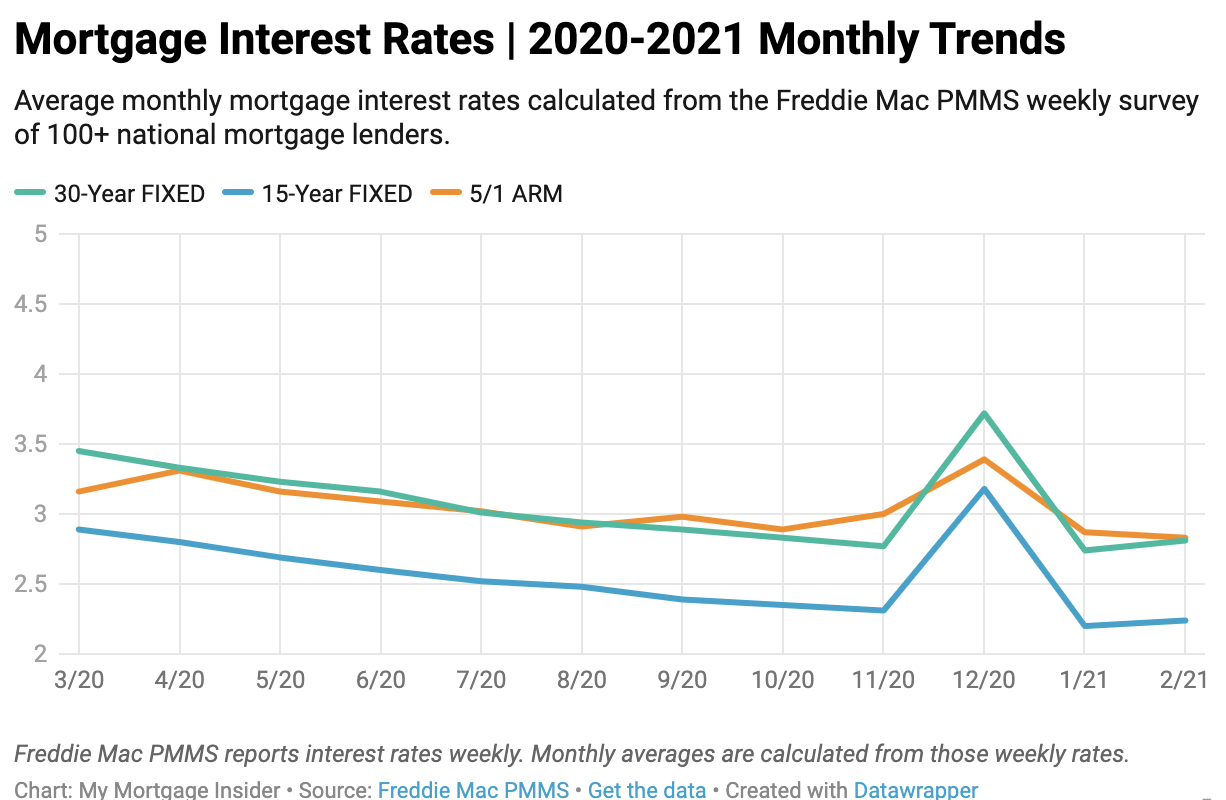
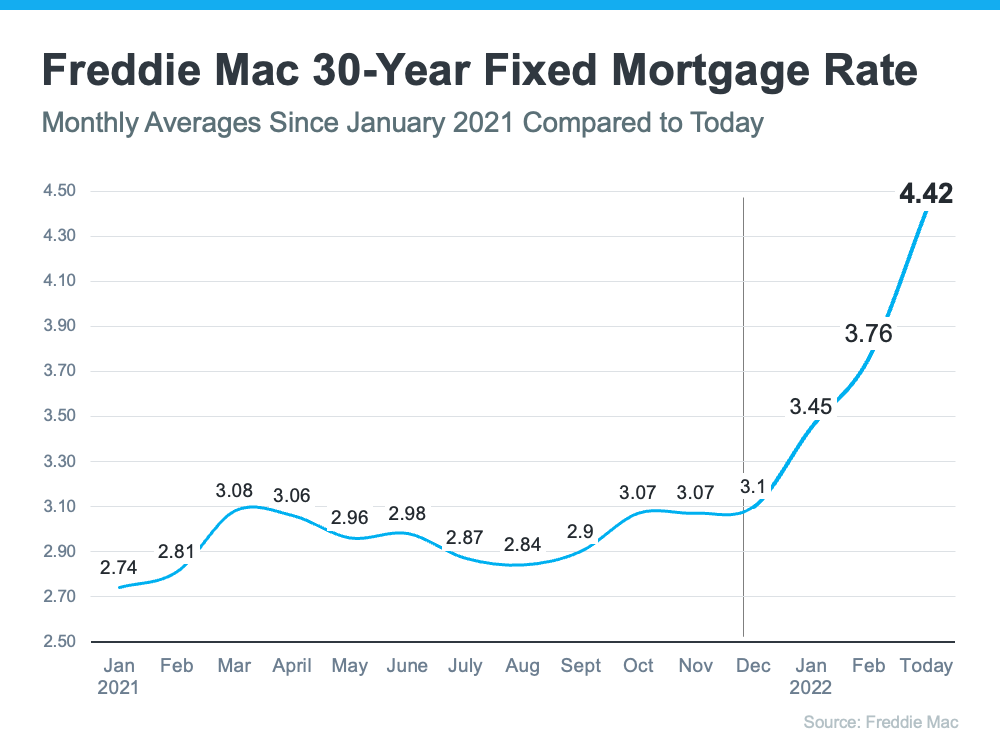
To answer “what the rate is now,” one must first acknowledge that mortgage rates are in a constant state of flux. Unlike a decade ago, when rates hovered in a predictable band, the post-pandemic economy has introduced significant volatility. Current rates are largely a reflection of the broader battle against inflation and the monetary policy decisions of the Federal Reserve.
The Role of the Federal Reserve and Inflation
While the Federal Reserve does not directly set mortgage rates, its influence is absolute. When the Fed raises the federal funds rate to combat inflation, it increases the cost of borrowing across the board. Mortgage lenders respond by raising their rates to maintain profit margins and account for the increased cost of their own capital. Inflation is the primary enemy of mortgage rates; because mortgages are long-term fixed-income assets, the value of those future payments is eroded by rising prices. Consequently, when inflation data comes in higher than expected, mortgage rates typically spike as investors demand a higher yield.
Economic Indicators That Move the Needle
Beyond the Fed, several key economic indicators serve as the heartbeat of the mortgage market. The 10-year Treasury yield is the most closely watched benchmark. Historically, there is a “spread” between the 10-year Treasury yield and the 30-year fixed mortgage rate. When the economy is stable, this spread is usually around 1.7 to 2 percentage points. However, in times of economic uncertainty or market volatility, this spread can widen significantly, leading to higher mortgage rates even if Treasury yields remain relatively flat. Monitoring the Consumer Price Index (CPI) and employment reports is also crucial for anyone trying to time their entry into the market.
Different Types of Mortgage Rates and How They Compare
Not all mortgage rates are created equal. When you see a “national average” quoted in the news, it usually refers to the 30-year fixed-rate mortgage. However, depending on your financial goals and your appetite for risk, other products may offer more attractive entry points.
Fixed-Rate Mortgages: Stability in an Uncertain Market
The 30-year fixed-rate mortgage remains the gold standard of American homeownership. It offers the ultimate hedge against inflation: a consistent monthly payment that never changes, regardless of how high interest rates climb in the future. For those looking for a shorter path to equity, the 15-year fixed-rate mortgage typically offers a lower interest rate than its 30-year counterpart. While the monthly payments are higher due to the shorter amortization period, the total interest paid over the life of the loan is drastically lower, making it a powerful tool for long-term wealth building.
Adjustable-Rate Mortgages (ARMs): Risks and Rewards
In a high-rate environment, Adjustable-Rate Mortgages (ARMs) often see a surge in popularity. These loans typically offer a lower “teaser” rate for an initial period—usually five, seven, or ten years—after which the rate adjusts annually based on market conditions. For buyers who plan to sell the home or refinance before the initial period ends, an ARM can provide significant monthly savings. However, the risk is substantial; if rates remain high or increase when the adjustment period hits, your monthly payment could skyrocket, potentially straining your personal budget.
Government-Backed Loans vs. Conventional Options
Interest rates also vary based on the type of loan program. FHA loans, backed by the Federal Housing Administration, often feature lower interest rates than conventional loans and allow for lower credit scores. However, they come with mandatory mortgage insurance premiums that can offset the interest savings. VA loans, available to veterans and active-duty service members, often boast the most competitive rates in the market with no down payment requirements. Understanding these niches is essential for finding the “true” rate available to you.
Factors That Determine Your Personal Mortgage Rate
The rate you see advertised on a lender’s website is rarely the rate you are actually offered. Lenders use a process called “risk-based pricing” to determine your specific interest rate. Your financial profile is the lens through which they view the risk of lending to you.
The Power of Your Credit Score
Your credit score is perhaps the single most influential factor in determining your mortgage rate. A borrower with a “platinum” credit score (760 or higher) will often receive a rate that is 0.5% to 1.5% lower than someone with a “fair” score (mid-600s). Over a 30-year loan, this seemingly small difference can result in tens of thousands of dollars in interest savings. Maintaining a low credit utilization ratio and a history of on-time payments is essential for anyone preparing to apply for a mortgage.
Debt-to-Income Ratio and Financial Stability
Lenders also scrutinize your Debt-to-Income (DTI) ratio, which measures how much of your monthly gross income goes toward paying debts. A lower DTI suggests that you have the financial cushion to handle a mortgage payment even if your circumstances change. If your DTI is too high, a lender may still approve you but will likely charge a higher interest rate to compensate for the perceived risk of default.
Down Payments and Loan-to-Value Ratios
The amount of “skin in the game” you have matters. The Loan-to-Value (LTV) ratio compares the amount of the loan to the appraised value of the property. A 20% down payment (resulting in an 80% LTV) is the traditional benchmark for securing the best rates and avoiding Private Mortgage Insurance (PMI). If you put down less than 20%, you represent a higher risk to the lender, which is usually reflected in a slightly higher interest rate or additional insurance costs.
Strategies to Secure the Best Rate Today
Given the current volatility, sitting back and accepting the first quote you receive is a recipe for financial waste. Proactive management of the mortgage process can yield significant savings.
Comparison Shopping and Mortgage Points
One of the most effective ways to lower your rate is to shop around. Studies have shown that borrowers who get quotes from at least three different lenders save an average of $1,500 to $3,000 over the life of the loan. Additionally, you may consider “buying down” the rate using discount points. One point typically costs 1% of the loan amount and reduces your interest rate by about 0.25%. This is a “pay now, save later” strategy that makes sense if you plan to stay in the home for a long period.
Locking in Rates vs. Floating
Because rates can change multiple times in a single day, the “rate lock” is a critical tool. Once you find a rate you are comfortable with, you can lock it in for a set period (usually 30 to 60 days) while your loan is being processed. This protects you if rates rise before you close. Some lenders offer a “float-down” option, which allows you to lock in a rate but also take advantage of a lower rate if the market drops before your closing date.
The Long-Term Outlook: Should You Buy Now or Wait?
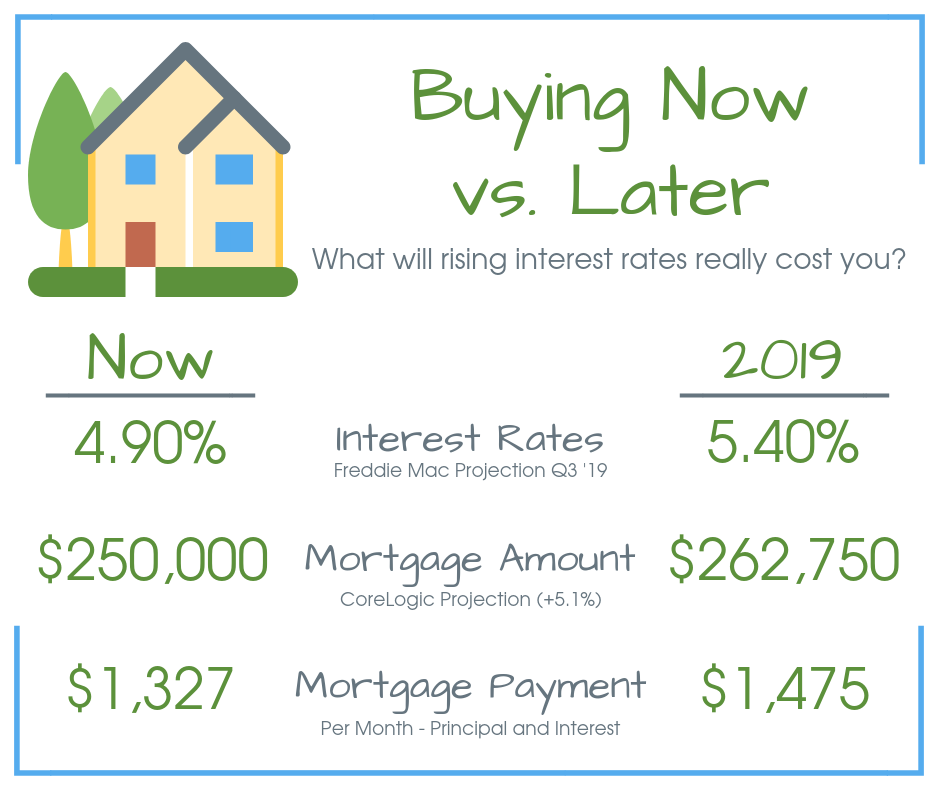
The ultimate dilemma for today’s buyer is whether to enter the market now or wait for rates to drop. This decision requires a balance of market timing and personal financial readiness.
Predicting Future Rate Movements
While no one has a crystal ball, many economists expect rates to stabilize or slightly decline as inflation reaches the Fed’s target. However, waiting for “the bottom” can be a dangerous game. If rates drop significantly, a flood of buyers may enter the market, driving home prices higher and negating any savings from the lower interest rate.
The “Refinance Later” Strategy
A popular sentiment in the current market is “Marry the house, date the rate.” This philosophy suggests that if you find the right property and can afford the monthly payment at today’s rates, you should proceed with the purchase. If rates drop in the future, you can refinance your mortgage to a lower rate. If rates continue to rise, you will be glad you locked in today’s rate. This strategy shifts the focus from timing the market to securing the asset, providing a pragmatic path forward in a complex financial environment.
In conclusion, “what the mortgage rate is now” is merely a starting point. By understanding the underlying economic drivers, choosing the right loan product, and optimizing your personal financial profile, you can navigate this challenging market with confidence. Mortgage rates are a tool—when used wisely, they serve as the foundation for long-term wealth and the security of homeownership.
aViewFromTheCave is a participant in the Amazon Services LLC Associates Program, an affiliate advertising program designed to provide a means for sites to earn advertising fees by advertising and linking to Amazon.com. Amazon, the Amazon logo, AmazonSupply, and the AmazonSupply logo are trademarks of Amazon.com, Inc. or its affiliates. As an Amazon Associate we earn affiliate commissions from qualifying purchases.