
The question of “what game is on Monday Night Football tonight” was once answered by a simple glance at a printed television guide or a physical newspaper. Today, that simple inquiry triggers a complex web of technological interactions, ranging from AI-driven search algorithms and high-speed streaming protocols to real-time data visualization. As the NFL’s flagship weekly event, Monday Night Football (MNF) has become more than just a sporting contest; it is a massive showcase for the latest advancements in broadcast technology, cloud computing, and digital distribution.
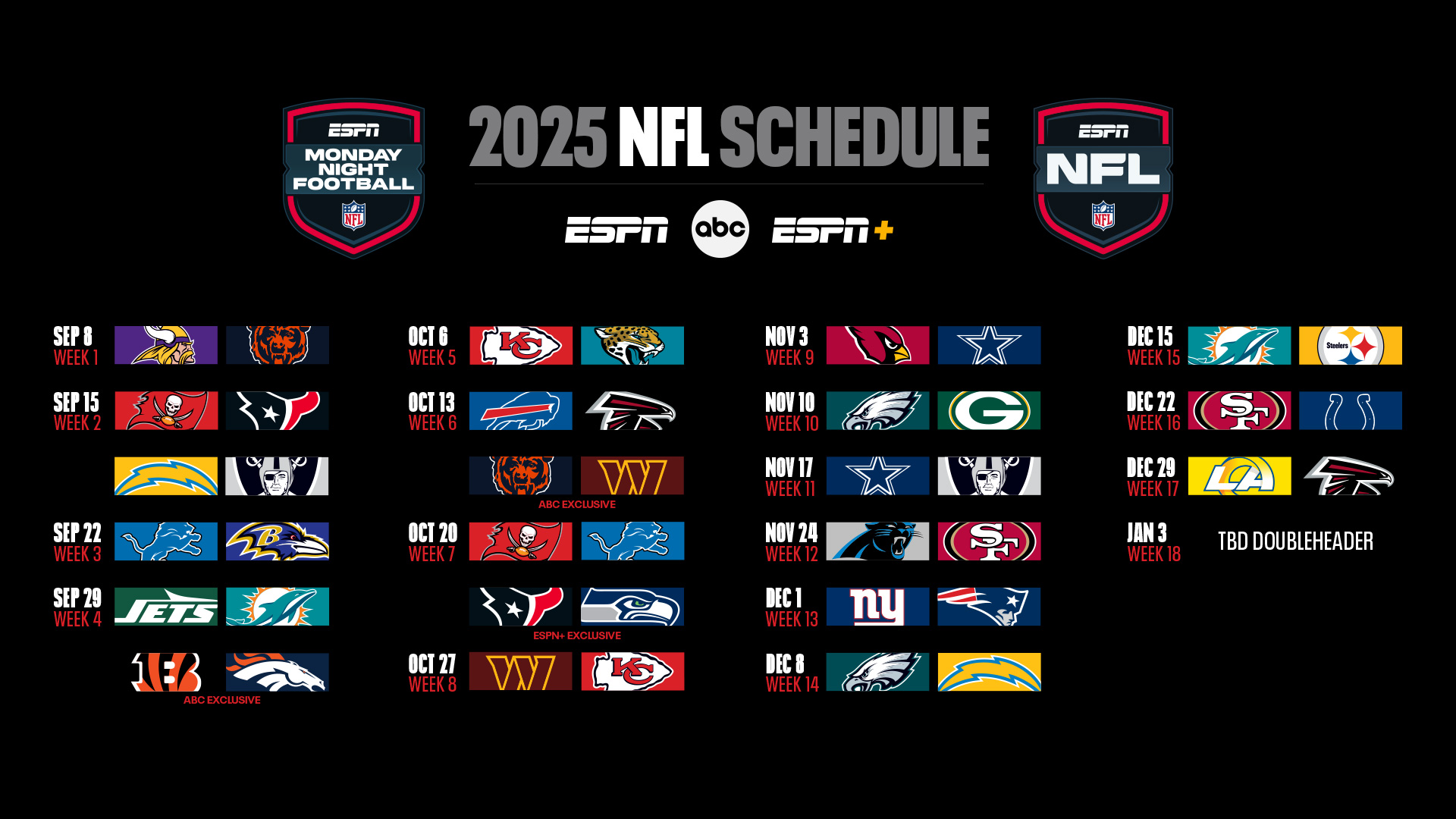
For the modern tech-savvy fan, knowing which teams are playing is only the first step. The real experience lies in the “how”—the software, hardware, and digital infrastructure that bring the gridiron to life in high definition across a multitude of devices.
The Streaming Revolution: Navigating the Multi-Platform Landscape
The transition of Monday Night Football from traditional linear broadcasting to a hybrid digital model represents one of the most significant shifts in media technology. While the game remains a staple of cable via ESPN, the underlying tech that delivers the signal to millions of simultaneous viewers has undergone a radical transformation.
From Cable to Cloud: The Infrastructure of Live Sports
The backbone of modern MNF broadcasts is no longer just satellite arrays and coaxial cables. Today, Content Delivery Networks (CDNs) play a critical role. When a user asks their smart speaker or smartphone about the game, the resulting stream is delivered through sophisticated cloud architecture. Platforms like ESPN+ and YouTube TV utilize elastic cloud computing to handle massive spikes in traffic—often referred to as the “thundering herd” problem—where millions of users log in within the same five-minute window before kickoff.
To ensure a buffer-free experience, these platforms employ Adaptive Bitrate Streaming (ABR). This technology detects a user’s bandwidth in real-time and adjusts the video quality accordingly. If your home Wi-Fi dips because someone else started a large download, the MNF stream won’t stop; it will dynamically downscale from 4K to 1080p, maintaining the flow of the game without a spinning loading icon.
Understanding Latency in Live NFL Streaming
One of the greatest technical hurdles in live sports is latency—the delay between the action on the field and the image on the viewer’s screen. In the era of social media, having a 30-second delay can result in “spoilers” via push notifications or Twitter (X) feeds.
Tech engineers are currently implementing Low-Latency HLS (HTTP Live Streaming) and DASH (Dynamic Adaptive Streaming over HTTP) protocols to close this gap. By reducing segment sizes of the video data, developers have managed to bring digital latency down to near-parity with traditional cable, ensuring that when a game-winning touchdown is scored, the digital audience hears the roar of the crowd at the same time as the analog one.
Artificial Intelligence and Real-Time Analytics: Next Gen Stats
When you watch Monday Night Football tonight, you will notice a plethora of data overlays—player speeds, catch probabilities, and route trees. This is not just television magic; it is the result of a massive integration of Internet of Things (IoT) sensors and Artificial Intelligence (AI).
How Machine Learning Predicts Player Performance
Every NFL player’s shoulder pads are equipped with two RFID (Radio Frequency Identification) tags. These sensors track position, speed, and acceleration at a rate of ten times per second. This data is fed into AWS (Amazon Web Services), which powers the “Next Gen Stats” engine.
Using Machine Learning (ML) models trained on thousands of previous plays, the system can calculate the “Completion Probability” of a pass while the ball is still in the air. For the tech-focused viewer, this adds a layer of predictive analytics that was impossible a decade ago. It transforms the game into a live data science experiment, where every movement is quantified and analyzed by neural networks in the cloud.
The Role of Computer Vision in Broadcast Officiating
Beyond player stats, computer vision—a field of AI that enables computers to derive meaningful information from digital images—is revolutionizing how the game is officiated and viewed. High-frame-rate cameras positioned around the stadium use “Hawk-Eye” technology (similar to that used in professional tennis) to track the ball’s exact position relative to the goal line and sidelines. This reduces human error and provides the broadcast team with instant, 3D-rendered replays that can determine the outcome of a game with millimeter precision.
Smart Home Integration and Gadgets for the Ultimate MNF Setup

Finding out what game is on is the catalyst for activating a complex ecosystem of smart home technology. For many enthusiasts, the “Monday Night Football experience” is a curated technological environment designed for maximum immersion.
4K HDR and the Future of Display Technology
While many broadcasts are still produced in 1080p and upscaled, the push toward native 4K and High Dynamic Range (HDR) is the current frontier for MNF. HDR10 and Dolby Vision technologies allow for a wider color gamut and higher contrast ratios, making the green of the turf and the bright stadium lights pop with hyper-realism.
For the tech consumer, the choice of panel—OLED vs. QLED—becomes paramount. OLED (Organic Light Emitting Diode) technology is particularly favored for sports due to its near-instantaneous response time, which eliminates the motion blur often seen in fast-moving football plays.
Enhancing the Atmosphere with IoT and Smart Lighting
The integration of the “Second Screen” and IoT (Internet of Things) devices has changed the living room. Smart lighting systems, such as Philips Hue, can now be synced with the game. Using third-party apps or HDMI sync boxes, the lights in a fan’s home can flash the colors of their favorite team when a touchdown is scored or dim automatically when the game begins. This creates a reactive environment where the hardware in the room responds to the software of the broadcast.
Mobile Apps and the Second-Screen Experience
The question “what game is on Monday Night Football tonight” is frequently typed into a mobile device, and that device remains in the fan’s hand throughout the duration of the event. The “second-screen experience” is a vital component of the modern tech stack in sports.
Interactive Apps and Real-Time Social Integration
Official league apps and fantasy football platforms operate on highly scalable APIs (Application Programming Interfaces). These APIs push live scoring updates and player news to millions of devices simultaneously. The engineering feat here is the synchronization; the fantasy app must update the moment a player gains a yard, requiring a high-throughput, low-latency data pipeline from the stadium to the app’s backend.
Furthermore, social integration through SDKs (Software Development Kits) allows fans to share highlights instantly. The “instant highlight” feature is powered by automated video clipping software that uses AI to identify key moments in a broadcast, clip them, and format them for vertical viewing on mobile devices within seconds of the live event.
The Impact of Augmented Reality (AR) on the Sideline
Augmented Reality is beginning to seep into the MNF experience through mobile applications. Some apps now allow fans to point their phone at the TV screen to see advanced overlays—such as player names, current fatigue levels, and historical stats—projected over the live broadcast. This spatial computing approach provides a customized viewing experience where the user chooses which data layers they want to see, effectively becoming their own broadcast director.
Cybersecurity and Digital Safety During Global Sporting Events
As Monday Night Football moves further into the digital realm, it becomes a target for various cyber threats. For the end-user, understanding the tech also means understanding how to stay secure while accessing the game.
Protecting Your Network from Malicious Streaming Links
The high demand for “free” ways to see what game is on can lead unsuspecting users to “pirate” streaming sites. These sites are often hubs for malware, phishing scripts, and drive-by downloads. From a digital security perspective, using official apps and authenticated streaming services is the first line of defense. These platforms use DRM (Digital Rights Management) and encrypted tokens to ensure that the stream is secure and that the user’s data is protected.
VPNs and Geo-Restriction Management
For the tech-savvy traveler or expat, Virtual Private Networks (VPNs) are essential tools for accessing MNF. However, streaming giants have engaged in a technological “arms race” with VPN providers. They use sophisticated IP-reputation databases to block known VPN exit nodes. Users must now rely on obfuscated servers and WireGuard protocols to maintain privacy and bypass geo-blocks, highlighting the ongoing tension between content licensing software and user-driven privacy tools.
Conclusion: The Convergence of Sport and Silicon
The next time you search for what game is on Monday Night Football tonight, consider the vast technological apparatus that springs into action to provide that answer. From the RFID chips in a linebacker’s pads to the ABR algorithms ensuring your stream doesn’t lag, the NFL has transformed into a high-tech enterprise.
We are no longer just watching a game of football; we are participating in a massive, distributed digital event. The intersection of AI, 5G connectivity, and cloud infrastructure has ensured that Monday Night Football remains at the cutting edge of the tech world, proving that the future of sports is as much about bits and bytes as it is about touchdowns and tackles.
aViewFromTheCave is a participant in the Amazon Services LLC Associates Program, an affiliate advertising program designed to provide a means for sites to earn advertising fees by advertising and linking to Amazon.com. Amazon, the Amazon logo, AmazonSupply, and the AmazonSupply logo are trademarks of Amazon.com, Inc. or its affiliates. As an Amazon Associate we earn affiliate commissions from qualifying purchases.