
In the era of the quantified self, a fever is no longer just a physical sensation of heat or a static number on a mercury-free glass tube. For the modern adult, determining what fever temperature is dangerous has transitioned from a subjective feeling to a data-driven diagnostic event. As technology permeates every facet of our biological monitoring, the definition of “dangerous” is being rewritten by high-precision sensors, artificial intelligence, and remote monitoring ecosystems.
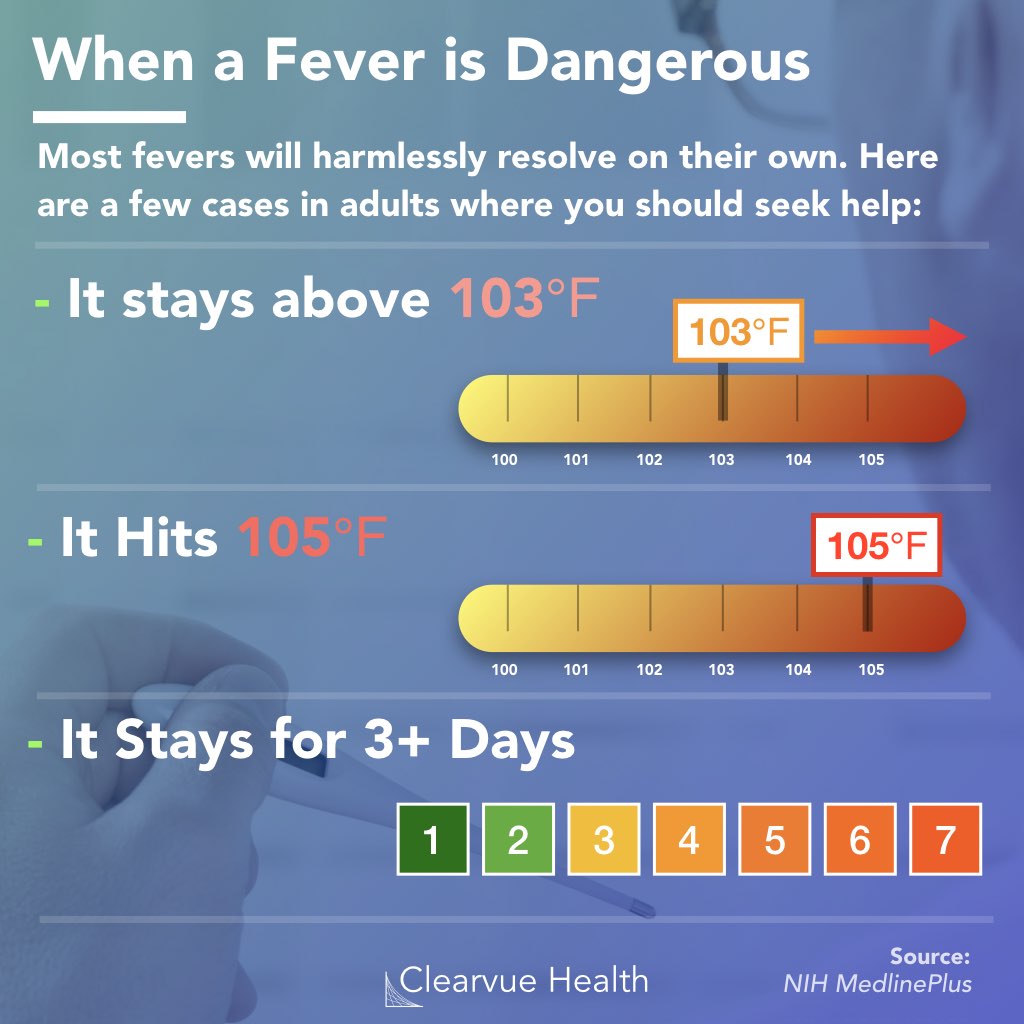
Traditionally, the medical community has cited 103°F (39.4°C) as the threshold where an adult should seek medical attention, and 105°F (40.5°C) as a critical emergency. However, through the lens of modern technology, these numbers are just the baseline. Today’s health-tech landscape allows us to look deeper into the “fever curve,” analyzing not just the peak temperature but the velocity of the rise, the duration of the spike, and the physiological context provided by integrated wearable devices.
The Evolution of Thermal Monitoring: From Mercury to Wearables
The hardware used to detect a dangerous fever has undergone a radical transformation. We have moved far beyond the wait-and-see approach of under-the-tongue digital sticks. The current market is dominated by sophisticated sensors that offer unprecedented accuracy and convenience, changing how adults interact with their own biological data.
The Precision of Modern Digital Sensors
In the professional tech space, the focus has shifted toward medical-grade infrared (IR) sensors and high-accuracy thermistors. Unlike older models, modern non-contact infrared thermometers utilize advanced optical arrays to capture thermal radiation from the temporal artery. This technology minimizes human error—such as improper placement or mouth-breathing—which often leads to false readings. For an adult wondering if their 102°F reading is accurate, the hardware’s “distance-to-spot” ratio and sensor calibration are the technological safeguards that prevent unnecessary panic or dangerous negligence.
Continuous Monitoring vs. Spot Checks
The most significant tech trend in fever management is the move toward continuous monitoring. Devices like the Oura Ring, Whoop, and specialized skin patches (such as the TempTraq) utilize clinical-grade sensors to track body temperature 24/7. This shift is crucial because a single “spot check” might miss the peak of a dangerous fever. Continuous monitoring allows for the detection of “nocturnal spikes,” where temperature may reach dangerous levels while the adult is asleep. By viewing temperature as a continuous stream of data rather than a snapshot, tech-enabled users can identify trends before they reach a critical 104°F threshold.
AI and Predictive Analytics: Identifying the “Danger Zone”
The true power of modern health tech lies not just in the hardware that collects data, but in the software that interprets it. Artificial Intelligence (AI) and machine learning models are now being used to personalize the definition of a “dangerous” fever, moving away from a one-size-fits-all temperature reading.
Algorithmic Diagnosis of Febrile Patterns
Not all fevers are created equal. An AI-driven health app can distinguish between a “fast-attack” fever and a slow-burning low-grade fever. By analyzing thousands of data points, these algorithms can predict whether a temperature of 101.5°F is likely to plateau or if it is on a trajectory toward a dangerous 105°F. These predictive analytics use “velocity tracking”—measuring how many degrees the body temperature rises per hour—to provide early warning alerts to users, often hours before the physical symptoms become debilitating.
Personalizing Thresholds with Big Data
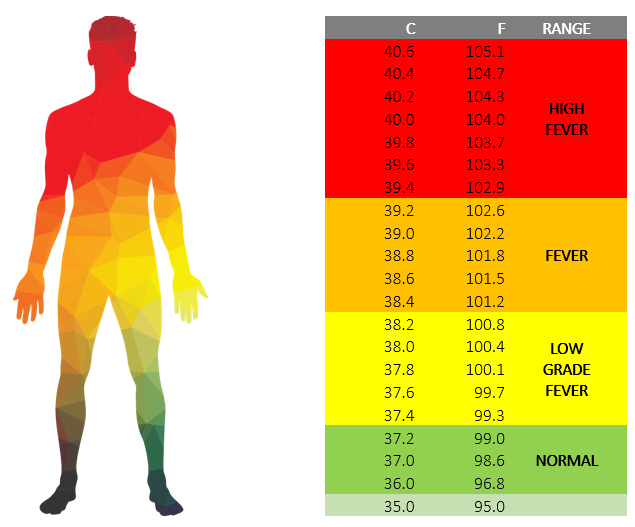
Every adult has a unique “basal body temperature.” While 98.6°F is the historical average, many individuals naturally run at 97.9°F or 99.0°F. Tech platforms like Apple Health and Google Fit aggregate months of baseline data to establish a user’s “normal.” For someone with a low baseline, a 102°F fever might be more dangerous and indicative of severe infection than for someone with a higher baseline. Machine learning models utilize this historical context to trigger “High Temperature” alerts that are personalized to the individual’s biology, providing a more nuanced view of what constitutes a “dangerous” state.
The Ecosystem of Remote Patient Monitoring (RPM)
The question of “what fever temp is dangerous” is often followed by “when should I call the doctor?” Technology has bridged this gap through Remote Patient Monitoring (RPM) and integrated telehealth ecosystems, ensuring that dangerous temperatures are caught by professionals in real-time.
Cloud-Integrated Health Hubs
The modern home is becoming a satellite clinic. Smart thermometers now sync via Bluetooth or Wi-Fi to cloud-based health hubs. When an adult registers a temperature above a pre-set safety threshold (e.g., 103.5°F), the data can be automatically pushed to a healthcare provider’s dashboard. This ecosystem removes the burden of decision-making from the patient. Instead of the adult having to decide if their fever is “dangerous enough” to warrant a hospital visit, the technology facilitates an automated triaging process, where a nurse or AI bot can review the data and reach out to the patient.
The Role of Telemedicine in Acute Care
Telemedicine platforms have integrated with home diagnostic tools to provide immediate intervention. If an adult’s wearable detects a rapid spike in temperature accompanied by an increased heart rate (tachycardia)—another metric easily tracked by tech—the software can prompt an immediate video consultation. This “closed-loop” system ensures that dangerous fevers are managed with pharmaceutical or clinical intervention before they lead to complications like dehydration or febrile seizures, which, while rare in adults, remain a risk at extreme temperatures.
Security and Privacy in Personal Health Data
As we rely more on technology to monitor dangerous fever temperatures, the security of that biological data becomes a paramount concern. The transition of a fever reading from a private thought to a digital packet involves significant tech infrastructure and security protocols.
Protecting Biometric Temperature Data
Body temperature is a biometric identifier. In the wrong hands, fluctuations in body temperature can reveal sensitive information, such as ovulation cycles, chronic illness flare-ups, or even early signs of infectious disease outbreaks. Tech companies in the health space are now prioritizing end-to-end encryption for thermal data. When your smart thermometer sends a “104°F Alert” to your phone, that data must be protected under frameworks like HIPAA (in the US) or GDPR (in Europe). The “Tech” behind the fever is therefore as much about cybersecurity as it is about biology.
The Future of Interoperability in Health Tech
The next frontier for fever-tracking tech is interoperability—the ability for different apps and devices to talk to one another. If a “dangerous” fever is detected by a smart bed sensor, it should ideally communicate with the smart thermostat to lower the room temperature and alert the user’s smartphone. The development of unified standards (like the Matter protocol for smart homes) is beginning to encompass health devices, creating a holistic environment where the technology actively works to mitigate the fever while simultaneously monitoring its severity.
Conclusion: The New Standard of Febrile Intelligence
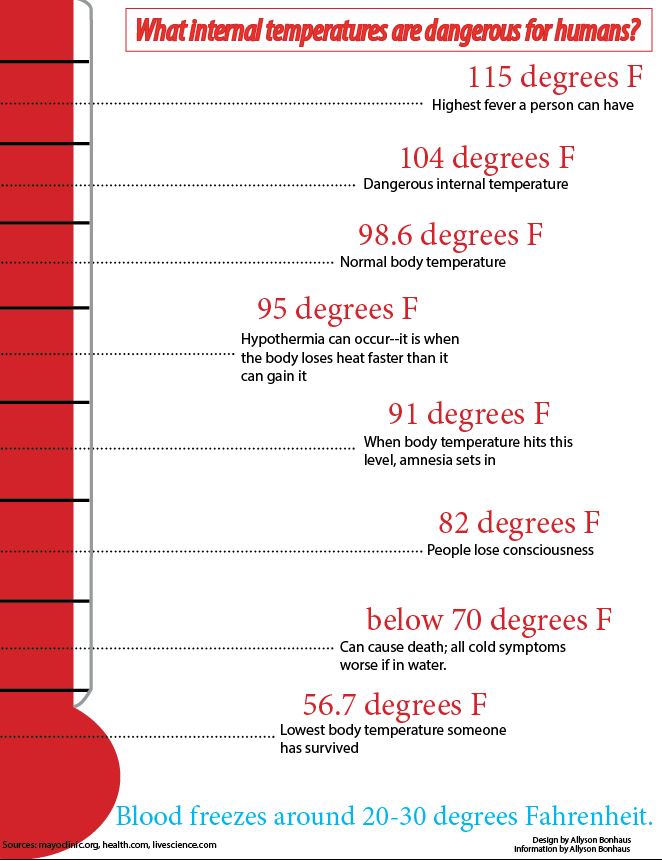
In the modern landscape, identifying what fever temperature is dangerous for adults is an exercise in data synthesis. While the clinical markers of 103°F and 105°F remain the gold standard for emergency intervention, technology has provided us with the tools to be proactive rather than reactive.
Through the integration of high-precision sensors, AI-driven predictive modeling, and robust remote monitoring ecosystems, we are no longer at the mercy of a silent rise in body heat. The “dangerous” fever of the future is one that is caught by an algorithm before the patient even feels the first chill. By leveraging these technological advancements, adults can navigate illness with a level of insight and security that was once reserved for the intensive care unit, turning the humble thermometer into a powerful gateway for digital health.
aViewFromTheCave is a participant in the Amazon Services LLC Associates Program, an affiliate advertising program designed to provide a means for sites to earn advertising fees by advertising and linking to Amazon.com. Amazon, the Amazon logo, AmazonSupply, and the AmazonSupply logo are trademarks of Amazon.com, Inc. or its affiliates. As an Amazon Associate we earn affiliate commissions from qualifying purchases.