
For fans of Eiichiro Oda’s monumental pirate saga, One Piece, the journey to becoming King of the Pirates is an epic one. However, this epic journey is punctuated by a significant number of “filler” episodes – content not present in the original manga. While these episodes are often created to give the animators time to work ahead of the manga’s release, their inclusion can lead to a fragmented viewing experience for those seeking to follow the core narrative. This article delves into the concept of filler in One Piece, offering insights into why it exists, how to identify it, and strategies for viewers to navigate these non-canonical arcs for a more streamlined and rewarding anime experience.

Understanding the Necessity of Filler in Anime Production
The creation of an anime adaptation is a complex logistical and creative undertaking. When a manga series achieves the immense popularity and longevity of One Piece, its anime counterpart faces a unique challenge: maintaining a consistent release schedule without outpacing the source material. This is where filler episodes become a crucial, albeit sometimes debated, component of the production pipeline.
The Production Demands of a Weekly Anime
Anime series are typically produced on a weekly basis to coincide with broadcast schedules. This rapid production cycle requires a constant stream of animated content. The manga, on the other hand, is released on a weekly or bi-weekly basis, meaning the manga’s story progresses at a pace that can quickly catch up to the anime. If the anime were to adapt manga chapters week after week without interruption, it would soon exhaust the available material, forcing a hiatus or a premature conclusion.
Bridging the Gap: Filler as a Strategic Tool
Filler arcs serve as a vital buffer, allowing the animation studio time to accumulate a backlog of manga chapters. This buffer ensures that the anime can continue its weekly broadcast without the risk of running out of canon material. Beyond this practical necessity, filler can also be an opportunity for studios to explore original storylines, flesh out side characters, or provide a change of pace from the main narrative. While their canonical status is debatable, these episodes are woven into the fabric of the anime’s broadcast history.
Creative Opportunities and Fan Reception
While filler is primarily a production tool, it can also offer creative avenues. Studios might introduce new characters, explore different comedic scenarios, or even hint at future plot points (though these are rarely integrated into the manga’s canon). However, fan reception to filler is often mixed. Dedicated fans, eager to consume the core narrative and witness the Straw Hat Pirates’ adventures as envisioned by Oda, can find filler arcs to be frustrating detours. Others appreciate the added content, viewing it as more One Piece regardless of its canonical standing, and sometimes find enjoyment in the original stories presented. Understanding the purpose behind filler is the first step to appreciating its role, even if one chooses to skip it.
Strategies for Identifying and Navigating Filler Episodes
For viewers who wish to prioritize the manga-driven storyline and avoid potentially tangential plotlines, identifying filler episodes is essential. Fortunately, a wealth of information and community-driven resources exist to help fans distinguish between canon and non-canon content.
The Role of Community-Sourced Lists and Guides
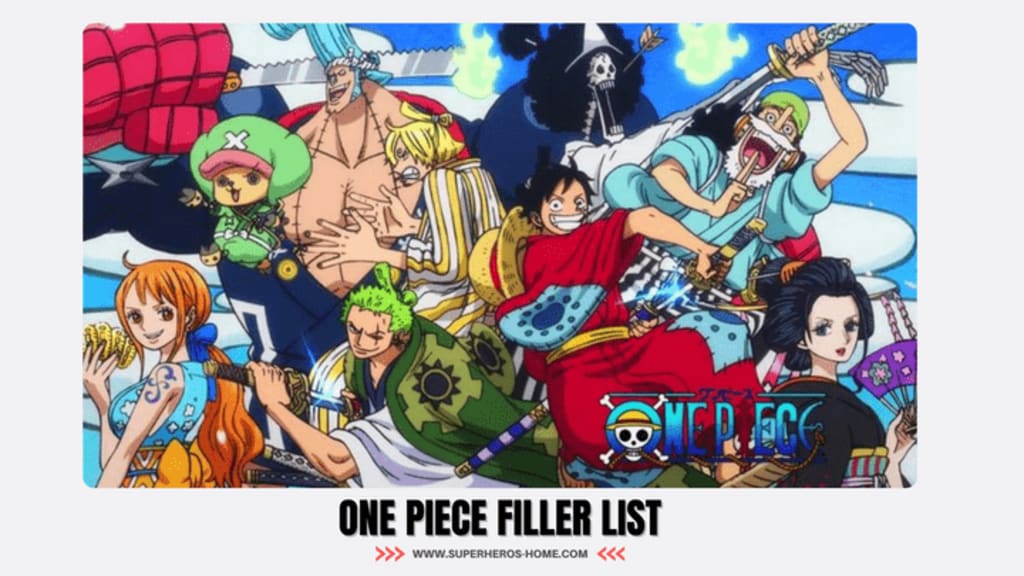
The dedicated One Piece fanbase has meticulously documented every episode of the anime. Online databases, wikis, and fan forums are replete with comprehensive lists that categorize episodes as either canon or filler. These lists are typically curated by experienced fans who have cross-referenced the anime with the manga, noting any storylines or events that do not originate from Oda’s original work. These resources are invaluable for viewers who want a quick and easy way to determine which episodes to watch or skip.
Recognizing Common Filler Tropes
While definitive lists are the most reliable method, some common patterns can help viewers intuitively identify potential filler. These often include:
- Standalone Island Arcs: Episodes or short arcs that take the Straw Hat Pirates to a new, seemingly isolated island with a unique problem that doesn’t directly contribute to the overarching plot of reaching the Grand Line or finding the One Piece.
- Character Focus Episodes: Episodes that primarily focus on the backstory or a personal quest of a single Straw Hat member, especially if this doesn’t align with their established development in the manga.
- Rival Straw Hat Crew Arcs: Sometimes, filler arcs introduce rival pirate crews or organizations that are not present in the manga, often designed to test the Straw Hats in ways that don’t advance the main narrative.
- Revenge Plots or Side Quests: Any major plotline that feels disconnected from the immediate goal of sailing the Grand Line or confronting major antagonists usually indicates filler.
It’s important to note that not all episodes that seem like side stories are filler; some canon arcs can have slower pacing or focus on character interactions that might feel tangential but are ultimately crucial to the narrative. However, when an entire arc deviates significantly from the manga’s progression, it is almost certainly filler.
Utilizing Filler Guides for a Streamlined Viewing Experience
The most effective way to navigate filler is to use a reputable filler guide. These guides often provide a list of episode numbers and brief descriptions, clearly marking which are filler and which are canon. Some guides even offer “recaps” or “cut-out” versions of filler arcs, suggesting which episodes can be skipped entirely or watched in abridged form if one wishes to catch any minor character introductions that might have been retained by the anime. For viewers on a tight schedule or those who want to reach the most significant plot points quickly, these guides are indispensable tools.
The Impact of Filler on the Overall One Piece Narrative
While filler episodes are a pragmatic necessity for anime production, their presence can have a tangible impact on a viewer’s experience and their perception of the One Piece narrative. Understanding these impacts can help viewers make informed decisions about their viewing strategy.
Maintaining Narrative Momentum and Pacing
One of the primary criticisms of filler is its potential to disrupt the narrative momentum of the main story. The One Piece manga is renowned for its intricate plot development, foreshadowing, and consistent pacing as the Straw Hats journey through increasingly dangerous seas and confront formidable foes. Filler arcs, by their nature, are often inserted at points where the anime is close to the manga’s current release. This can lead to abrupt shifts in tone, power levels, and overarching stakes. Viewers who diligently watch every episode might find themselves experiencing significant narrative lulls between crucial canon arcs, potentially diminishing the impact of the main story’s progression.
Character Development and World-Building Through Canon
The strength of One Piece lies not only in its grand adventure but also in its deep character development and meticulous world-building. Oda dedicates considerable effort to establishing the backstories, motivations, and growth of his characters, as well as the intricate political and geographical landscape of the world. Canon episodes are where these elements are most effectively explored and integrated. Filler, while sometimes offering original character interactions, rarely contributes to the core character arcs of the Straw Hat Pirates in a meaningful, lasting way, nor does it significantly expand the established lore of the world in a way that impacts the main narrative. For those who value the nuanced development of the characters and the rich tapestry of the One Piece world, focusing on canon content ensures a more concentrated and impactful experience.
The Debate Over “Essential” Filler
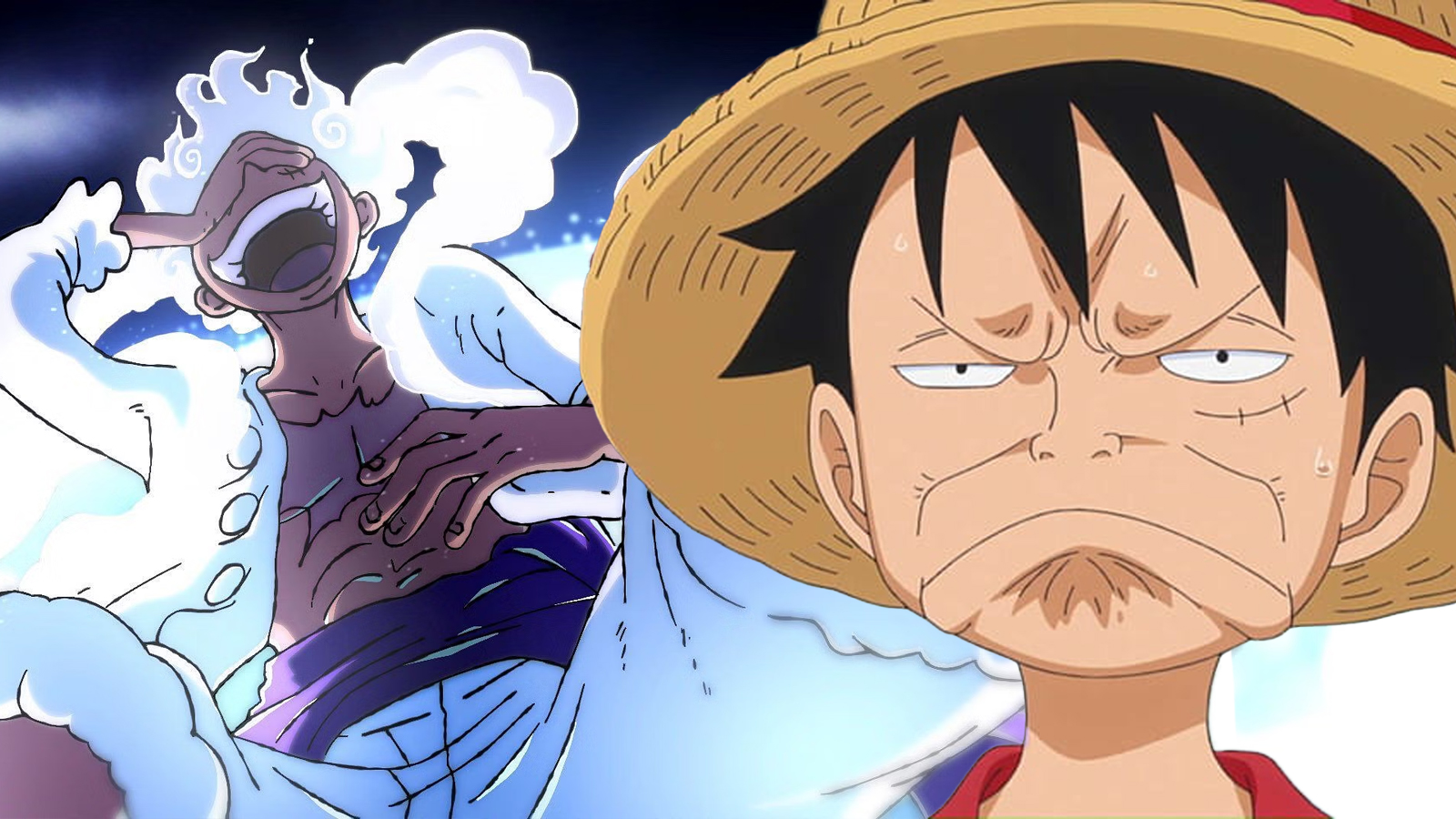
Despite the general consensus on the nature of filler, there is occasional debate within the fanbase about whether certain filler arcs or episodes contain elements that are, in some way, “essential” or at least enjoyable. Some filler arcs introduce characters or concepts that are later referenced in minor ways in the canon, or they provide excellent comedic relief or showcase unique animation. However, these instances are rare, and the vast majority of filler can be skipped without missing any crucial plot points or character developments that are integral to the overarching saga. The decision to watch or skip filler ultimately comes down to individual preference and viewing goals. For those prioritizing the original narrative and a more efficient viewing experience, a well-researched filler guide remains the most practical solution.
In conclusion, the existence of filler episodes in One Piece is a byproduct of the anime adaptation process, designed to ensure a continuous broadcast. While they may offer some original content and creative departures, their impact on narrative momentum and character development is often debated. By understanding the purpose of filler and utilizing community resources, viewers can effectively navigate these episodes, ensuring a more focused and satisfying journey through the incredible world of One Piece. Whether one chooses to meticulously follow every episode or strategically skip filler, the adventure of the Straw Hat Pirates remains an unparalleled experience.
aViewFromTheCave is a participant in the Amazon Services LLC Associates Program, an affiliate advertising program designed to provide a means for sites to earn advertising fees by advertising and linking to Amazon.com. Amazon, the Amazon logo, AmazonSupply, and the AmazonSupply logo are trademarks of Amazon.com, Inc. or its affiliates. As an Amazon Associate we earn affiliate commissions from qualifying purchases.