
The television landscape is no longer just about storytelling; it is a high-stakes arena of brand management, audience retention, and intellectual property (IP) expansion. When fans ask, “What episode does Yellowstone Part 2 start with?” they are seeking a simple chronological answer: Season 5, Episode 9. However, from a brand strategy perspective, that single episode represents one of the most complex and fascinating case studies in modern media history.
The return of Yellowstone for its final installments is more than just a continuation of the Dutton family saga. it is the culmination of a decade-long branding masterclass led by Taylor Sheridan and Paramount Global. The decision to split Season 5 into two distinct parts—separated by an unprecedented hiatus—was a move dictated by production hurdles, but it ultimately served to test the resilience of the Yellowstone brand identity.

Decoding the Mid-Season Divide: The Strategy Behind the Part 2 Launch
The transition from Episode 8 to Episode 9 is not merely a narrative gap; it is a strategic chasm that defines how modern franchises maintain brand equity during periods of turbulence. When Yellowstone Season 5, Part 1 concluded, the brand was at its zenith. However, the lengthy delay before Part 2 began forced the brand to pivot from “active content provider” to “legacy protector.”
The Episode Nine Shift
Season 5, Episode 9 serves as the “re-pilot” for the series. In branding terms, this is a “relaunch.” After a nearly two-year hiatus caused by industry strikes and internal lead-actor disputes, the brand had to remind the audience of its core values: rugged individualism, familial loyalty, and the preservation of heritage. By starting Part 2 with Episode 9, the showrunners had to perform a delicate balancing act—honoring the narrative momentum established in the first eight episodes while recalibrating the brand for a future that might not include its primary face, Kevin Costner.
Building Anticipation through Fragmentation
The “Part 2” designation is a powerful marketing tool. In the era of “peak TV,” attention is the most valuable currency. By splitting the season, Paramount successfully extended the Yellowstone news cycle. Instead of a single promotional window, the brand benefited from two massive launch campaigns. This fragmentation allowed for “long-tail” engagement, keeping the Yellowstone name in headlines, social media trends, and award season discussions for double the duration of a standard season.
Taylor Sheridan and the Architecture of Personal Branding
To understand the branding of Yellowstone, one must look at the man behind the curtain. Taylor Sheridan has transitioned from a character actor to one of the most powerful brand names in Hollywood. His personal brand—built on authenticity, a “no-nonsense” work ethic, and a deep connection to the American West—is inextricably linked to the success of the series.
From Actor to Auteur
Sheridan’s brand is built on the concept of the “Auteur.” Much like a luxury fashion house is defined by its creative director, Yellowstone is defined by Sheridan’s singular vision. This “creator-led” branding ensures consistency across various touchpoints. Fans don’t just watch Yellowstone; they watch a “Taylor Sheridan Production.” This distinction is vital for brand loyalty, as it encourages viewers to follow the creator to other projects, such as Mayor of Kingstown or Tulsa King.
The “Sheridan-Verse” as a Corporate Asset
The launch of Season 5, Part 2 is a cornerstone of the broader “Sheridan-Verse” brand strategy. By using Yellowstone as the flagship, Paramount has built a fleet of spin-offs (1883, 1923, and the upcoming 6666). Starting Part 2 with Episode 9 wasn’t just about finishing a story; it was about providing a platform to cross-promote these other brand extensions. The brand strategy here is one of “ecosystem lock-in,” where the consumer is so invested in the Dutton family history that they must subscribe to the streaming platforms and watch the prequels to get the full brand experience.
Yellowstone as a Cultural Identity Brand
Most television shows are products; Yellowstone is a lifestyle. The brand has transcended the screen to influence fashion, tourism, and even political discourse. This level of brand penetration is rare and reflects a deep understanding of the target demographic’s values.
The Modern Western Aesthetic
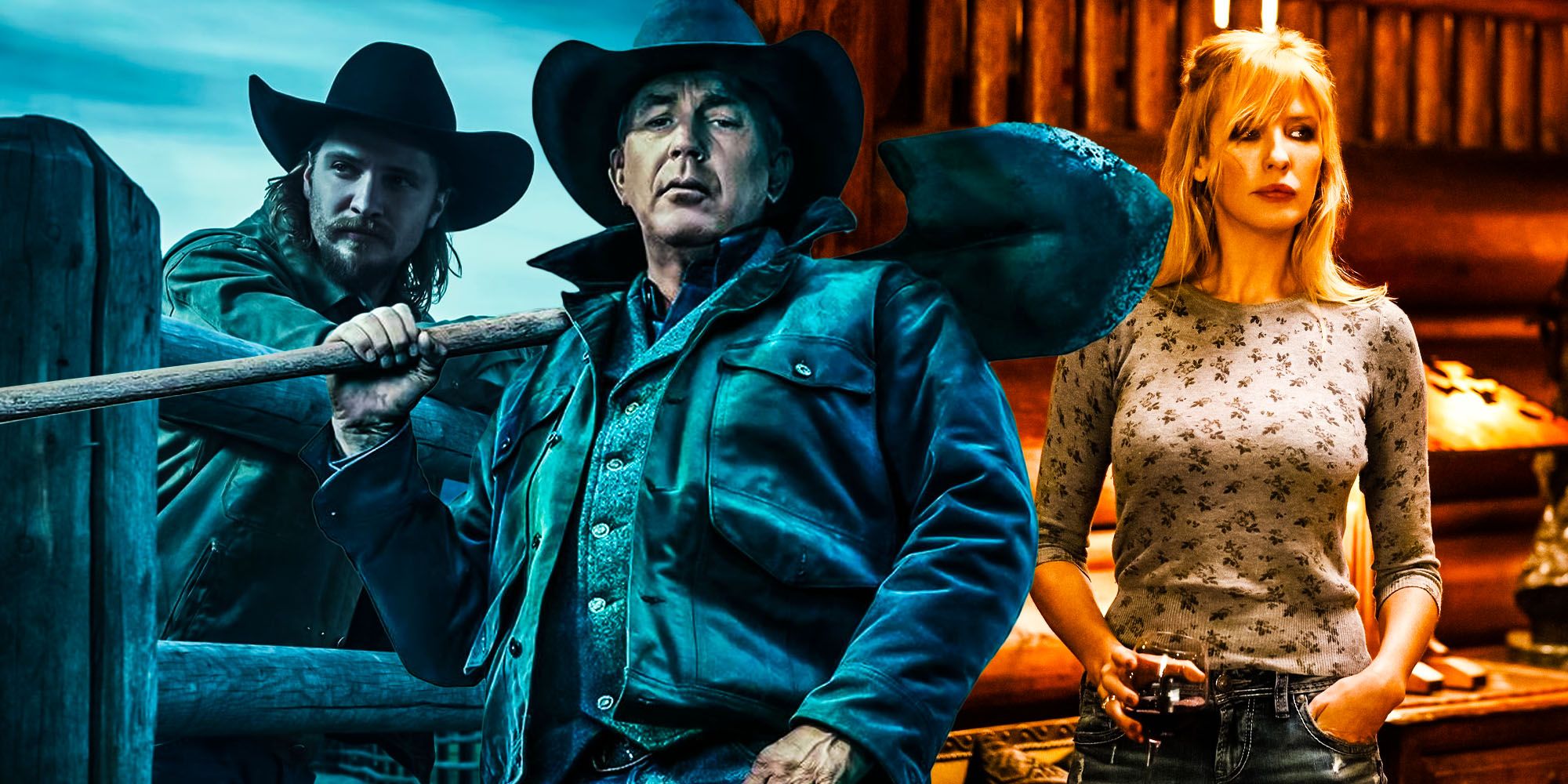
The visual branding of Yellowstone—the Carhartt jackets, the Stetson hats, the sweeping vistas of the Bitterroot Valley—has created a “Neo-Western” aesthetic that has been co-opted by major retailers. This is a classic example of “lifestyle branding,” where the product represents a version of the consumer’s aspirational self. When viewers tune in for Episode 9, they aren’t just looking for plot points; they are re-engaging with an aesthetic brand that celebrates “cowboy ethics.”
Monetizing the “Dutton Ranch” Lifestyle
The brand strategy extends into physical products and experiences. From officially licensed bourbon to “Yellowstone” branded ranch wear, the IP has been meticulously monetized. The hiatus between Part 1 and Part 2 allowed for these secondary brand markets to mature. By the time Part 2 started, the “Yellowstone” brand was no longer dependent solely on television ratings; it had become a diversified commercial entity. This diversification provides a safety net for the brand, ensuring that even if a season is delayed, the revenue streams remain active.
Managing Crisis: The Brand Impact of the Costner Departure
Every major brand faces a crisis, and for Yellowstone, that crisis was the public exit of its lead star, Kevin Costner (John Dutton). The brand strategy surrounding Season 5, Part 2 had to pivot from “The John Dutton Story” to “The Legacy of the Ranch.”
Protecting Brand Equity Without the Lead Star
In branding, the “face” of the company is often seen as its greatest asset and its greatest liability. When a CEO leaves a major corporation, the stock price may dip, but the brand survives if its core values are strong. Yellowstone is currently undergoing this corporate-style transition. By focusing on the ensemble cast and the overarching theme of the land, the brand is attempting to prove that it is bigger than any single individual. Episode 9 serves as the litmus test for this theory: Can the Yellowstone brand survive the loss of its most recognizable ambassador?
The Future of the Franchise Post-Season 5
The conclusion of Season 5 is not the end of the brand; it is a “brand evolution.” Plans are already in place for sequels and continuations that carry the Yellowstone name but move beyond the current cast. This is a common strategy in legacy branding—think of how the Star Wars or Marvel brands operate. They are no longer tied to one specific timeline or set of characters. By successfully navigating the transition into Part 2, the stewards of the Yellowstone brand are setting the stage for decades of future IP exploitation.

Conclusion: The Endurance of the Dutton Name
As Season 5, Part 2 commences with Episode 9, it carries the weight of a multi-billion-dollar media empire. The answer to “What episode does it start with?” is simple, but the implications are vast. Through masterful personal branding, the creation of a cultural aesthetic, and savvy crisis management, Yellowstone has secured its place as a cornerstone of modern American branding.
The show demonstrates that in the digital age, a “brand” is a living, breathing entity that must adapt to production delays, talent departures, and changing consumer habits. Whether the Dutton family keeps their ranch or not, the Yellowstone brand has already conquered the most important territory of all: the collective consciousness of the global audience. As we move forward from Episode 9, the focus shifts from the survival of the characters to the immortality of the brand itself. Taylor Sheridan hasn’t just written a TV show; he has authored a blueprint for how a modern media brand can achieve legendary status through consistency, grit, and an unwavering commitment to its core identity.
aViewFromTheCave is a participant in the Amazon Services LLC Associates Program, an affiliate advertising program designed to provide a means for sites to earn advertising fees by advertising and linking to Amazon.com. Amazon, the Amazon logo, AmazonSupply, and the AmazonSupply logo are trademarks of Amazon.com, Inc. or its affiliates. As an Amazon Associate we earn affiliate commissions from qualifying purchases.