
For any prospective homebuyer or homeowner looking to refinance, the question “What’s the current mortgage rate?” is more than just a matter of curiosity—it is a critical financial data point that dictates the feasibility of the American Dream. In the current economic climate, mortgage rates have become a central character in the narrative of personal finance, shifting significantly from the historic lows of the early 2020s to the more volatile, elevated levels seen today.
Understanding the current mortgage rate requires looking beyond a single percentage point. It involves analyzing macroeconomic trends, personal financial health, and the diverse array of loan products available in the marketplace. This guide provides an in-depth exploration of how mortgage rates are determined, what they mean for your wallet, and how you can position yourself to secure the best possible terms in an unpredictable market.
Understanding the Landscape of Current Mortgage Rates
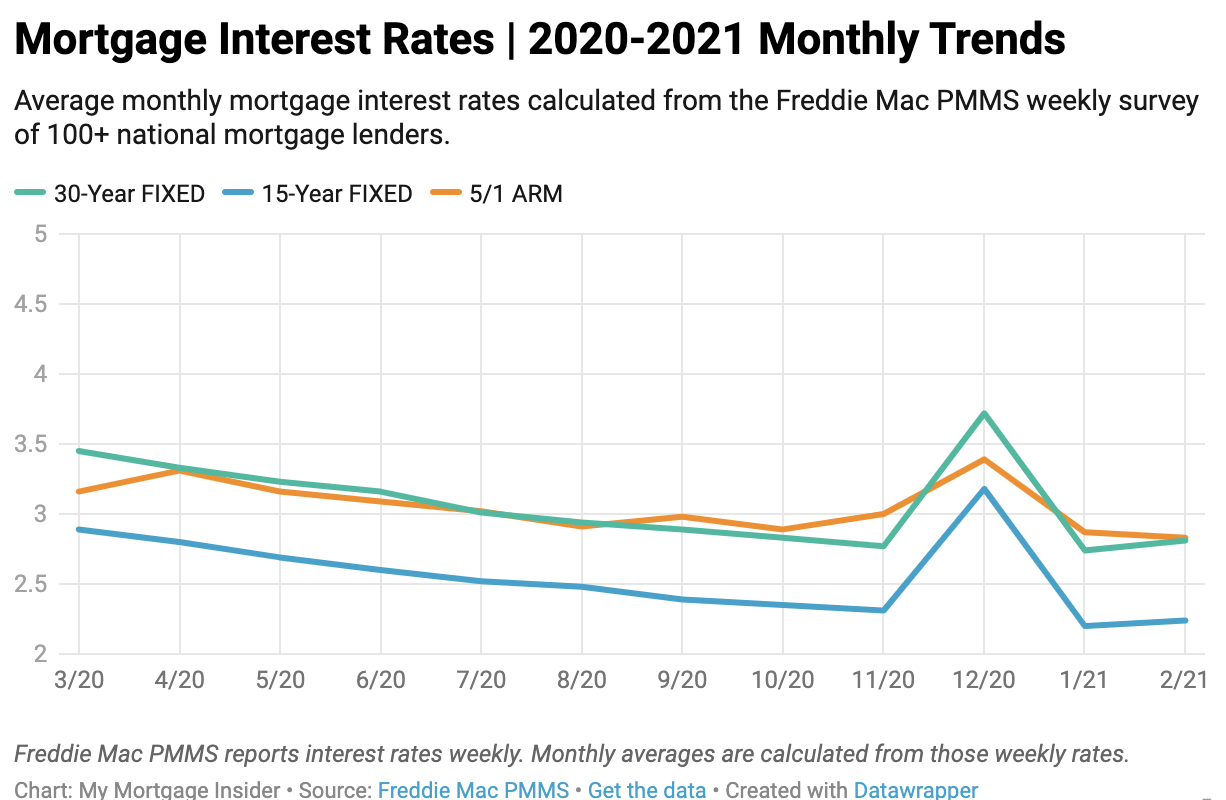
To answer “what’s the current mortgage rate,” one must first acknowledge that there is no single “universal” rate. Rates fluctuate daily, influenced by a complex interplay of global and domestic economic forces. When you see a rate quoted in the news, it is typically an average for a 30-year fixed-rate mortgage for a borrower with an “ideal” financial profile.
The Macroeconomic Factors Influencing Today’s Rates
Mortgage rates are primarily influenced by the bond market, specifically the 10-year Treasury note yield. While the Federal Reserve does not set mortgage rates directly, its monetary policy—particularly the federal funds rate—creates a ripple effect. When the Fed raises interest rates to combat inflation, the cost of borrowing increases across the board.
In recent years, we have seen mortgage rates climb as the Federal Reserve moved to cool an overheated economy. Inflation is the primary enemy of mortgage rates; because mortgages are long-term fixed-income assets, inflation erodes the value of the interest lenders receive over time. Consequently, when inflation expectations are high, lenders demand higher interest rates to compensate for that loss of purchasing power.
How the Federal Reserve Impacts Your Monthly Payment
The relationship between the Fed and your mortgage is one of sentiment and supply. When the Fed signals a “hawkish” stance (maintaining higher rates to fight inflation), mortgage lenders price in that risk, leading to higher consumer rates. Conversely, when the economy slows and the Fed pivots toward a “dovish” stance (lowering rates to stimulate growth), mortgage rates often begin to soften.
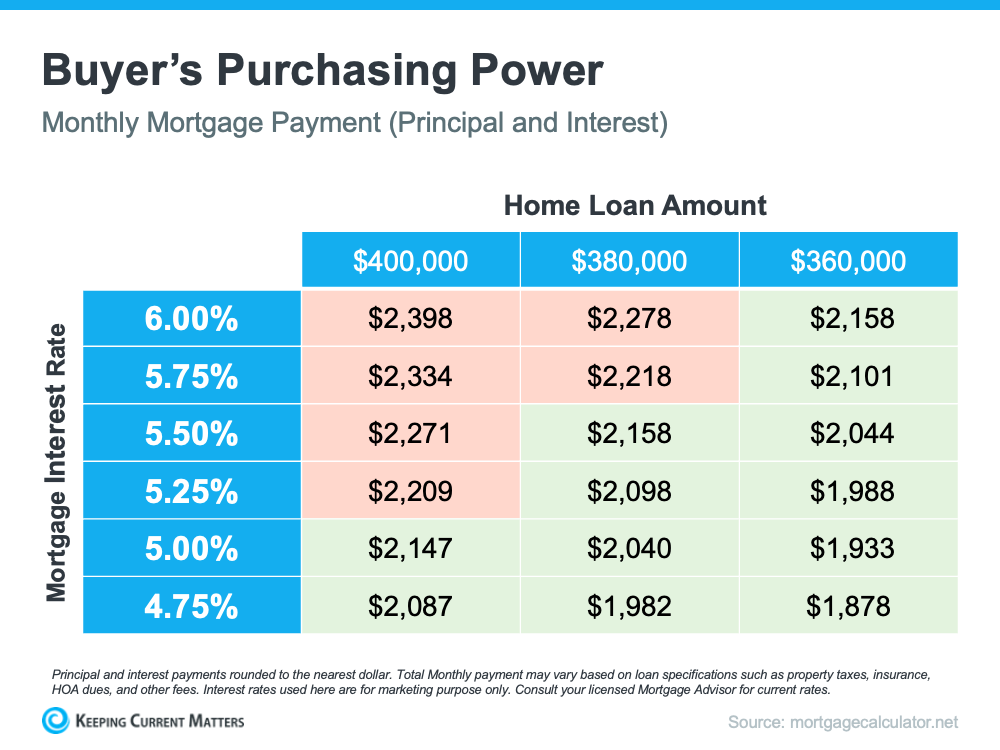
For a borrower, a 1% difference in interest rates can translate to hundreds of dollars a month in payments and tens of thousands of dollars over the life of the loan. This is why tracking the “current” rate is a full-time job for financial analysts and a high-stakes game for buyers.
Factors That Determine Your Personal Interest Rate
While the market sets the baseline, your “personal” mortgage rate is determined by your unique financial profile. Lenders utilize a process called risk-based pricing to determine how likely you are to default on the loan.
The Weight of Credit Scores in Loan Pricing
Your FICO credit score is perhaps the most significant variable under your control. Lenders generally offer their best “advertised” rates to borrowers with credit scores of 740 or higher. If your score falls into the “fair” or “poor” range, you may be hit with Loan Level Price Adjustments (LLPAs). These are essentially surcharges that increase your interest rate to account for the increased risk the lender is taking. Improving your credit score by even 20 points before applying for a mortgage can save you a significant amount of money over thirty years.
Debt-to-Income Ratios and Loan-to-Value Metrics
Beyond credit, lenders look at your Debt-to-Income (DTI) ratio—the percentage of your gross monthly income that goes toward paying debts. A lower DTI suggests you have the financial “breathing room” to handle a mortgage payment, which can sometimes lead to more favorable rate offers.
Additionally, the Loan-to-Value (LTV) ratio—determined by your down payment—plays a major role. A borrower putting 20% down represents less risk than a borrower putting 3% down. While low-down-payment programs exist, they often come with slightly higher rates or the added cost of Private Mortgage Insurance (PMI), which effectively raises your “all-in” interest expense.
Comparing Different Mortgage Products
When asking about the current mortgage rate, you must specify which product you are interested in. Different loan structures carry different levels of risk for both the lender and the borrower, which is reflected in the interest rate.
Fixed-Rate vs. Adjustable-Rate Mortgages (ARMs)
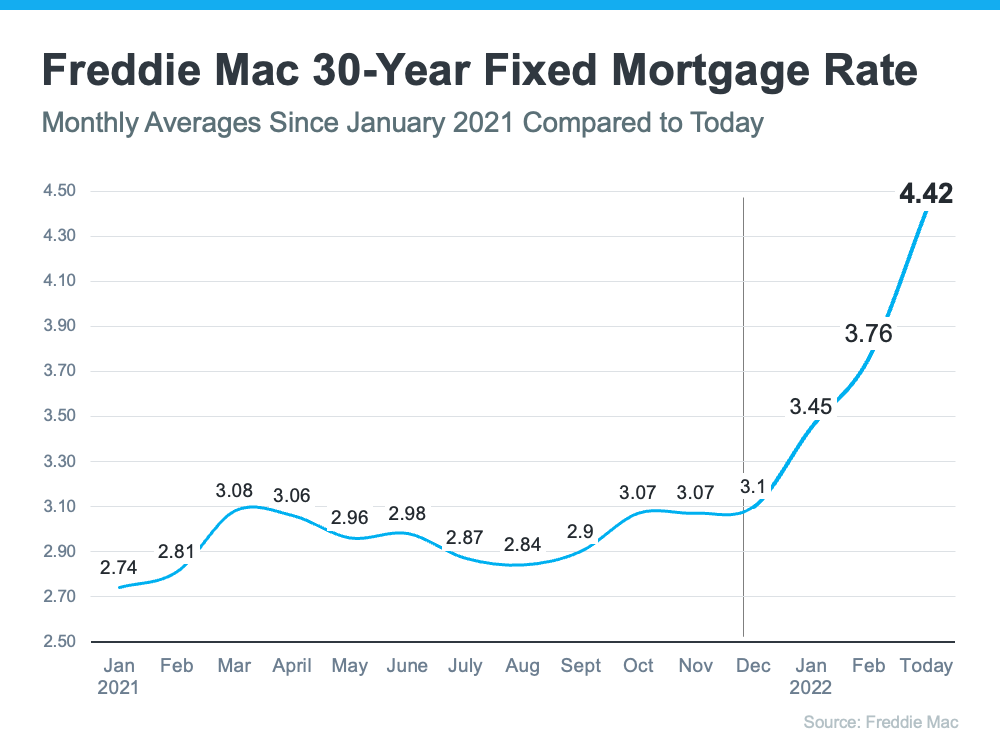
The 30-year fixed-rate mortgage is the gold standard of American housing finance. It offers stability, as the interest rate never changes over the life of the loan. However, because the lender is taking on the risk of inflation for three decades, these rates are usually higher than shorter-term options.
Adjustable-Rate Mortgages (ARMs), such as a 5/1 or 7/1 ARM, offer a lower “teaser” rate for an initial period (five or seven years). After that, the rate adjusts annually based on market indices. In a high-rate environment, ARMs can be attractive for buyers who plan to sell or refinance before the introductory period ends, but they carry the inherent risk of future rate hikes.
Government-Backed Loans: FHA, VA, and USDA Options
For those who may not qualify for conventional financing, government-backed loans provide an alternative.
- FHA Loans: Insured by the Federal Housing Administration, these often have lower credit score requirements. While their base interest rates can be competitive, the mandatory mortgage insurance premiums must be factored into the total cost.
- VA Loans: Available to veterans and active-duty service members, these often feature some of the lowest rates on the market and require no down payment or monthly mortgage insurance.
- USDA Loans: Designed for rural homebuyers, these also offer competitive rates and zero-down-payment options for eligible borrowers.
Strategies to Secure the Best Possible Rate
In a market where rates are higher than the historical averages of the last decade, savvy borrowers must use specific financial strategies to bring their costs down.
The Role of Mortgage Points and Buydowns
One common strategy is “buying down” the rate using discount points. One point typically costs 1% of the loan amount and reduces your interest rate by approximately 0.25%. This is essentially “prepaid interest.” If you plan to stay in the home for a long time (the “break-even point”), paying for points can be a brilliant financial move.
Another popular trend is the “2-1 buydown,” where the seller or builder pays to lower the buyer’s interest rate by 2% in the first year and 1% in the second year. This provides temporary relief and gives the homeowner time for market rates to potentially drop, allowing for a future refinance.
Why Shopping Around is Essential for Long-term Savings
Many borrowers make the mistake of only checking with their primary bank. However, mortgage rates can vary significantly between credit unions, national banks, and non-bank mortgage lenders. A study by Freddie Mac found that borrowers who get at least five quotes save an average of $3,000 over the life of the loan compared to those who only get one quote. In today’s digital age, using online comparison tools and working with a mortgage broker can provide access to wholesale rates that aren’t always visible to the general public.
The Outlook: Predicting Future Mortgage Trends
Predicting where mortgage rates will go is notoriously difficult, but financial experts look at several indicators to forecast the “new normal” for the housing market.
Inflation Targets and the Potential for Rate Cuts
The primary driver for the future of mortgage rates is the Consumer Price Index (CPI). If inflation continues to trend toward the Federal Reserve’s 2% target, it is highly likely that we will see a stabilization or a gradual decrease in mortgage rates. Most economists anticipate that while we may not return to the 2% or 3% rates of the pandemic era, a “sweet spot” in the 5% to 6% range may become the standard for the foreseeable future.
Long-term Investment Considerations for Homeowners
From a wealth-building perspective, it is important to remember the old real estate adage: “Marry the house, date the rate.” If you find a property that fits your long-term needs and your budget, waiting for the “perfect” rate can be a risky strategy. If rates drop, you can refinance to a lower payment. If rates rise, you will be glad you locked in today’s rate.
Furthermore, real estate remains one of the most effective hedges against inflation. Even with a higher mortgage rate, the equity built through home price appreciation over 10 to 20 years often far outweighs the interest paid.
Conclusion
The “current mortgage rate” is a moving target that reflects the pulse of the global economy and your own financial standing. While the numbers you see in the headlines provide a baseline, your actual rate will be a reflection of your credit, your down payment, and the loan product you choose. By staying informed on macroeconomic trends and utilizing tools like mortgage points and competitive shopping, you can navigate the complexities of personal finance and secure a mortgage that supports your long-term financial health. In the world of investing and personal finance, knowledge is the most valuable asset—and understanding mortgage rates is the first step toward building lasting wealth through homeownership.
aViewFromTheCave is a participant in the Amazon Services LLC Associates Program, an affiliate advertising program designed to provide a means for sites to earn advertising fees by advertising and linking to Amazon.com. Amazon, the Amazon logo, AmazonSupply, and the AmazonSupply logo are trademarks of Amazon.com, Inc. or its affiliates. As an Amazon Associate we earn affiliate commissions from qualifying purchases.