
In the realm of personal finance, few numbers carry as much weight as the current interest rate for mortgage loans. For the prospective homeowner, a fluctuation of even half a percentage point can represent tens of thousands of dollars over the life of a loan. For the investor, mortgage rates are the pulse of the real estate market, determining the feasibility of cash flow and the overall ROI on residential properties. To understand what the current mortgage rate is, one must look beyond a single daily percentage and examine the complex machinery of the global economy, personal creditworthiness, and the specific financial products offered by lenders.
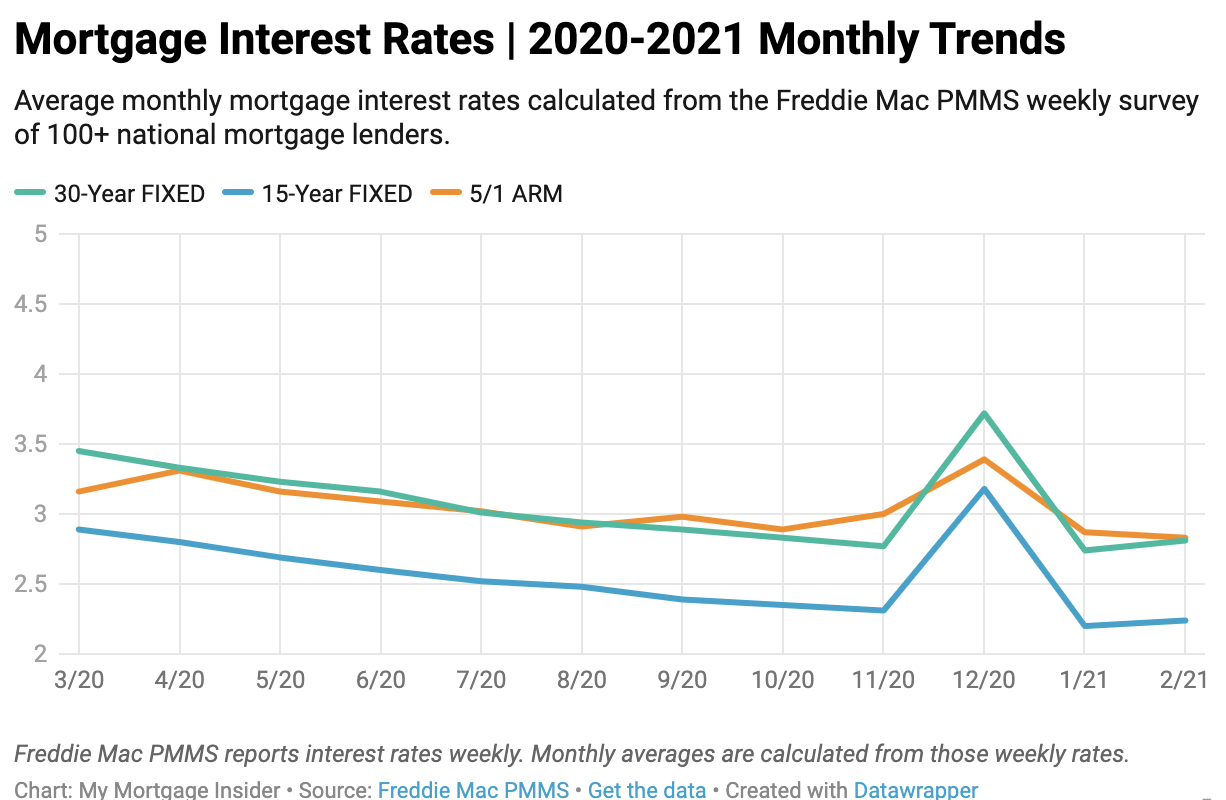
This guide explores the multifaceted nature of mortgage rates, the economic engines that drive them, and how you can position yourself to secure the most favorable terms in a volatile financial landscape.
Understanding the Economic Drivers of Mortgage Interest Rates
When people ask, “What is the current interest rate?” they are often looking for a static number. However, mortgage rates are dynamic, shifting daily based on a variety of macroeconomic factors. Understanding these drivers is essential for any borrower looking to time their entry into the market.
The Role of the Federal Reserve and Monetary Policy
While the Federal Reserve does not directly set mortgage rates, its influence is profound. The Fed sets the “federal funds rate”—the interest rate at which commercial banks borrow from each other overnight. When the Fed raises this rate to combat inflation, the cost of capital for banks increases. These banks, in turn, pass those costs on to consumers in the form of higher interest rates for credit cards, auto loans, and, most significantly, mortgages. Conversely, when the Fed lowers rates to stimulate economic growth, mortgage rates typically follow suit, albeit with a slight delay.
Inflation and Its Direct Impact on Lending
Inflation is perhaps the greatest enemy of fixed-income investors, including the institutions that buy mortgage-backed securities (MBS). If inflation is high, the purchasing power of the future interest payments a lender receives is diminished. To compensate for this risk, lenders demand higher interest rates. Therefore, when the Consumer Price Index (CPI) shows rising inflation, mortgage rates almost inevitably climb as the market anticipates a “tighter” monetary environment.
The 10-Year Treasury Yield Connection
Many financial analysts track the yield on the 10-year U.S. Treasury note as a benchmark for mortgage rates. Historically, there is a strong correlation between the two. Mortgage lenders typically set their rates at a “spread” (usually 1.5% to 3%) above the 10-year Treasury yield. This spread accounts for the increased risk of a mortgage compared to a government-guaranteed bond. When investors are nervous about the economy, they flock to the safety of Treasuries, driving yields down and often pulling mortgage rates lower with them.
Personal Financial Factors That Influence Your Specific Quote
The “current rate” advertised on news sites is often an average for “prime” borrowers—those with perfect credit and large down payments. In reality, the rate you are offered is highly individualized.
The Significance of Your Credit Score
In the world of money, your credit score is your reputation. Lenders use it to gauge the likelihood that you will default on your loan. For mortgage loans, the difference between a “Good” score (670-739) and an “Exceptional” score (800+) can be the difference between a standard rate and a discounted one. Lower credit scores represent higher risk, and lenders mitigate this risk by charging higher interest rates. Over a 30-year term, a borrower with a 620 score might pay nearly double the interest of a borrower with a 760 score.
Debt-to-Income Ratio (DTI) and Risk Assessment
Lenders don’t just look at what you earn; they look at what you owe. Your Debt-to-Income ratio (DTI) is the percentage of your gross monthly income that goes toward paying debts. A high DTI suggests that a borrower may be overleveraged and could struggle to make mortgage payments if their income is disrupted. To secure the lowest possible interest rates, financial experts generally recommend keeping a DTI below 36%, although some programs allow for higher ratios at the cost of higher interest or mortgage insurance requirements.
Loan-to-Value Ratio (LTV) and Down Payment Size
The amount of equity you put into the home upfront—your down payment—directly affects your interest rate. A larger down payment reduces the lender’s Loan-to-Value (LTV) ratio. If you put 20% down (an 80% LTV), the lender views the loan as safer because you have “skin in the game” and the home’s value would have to drop significantly before the loan exceeds the asset’s worth. Consequently, lower LTVs often trigger lower interest rate offers.
Navigating Mortgage Products: Fixed-Rate vs. Adjustable-Rate

The type of financial vehicle you choose will dictate the interest rate structure of your loan. Choosing between stability and initial affordability is a key strategic decision in personal finance.
The Security of Fixed-Rate Mortgages
The 30-year fixed-rate mortgage is the gold standard of American home finance. Its primary advantage is predictability; the interest rate remains the same for the entire life of the loan. This protects the borrower from future market volatility. While the initial rate on a 15-year fixed mortgage is usually lower than a 30-year, the monthly payments are significantly higher due to the shorter amortization period. For those looking for long-term financial stability, the fixed-rate mortgage is an invaluable tool.
The Strategic Use of Adjustable-Rate Mortgages (ARMs)
Adjustable-Rate Mortgages (ARMs) typically offer a lower “teaser” rate for an initial period (usually 3, 5, 7, or 10 years). After this period, the rate adjusts annually based on market indices. ARMs can be a savvy financial move for individuals who plan to sell the home or refinance before the adjustment period begins. However, they carry the risk of “payment shock” if market rates are significantly higher when the adjustment period arrives.
Government-Backed Loans: FHA, VA, and USDA Rates
The federal government offers several programs to help specific demographics secure housing. FHA loans (Federal Housing Administration) are popular for first-time buyers because they allow for lower credit scores and smaller down payments. VA loans (Veterans Affairs) offer competitive rates with no down payment for service members. While these programs often have slightly lower interest rates than conventional loans, they frequently require mortgage insurance premiums (MIP), which should be factored into the total cost of borrowing.
Strategic Timing and Rate-Locking Procedures
Given that interest rates can change multiple times in a single day, knowing how to “capture” a favorable rate is a critical skill in financial management.
When to Lock in Your Rate
A mortgage rate lock is an agreement between a borrower and a lender to “freeze” an interest rate for a specific period (usually 30 to 60 days) while the loan is processed. Strategic borrowers monitor market trends and lock in their rates when they perceive a temporary dip in yields. If you don’t lock and rates rise before your closing date, you will be forced to pay the higher rate, potentially disqualifying you from the loan if the new payment exceeds your DTI limits.
The Concept of Mortgage Points and Buydowns
In the mortgage market, you can essentially “buy” a lower interest rate. One “point” equals 1% of the loan amount and is paid upfront at closing in exchange for a lower interest rate (usually 0.25% lower). This is a mathematical break-even calculation: if you plan to stay in the home long enough for the monthly savings to exceed the upfront cost of the points, it is a wise investment of capital.
Monitoring Market Volatility
For the sophisticated borrower, staying informed through financial news and real-time data is essential. Economic reports such as the “Jobs Report” (Non-Farm Payrolls) or the Federal Open Market Committee (FOMC) meeting minutes can cause sudden swings in the bond market. Being aware of these scheduled releases allows a borrower to decide whether to lock a rate before a report or wait to see if the data cools the market.
The Long-Term Financial Impact of Interest Rates on Wealth
Ultimately, the interest rate on a mortgage is more than just a monthly expense; it is a major factor in long-term wealth accumulation and debt management.
Interest Amortization: The Cost of Borrowing
It is important to understand how interest is front-loaded in a mortgage. In the early years of a 30-year mortgage, the vast majority of your monthly payment goes toward interest rather than principal. A higher interest rate compounds this effect, slowing down the rate at which you build equity in your home. By securing even a slightly lower rate, you accelerate your equity growth and reduce the total interest paid over decades.

Refinancing Opportunities in a Changing Market
The “current rate” you get today is not necessarily the rate you are stuck with forever. In personal finance, “Rate and Term Refinancing” is a powerful tool used to replace an existing high-interest loan with a new one at a lower rate. Financial experts often suggest that if market rates drop 0.75% to 1% below your current rate, it may be time to refinance. This can lower monthly payments or allow you to shorten the loan term, saving thousands in the long run.
In conclusion, the current interest rate for mortgage loans is a moving target influenced by global economics and personal financial health. By understanding the mechanics of the Fed, optimizing your credit profile, and choosing the right loan product, you can navigate the complexities of the money market and secure a mortgage that serves as a foundation for your financial future.
aViewFromTheCave is a participant in the Amazon Services LLC Associates Program, an affiliate advertising program designed to provide a means for sites to earn advertising fees by advertising and linking to Amazon.com. Amazon, the Amazon logo, AmazonSupply, and the AmazonSupply logo are trademarks of Amazon.com, Inc. or its affiliates. As an Amazon Associate we earn affiliate commissions from qualifying purchases.