
The world of One Piece is vast, intricate, and filled with moments that leave an indelible mark on its audience. Among these pivotal events, the “timeskip” stands out as a monumental turning point, signaling a significant leap forward in the narrative and the evolution of its beloved characters. For fans eager to revisit this transformative period or for newcomers wanting to pinpoint the exact moment the Straw Hat Pirates re-emerge with renewed power and purpose, identifying the precise episode is crucial. This exploration delves into the strategic placement and narrative impact of the One Piece timeskip, offering a comprehensive understanding for those who appreciate the meticulous construction of epic storytelling.
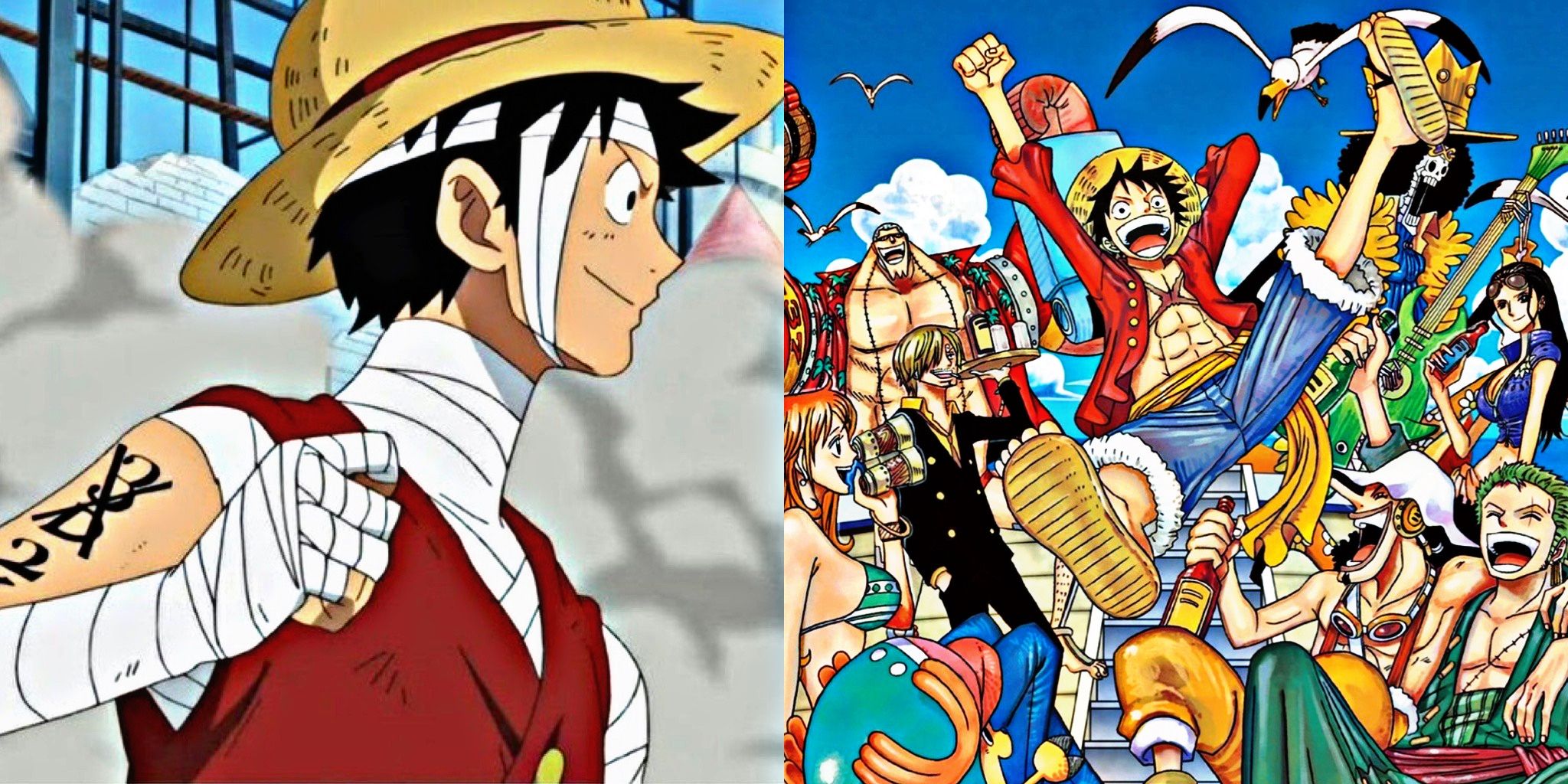
The Narrative Significance of the Timeskip
The introduction of a timeskip in a long-running series like One Piece is far from a casual narrative device; it’s a carefully orchestrated maneuver designed to achieve several critical objectives. It allows for character development, world-building advancements, and a significant escalation of the stakes.
Reimagining Character Arcs and Power Levels
The two-year hiatus for the Straw Hat Pirates isn’t merely a period of absence; it’s a crucible for growth. Each member embarks on a personal journey, honing their skills and confronting their individual weaknesses. This period of intense training and self-discovery allows them to return with drastically improved abilities and a matured outlook. For instance, Monkey D. Luffy’s mastery of Haki, Zoro’s acquisition of new swordsmanship techniques, Nami’s improved navigation skills, and Sanji’s advancements in his culinary and combat prowess are all direct results of this extended training. The timeskip provides a plausible, albeit fantastical, explanation for the significant power jump observed in the characters, enabling them to face increasingly formidable adversaries in the New World.
Setting the Stage for the New World
The “New World” is not just a geographical location; it’s a narrative shift. The East Blue, the West Blue, and the Grand Line’s first half are akin to an apprenticeship. The New World, however, is the true test, a place where legends are forged and the ultimate powers of the world reside. The timeskip serves as the definitive demarcation between the “Paradise” section of the Grand Line and the more perilous New World. It signifies that the Straw Hats have graduated from their initial voyages and are now ready to challenge the Yonko, the Emperors of the Sea, and contend for the ultimate treasure, the One Piece. This transition is essential for raising the narrative stakes and introducing the series’ most powerful antagonists and political factions.
Fulfilling Narrative Pacing and Audience Engagement
In a series that spans hundreds of episodes, a timeskip can be an effective tool for managing narrative pacing. It allows the author to skip over lengthy periods of training or individual adventures that might otherwise bog down the main storyline. For the audience, the anticipation built during the hiatus is immense. The reveal of the characters’ new appearances, abilities, and the changed world creates a surge of excitement and renewed engagement. The timeskip effectively resets the playing field, offering a fresh start while building upon the established lore and character foundations, ensuring that even long-time fans are met with novelties and surprises.
The Canonical Episode of the Timeskip
Pinpointing the exact episode where the timeskip occurs within the anime adaptation is a common query for fans. It’s important to distinguish between the announcement of the timeskip and the re-emergence of the characters after it. The anime, mirroring the manga, orchestrates this transition through a deliberate narrative pause.
The “Two Years Later” Announcement
The decision for the Straw Hat Pirates to separate and train for two years is made in the immediate aftermath of the Battle of Marineford and the tragic events involving Portgas D. Ace. Following Luffy’s emotional reunion with his surviving crewmates and the understanding that they are not yet strong enough to navigate the New World, Rayleigh proposes the idea of a two-year training period. This crucial discussion and decision occur during episodes leading up to the final moments before the crew’s dispersal.
The Return: Episode 517 – “Showdown! Luffy vs. Pacifista!”
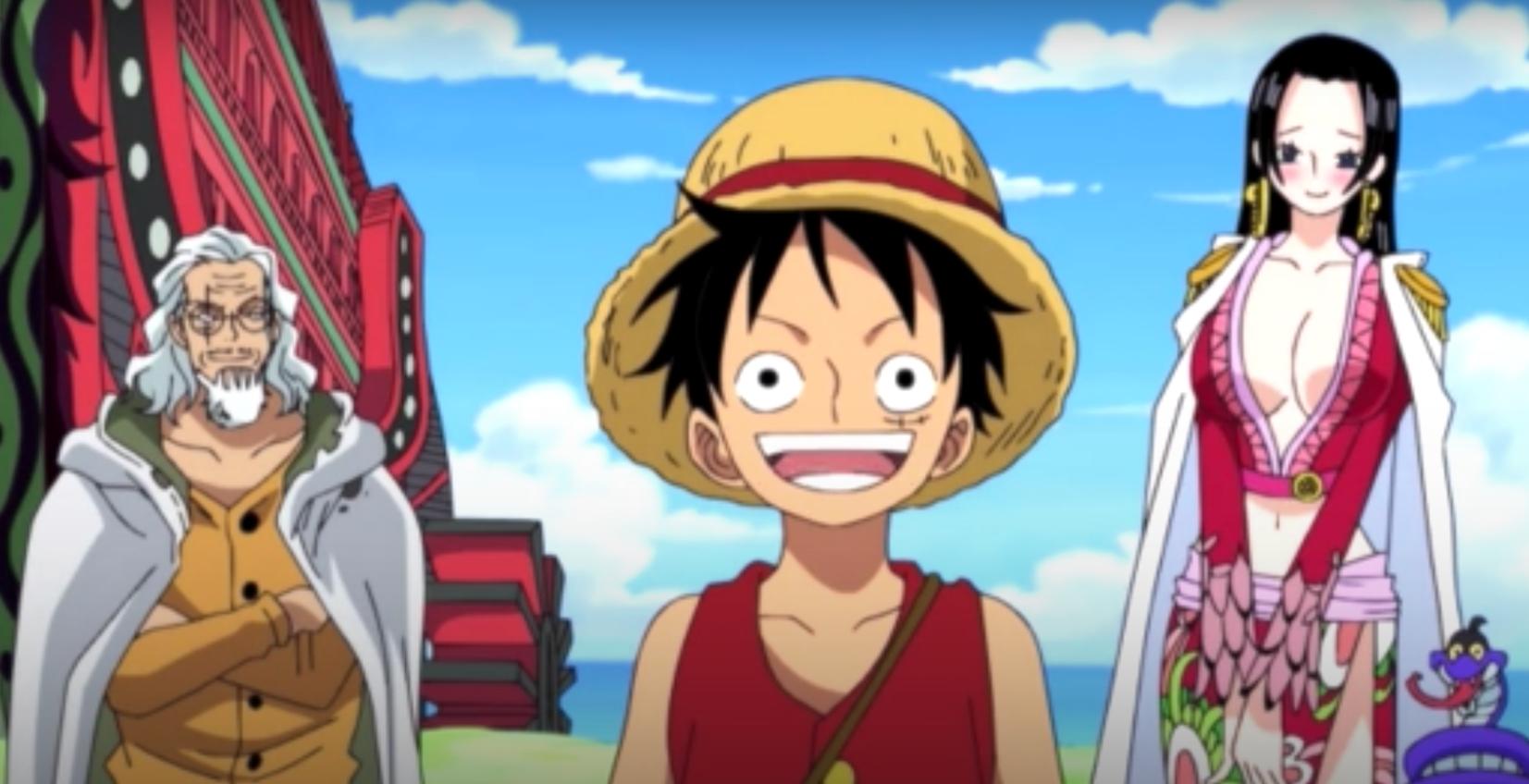
The actual return of the Straw Hat Pirates, showcasing their new appearances and abilities, marks the end of the timeskip. This momentous event is depicted in Episode 517 of the One Piece anime, titled “Showdown! Luffy vs. Pacifista!” This episode serves as the grand reintroduction of the crew, demonstrating their growth and setting the stage for their subsequent adventures in the New World. The narrative deliberately builds suspense towards this re-emergence, highlighting the world’s anticipation of their return and the challenges they will immediately face.
The Impact of the Timeskip on the Narrative and World
The two years of separation and training had profound consequences, not only for the Straw Hat Pirates but also for the broader world of One Piece. This period of introspection and growth allowed for significant shifts in character dynamics, political landscapes, and the overall power balance.
Character Evolution: New Designs and Developed Abilities
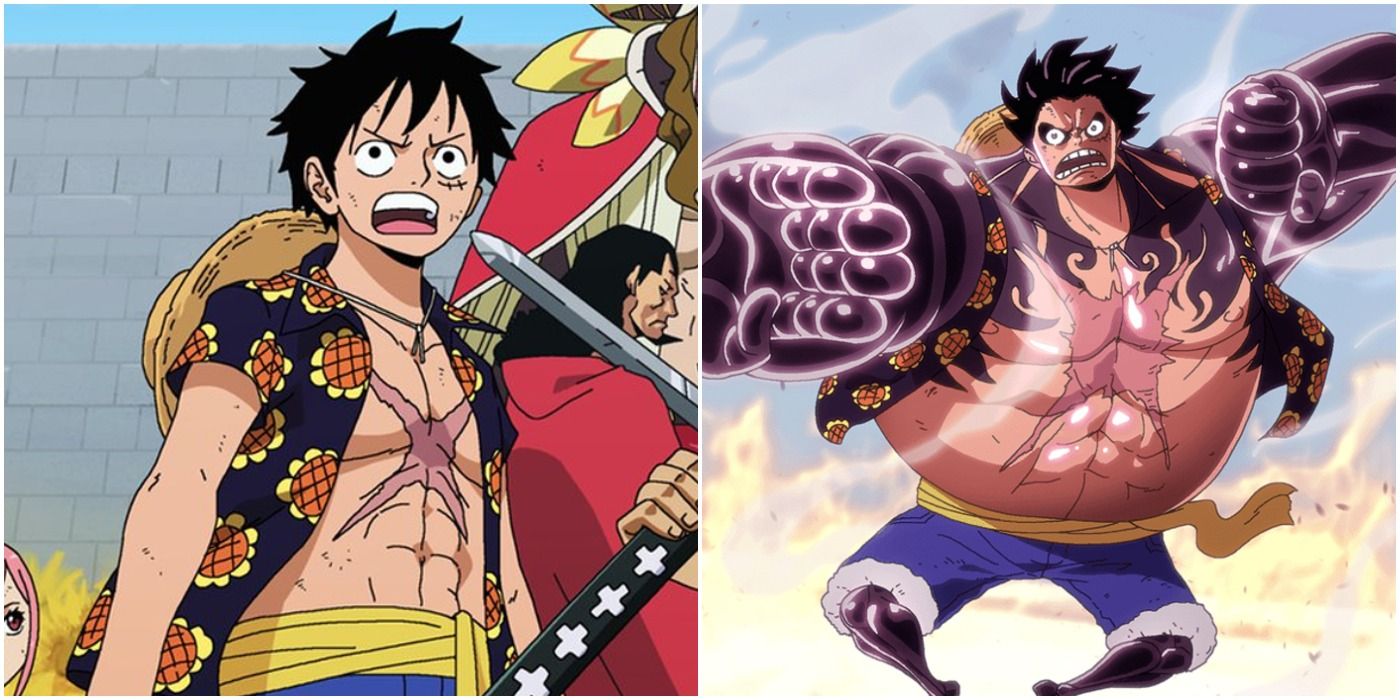
The most visible impact of the timeskip is the physical and developmental transformation of the Straw Hat Pirates. Each character returns with a distinct new look, reflecting their growth and experiences during their individual training. Luffy sports a scar across his chest and a different hat, Zoro wields three swords with enhanced skill, Nami has shorter hair and a new, more advanced weather baton, Sanji dons a new hairstyle and attire, and Chopper’s transformations become more varied and powerful. Beyond aesthetics, their combat abilities and specialized skills are significantly amplified. This visual and functional evolution underscores the effectiveness of their training and prepares them for the much higher caliber of opponents they will encounter in the New World, where mere survival requires mastery.
Shifting World Dynamics and Emerging Threats
The world of One Piece does not stand still during the two-year hiatus. While the Straw Hats were training, significant events unfolded across the globe. The balance of power among the Yonko shifted, new alliances were formed, and existing factions consolidated their influence. The World Government, aware of the impending challenges posed by the increasingly powerful pirates, also advanced its own agendas and weaponry, exemplified by the development of advanced Pacifista models. This dynamic world-building ensures that the Straw Hats’ return is not to a static environment but to one that has evolved and become even more dangerous, necessitating their newfound strength and strategic thinking.
Foreshadowing Future Conflicts and Resolutions
The timeskip serves as a crucial narrative bridge, allowing for the introduction of new plot threads and the development of existing ones that were previously on hold. The motivations and goals of various characters and organizations are further refined, and the overarching mysteries of the world, such as the true nature of the Void Century and the One Piece itself, are brought into sharper focus. The increased power and maturity of the Straw Hats also signal that the series is entering its endgame, where confrontations with the most formidable forces in the world become inevitable. The timeskip, therefore, is not just a pause but a deliberate step towards the series’ ultimate climax, setting the stage for epic battles and the resolution of long-standing narrative arcs.
Beyond the Episode: Embracing the Timeskip’s Legacy
The question of “what episode is the timeskip” is more than just a logistical query; it’s an invitation to appreciate the narrative craftsmanship that defines One Piece. The timeskip is a testament to the series’ ability to evolve, to surprise its audience, and to consistently raise the stakes, ensuring that the journey of Monkey D. Luffy and his crew remains as compelling and engaging as ever.
A Catalyst for Fan Engagement and Theorycrafting
The introduction of a timeskip inherently sparks immense curiosity and speculation among the fanbase. Fans eagerly dissect every visual cue and character interaction upon their return, generating countless theories about what transpired during the two-year period. This collective engagement fuels online communities, fan art, and discussions, extending the life and impact of the narrative beyond the anime and manga itself. The ambiguity surrounding individual training regimens allows for creative interpretation and keeps the audience invested in the ongoing unfolding of the story.
The Enduring Appeal of Character Growth
The core of One Piece‘s enduring appeal lies in its richly developed characters and their journeys of growth. The timeskip is a powerful manifestation of this theme. Witnessing characters overcome their limitations, acquire new skills, and return with newfound confidence and resolve is deeply satisfying for viewers. It reinforces the series’ message of perseverance, friendship, and the pursuit of dreams, making the re-emergence of the Straw Hats a celebrated milestone that resonates with the personal journeys of the audience.
The timeskip in One Piece, marked by the re-emergence of the crew in Episode 517, is a pivotal narrative moment. It signifies not just a temporal jump but a profound evolution in the characters, the world, and the unfolding saga. Understanding its context and impact allows for a deeper appreciation of the masterful storytelling that has captivated audiences for decades.
aViewFromTheCave is a participant in the Amazon Services LLC Associates Program, an affiliate advertising program designed to provide a means for sites to earn advertising fees by advertising and linking to Amazon.com. Amazon, the Amazon logo, AmazonSupply, and the AmazonSupply logo are trademarks of Amazon.com, Inc. or its affiliates. As an Amazon Associate we earn affiliate commissions from qualifying purchases.