
The quest for homeownership is often the most significant financial journey an individual will undertake. At the heart of this journey lies a single, fluctuating figure that dictates the long-term affordability of a property: the mortgage interest rate. When prospective buyers ask, “What is the average interest rate on a home loan?” they are rarely looking for a static number. Instead, they are seeking to understand a complex financial ecosystem influenced by global economics, central bank policies, and individual financial health.
Interest rates represent the cost of borrowing capital. In the context of a 30-year mortgage, even a fractional difference of 0.5% can result in tens of thousands of dollars in interest paid over the life of the loan. Understanding where these averages come from and how they are calculated is essential for any savvy investor or homebuyer looking to optimize their personal finances.

The Macroeconomic Drivers of Mortgage Rates
The average interest rate on a home loan is not a figure pulled from thin air by local banks. It is the result of a sophisticated interplay between national monetary policy and the secondary bond market. To understand why rates are at a certain level today, one must look at the broader economic landscape.
The Role of the Federal Reserve
While the Federal Reserve does not directly set mortgage rates, its influence is paramount. The Fed manages the federal funds rate—the interest rate at which commercial banks borrow and lend to one another overnight. When the Fed raises this rate to combat inflation, the cost of doing business for banks increases. Consequently, banks pass these costs on to consumers in the form of higher interest rates for credit cards, auto loans, and, most significantly, mortgages. Conversely, when the economy needs a boost, the Fed lowers rates, often leading to a downward trend in mortgage averages.
The 10-Year Treasury Yield
There is a long-standing correlation between the yield on the 10-year Treasury note and the 30-year fixed-rate mortgage. Investors often view mortgage-backed securities (MBS) as a slightly riskier alternative to government bonds. Therefore, when Treasury yields rise, mortgage rates typically follow suit to remain attractive to investors. The “spread”—the gap between the Treasury yield and the mortgage rate—usually hovers around 1.5 to 3 percentage points, depending on market volatility and the appetite for risk in the financial sector.
Inflation and Purchasing Power
Inflation is perhaps the greatest enemy of fixed-income investors. If an investor lends money at a 5% interest rate, but inflation rises to 4%, their real rate of return is only 1%. To compensate for the eroding value of the dollar, lenders increase interest rates during periods of high inflation. This ensures that the interest paid by the homeowner over several decades maintains its purchasing power relative to the current economy.
Individual Financial Factors That Influence Your Specific Rate
While the “national average” provides a benchmark, very few borrowers receive that exact rate. Lenders use a process called risk-based pricing to determine the specific interest rate for an applicant. Your personal financial profile determines whether you land below, at, or above the reported average.
Credit Score: The Primary Determinant
The FICO score is the most critical tool a lender uses to assess risk. A borrower with a “prime” score (typically 740 or higher) is seen as a low-risk investment, granting them access to the lowest possible interest rates. Those with “subprime” scores (below 620) may face rates several percentage points higher than the average, or they may be denied traditional financing altogether. Over the course of a 30-year loan, a 100-point difference in a credit score can be the difference between a manageable monthly payment and financial strain.
Debt-to-Income Ratio (DTI)
Lenders examine your Debt-to-Income ratio to ensure you aren’t overleveraged. This is the percentage of your gross monthly income that goes toward paying debts. While most conventional loans allow for a DTI up to 43%, those with lower ratios (under 36%) are often rewarded with better rate terms. A lower DTI signals to the lender that you have sufficient “breathing room” in your budget to handle the mortgage payment even if unforeseen expenses arise.
Loan-to-Value (LTV) and Down Payments
The amount of “skin in the game” you have significantly impacts your interest rate. The Loan-to-Value ratio measures the loan amount against the appraised value of the home. A buyer who provides a 20% down payment (80% LTV) is viewed more favorably than a buyer putting down 3.5% or 5%. Higher equity reduces the lender’s risk in the event of a foreclosure, which often translates into a lower interest rate for the borrower. Furthermore, putting down 20% eliminates the need for Private Mortgage Insurance (PMI), further reducing the total monthly cost.
Comparing Mortgage Products and Their Rates
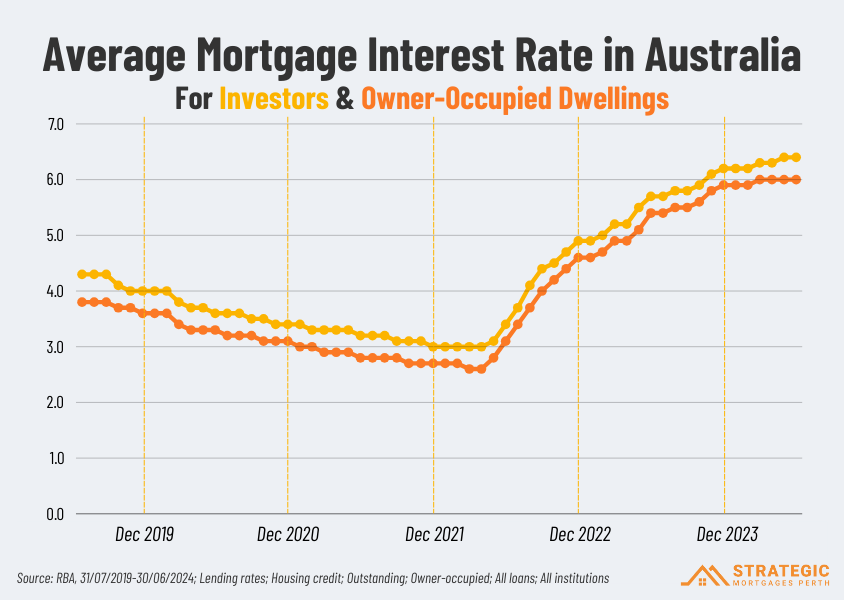
The “average rate” often refers to the 30-year fixed-rate mortgage, as it is the most popular product in the United States. However, the lending market offers a variety of structures that can yield very different interest averages.
15-Year vs. 30-Year Fixed-Rate Loans
For those focused on long-term wealth building, the 15-year fixed-rate mortgage is a powerful tool. Because the lender’s capital is at risk for a shorter period, they typically offer a lower interest rate than the 30-year counterpart—often by 0.5% to 1.0%. While the monthly payments are higher because the principal is being paid down faster, the total interest saved over the life of the loan can be staggering, often reaching hundreds of thousands of dollars.
Adjustable-Rate Mortgages (ARMs)
Adjustable-Rate Mortgages offer an initial fixed-rate period (commonly 5, 7, or 10 years) during which the interest rate is typically lower than the standard 30-year fixed rate. After this period, the rate adjusts annually based on a market index. ARMs can be a strategic choice for homeowners who plan to sell or refinance before the adjustment period begins. However, they carry the risk of “payment shock” if market rates rise significantly by the time the adjustment kicks in.
Conventional vs. Government-Backed Loans
Average rates also differ based on the loan’s “wrapper.” Conventional loans, which are not insured by the government, often have stricter requirements but offer competitive rates for high-credit borrowers. Conversely, FHA (Federal Housing Administration) and VA (Veterans Affairs) loans are government-backed. While FHA loans often show a lower “sticker” interest rate than conventional loans, they require mortgage insurance premiums (MIP) that can make the effective rate higher. VA loans, reserved for veterans and service members, often provide some of the lowest average rates on the market with no down payment requirement.
Strategies to Secure a Rate Below the National Average
Navigating the mortgage market requires more than just monitoring the news. To secure a rate that outperforms the average, borrowers must be proactive and strategic in their financial planning.
The Power of Rate Shopping
Many borrowers make the mistake of accepting the first quote they receive from their primary bank. However, research from the Consumer Financial Protection Bureau (CFPB) suggests that consumers who compare quotes from at least three different lenders save an average of $3,500 in the first few years of their loan. Different institutions—credit unions, online lenders, and traditional banks—have different “appetites” for loans at any given time. Shopping around forces lenders to compete for your business.
Buying Down the Rate with Points
“Discount points” are a form of prepaid interest. By paying an upfront fee at closing (usually 1% of the loan amount per point), the borrower can “buy down” the interest rate for the life of the loan. This is a purely mathematical decision: one must calculate the “break-even point”—how many months it will take for the monthly savings to exceed the initial cost of the points. If you plan to stay in the home for ten years or more, buying points is often a brilliant financial move.
Timing the Market and Rate Locks
Because mortgage rates can change multiple times in a single day based on bond market volatility, timing is crucial. Once a borrower finds a rate they are comfortable with, they should utilize a “rate lock.” This agreement guarantees the interest rate for a specific period (usually 30 to 60 days) while the loan is processed. This protects the borrower from sudden market spikes that could occur between the application and the closing date.
Conclusion: The Long-Term Financial Perspective
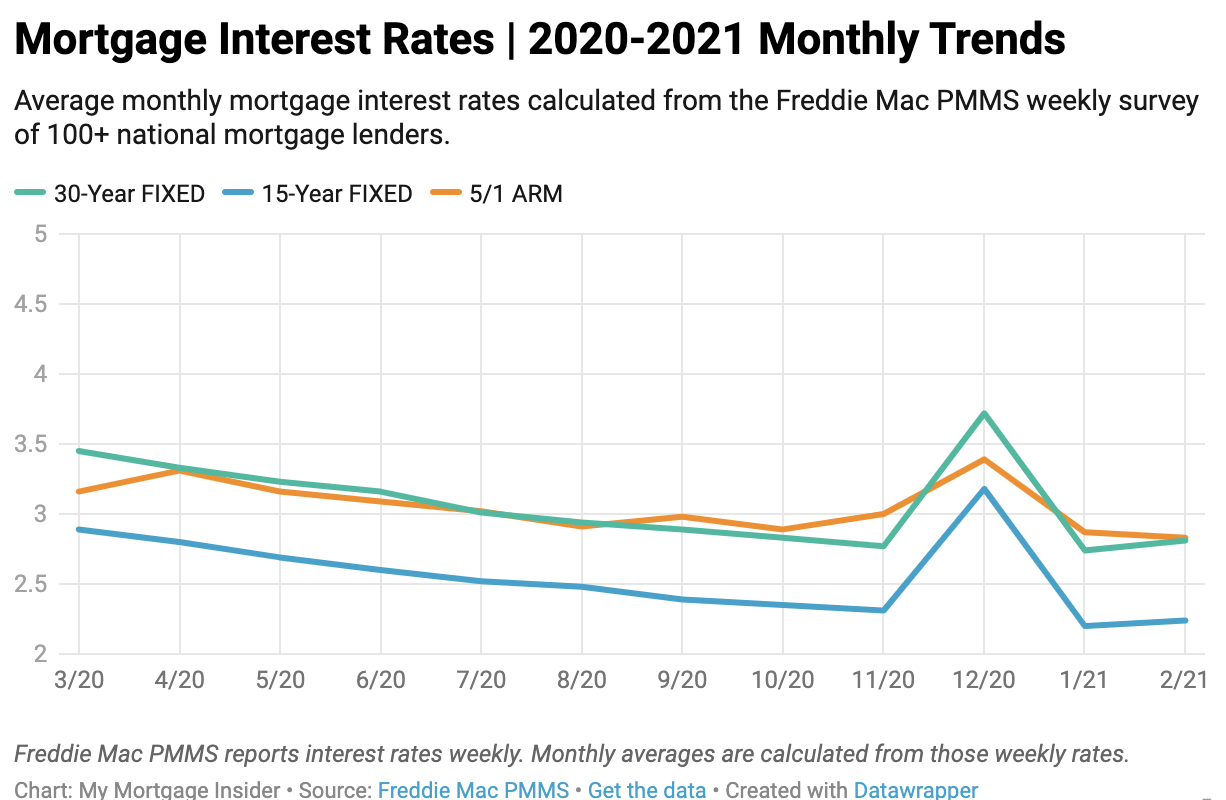
The average interest rate on a home loan is a vital metric, but it should be viewed within a historical and personal context. While rates may seem high compared to the record lows of 2020 and 2021, they remain well below the historical averages of the 1980s, when rates peaked at nearly 18%.
For the modern borrower, the focus should not be on “beating the market” in an impossible search for the absolute bottom. Instead, the focus should be on personal financial optimization: improving credit health, reducing debt, and choosing the loan product that aligns with long-term wealth goals. By understanding the macroeconomic forces at play and mastering the variables within their control, homeowners can secure a mortgage that serves as a foundation for financial stability rather than a burden on their future income. In the world of personal finance, the “average” rate is merely a starting point—your financial strategy is what determines the final cost of your home.
aViewFromTheCave is a participant in the Amazon Services LLC Associates Program, an affiliate advertising program designed to provide a means for sites to earn advertising fees by advertising and linking to Amazon.com. Amazon, the Amazon logo, AmazonSupply, and the AmazonSupply logo are trademarks of Amazon.com, Inc. or its affiliates. As an Amazon Associate we earn affiliate commissions from qualifying purchases.