
The question of what the middle initial “S” in Harry S. Truman’s name signifies has long been a subject of curiosity, a persistent whisper in the annals of presidential lore. It’s a seemingly minor detail, yet its ambiguity has lent a certain enigmatic aura to one of America’s most pivotal presidents. This exploration delves into the origins of that “S” and, more importantly, examines its surprising resonance within the context of personal branding, the construction of identity, and the enduring impact of even the smallest elements on a public figure’s legacy. In an era where brand building is paramount, understanding how Truman’s seemingly insignificant initial contributed to his distinctive identity offers a compelling case study in the subtle, yet powerful, art of personal branding.
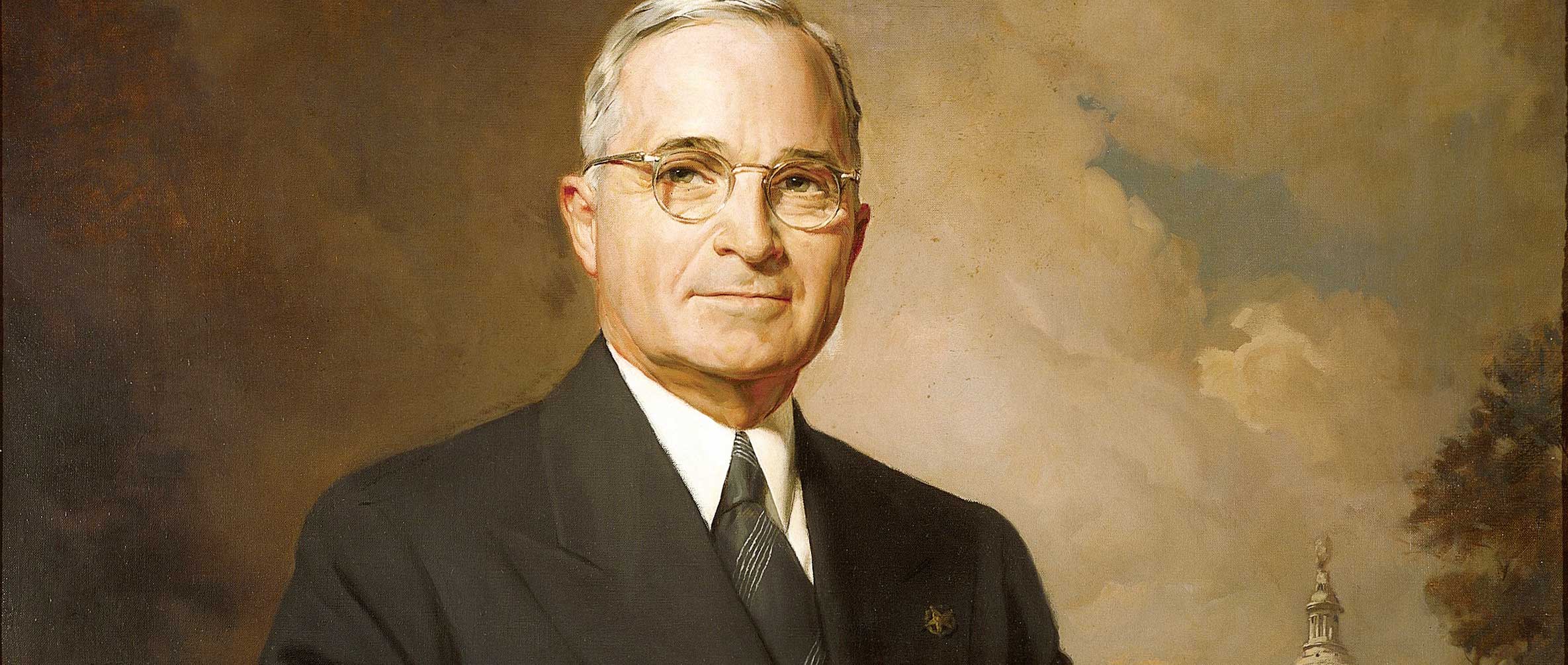
The Unassuming Origin of the Initial
The simple truth behind Truman’s middle initial is far less dramatic than many might imagine, yet its origin story is crucial to understanding its subsequent branding implications. The lack of a definitive, grand pronouncement associated with the “S” is precisely what allows it to function as a unique brand element.
A Nod to Grandfathers, Not a Name
Harry Truman’s parents, John Anderson Truman and Martha Ellen Young Truman, chose to honor both of Harry’s grandfathers with his middle initial. His paternal grandfather was Anderson Shipp Truman, and his maternal grandfather was Solomon Young. The decision was made to use the letter “S” as a tribute to both men, rather than assigning a full given name to Harry. This practice, while perhaps uncommon today, was not entirely unheard of in the late 19th century, reflecting a familial tradition and a desire to acknowledge paternal and maternal lineage simultaneously.
The Power of the Unspecified
The most significant aspect of this origin is its inherent ambiguity. Unlike an initial that stands for a clearly defined name, the “S” in Harry S. Truman doesn’t immediately reveal a concrete meaning. This lack of immediate definition is, paradoxically, what allows it to become a distinctive identifier. It prompts questions, ignites curiosity, and becomes a unique hook that sets him apart. In the lexicon of personal branding, such “unspecified” elements can be incredibly powerful. They invite engagement and create a sense of mystery that, when managed effectively, can enhance a brand’s memorability and intrigue. For Truman, this initial became a subtle yet effective way to pique public interest, a quiet anomaly in a sea of more conventional nomenclature.
The “S” as a Distinctive Brand Element
In the realm of personal branding, every element, no matter how small, contributes to the overall perception of an individual. The “S” in Harry S. Truman, by virtue of its origin and its persistent presence, became a surprisingly effective and distinctive brand element that shaped public perception and added to his unique identity.
Cultivating an Air of Unassuming Authority
Truman was known for his pragmatic, down-to-earth demeanor. He projected an image of a man of action, someone who didn’t mince words and was unafraid to make difficult decisions. The “S” subtly reinforced this persona. It didn’t carry the weight or perceived pretension of a formal, classic name. Instead, it was a neutral, almost unassuming initial that allowed his actions and character to speak for themselves. This created an intriguing contrast: a powerful leader whose identifying mark was a simple, unexplained letter. This inherent simplicity, coupled with his decisive leadership, allowed his personal brand to be built on substance rather than superficial adornment. He was not “Harry Alexander Truman” or “Harry Bartholomew Truman,” names that might evoke certain expectations. He was simply “Harry S. Truman,” leaving the observer to focus on the man and his deeds.
A Memorability Hook in Public Discourse
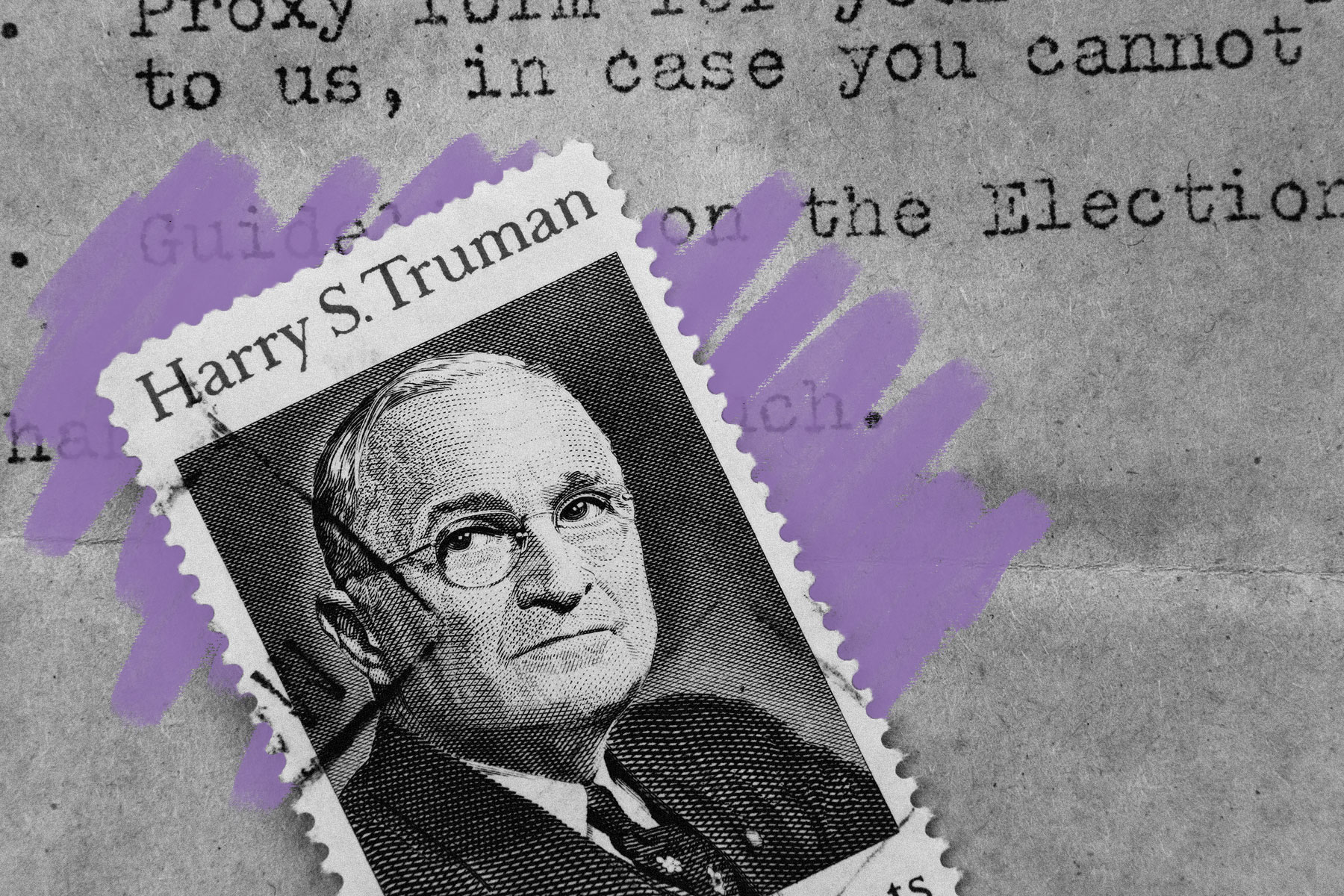
In the fast-paced world of political communication, memorability is a key component of effective branding. The “S” in Truman’s name served as a subtle yet persistent mnemonic device. When people referred to him, they almost always included the initial. This consistent usage embedded the “S” into the public consciousness, making his name more distinct and easier to recall than if he were simply “Harry Truman.” Think of other prominent figures whose initials have become integral to their public identity, such as FDR (Franklin Delano Roosevelt) or JFK (John F. Kennedy). While their initials stood for actual names, the principle of distinctiveness through abbreviated nomenclature is similar. For Truman, the “S” was a naturally occurring shorthand that, over time, became synonymous with his name and, by extension, his presidency. It was a brand element that required no active marketing; it was organically integrated into everyday conversation and historical accounts.
The “S” as a Symbol of Relatability and Authenticity
In the modern context of personal branding, authenticity and relatability are highly valued. The “S” in Truman’s name, by being unexplained, paradoxically contributed to these qualities. It suggested a lack of artifice, a departure from carefully crafted, overly polished identities. It implied that the man behind the initial was perhaps more complex or straightforward than a simple label could convey. This ambiguity allowed individuals to project their own interpretations onto his persona, fostering a sense of connection. He was the “plain-spoken” president, and the “S” felt congruent with that image. It wasn’t a grand, imposing initial but a simple, almost conversational one. This subtle nuance allowed his brand to feel more accessible, more human, and ultimately, more relatable to the average American citizen. It reinforced the idea that he was a man of the people, unburdened by excessive formality.
The Enduring Legacy of a Simple Initial
The “S” in Harry S. Truman’s name is more than just a forgotten detail; it’s a testament to how even the most understated elements can contribute to a lasting and impactful personal brand. Its story is a valuable lesson in the art of identity construction, demonstrating that true branding often lies not in overt pronouncements but in the subtle, consistent reinforcement of core attributes.
A Case Study in Subtle Brand Distinction
Truman’s presidency was marked by monumental decisions, from the end of World War II to the dawn of the Cold War. Yet, the consistent use of his full name, including the enigmatic “S,” served as a constant, subtle reminder of his individual presence. It was a consistent touchpoint in a turbulent era, a small anchor in the vast sea of historical events. In an age where personal branding often involves elaborate strategies and carefully curated narratives, Truman’s story offers a compelling counterpoint. It suggests that a powerful brand can be built on authenticity, decisiveness, and the strategic utilization of even the simplest identifying markers. The “S” was not a marketing gimmick; it was a genuine aspect of his identity that, through consistent usage and association with his character, became an integral part of his brand.
The Power of Narrative and Perception
Ultimately, the meaning of the “S” is less about its literal origin and more about the narrative that has been woven around it. The ambiguity, the tribute to grandfathers, the unassuming nature – all these elements contribute to a perception of Truman as a grounded, authentic leader. His brand was not one of ostentatious display but of quiet strength and integrity. This perception was cultivated over time, through his actions, his speeches, and the collective memory of his presidency. The “S” became a shorthand for this entire persona, a unique identifier that reinforced the qualities people associated with him. It’s a powerful reminder that in branding, perception is often reality, and even the smallest details can play a significant role in shaping that perception.

Lessons for Modern Personal Branding
The enduring fascination with the “S” in Harry S. Truman’s name offers timeless lessons for anyone seeking to build a strong personal brand today. It underscores the importance of:
- Authenticity: Truman’s brand was built on his genuine character, not on manufactured personas. The “S” fit this narrative of simplicity and directness.
- Consistency: The consistent use of his full name, including the “S,” reinforced his identity across various platforms and in public discourse.
- Uniqueness: The ambiguity of the “S” made him stand out. In a crowded field, finding and leveraging unique identifiers is crucial.
- Focus on Substance: While the “S” was a talking point, Truman’s true brand was built on his decisive leadership and integrity. His accomplishments spoke louder than any initial.
In conclusion, the question “What does the S stand for Harry S. Truman?” is far more than a historical trivia item. It’s an inquiry into the very fabric of personal branding, demonstrating how even the smallest, most unassuming elements can contribute to a memorable, enduring, and impactful public identity. The “S,” in its simple, unexplained glory, became a quiet but potent symbol of a presidency defined by pragmatism, resilience, and a uniquely American brand of leadership.
aViewFromTheCave is a participant in the Amazon Services LLC Associates Program, an affiliate advertising program designed to provide a means for sites to earn advertising fees by advertising and linking to Amazon.com. Amazon, the Amazon logo, AmazonSupply, and the AmazonSupply logo are trademarks of Amazon.com, Inc. or its affiliates. As an Amazon Associate we earn affiliate commissions from qualifying purchases.