
The red rose, an enduring symbol steeped in history and cultural significance, transcends its botanical beauty to evoke a profound spectrum of meanings. While often immediately associated with passionate love and romance, its symbolism is far richer and more nuanced, extending into realms of courage, desire, and even sacrifice. Understanding what the red rose represents requires a journey through its historical associations, its presence in various cultures, and its enduring impact on artistic and literary expression. This exploration delves into the core meanings of the red rose, illuminating its multifaceted significance and its continued relevance in contemporary society.

The Enduring Symbol of Romantic Love and Passion
The most ubiquitous association of the red rose is its representation of romantic love. This connection is deeply ingrained in Western culture, largely thanks to its historical and literary associations.
A Timeless Emblem of Affection
From ancient myths to modern romantic gestures, the red rose has consistently served as a potent emblem of affection. Its vibrant hue is thought to symbolize the warmth and intensity of deep emotional connection. The velvety texture of its petals, combined with its intoxicating fragrance, further enhances its allure as a messenger of love.
Shakespearean Sonnets and Romantic Literature
Literature has played a pivotal role in solidifying the red rose’s status as a symbol of love. William Shakespeare, in particular, masterfully employed the rose in his sonnets and plays to convey the complexities of romantic relationships. The iconic line from Romeo and Juliet, “What’s in a name? That which we call a rose / By any other name would smell as sweet,” speaks to the inherent beauty and essence of love, as embodied by the rose, regardless of its label. This enduring literary tradition has cemented the red rose’s place in the popular imagination as the ultimate token of romantic devotion.
The Language of Flowers: A Sentimental Code
The Victorian era saw the rise of “floriography,” or the language of flowers, where specific blooms were assigned particular meanings, allowing for discreet and symbolic communication. Within this intricate system, the red rose stood out as the unequivocal declaration of passionate love. A single red rose conveyed a clear and unambiguous message of “I love you,” while a bouquet of red roses amplified this sentiment to express deep adoration and unwavering commitment. This practice further intertwined the red rose with romantic courtship and heartfelt expressions of emotion.
Beyond Romance: Courage, Sacrifice, and Political Affiliation
While love remains its most prominent interpretation, the red rose’s symbolism extends to encompass notions of courage, sacrifice, and even political allegiances. These diverse meanings often arise from historical events and cultural narratives.
The Rose as a Symbol of Bravery and Bloodshed
The crimson hue of the red rose, reminiscent of blood, has led to its association with sacrifice and courage in the face of adversity. In historical contexts, red roses have been used to signify martyrdom and the spilling of blood for a cause. This symbolism is particularly potent in religious and political narratives where acts of bravery and self-sacrifice are honored.
The Wars of the Roses: A Royal Emblem of Conflict
One of the most significant historical instances where the red rose played a central role in symbolism is the Wars of the Roses (1455-1487) in England. This dynastic struggle between the House of Lancaster and the House of York saw the red rose become the emblem of the Lancastrian faction. Conversely, the white rose represented the Yorkists. The eventual victory of Henry Tudor, who united the houses, led to the creation of the Tudor Rose, a composite of both red and white, symbolizing peace and reconciliation after years of bloodshed. This historical conflict indelibly linked the red rose to notions of political struggle, royal power, and the arduous path to unity.
Activism and Social Movements: A Banner of Resistance
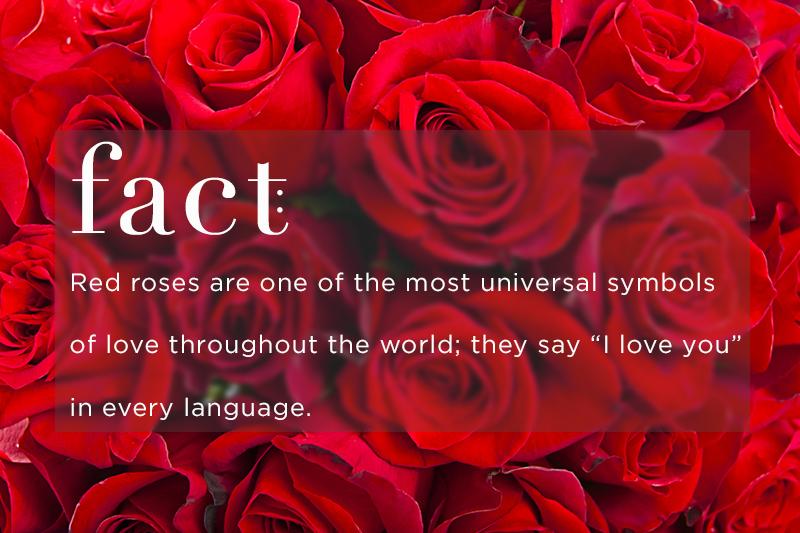
In more recent times, the red rose has been adopted by various social and political movements as a symbol of resistance, solidarity, and defiance against oppression. Its visual impact, combined with its existing connotations of passion and commitment, makes it an effective emblem for groups advocating for change. Whether it’s a symbol of workers’ rights, feminist movements, or anti-war protests, the red rose on a banner or lapel carries a powerful message of collective action and unwavering dedication to a cause.
The Red Rose in Culture and Art: A Recurring Motif
The profound and varied symbolism of the red rose has made it a recurring and powerful motif across diverse artistic and cultural expressions, from visual arts to literature and folklore.
Artistic Depictions: Capturing its Essence
Visual artists throughout history have been drawn to the red rose, using it to imbue their works with layers of meaning. From meticulously rendered botanical studies to abstract interpretations, the red rose’s form and color are utilized to evoke sensuality, beauty, fragility, and the ephemeral nature of life. Its presence in still-life paintings, religious iconography, and allegorical works further solidifies its multifaceted representational capacity.
Literary Symbolism: Narratives of Love, Loss, and Transformation
Beyond the romantic associations, the red rose appears in literature to signify a broader range of themes. It can represent lost innocence, the pain of unrequited love, or the transformative power of experience. The bloom’s cycle of unfurling, reaching its peak beauty, and eventually wilting can mirror human life stages, symbolizing birth, life, death, and rebirth. Authors frequently use the rose to underscore plot points, develop character arcs, and deepen the emotional resonance of their narratives.
Folklore and Mythology: Ancient Whispers of Meaning
Ancient myths and folklore from various cultures offer further insights into the red rose’s symbolic lineage. Some traditions associate it with fertility and the divine feminine, while others link it to tales of love, loss, and even sorcery. These ancient narratives contribute to the rich tapestry of meanings woven around this seemingly simple flower, demonstrating its deep roots in human storytelling and belief systems.
The Modern Interpretation and Enduring Appeal of the Red Rose
In the contemporary world, the red rose continues to hold significant meaning, adapting to new contexts while retaining its core symbolic power. Its enduring appeal lies in its universal recognition and its ability to evoke a wide range of emotions and ideas.
Red Roses in Contemporary Gifting and Celebrations
The tradition of gifting red roses remains a cornerstone of romantic gestures, particularly on occasions like Valentine’s Day, anniversaries, and weddings. The act of giving and receiving red roses is a powerful, non-verbal communication of love, appreciation, and commitment. Beyond romantic partnerships, red roses are also offered to express deep admiration, celebrate achievements, or offer condolences, demonstrating their adaptability to various emotional expressions.
The Red Rose in Branding and Corporate Identity
The potent symbolism of the red rose has also been leveraged in branding and corporate identity. Companies often utilize the red rose to evoke qualities such as passion, luxury, natural beauty, or a commitment to quality. Its strong visual appeal and established positive connotations make it an effective element in logos, marketing campaigns, and product design, aiming to connect with consumers on an emotional level and create a memorable brand image.
A Universal Symbol in a Globalized World
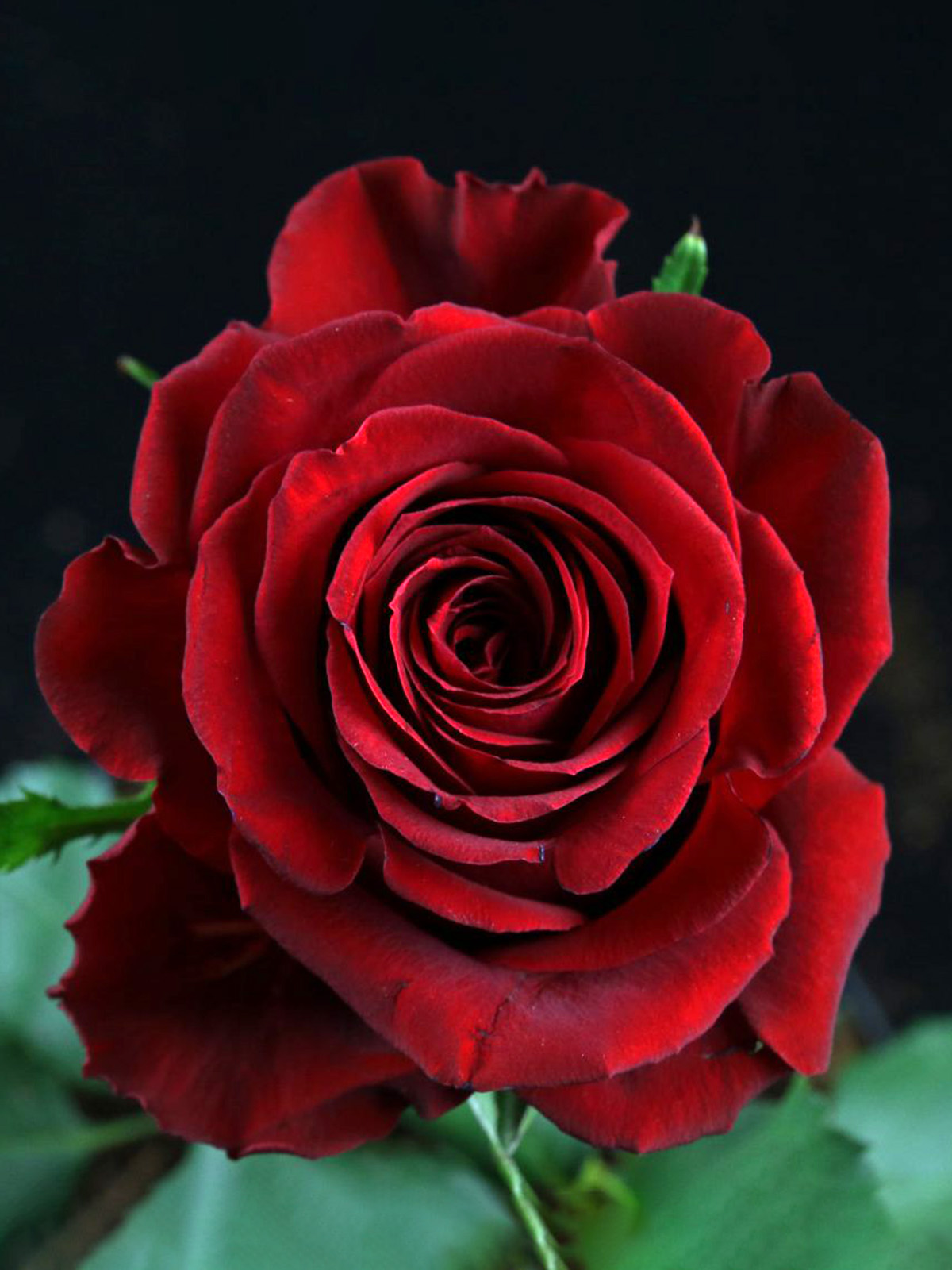
Despite the diverse interpretations across cultures, the red rose’s fundamental representation of love and beauty has transcended geographical and linguistic barriers. In an increasingly interconnected world, the red rose serves as a familiar and accessible symbol, capable of conveying potent emotions and ideas universally. Its enduring allure lies in its ability to connect with our innate human desires for love, beauty, and meaningful connection, ensuring its continued relevance and appreciation for generations to come.
aViewFromTheCave is a participant in the Amazon Services LLC Associates Program, an affiliate advertising program designed to provide a means for sites to earn advertising fees by advertising and linking to Amazon.com. Amazon, the Amazon logo, AmazonSupply, and the AmazonSupply logo are trademarks of Amazon.com, Inc. or its affiliates. As an Amazon Associate we earn affiliate commissions from qualifying purchases.