
For prospective homeowners and seasoned real estate investors alike, the question “What is the home interest rate today?” is more than a casual inquiry—it is a critical data point that dictates purchasing power, long-term wealth accumulation, and monthly cash flow. In the modern financial landscape, mortgage rates are a moving target, influenced by a complex web of macroeconomic indicators, central bank policies, and individual financial profiles. Understanding where rates stand today requires looking beyond a single percentage point and examining the mechanics of the financial markets that drive these fluctuations.
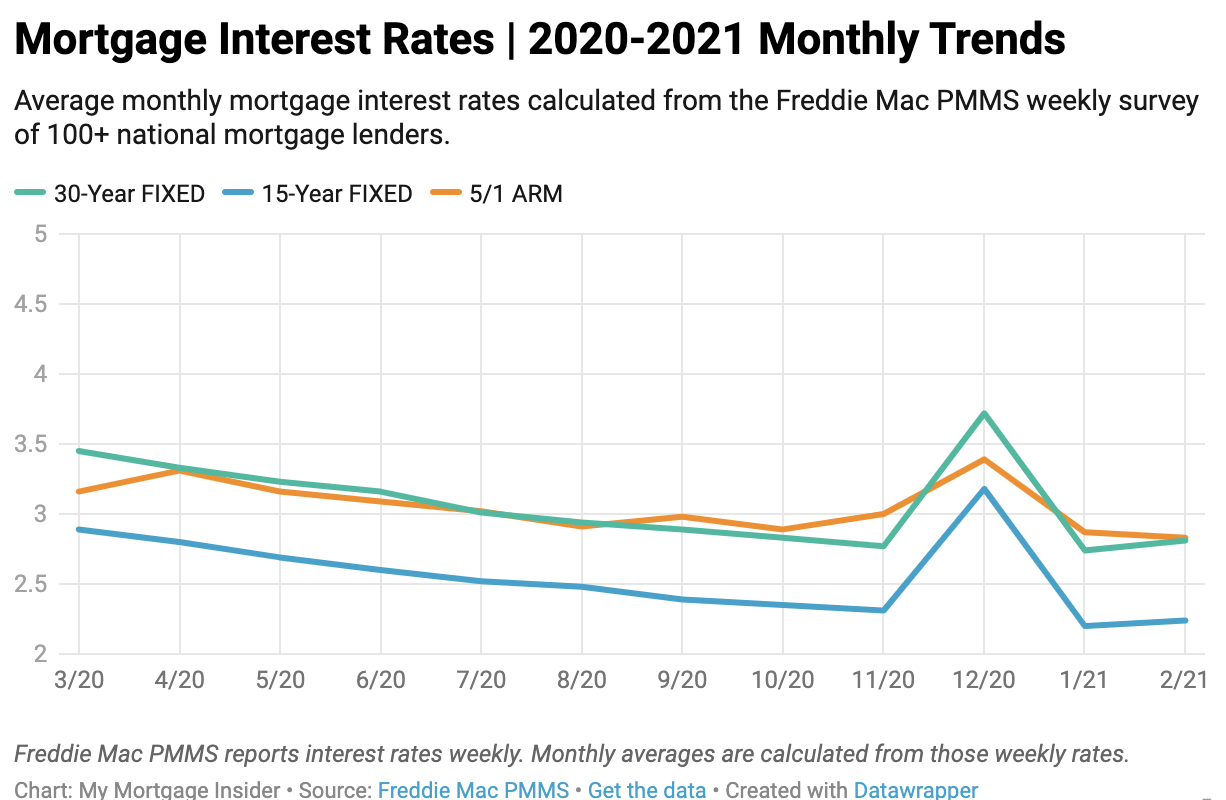
Understanding the Current Landscape of Mortgage Rates
To answer what the interest rate is today, one must first recognize that “the rate” is actually a range of products tailored to different economic conditions. We are currently navigating a period of significant transition in the global economy, where the era of “easy money” and historic lows has been replaced by a “higher-for-longer” sentiment.
The Role of the Federal Reserve and Economic Indicators
While the Federal Reserve does not directly set mortgage rates, its influence is paramount. The Federal Open Market Committee (FOMC) sets the federal funds rate—the interest rate at which commercial banks borrow and lend to each other overnight. When the Fed raises rates to combat inflation, the cost of borrowing increases across the board. Mortgage lenders typically track the yield on the 10-year Treasury note. When investors demand higher yields on government bonds due to inflation concerns or economic growth, mortgage rates generally rise in tandem.
Fixed-Rate vs. Adjustable-Rate Mortgages (ARMs)
Today’s market offers various structures that yield different “daily rates.” The 30-year fixed-rate mortgage remains the gold standard for stability, locking in a rate for three decades. However, in high-rate environments, many consumers look toward Adjustable-Rate Mortgages (ARMs). ARMs often offer a lower “teaser” rate for an initial period (such as 5 or 7 years) before adjusting based on market indices. Choosing between these depends on your financial horizon—if you plan to sell or refinance within five years, today’s ARM rate might be more attractive than the standard fixed rate.
The Impact of Inflation on Lending
Inflation is the primary enemy of fixed-income investors, including the institutions that buy mortgage-backed securities (MBS). If inflation is high, the purchasing power of the future interest payments a bank receives is eroded. Therefore, lenders bake an “inflation premium” into today’s interest rates. When you check the rate today, you are essentially seeing the market’s collective guess on where inflation will be over the next decade.
Factors That Determine Your Personal Interest Rate
It is a common misconception that there is one universal rate available to everyone. When a financial news outlet reports a rate of, for example, 6.8%, that is often an average for “prime” borrowers. Your personal financial health determines whether you will be quoted that figure, something lower, or significantly higher.
The Impact of Credit Scores on Borrowing Costs
Your FICO score is perhaps the most influential factor in the rate you are offered today. Lenders categorize borrowers into tiers. A borrower with a credit score above 760 is considered “top-tier” and will receive the lowest available market rates. Conversely, a borrower with a score in the 620 range may face a “level-adjusted” rate that is 1% to 1.5% higher than the prime rate. Over the life of a $400,000 loan, this minor discrepancy can cost the borrower over $100,000 in additional interest.
Loan-to-Value (LTV) Ratios and Down Payments
Money is a game of risk management. The more equity you have in a property, the less risk the lender carries. If you provide a 20% down payment (an LTV of 80%), you are more likely to secure a competitive rate. Borrowers with low down payments, such as 3% or 5%, are often viewed as higher risk. Even if they qualify for the loan, they may be hit with “Loan-Level Price Adjustments” (LLPAs), which effectively increase the interest rate to compensate the lender for the increased risk of default.
Debt-to-Income (DTI) Ratios and Financial Stability
Lenders use the DTI ratio to ensure you aren’t overleveraged. This is the percentage of your gross monthly income that goes toward paying debts. While a high DTI might not always change the interest rate directly, it can force a borrower into different loan products (like FHA loans) which have different rate structures and insurance requirements. A “clean” financial profile—low debt, high income, and a solid work history—gives you the leverage to negotiate the daily rate with multiple lenders.
How Interest Rates Influence Your Long-Term Personal Finance Strategy
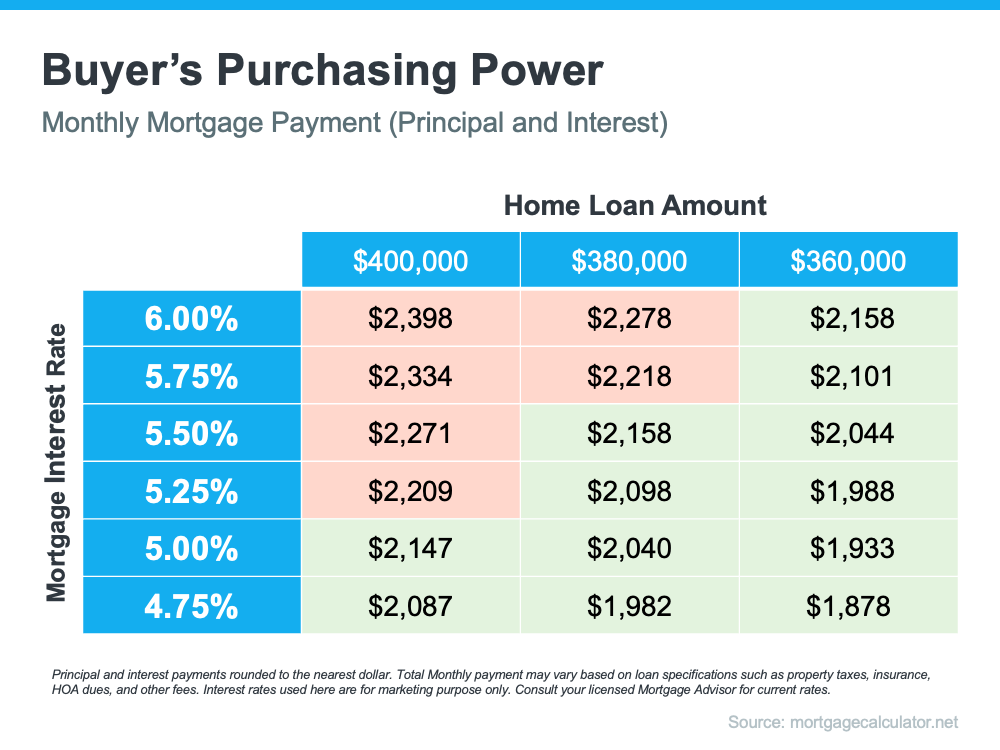
The current interest rate environment should dictate your broader financial moves. A difference of even 0.5% in a mortgage rate can fundamentally change the math of homeownership versus renting or investing in other assets like the stock market.
Total Interest Paid Over the Life of the Loan
In a low-rate environment, a mortgage is often seen as “cheap debt,” allowing homeowners to put minimal money down and invest their extra cash elsewhere. In today’s higher-rate environment, the total interest paid becomes a staggering figure. For instance, on a 30-year mortgage at 7%, a borrower will end up paying nearly double the original loan amount in interest alone by the time the house is paid off. This reality makes aggressive principal repayment or shorter loan terms (like 15-year fixed) much more appealing for personal wealth preservation.
The “Buy Now vs. Wait” Dilemma in a High-Rate Environment
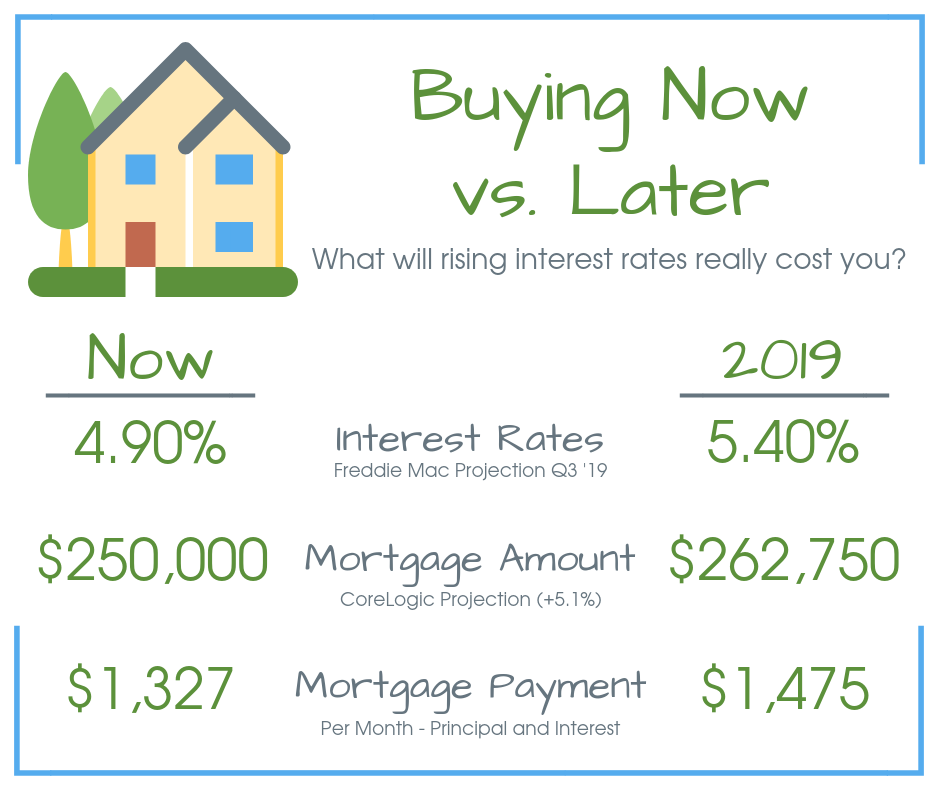
Many potential buyers ask: “Should I buy today or wait for rates to drop?” This is a classic timing-the-market problem. If rates drop in the future, you can often refinance your loan to the lower rate. However, if you wait for rates to drop before buying, you may face increased competition and higher home prices, as lower rates increase the number of eligible buyers. Financial experts often suggest that you “marry the house and date the rate”—meaning you should find a property that fits your budget and lifestyle now, with the intention of refinancing when the cycle turns.
Tax Implications and Mortgage Interest Deductions
From a personal finance perspective, mortgage interest isn’t entirely “lost” money for those who itemize their deductions. In the United States, the IRS allows homeowners to deduct mortgage interest on the first $750,000 of mortgage debt. While this doesn’t neutralize a high interest rate, it does provide a “subsidy” that reduces your effective interest rate based on your marginal tax bracket.
Strategies for Securing the Best Possible Rate
Securing a favorable rate in today’s market requires more than just a good credit score; it requires tactical financial maneuvering. Being proactive can save you thousands of dollars in the first year alone.
Shopping Around: The Power of Comparison
Many consumers make the mistake of only checking the rate at their primary bank. However, mortgage rates can vary significantly between big banks, credit unions, and independent mortgage brokers. Brokers, in particular, have access to a variety of wholesale lenders and can often find niche products that a standard retail bank cannot offer. Obtaining at least three different Loan Estimates is one of the most effective ways to ensure you are getting the true market rate.
Rate Locks and When to Use Them
Because interest rates fluctuate daily based on bond market volatility, the rate you are quoted on Monday might be gone by Friday. A “rate lock” is a guarantee from the lender to honor a specific interest rate for a set period (usually 30 to 60 days) while your loan is processed. In a rising-rate environment, locking in early is essential. Some lenders even offer “lock and shop” programs, allowing you to freeze a rate before you have even found a specific property.
Paying Points: Is It Worth the Upfront Cost?
Borrowers often have the option to “buy down” their interest rate by paying discount points. One point typically costs 1% of the loan amount and reduces the interest rate by approximately 0.25%. Deciding whether to pay points is a “break-even” calculation. If paying $4,000 in points saves you $100 a month, you must stay in the home for at least 40 months to break even. In a high-rate environment where you expect to refinance in two years, paying points is usually a poor financial decision.
The Future Outlook: Predicting Trends in the Housing Market
While no one has a crystal ball, understanding the trajectory of interest rates is vital for long-term financial planning. The housing market is cyclical, and we are currently in a phase of price discovery and stabilization.
Inflation and Its Lagging Effect on Real Estate
The primary driver for lower rates in the future will be a sustained cooling of inflation. As the Consumer Price Index (CPI) trends toward the Federal Reserve’s 2% target, the pressure on bond yields will ease, leading to a natural decline in mortgage rates. However, this process is often slow. Investors should watch for “disinflationary” trends as a signal that the peak of the interest rate cycle has passed.
Global Economic Factors and Treasury Yields
We live in an interconnected global economy. Geopolitical instability, changes in foreign central bank policies (such as the European Central Bank or the Bank of Japan), and global demand for U.S. Treasuries all impact the “home interest rate today.” If the global economy slows down, investors often flock to the safety of U.S. bonds, which drives yields down and, consequently, mortgage rates down. Keeping an eye on the “spread” between the 10-year Treasury and the 30-year mortgage rate can provide insight into how much “fear” or “risk” is currently priced into the mortgage market.
In conclusion, the home interest rate today is a reflection of the broader struggle between economic growth and inflationary control. While the headline number is important, your personal financial strategy—maintaining a high credit score, managing your DTI, and understanding the math of refinancing—is what ultimately determines the cost of your home. By staying informed on these market dynamics, you can make a decision that aligns with your long-term wealth-building goals.
aViewFromTheCave is a participant in the Amazon Services LLC Associates Program, an affiliate advertising program designed to provide a means for sites to earn advertising fees by advertising and linking to Amazon.com. Amazon, the Amazon logo, AmazonSupply, and the AmazonSupply logo are trademarks of Amazon.com, Inc. or its affiliates. As an Amazon Associate we earn affiliate commissions from qualifying purchases.