
The question, “What does oil do?” is deceptively simple, yet its answer is profoundly complex, touching upon nearly every facet of modern human existence. While many associate oil with the gasoline that powers our vehicles or the heating oil that warms our homes, its reach extends far beyond these obvious applications. In the realm of Money, oil is not merely a commodity; it is a foundational pillar of the global economy, a potent geopolitical force, and a critical driver of investment and financial markets. Understanding its multifaceted role is essential for anyone seeking to grasp the dynamics of wealth creation, resource management, and the intricate web of international finance.
The Economic Engine: Fueling Industry and Commerce
At its core, oil’s primary function, from an economic perspective, is its unparalleled ability to serve as a high-density energy source. This energy underpins a vast array of industrial processes and underpins global commerce.
Energy for Production and Transportation
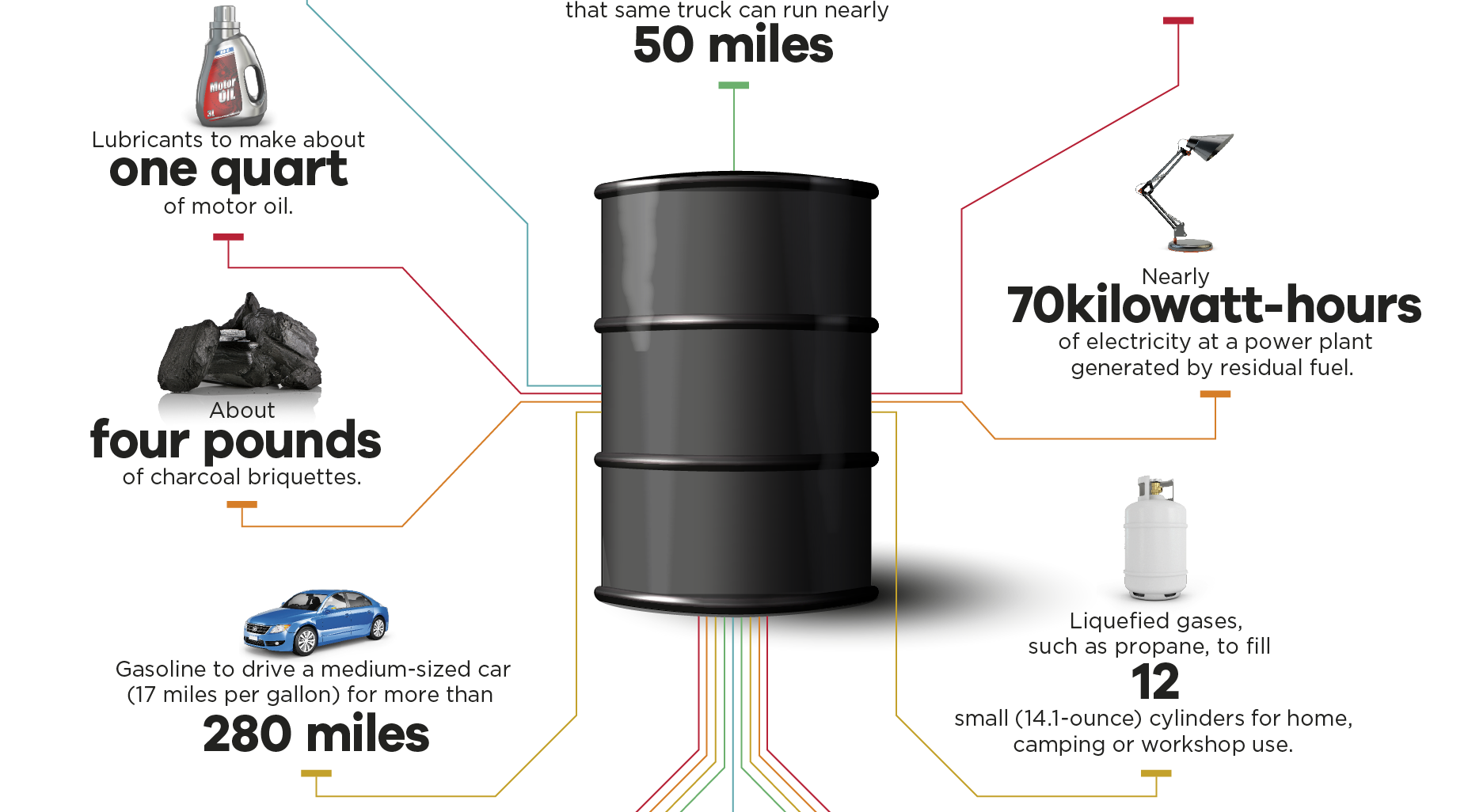
The vast majority of crude oil extracted globally is refined into various fuels. Gasoline, diesel, and jet fuel are indispensable for the transportation sector, enabling the movement of goods, people, and raw materials across continents and oceans. Without these fuels, global supply chains would grind to a halt, impacting everything from the availability of consumer goods to the cost of food. Beyond transportation, the energy derived from oil fuels manufacturing plants, powers heavy machinery in construction and agriculture, and generates electricity in numerous regions. This constant demand for energy translates directly into economic activity, job creation, and wealth generation.
Petrochemicals: The Building Blocks of Modern Life
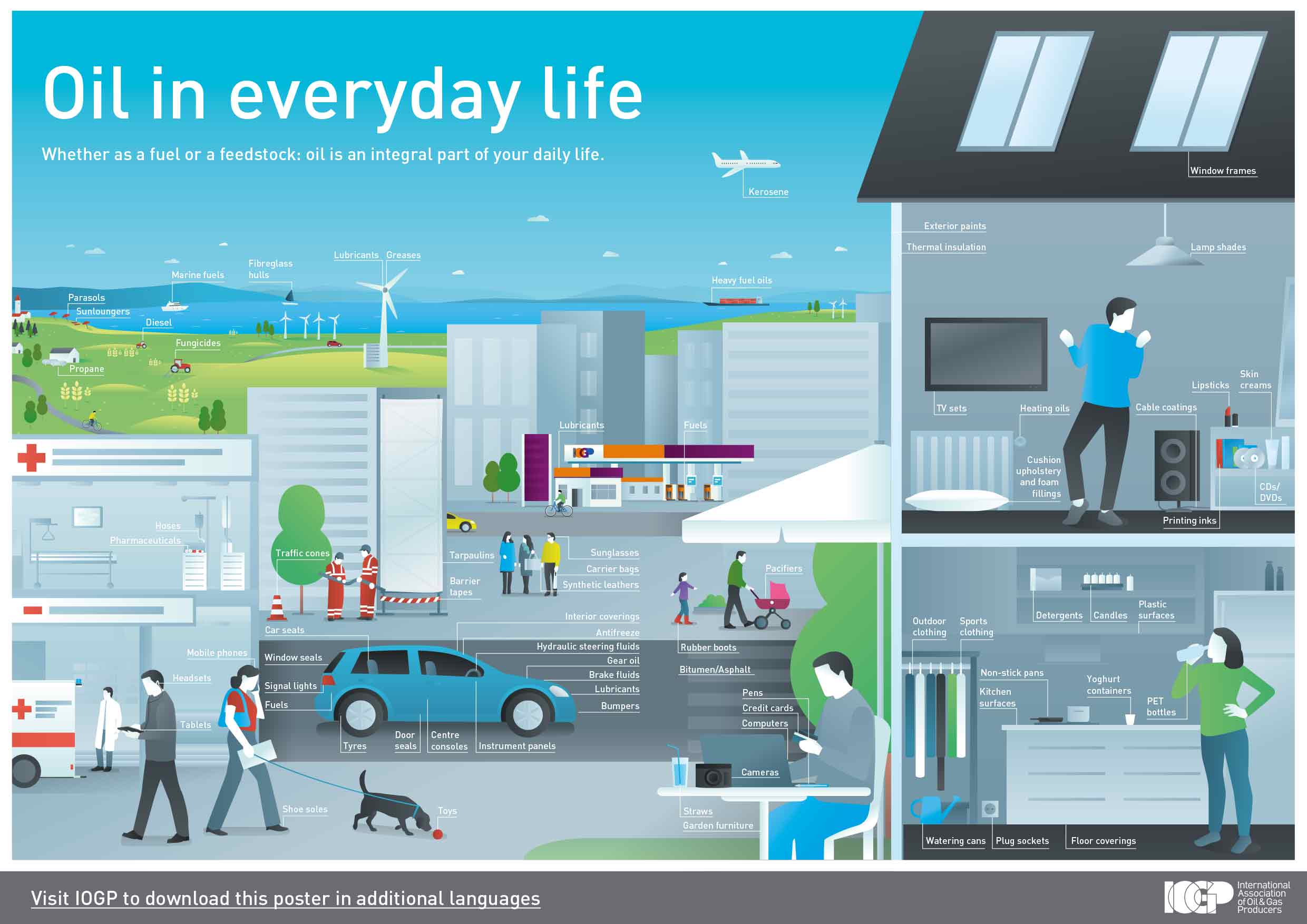
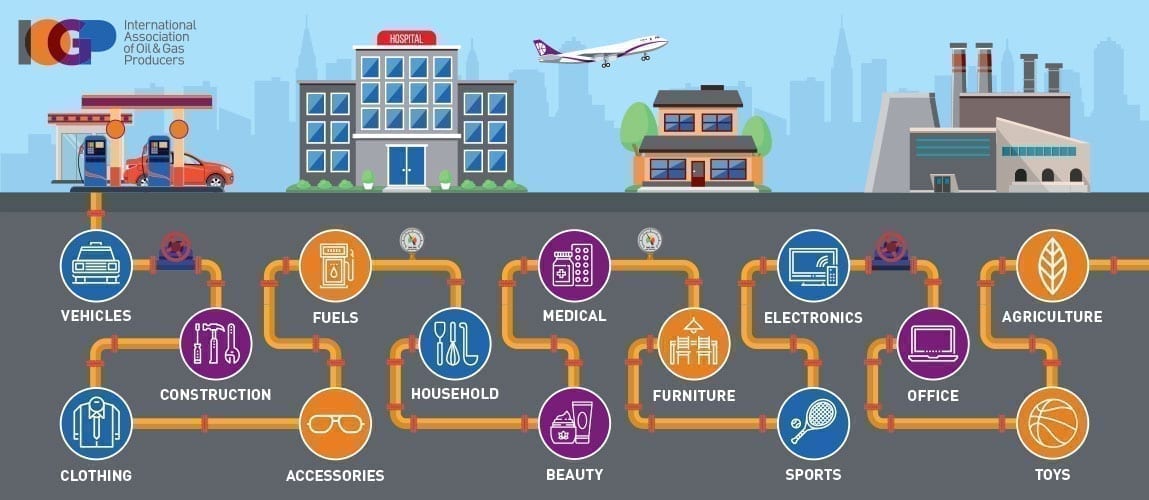
Beyond its role as a fuel, crude oil is a vital feedstock for the petrochemical industry. This sector transforms oil into an astonishing array of products that are ubiquitous in our daily lives, often without us realizing their origin.
Plastics and Polymers
From the packaging that protects our food to the components in our electronics, plastics are derived from petrochemicals. The versatility, durability, and low cost of plastics have revolutionized manufacturing and consumption. Think of the synthetic fibers in our clothing, the materials in our automobiles, the medical devices that save lives, and the building materials used in our homes – all owe their existence, in part, to oil-derived petrochemicals.
Fertilizers and Agriculture
Petrochemicals are also crucial for the production of fertilizers, which are essential for modern, high-yield agriculture. These fertilizers help feed a growing global population, making food production more efficient and less land-intensive. Without them, global food security would be severely compromised, leading to widespread economic instability and hardship.
Pharmaceuticals and Consumer Goods
Many everyday products, from paints and solvents to detergents, cosmetics, and pharmaceuticals, rely on petrochemical derivatives. The complex molecules synthesized from oil are fundamental to the development and production of life-saving drugs and a vast range of consumer goods that enhance our quality of life and drive economic demand.
The Financial Landscape: Oil as a Global Commodity and Investment Vehicle
Oil’s immense economic significance naturally positions it as a central player in global financial markets. Its price fluctuations have profound implications for national economies, corporate profitability, and individual investment portfolios.
Price Discovery and Market Volatility
The price of crude oil is determined by a complex interplay of supply and demand, geopolitical events, and speculation in financial markets. Major benchmarks like West Texas Intermediate (WTI) and Brent crude are traded on exchanges worldwide, acting as indicators for the global energy market. The volatility of oil prices can create significant financial opportunities and risks for investors, traders, and businesses. A sudden surge in oil prices can boost the revenues of oil-producing nations and energy companies, but it can also lead to increased inflation, higher transportation costs, and reduced consumer spending, impacting economies globally. Conversely, a sharp decline in prices can benefit consumers and energy-intensive industries but can devastate the economies of oil-dependent nations and the profitability of energy companies.
Investment Opportunities and Risks
The oil and gas sector represents a significant area for investment. This includes direct investments in oil exploration and production companies, refineries, and pipeline operators. Furthermore, financial instruments like futures contracts, options, and exchange-traded funds (ETFs) allow investors to speculate on or hedge against oil price movements without directly owning physical oil. Understanding the dynamics of oil supply, demand, geopolitical risks, and technological advancements (such as renewable energy adoption) is crucial for making informed investment decisions in this sector. The potential for substantial returns is often accompanied by significant risk due to the inherent volatility and the influence of unpredictable global events.
Geopolitical Influence and Economic Power
Historically, control over oil resources has been a significant driver of geopolitical power. Nations with substantial oil reserves often wield considerable influence on the world stage, impacting international relations, trade agreements, and economic policies. The global distribution of oil reserves and the flow of oil shipments are central to the economic and political strategies of many countries. This makes the oil market a subject of intense scrutiny and a critical factor in understanding global economic stability and power dynamics. Sanctions, trade disputes, and international conflicts can all have a direct and immediate impact on oil prices and supply, demonstrating the deep entanglement of oil with global economic and political power.
The Future of Oil: Transition, Innovation, and Financial Realignments
While oil has been the bedrock of the modern economy for over a century, its future is increasingly shaped by technological innovation, environmental concerns, and a global push towards sustainable energy sources. This transition presents both challenges and opportunities for the financial landscape.
The Energy Transition and Its Financial Implications
The accelerating shift towards renewable energy sources like solar, wind, and electric vehicles necessitates a fundamental re-evaluation of investment strategies. While oil demand is projected to remain significant for decades, its long-term trajectory is expected to decline as cleaner alternatives become more economically viable and environmentally preferable. This transition implies potential write-downs for fossil fuel assets, a shift in capital towards green technologies, and the emergence of new financial instruments and investment opportunities in the renewable energy sector. Investors and businesses must navigate this evolving landscape, considering the risks associated with stranded assets and the opportunities presented by emerging clean energy markets.
Technological Advancements and Efficiency
Technological advancements continue to influence the oil industry, both in extraction and utilization. Innovations in drilling techniques, such as hydraulic fracturing, have unlocked vast new reserves, impacting global supply dynamics and prices. Furthermore, advancements in refining processes and fuel efficiency can reduce overall oil consumption, albeit incrementally. In the financial realm, these technological shifts necessitate continuous adaptation of analytical models and investment theses. The financial success of companies will increasingly depend on their ability to innovate, adapt to new extraction methods, and demonstrate a commitment to sustainable practices.
Diversification and Long-Term Investment Strategies
For oil-producing nations and companies, the long-term financial security increasingly depends on diversification away from sole reliance on fossil fuels. This involves investing in renewable energy infrastructure, developing new industries, and fostering innovation in other sectors. For individual investors, a diversified portfolio that includes exposure to both traditional energy and emerging green technologies may offer a more balanced approach to navigating the complexities of the evolving energy landscape. The financial future of the energy sector will be characterized by a dynamic interplay between established oil interests and the burgeoning opportunities in sustainable energy. Understanding “what oil does” in its broadest economic and financial sense is thus a crucial step in comprehending the forces that shape global wealth and investment in the 21st century.
aViewFromTheCave is a participant in the Amazon Services LLC Associates Program, an affiliate advertising program designed to provide a means for sites to earn advertising fees by advertising and linking to Amazon.com. Amazon, the Amazon logo, AmazonSupply, and the AmazonSupply logo are trademarks of Amazon.com, Inc. or its affiliates. As an Amazon Associate we earn affiliate commissions from qualifying purchases.