
In the modern era of digitized healthcare, the distance between a laboratory result and a patient’s understanding has narrowed significantly. When a patient logs into a health portal and sees the term “MCV” (Mean Corpuscular Volume) on their Complete Blood Count (CBC) report, they are looking at more than just a biological marker; they are looking at the output of sophisticated HealthTech engineering. While traditionally a domain of pure medicine, the interpretation and delivery of MCV data are now driven by advanced algorithms, automated hematology analyzers, and artificial intelligence.
Understanding what MCV means in today’s landscape requires looking through the lens of technology. It is no longer just about the size of a red blood cell; it is about how data science, sensor technology, and digital platforms translate microscopic biological realities into actionable digital insights.
The Digital Architecture of Hematology: How Technology Calculates MCV
At its core, MCV measures the average size of a patient’s red blood cells. However, the process by which this number is generated is a marvel of hardware and software integration. In a modern laboratory, the manual counting of cells under a microscope has been replaced by high-throughput automated analyzers.
Automated Flow Cytometry and Impedance Technology
The technological foundation of the MCV measurement lies in two primary methods: electrical impedance (the Coulter Principle) and radiofrequency/optical flow cytometry. When a blood sample is processed, the machine passes cells through a tiny aperture. As each cell passes, it interrupts an electrical current or scatters a laser beam. The tech calculates the “pulse height” or the degree of light scatter, which corresponds directly to the cell’s volume. Software algorithms then process thousands of these pulses per second to generate a mean value—the MCV.
Digital Signal Processing in Lab Equipment
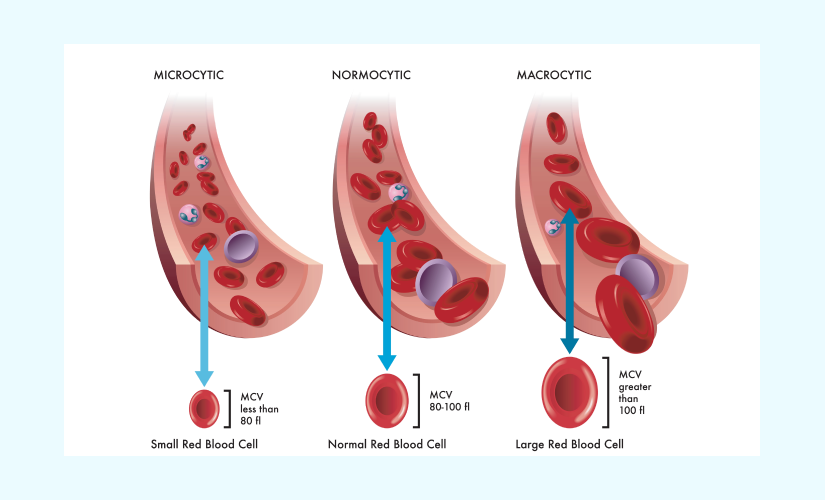
The precision of an MCV reading depends heavily on digital signal processing (DSP). Modern hematology hardware must filter out “noise”—such as cell fragments or bubbles—to ensure that only viable red blood cells are measured. This level of accuracy is what allows clinicians to distinguish between microcytic (small cell), normocytic (normal cell), and macrocytic (large cell) conditions. Without the high-speed processors found in current-gen diagnostic tools, the turnaround time for these results would be measured in days rather than minutes.
AI and Predictive Analytics: Beyond Static Reference Ranges
One of the most significant shifts in HealthTech is the move from static data to predictive analytics. In the past, an MCV result was simply checked against a reference range (typically 80 to 100 femtoliters). Today, AI tools are being integrated into Laboratory Information Systems (LIS) to provide deeper context.
Pattern Recognition in Multi-Parameter Data
AI excels at recognizing patterns that the human eye might miss. An isolated MCV value might be slightly elevated, which a human might overlook if it’s near the “normal” boundary. However, a machine learning algorithm can correlate that MCV with other data points—such as the Red Cell Distribution Width (RDW), hemoglobin levels, and even historical data from the patient’s electronic health record (EHR). By analyzing these clusters, AI can flag the early stages of vitamin B12 deficiency or iron-deficiency anemia long before they become symptomatic.
Reducing Diagnostic Errors through Algorithmic Verification
Diagnostic errors are a significant concern in global health. Tech-driven verification systems now act as a “second set of eyes.” When an analyzer detects an abnormal MCV, the software can automatically trigger a “reflex test” or a manual smear review if certain algorithmic criteria are met. This automated workflow management ensures that high-risk samples are prioritized for human expert review, optimizing the laboratory’s efficiency and improving patient safety.
The Consumerization of Health Data: Patient Portals and Apps
The way MCV data is communicated to the end-user has undergone a digital revolution. The rise of Patient Health Information (PHI) portals and mobile health apps has turned “MCV” from a cryptic lab note into a data point on a user’s smartphone.

UI/UX Design in Medical Reporting
Modern HealthTech companies are investing heavily in the User Experience (UX) of lab reports. Instead of a dense, black-and-white PDF, patients now interact with dynamic dashboards. Good UX design uses color-coded visualizations to show where a patient’s MCV sits on a spectrum. By providing “hover-over” tooltips that explain what “Mean Corpuscular Volume” is in plain English, these platforms empower patients to have more informed conversations with their doctors.
The Integration of Wearables and Lab Data
We are entering an era where data from wearable devices (like the Apple Watch or Oura Ring) may eventually be mapped alongside clinical lab results like MCV. While wearables cannot yet measure red blood cell volume directly, they do track metrics like resting heart rate and blood oxygen levels (SpO2). Future health apps aim to use APIs to pull MCV data from a lab’s server and correlate it with the user’s activity levels. For instance, if a user’s MCV is high (indicating potential macrocytic anemia), and their wearable data shows a recent trend of decreased exercise tolerance and increased heart rate, the app could prompt a clinical consultation.
Data Security and the Cloud: Managing Lab Results at Scale
The transition of lab results like MCV from paper to the cloud brings significant technological challenges regarding data security and interoperability.
HIPAA-Compliant Cloud Infrastructure
As healthcare providers move toward cloud-based EMR (Electronic Medical Record) systems, protecting the privacy of blood test results is paramount. This involves sophisticated encryption protocols both “at rest” and “in transit.” Tech giants like Microsoft (Azure) and Amazon (AWS) have created specialized healthcare clouds that ensure a patient’s MCV and other CBC data are accessible to authorized specialists across the globe while remaining shielded from cyber threats.
Blockchain for Interoperable Health Records
One of the emerging trends in health technology is the use of blockchain to manage medical data. Currently, a patient’s MCV result might be trapped in the silo of one hospital’s system. If they visit a specialist in a different city, that data is often hard to retrieve. Blockchain technology offers a decentralized ledger where a patient could “own” their MCV history, granting temporary access to different providers via secure, cryptographic keys. This ensures continuity of care and prevents redundant testing, saving both time and resources.
The Future of Hematology Tech: Lab-on-a-Chip and Remote Monitoring
Looking forward, the technology used to measure MCV is becoming increasingly miniaturized and decentralized. The goal is to move the lab closer to the patient, shifting from massive hospital-based analyzers to Point-of-Care (POC) devices.
Lab-on-a-Chip (LOC) Technology
The “Lab-on-a-Chip” is a revolutionary tech trend that integrates several laboratory functions on a single chip only millimeters to a few square centimeters in size. Using microfluidics, these chips can measure red blood cell volume with extreme precision using just a drop of blood from a finger prick. For patients with chronic conditions that affect their red blood cells, this means they could potentially monitor their MCV levels at home, similar to how diabetics monitor glucose.
Telemedicine and Remote Interpretative Tools
As telemedicine becomes a standard of care, the digital interpretation of MCV is becoming more automated. AI-driven “chatbots” or virtual assistants are being developed to help patients understand their lab work in the context of a tele-consultation. These tools use Natural Language Processing (NLP) to answer questions like “Why is my MCV high?” by pulling the latest peer-reviewed data and correlating it with the patient’s specific lab values. This tech-driven approach ensures that even in remote areas, patients have access to high-level diagnostic interpretation.

Conclusion: The Synergy of Biology and Bitrate
What does MCV on a blood test mean? In the context of modern technology, it is a digital representation of a biological state, captured by advanced sensors, processed by complex algorithms, and delivered via secure cloud networks. The tech sector’s involvement in hematology has transformed a simple average—the volume of a cell—into a cornerstone of data-driven medicine.
As AI continues to refine its predictive capabilities and as hardware becomes more portable, the MCV value will become even more integrated into a holistic, tech-enabled view of human health. We are moving away from a world where a blood test is a snapshot in time, and toward a future where metrics like MCV are part of a continuous, digital narrative of wellness, managed by the most sophisticated tools the tech industry has to offer. For the patient, this means faster results, more accurate diagnoses, and a clearer understanding of the microscopic machines—their red blood cells—that keep them moving.
aViewFromTheCave is a participant in the Amazon Services LLC Associates Program, an affiliate advertising program designed to provide a means for sites to earn advertising fees by advertising and linking to Amazon.com. Amazon, the Amazon logo, AmazonSupply, and the AmazonSupply logo are trademarks of Amazon.com, Inc. or its affiliates. As an Amazon Associate we earn affiliate commissions from qualifying purchases.